
In the intricate world of personal finance, certain pieces of information are fundamental to managing your money effectively. Among these, your bank account number stands out as a critical identifier, essential for a myriad of financial transactions. While often overlooked until needed, knowing how to quickly and securely locate this number is a cornerstone of responsible financial management. This article delves into the significance of your bank account number within the broader context of personal finance, guides you through the various ways to find it, emphasizes the crucial difference between it and other banking identifiers, and discusses the paramount importance of safeguarding this sensitive information.
Understanding your bank account number isn’t just about practical necessity; it’s about gaining a deeper insight into the mechanics of your financial life. From setting up direct deposits to paying bills online, from filing your taxes to receiving government benefits, this unique sequence of digits is the key to unlocking seamless financial operations. Without it, many essential aspects of modern money management would grind to a halt.
Understanding Your Bank Account Number
At its core, your bank account number is a unique identifier assigned by your financial institution to your specific deposit account. It’s the numerical address for your money within the bank’s system, distinguishing your funds from those of every other customer. While often a series of 10 to 12 digits, the exact length can vary slightly by bank and account type. Grasping what this number represents and how it functions is the first step in appreciating its importance in your financial toolkit.
The Anatomy of a Bank Account Number
Typically, a bank account number is a string of numbers that is unique to your specific bank account. Unlike a credit card number, which is designed for transactional security through various checks and balances, an account number is primarily for identification within the bank’s internal systems. It doesn’t inherently contain personal identifying information, but when combined with other details like your name and routing number, it forms a complete picture for initiating or receiving financial transfers. This distinctiveness ensures that when money moves to or from your account, it lands precisely where it’s intended.
Account Number vs. Routing Number: A Crucial Distinction
One of the most common points of confusion for individuals managing their finances is distinguishing between a bank account number and a routing number. Both are vital for financial transactions, but they serve different purposes:
-
Bank Account Number: This identifies your specific account at a financial institution. Think of it as your personal mailbox number within the postal service.
-
Routing Number (or ABA RTN): This is a nine-digit number that identifies your financial institution in a transaction. It tells other banks where to send money. Think of it as the zip code for your bank branch.
For most transactions, such as setting up direct deposit, electronic bill payments, or initiating an Automated Clearing House (ACH) transfer, both numbers are required. The routing number directs the funds to the correct bank, and the account number ensures they reach the correct account within that bank. Mistaking one for the other can lead to delays, returned payments, or, in unfortunate circumstances, funds being sent to the wrong destination. Therefore, understanding this difference is not just beneficial but crucial for accurate financial transactions.
Why This Number Matters for Your Finances
The importance of your bank account number extends across almost every facet of your financial life. It’s not merely a string of digits but a gateway to managing your personal economy. Without it, you wouldn’t be able to:
-
Receive your paycheck via direct deposit.
-
Automate bill payments to ensure they’re always on time.
-
Transfer funds between your own accounts or to other individuals.
-
Receive tax refunds or government benefits electronically.
-
Set up investment accounts or contribute to retirement plans directly from your checking or savings.
-
Apply for loans, mortgages, or credit, as lenders often require this information for verification or disbursement.
In essence, your bank account number is the bedrock upon which much of your digital financial infrastructure is built. Its accuracy and accessibility directly impact the efficiency and reliability of your money management.
Common Places to Locate Your Account Number
When you need your bank account number, often the need is immediate and practical. Fortunately, banks have made it relatively straightforward to find this information through several readily accessible channels. Knowing where to look can save you time and potential frustration.
Your Physical Checks
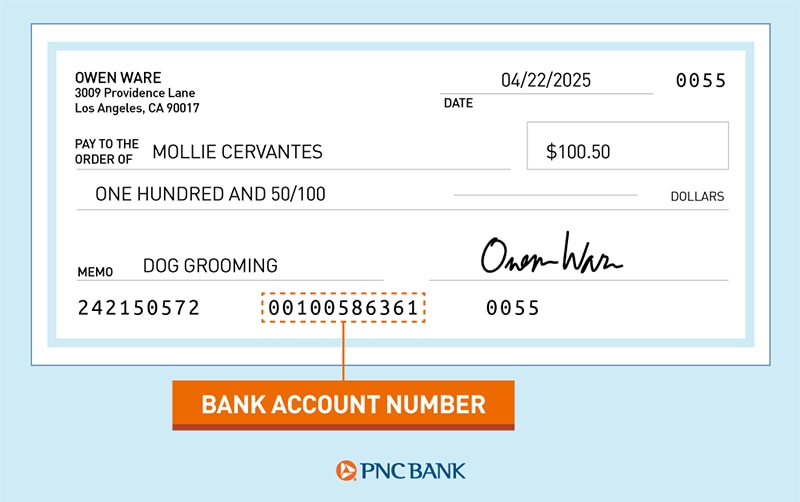
For those who still use a traditional checkbook, this is often the easiest and most direct place to find your account number. On the bottom of a personalized check, you’ll typically see three sets of numbers separated by distinct symbols. From left to right, these usually represent:
-
Routing Number: The first set of nine digits.
-
Account Number: The second set of numbers (the length varies by bank).
-
Check Number: The third set, identifying that specific check.
Make sure to distinguish between the routing number and your account number, as they are often placed side-by-side. If you have a starter check or temporary checks issued by the bank, the account number might be handwritten or placed differently, so always verify with your bank if unsure.
Bank Statements (Paper or Digital)
Whether you receive monthly paper statements in the mail or access them digitally through your bank’s website, your bank account number is prominently displayed. Look towards the top section of the statement, usually near your name and address, or in the account summary section. Digital statements offer the advantage of being easily searchable and accessible at any time, provided you have internet access. This method is particularly useful if you don’t have a checkbook or prefer not to use it for reference.
Online Banking Portals and Mobile Apps
In today’s digital age, online banking portals and mobile applications have become the primary interface for many people to manage their finances. Most banks provide a secure way to view your account number through these platforms:
-
Online Banking: Log in to your bank’s website. Navigate to the account summary page or details page for the specific account (checking, savings, etc.). You might need to click on an “Account Details,” “View Account Number,” or similar link. For security, some banks might mask part of the number and require a secondary verification step (like a one-time passcode) to reveal the full sequence.
-
Mobile Apps: Similar to online banking, open your bank’s mobile app, log in, and select the desired account. Look for an option to view account details or account information. Again, for security, the full number might be hidden until you tap to reveal it, possibly after authenticating your identity.
These digital methods are convenient, offering 24/7 access, but they also underscore the importance of robust digital security practices.
Contacting Your Bank Directly
If all else fails, or if you prefer direct assistance, calling or visiting your bank is always an option.
-
Phone: Call your bank’s customer service line. Be prepared to go through a rigorous verification process to confirm your identity. This typically involves providing your full name, address, date of birth, and possibly answering security questions or confirming recent transactions. Once verified, a representative can provide your account number.
-
In-Person: Visit a local branch of your bank. Bring a valid government-issued ID (driver’s license, passport, etc.). A bank teller or customer service representative will be able to look up your account details and provide the number after verifying your identity. This is often the most secure way to obtain sensitive information if you’re uncomfortable accessing it digitally or over the phone.
While convenient, relying on customer service for this basic information can be time-consuming, highlighting the benefit of knowing where to find it yourself.
Digital Access and Security Considerations
Accessing your bank account number through online banking portals and mobile applications offers unparalleled convenience. However, this ease of access comes with a heightened responsibility for digital security. As we increasingly rely on digital platforms for our financial lives, safeguarding our sensitive information becomes paramount.

Navigating Online Banking for Account Details
Most online banking platforms are designed with user-friendly interfaces that make finding your account number relatively straightforward. Once logged in, you typically:
-
Select the relevant account: Click on your checking or savings account from your dashboard.
-
Look for “Account Details” or “Summary”: This section will often contain a wealth of information, including your balance, recent transactions, and account numbers.
-
Reveal Hidden Information: Due to security protocols, your full account number might be partially masked (e.g., “XXXX-XXXX-1234”). There will usually be an option, such as an eye icon or a “Show full number” button, which, when clicked, will display the complete number. This action might trigger a secondary authentication request, like entering a password or a one-time code sent to your phone, to ensure it’s genuinely you.
Always ensure you are on your bank’s official website (check the URL for “https://” and the padlock icon) and avoid accessing sensitive information on public Wi-Fi networks without a VPN.
Utilizing Mobile Banking Applications
Mobile banking apps provide similar functionality to online portals, optimized for smaller screens and on-the-go access.
-
Log in securely: Use strong, unique passwords or biometric authentication (fingerprint, facial recognition) if available.
-
Navigate to account information: Tap on the specific account you need details for.
-
Find the account number: Look for a section like “Account Info,” “Details,” or “Settings.” As with online banking, the number might be partially obscured, requiring a tap or additional authentication to reveal fully.
Mobile apps offer quick access, but a lost or stolen phone can pose a security risk. Ensure your device is password-protected and consider remote wiping capabilities.
The Imperative of Digital Security
The convenience of digital access means that protecting your login credentials and devices is as important as protecting your physical wallet.
-
Strong, Unique Passwords: Use complex passwords for your banking accounts that are different from those used for other online services. Consider using a password manager.
-
Two-Factor Authentication (2FA): Always enable 2FA if your bank offers it. This adds an extra layer of security by requiring a second form of verification (like a code from your phone) in addition to your password.
-
Beware of Phishing: Be highly skeptical of unsolicited emails, texts, or calls asking for your bank account information. Banks will rarely ask for sensitive details via unsecure channels. Always go directly to your bank’s official website or app.
-
Secure Wi-Fi: Avoid conducting banking transactions over unsecured public Wi-Fi networks. If you must, use a Virtual Private Network (VPN).
-
Regular Monitoring: Periodically review your bank statements and transaction history for any unauthorized activity.
-
Keep Software Updated: Ensure your operating system, web browser, and antivirus software are always up to date to protect against known vulnerabilities.
By adopting these robust digital security practices, you can leverage the convenience of online and mobile banking without compromising the safety of your financial information.
When You Need Your Bank Account Number
Your bank account number isn’t just a piece of dormant information; it’s an active tool required for numerous financial processes that streamline and secure your money management. Understanding these scenarios helps you anticipate when you’ll need it and keep it readily accessible (though securely stored).
Setting Up Direct Deposit or Bill Pay
One of the most common and beneficial uses of your account number is for automated payments.
-
Direct Deposit: To receive your paycheck, government benefits (like Social Security), or tax refunds directly into your bank account, your employer or the paying agency will require your bank’s routing number and your specific account number. This eliminates the need for paper checks, ensures timely receipt of funds, and enhances security.
-
Automated Bill Pay: Setting up recurring payments for utilities, loans, rent, or credit cards often involves providing your bank account and routing numbers. This automates your financial obligations, helping you avoid late fees and manage your budget more effectively.
These automated processes rely heavily on the accuracy of your account number to ensure funds are correctly debited or credited.
Making ACH Transfers
The Automated Clearing House (ACH) network is the electronic funds transfer system used in the United States to process a wide range of credit and debit transactions. Any time you transfer money directly between bank accounts electronically (e.g., from your checking to savings, paying a friend through an app that links directly to bank accounts, or sending money to an investment account), you’re likely using the ACH network, which requires your account number. This system is efficient, secure, and forms the backbone of many modern payment methods, making your account number indispensable for inter-bank transfers.
Tax Purposes and Government Payments
The Internal Revenue Service (IRS) and other government agencies frequently require your bank account and routing numbers for various processes:
-
Tax Refunds: To receive your tax refund via direct deposit, you’ll need to provide these details on your tax forms. This is generally the fastest and most secure way to get your refund.
-
Government Benefits: If you receive benefits from agencies like Social Security or veteran affairs, providing your bank account details for direct deposit ensures you receive your payments without delay.
-
Government Payments: Conversely, if you owe money to the government (e.g., estimated taxes), you can often make direct payments from your bank account using these numbers.
Accuracy is critical here, as errors can lead to significant delays or misdirected funds, causing financial inconvenience.
Applying for Loans or Credit
When you apply for a loan, mortgage, or even certain credit cards, lenders often request your bank account number. This serves several purposes:
-
Verification: To verify your financial standing and ensure you have an active bank account.
-
Disbursement: If approved, the loan funds are typically disbursed directly into your bank account.
-
Repayment: Often, lenders will set up automatic loan repayments from your linked bank account, requiring your account number for this recurring debit.
Having this information readily available can streamline the application and approval process, making it easier to secure the financing you need.
Safeguarding Your Financial Information
Given the pervasive use of your bank account number in managing your finances, its security is paramount. Protecting this and other sensitive financial data from unauthorized access, fraud, and identity theft is an ongoing responsibility that requires vigilance and proactive measures.
Protecting Physical Documents
While much of our financial life has moved digital, physical documents still hold sensitive information.
-
Secure Storage: Store bank statements, checkbooks, and any documents containing your account number in a secure, locked location at home.
-
Shredding: When you no longer need physical documents, shred them thoroughly before disposal. Simply tearing or discarding them in the trash leaves you vulnerable to “dumpster diving” identity thieves.
-
Checkbook Vigilance: Never leave your checkbook unattended, especially in public places. Treat it with the same care as you would your wallet or purse.
Physical security is just as important as digital security in the comprehensive protection of your financial identity.
Practicing Online Vigilance
As discussed previously, your online interactions are a primary vector for potential fraud.
-
Phishing Scams: Be perpetually skeptical of emails, texts, or calls requesting your bank account number or other financial details. Legitimate financial institutions will generally not ask for this information directly via insecure communication channels. If in doubt, always contact your bank using a verified phone number or by typing their official website address directly into your browser.
-
Secure Websites: Always ensure that any website where you enter financial information is secure. Look for “https://” in the URL and a padlock icon in your browser’s address bar.
-
Public Wi-Fi: Avoid conducting banking or other sensitive financial transactions on public, unsecured Wi-Fi networks. These networks are often vulnerable to snooping. If you must use public Wi-Fi, employ a Virtual Private Network (VPN) to encrypt your internet traffic.
-
Device Security: Keep your computer and mobile devices secured with strong passwords, up-to-date antivirus software, and the latest operating system updates. These updates often include crucial security patches.
Online vigilance is a continuous effort that can significantly reduce your risk of becoming a victim of financial fraud.

What to Do If Your Information Is Compromised
Despite all precautions, sometimes financial information can be compromised. Knowing the immediate steps to take can mitigate the damage.
-
Contact Your Bank Immediately: As soon as you suspect your bank account number or other financial details have been compromised, contact your bank. They can monitor your account for fraudulent activity, flag it, and in severe cases, help you close the compromised account and open a new one.
-
Monitor Your Accounts: Regularly review your bank statements, credit card statements, and credit reports for any suspicious or unauthorized transactions. Many banks offer alerts for unusual activity.
-
Change Passwords: If your login credentials were potentially exposed, change your passwords for all financial accounts, using strong, unique passwords.
-
Report Identity Theft: If you suspect identity theft, report it to the Federal Trade Commission (FTC) at IdentityTheft.gov. They can guide you through the recovery process.
-
Place Fraud Alerts: Consider placing a fraud alert or a credit freeze with the major credit bureaus (Equifax, Experian, TransUnion) to prevent new accounts from being opened in your name.
Being proactive and swift in your response is key to minimizing the financial and emotional toll of a security breach.
In conclusion, your bank account number is far more than a simple sequence of digits; it’s a cornerstone of your personal financial management, enabling seamless transactions and access to vital financial services. By understanding where to find it—from physical checks and statements to online banking portals and mobile apps—and by diligently safeguarding this sensitive information, you empower yourself with greater control and security over your financial life. Adopting strong digital security habits and knowing how to react in the event of a compromise are not merely suggestions but essential practices for anyone navigating the modern financial landscape.
aViewFromTheCave is a participant in the Amazon Services LLC Associates Program, an affiliate advertising program designed to provide a means for sites to earn advertising fees by advertising and linking to Amazon.com. Amazon, the Amazon logo, AmazonSupply, and the AmazonSupply logo are trademarks of Amazon.com, Inc. or its affiliates. As an Amazon Associate we earn affiliate commissions from qualifying purchases.