
In the intricate world of personal and business finance, certain pieces of information act as crucial keys, unlocking a myriad of transactions and services. Among these, your bank’s routing number stands out as a fundamental identifier, facilitating the smooth flow of funds across the vast financial landscape. For Bank of America account holders, knowing how to quickly and accurately locate this number is not just convenient but essential for managing everything from direct deposits to bill payments.
This comprehensive guide will demystify the Bank of America routing number, detailing exactly what it is, why it’s indispensable, and providing step-by-step instructions on how to find it through various reliable sources. We’ll delve into the nuances of its use, offering insights into best practices and security considerations to ensure your financial dealings are always efficient and secure. Whether you’re setting up a new direct deposit, paying bills online, or initiating a wire transfer, understanding your routing number is a cornerstone of effective financial management.
Understanding the Foundation: What is a Routing Number and Why Does it Matter?
Before diving into the “how-to,” it’s crucial to grasp the fundamental concept of a routing number itself. Often overlooked until needed, this nine-digit code plays a pivotal role in the American banking system, acting as a unique identifier for financial institutions.
The Digital Fingerprint of Your Bank
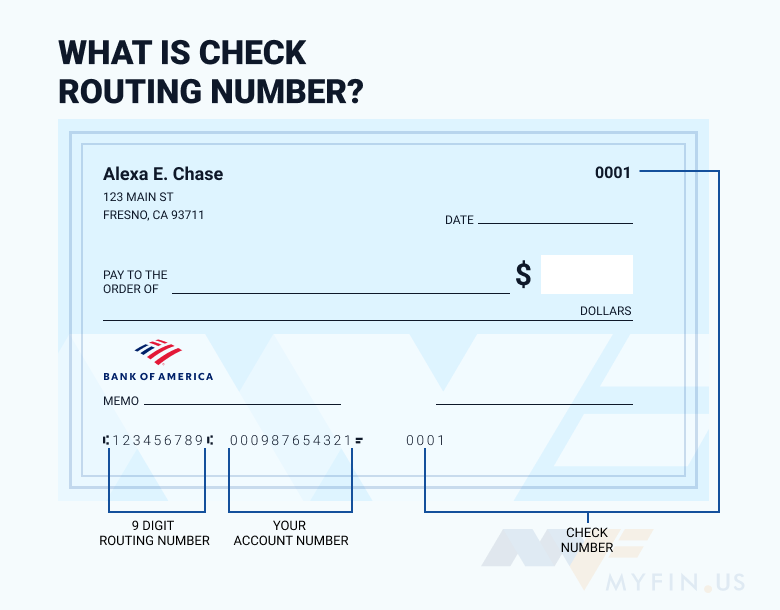
A routing number, also known as an ABA (American Bankers Association) routing transit number, is a nine-digit code used to identify a specific financial institution in the United States. Established in 1910, its primary purpose is to identify the financial institution responsible for payment of a negotiable instrument, such as a check. In today’s digital age, its function has expanded dramatically, becoming central to electronic funds transfers (EFTs). Each set of digits within the routing number provides specific information, directing funds to the correct bank during transactions. While a bank may have multiple routing numbers depending on the region or the type of transaction (e.g., ACH vs. wire transfers), each number is unique to a specific bank or a specific branch for certain transaction types.
Essential for Seamless Financial Transactions
The importance of your Bank of America routing number cannot be overstated. It is a mandatory piece of information for almost any transaction that involves transferring money between different financial institutions. Here are some key scenarios where you’ll invariably need it:
-
Direct Deposit: To receive your paycheck, tax refunds, or government benefits directly into your Bank of America account, your employer or the issuing agency will require your routing number alongside your account number.
-
Automated Bill Payments: Setting up recurring payments for utilities, loans, or subscriptions often necessitates your bank’s routing number to authorize the automatic debit from your account.
-
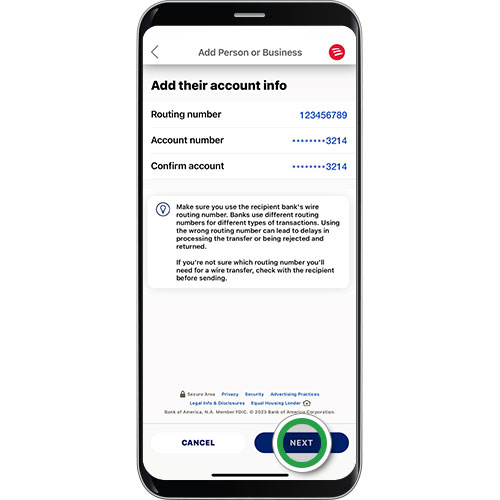
Wire Transfers: For both domestic and international wire transfers, the routing number (and often a SWIFT/BIC code for international transfers) is critical for ensuring the funds reach the intended recipient’s bank securely.
-
External Account Linking: If you use third-party financial apps or wish to link your Bank of America account to another bank account (e.g., for transferring funds between your own accounts at different institutions), the routing number is required for verification.
-
Tax Payments/Refunds: When filing taxes, whether you’re paying the IRS or expecting a refund, providing the correct routing and account numbers ensures the funds are directed appropriately.
Without the correct routing number, these crucial financial operations cannot be completed, leading to delays, returned payments, or even misdirected funds.
Differentiating Routing Numbers from Account Numbers
A common point of confusion for many is distinguishing between a routing number and an account number. While both are essential for financial transactions, they serve distinct purposes:
-
Routing Number: Identifies which bank the money should go to. Think of it as the street address of the bank.
-
Account Number: Identifies which specific account within that bank the money should go into. This is like the house number on that street.
Both numbers are required for almost all electronic fund transfers. Providing only one or mixing them up will result in failed transactions, so it’s vital to keep them separate and understand their individual roles.
Primary Pathways to Locate Your Bank of America Routing Number
Bank of America provides several convenient and reliable methods for finding your routing number. Depending on your preference for digital access or physical documentation, you can choose the option that best suits your needs.
The Traditional Method: Checking Your Checks
For many, the most straightforward way to find their routing number is by looking at a physical check. Bank of America, like most banks, prints this information clearly on the bottom of its checks.
-
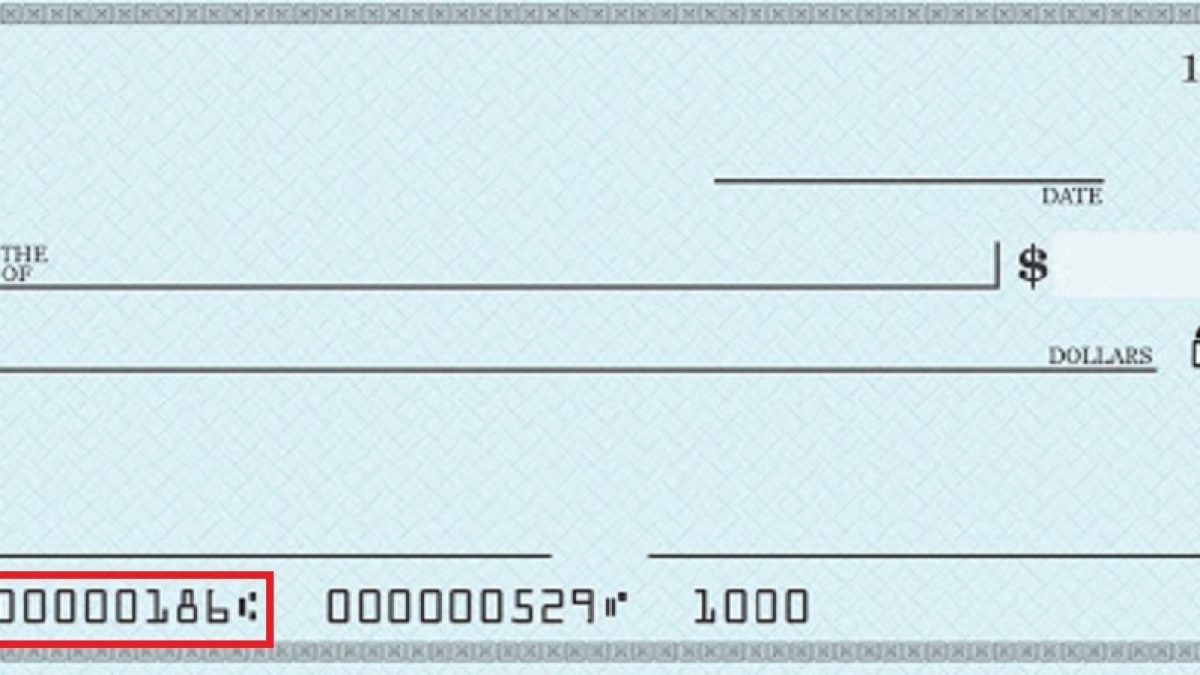
Location: On the bottom of a Bank of America check, you will find three sets of numbers. The first set of nine digits on the far left is your routing number. The middle set of numbers is your account number, and the last set is the check number.
-
Benefit: This method is quick, reliable, and doesn’t require internet access or contacting the bank.
-
Consideration: Ensure you are using a check from the correct account, as routing numbers can vary by account type or region.
Instant Access: Online Banking and Mobile App
In today’s digital age, Bank of America’s online banking portal and mobile app offer the most convenient and frequently updated sources for your routing number.
-
Online Banking: Once logged into your Bank of America online banking account, you can typically find your routing number by navigating to the “Account Details” or “Information” section for your specific checking or savings account. It’s often displayed alongside your account number.
-
Mobile App: The Bank of America mobile app provides similar functionality. After logging in, select the desired account, and look for an option like “Account Info,” “Details,” or “Routing & Account Numbers.”
-
Benefit: These methods offer immediate access, are available 24/7, and ensure you’re getting the most current information directly from the bank.
-
Consideration: You need internet access and your login credentials.
Your Paper Trail: Bank Statements
If you receive physical or electronic bank statements from Bank of America, your routing number is generally included on these documents.
-
Location: Look for your routing number on your monthly or quarterly statements, usually near your account number, the bank’s address, or in a section labeled “Account Information.”
-
Benefit: Statements provide a historical record and a reliable source of information.
-
Consideration: Electronic statements might be easier to access quickly than physical ones, which require waiting for mail or retrieval from archives.
Direct Assistance: Bank of America Customer Service
When all else fails, or if you prefer speaking directly with a representative, Bank of America’s customer service is an excellent resource.
-
How to Contact: You can call Bank of America’s customer service line (usually found on their website or the back of your debit card) or visit a local branch in person.
-
What to Expect: Be prepared to verify your identity with personal information such as your account number, date of birth, and possibly the last four digits of your Social Security number to ensure security.
-
Benefit: Provides personalized assistance and clarification on any specific routing number questions, especially concerning different types of transactions.
Public Domain: Bank of America’s Official Website
For general routing numbers, especially those for initiating transfers to Bank of America, their official website often lists publicly available numbers.
-
Location: Bank of America’s website will typically have a dedicated section for “Routing Numbers” or “Wire Transfer Information” in their help or support sections.
-
Benefit: Useful if you need a routing number for a different Bank of America account (e.g., if you’re sending money to someone else’s BoA account) or just want to quickly confirm the general routing number for a region.
-
Consideration: While this is a reliable source, always double-check against your specific account details if you’re using it for your own transactions, as regional variations exist.
A Step-by-Step Guide: Retrieving Your Routing Number Digitally
Given the convenience and prevalence of digital banking, understanding how to retrieve your routing number through Bank of America’s online platforms is invaluable. Here are detailed steps for both online banking and the mobile app.
Through Bank of America Online Banking
Accessing your routing number via Bank of America’s online banking portal is straightforward:
-
Log In: Go to the official Bank of America website (bankofamerica.com) and log in to your account using your User ID and Passcode.
-
Select Account: Once logged in, navigate to the “Accounts” section. Click on the specific checking or savings account for which you need the routing number.
-
View Account Details: Look for a link or section titled “Account Details,” “Account Information,” or similar. This is usually located near the account summary.
-
Locate Routing Number: Within the account details, you should find your routing number clearly listed, often alongside your account number. It might be labeled as “Routing Number,” “ABA Number,” or “Electronic Funds Transfer (EFT) Routing Number.”
-
Copy/Verify: Carefully copy the number or verify it against any existing records you have.
Using the Bank of America Mobile App
The Bank of America mobile app provides similar ease of access for finding your routing number on the go:
-
Open and Log In: Launch the Bank of America mobile app on your smartphone or tablet and log in using your credentials or biometric authentication (fingerprint/Face ID).
-
Select Account: From the main dashboard, tap on the specific checking or savings account you wish to view.
-
Access Account Info: Look for an option like “Account Info,” “Details,” or an icon (like a gear or three dots) that leads to more account-specific settings or information.
-
Find Routing Number: Your routing number will be displayed within this section. Sometimes it’s immediately visible; other times, you might need to scroll down or tap “Show full account number” (which may also reveal the routing number).
-
Verify: Always double-check the number to ensure accuracy before using it for any transactions.
Important Considerations for Branch-Specific Numbers
While many banks use a single routing number for all accounts nationwide, Bank of America historically has used different routing numbers based on the geographic region or the specific state where the account was opened.
-
Regional Variation: It is crucial to use the routing number associated with the specific region where your account was opened or is serviced. The routing number listed on your personal checks, in online banking, or on your statements is the definitive one for your specific account.
-
Transaction Type: Also, be aware that some banks may have distinct routing numbers for certain types of transactions, such as ACH transfers versus wire transfers. Always confirm the correct number for the specific transaction you are making, especially for time-sensitive or high-value transfers. When in doubt, online banking and customer service are your most reliable resources for confirming the exact routing number for your intended purpose.
Secure Handling and Best Practices for Your Routing Number
While a routing number is not as sensitive as your account number or Social Security number, it is still a piece of financial information that should be handled with care. Understanding best practices ensures both accuracy and security in your financial dealings.
Verifying Accuracy for Critical Transactions
The smallest error in a routing number can lead to significant headaches, including delayed payments, returned funds, or even funds being sent to the wrong institution.
-
Double-Check Always: Before submitting a routing number for direct deposit, bill pay, or especially wire transfers, always double-check the digits. A common mistake is transposing numbers.
-
Official Sources Only: Only retrieve your routing number from official Bank of America sources: your checks, online banking, mobile app, bank statements, or direct communication with customer service. Avoid third-party websites that claim to list routing numbers, as these may be outdated or incorrect.
-
Confirm with Recipient: If you are receiving a wire transfer, it’s a good practice to confirm the sender has the correct routing and account numbers for your bank before they initiate the transfer.
Protecting Your Financial Information
While a routing number alone cannot grant access to your account, its combination with your account number and other personal details can be exploited.
-
Be Discerning: Only provide your routing and account numbers to trusted entities, such as your employer, government agencies for tax purposes, or reputable billers.
-
Secure Platforms: When entering these numbers online, ensure you are on a secure website (look for “https://” in the URL and a padlock icon).
-
Beware of Phishing: Be wary of unsolicited emails or calls asking for your banking information, including routing numbers. Bank of America will never ask for this sensitive information via unsecured email.
-
Shred Old Documents: When disposing of old checks or bank statements, shred them to prevent unauthorized individuals from obtaining your routing and account numbers.
Understanding ACH vs. Wire Transfer Routing Numbers
This is a critical distinction that can often trip up even experienced financial users. While many domestic transfers use the same routing number, some banks differentiate.
-
ACH (Automated Clearing House) Transfers: These are common for direct deposits, online bill payments, and electronic checks. They are generally processed in batches, take a day or two to clear, and typically use the standard routing number found on your checks or in online banking.
-
Wire Transfers: These are faster, often real-time transfers, designed for immediate and higher-value transactions. For domestic wire transfers, Bank of America may use a different routing number than the one for ACH. For international wire transfers, a SWIFT/BIC (Society for Worldwide Interbank Financial Telecommunication / Bank Identifier Code) is almost always required in addition to or instead of a domestic routing number.
-
Always Confirm for Wires: If you are sending or receiving a wire transfer, always confirm the specific routing or SWIFT code directly with Bank of America customer service or through the dedicated wire transfer section of their online banking portal. Using the wrong number can cause significant delays and fees.
Leveraging Your Routing Number in Everyday Financial Management
Once you’re confident in locating and understanding your Bank of America routing number, you can effectively use it to streamline and optimize various aspects of your financial life.
Streamlining Direct Deposits and Automated Payments
Your routing number is the backbone of modern financial automation, allowing for unparalleled convenience.
-
Direct Deposit Setup: Provide your employer’s HR or payroll department with your Bank of America routing number and account number. Many employers have online portals for this, or you might fill out a direct deposit form. This ensures your paycheck lands in your account automatically on payday, eliminating trips to the bank.
-
Automated Bill Pay: Set up recurring payments for mortgages, car loans, utilities, credit cards, and subscriptions directly from your Bank of America account using the routing and account numbers. This helps avoid late fees and ensures your bills are always paid on time. Always monitor your account activity, even with automated payments, to catch any discrepancies.
-
Government Payments: For tax refunds, Social Security benefits, or other government disbursements, providing your correct routing and account numbers ensures timely and secure receipt of funds directly into your bank account.
Connecting External Financial Accounts
In an increasingly interconnected financial ecosystem, your routing number allows you to seamlessly link your Bank of America account with other financial services and institutions.
-
Third-Party Apps: Many budgeting, investing, or payment apps (like Venmo, PayPal, Robinhood, Mint) require your bank’s routing and account numbers to connect and transfer funds. This facilitates quick transfers between your bank and these platforms.
-
Transfers Between Banks: If you have accounts at different financial institutions, you can link them using the routing and account numbers. This enables easy transfers between your own accounts, making it simple to manage funds across various banks for different financial goals (e.g., moving money from a checking account at Bank of America to a high-yield savings account at another bank).
-
Investment Accounts: Linking your Bank of America account to your brokerage or investment accounts allows for smooth funding of investments or withdrawals of earnings.
Navigating Tax Refunds and Government Payments
For many, receiving tax refunds or government benefits is a critical financial event. Your routing number ensures these funds reach you directly and efficiently.
-
IRS Direct Deposit: When filing your federal income taxes, you have the option to receive your refund via direct deposit. Providing your Bank of America routing and account numbers on your tax forms (like Form 1040) is the most secure and fastest way to get your refund.
-
State Tax Refunds: Similar to federal taxes, many states also offer direct deposit for tax refunds. Ensure you use the correct routing number associated with your Bank of America account for your state tax filing.
-
Social Security and Other Benefits: For those receiving Social Security, veteran’s benefits, or other federal payments, direct deposit is often the standard and most recommended method. Providing your bank details, including the routing number, ensures reliable and timely access to these crucial funds.
By mastering the various ways to access and understand your Bank of America routing number, you empower yourself with a fundamental tool for effective personal and business financial management. It’s a small piece of information that makes a world of difference in the smooth operation of your financial life, ensuring your money goes exactly where it needs to be, when it needs to be there.
aViewFromTheCave is a participant in the Amazon Services LLC Associates Program, an affiliate advertising program designed to provide a means for sites to earn advertising fees by advertising and linking to Amazon.com. Amazon, the Amazon logo, AmazonSupply, and the AmazonSupply logo are trademarks of Amazon.com, Inc. or its affiliates. As an Amazon Associate we earn affiliate commissions from qualifying purchases.