
Accessing your bank account number is a fundamental aspect of managing your personal finances. Whether you’re setting up direct deposit, initiating a wire transfer, or simply need to verify your account details, knowing where to locate this crucial piece of information for your Bank of America account is essential. This guide offers a comprehensive look at the various methods available, ensuring you can retrieve your account number securely and efficiently.
Understanding Your Bank of America Account Information
Before diving into the retrieval methods, it’s vital to grasp what an account number is, its purpose, and how it differs from other financial identifiers. This foundational understanding not only helps in finding the number but also in recognizing its importance in your financial ecosystem.
Why Your Account Number is Crucial
Your bank account number is a unique identifier assigned to your specific checking, savings, or money market account. It’s distinct from your debit card number and plays a central role in numerous financial transactions. You’ll need it for:
-
Direct Deposit: To receive your salary, government benefits, or tax refunds directly into your account.
-
Automatic Bill Payments: Setting up recurring payments with service providers often requires your account number.
-
Wire Transfers: Both sending and receiving funds via wire transfer depend heavily on accurate account numbers.
-
Linking External Accounts: Connecting your Bank of America account to investment platforms, budgeting apps, or accounts at other banks.
-
Applying for Loans or Mortgages: Lenders often request this information for verification purposes.
-
Tax Purposes: The IRS may require your account number for certain tax-related transactions or inquiries.
Without this number, many essential financial operations simply cannot proceed, underscoring its importance in modern banking.
Differentiating Account Number from Debit Card Number
A common point of confusion for many bank customers is mistaking their debit card number for their account number. While both are critical identifiers, they serve entirely different purposes and relate to different aspects of your banking relationship:
-
Debit Card Number: This is the 16-digit number found on the front of your debit card. It is linked to your account but primarily facilitates transactions at point-of-sale terminals, online purchases, and ATM withdrawals. It is designed for card-based transactions and has security features like an expiration date and CVV.
-
Account Number: This typically ranges from 10 to 12 digits for Bank of America and directly identifies your specific deposit account. It is used for larger, often non-card-based financial operations like direct deposits, wire transfers, and electronic funds transfers (EFTs).
Never confuse these two, as using the wrong number for a transaction can lead to delays, rejections, or even misdirected funds. Sharing your debit card number should be done with extreme caution, while your account number, while sensitive, is more frequently required for legitimate financial setups.
The Role of Routing Numbers
Alongside your account number, you will frequently encounter the term “routing number.” This nine-digit number identifies the financial institution itself, rather than your specific account. When combined, your routing number and account number provide a complete address for electronic transactions, ensuring funds are directed to the correct bank and then to the correct account within that bank. For Bank of America, routing numbers can vary based on the state where you opened your account and the type of transaction (e.g., domestic wire vs. ACH transfer). While distinct from your account number, they are often requested together for many financial processes.
Digital Pathways: Accessing Your Account Number Online and Via App
In today’s digital age, the quickest and most convenient ways to find your Bank of America account number are often through their online banking portal or mobile application. These platforms are designed to provide secure access to your financial information 24/7.
Bank of America Online Banking Portal
The Bank of America online banking portal offers a robust platform for managing your accounts, including viewing your account numbers.
-
Log In Securely: Visit the official Bank of America website (bankofamerica.com) and log in using your User ID and Passcode. Ensure you are on a secure connection and a trusted device.
-
Navigate to Your Accounts: Once logged in, you’ll typically see a summary of all your accounts. Select the specific checking, savings, or money market account for which you need the number.
-
View Account Details: Look for a section or tab labeled “Account Details,” “Information & Services,” or similar. The exact wording might vary slightly, but it’s usually prominent within the account’s specific page.
-
Find Your Account Number: Your account number will be displayed here. For security purposes, Bank of America often masks part of the account number with asterisks (e.g., “XXXXXXXX1234”). To see the full number, you may need to click an “unmask” or “show full number” option, which might require re-entering your password or a security code for verification.
-
Access Statements: Alternatively, you can view your e-statements online. Your full account number is always printed on your official bank statements. Navigate to “Statements & Documents” and select a recent statement for the desired account. The account number will be clearly visible near your name and address at the top of the statement.
Bank of America Mobile Banking App
The Bank of America mobile app provides a streamlined experience for on-the-go banking.
-
Open and Log In: Launch the Bank of America app on your smartphone or tablet and log in using your fingerprint, Face ID, or your User ID and Passcode.
-
Select Account: From the app’s dashboard, tap on the checking, savings, or money market account whose number you need.
-
Access Account Info: Look for an “Account Info,” “Details,” or “Statements” option within the selected account’s view. Some versions of the app might show a masked account number directly on the account summary page, with an option to reveal it.
-
Unmask for Full Number: Similar to the online portal, you might need to tap an icon (often an eye icon) or a “Show full account number” prompt, which will likely trigger an additional security verification step to display the complete number.
-
Retrieve Digital Statements: Within the app, you can usually access digital statements. Navigating to the “Statements” section for your account will allow you to view a PDF where your full account number is clearly displayed.
Always ensure you are using the official Bank of America app and exercise caution when accessing sensitive information on public Wi-Fi networks.
Retrieving Digital Statements
Digital statements are an excellent, secure repository for your full account number. Both the online banking portal and the mobile app allow you to view, download, and print your electronic statements. Every official statement, whether paper or digital, will prominently feature your full account number, typically in the header section alongside your name and address. This method is particularly useful if you prefer to have a document for reference or to provide to a third party.
Traditional Methods: Physical Documents and Direct Contact
While digital tools offer unparalleled convenience, traditional methods remain reliable ways to find your Bank of America account number, especially if you prefer physical documentation or need direct assistance.
Checking Your Physical Checks
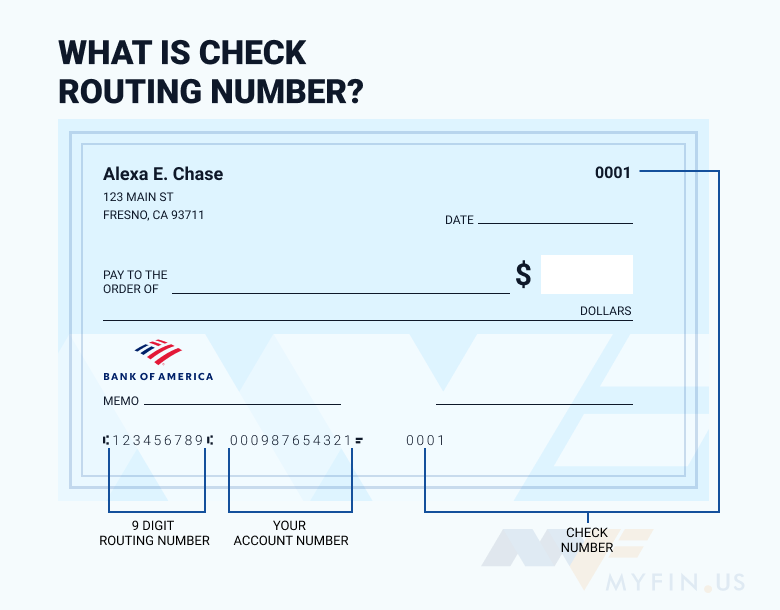
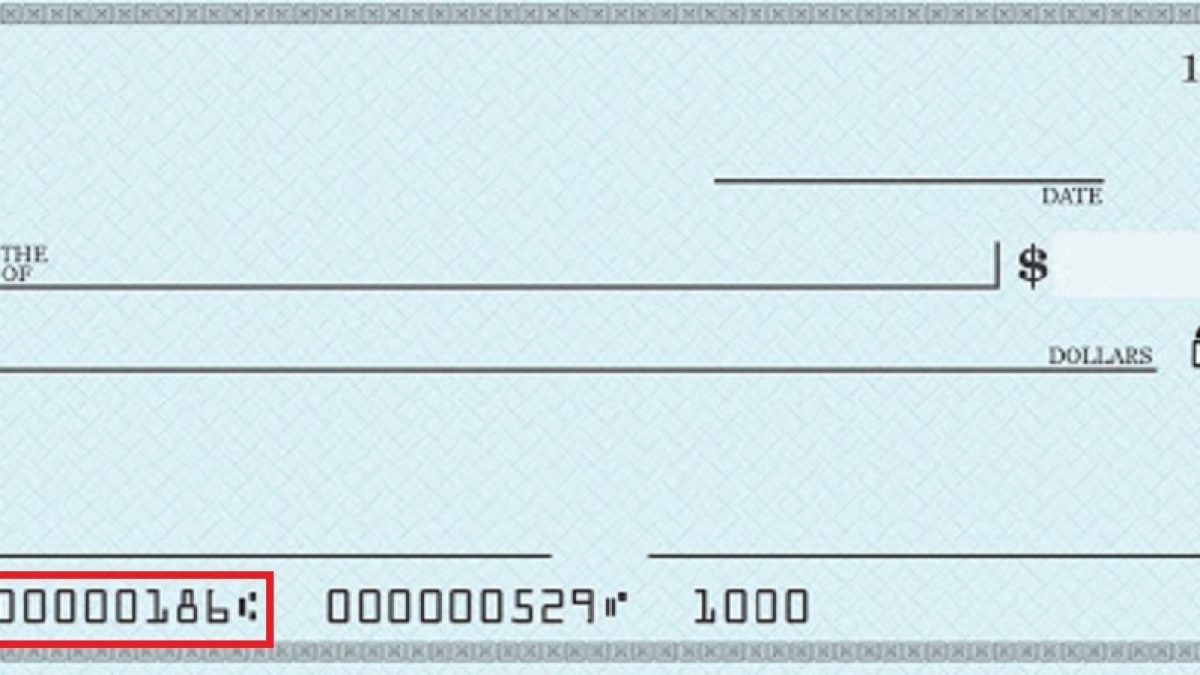
If you have a Bank of America checking account and use physical checks, your account number is printed directly on them.
-
Location: Look at the bottom of a check. You’ll typically find three sets of numbers. From left to right, these are usually:
-
The 9-digit routing number.
-
Your 10-12 digit account number.
-
The individual check number.
-
-
Security: Your account number is openly visible on your checks. This highlights the importance of keeping your checkbook secure and shredding old or voided checks to prevent unauthorized access to your financial information.
Reviewing Bank Statements Mailed to You
For those who still receive paper statements, your account number is always present.
-
Where to Look: Your full account number will be clearly printed on the top section of your monthly or quarterly statement, usually near your name and mailing address.
-
Archiving: Physical statements are a robust record of your account activity and details. Keep them in a secure place or shred them properly when no longer needed.
Calling Bank of America Customer Service
If you’re unable to find your account number through digital platforms or physical documents, or if you prefer speaking to a representative, contacting Bank of America customer service is a viable option.
-
Preparation: Before calling, have some personal information ready to verify your identity. This typically includes your full name, address, date of birth, Social Security Number, and possibly answers to security questions.
-
Contact Information: You can find the customer service number on the back of your debit card, on the Bank of America website, or on your bank statements.
-
Verification: Be prepared for a thorough verification process. This is for your security to ensure only authorized individuals can access your account information.
-
Assistance: Once verified, the representative will be able to provide your account number verbally or guide you on how to access it.
Visiting a Bank of America Branch
For in-person assistance, visiting a local Bank of America branch is an effective way to retrieve your account number.
-
Required Identification: Bring a valid government-issued photo ID (e.g., driver’s license, passport) with you. This is crucial for identity verification.
-
Speak with a Teller or Personal Banker: Inform them that you need your account number. They will ask for your ID and may ask additional security questions to verify your identity before providing the information.
-
Convenience and Security: This method offers direct human assistance and is particularly useful if you have complex questions or prefer face-to-face interaction. It also provides a high level of security as you are speaking with an authorized bank employee in a secure environment.
Safeguarding Your Account Information
Finding your Bank of America account number is one step; safeguarding it is another critical aspect of responsible financial management. Because this number is a key to your financial identity, protecting it from unauthorized access is paramount.
Best Practices for Security
-
Strong, Unique Passwords: Use complex passwords for your online banking and mobile app, combining letters, numbers, and symbols. Avoid using the same password across multiple sites.
-
Multi-Factor Authentication (MFA): Enable MFA whenever possible. This adds an extra layer of security, often requiring a code sent to your phone in addition to your password.
-
Beware of Phishing Scams: Be vigilant against emails, texts, or calls requesting your account number or other sensitive information. Bank of America will never ask for your full account number via unsecured email or text message. Always verify the sender before responding.
-
Secure Wi-Fi: Avoid accessing your banking apps or websites on public, unsecured Wi-Fi networks, as they can be vulnerable to eavesdropping. Use a private, trusted network or your mobile data.
-
Monitor Accounts Regularly: Periodically review your transaction history and account balances for any suspicious activity.
-
Shred Documents: Properly shred any physical documents containing your account number (e.g., old statements, voided checks) before discarding them.
When to Be Cautious About Sharing
While your account number is necessary for legitimate financial operations, exercise caution about who you share it with. Only provide it to trusted entities such as:
-
Your employer for direct deposit.
-
Government agencies for tax refunds or benefits.
-
Reputable financial institutions for linking accounts or processing payments.
-
Verified billers for automatic payments.
Be wary of unsolicited requests for your account number, especially if they come with a sense of urgency or threats.
What to Do If Your Information Is Compromised
If you suspect your Bank of America account number or other financial information has been compromised:
-
Contact Bank of America Immediately: Report the potential fraud to Bank of America’s fraud department. They can guide you on the next steps, which may include closing the compromised account and opening a new one.
-
Change Passwords: Update your online banking password and any other passwords that might be linked to your financial accounts.
-
Monitor Your Credit Report: Regularly check your credit report for any unauthorized accounts or inquiries. You can obtain a free credit report annually from each of the three major credit bureaus (Equifax, Experian, TransUnion).
-
File a Police Report: In cases of severe identity theft, filing a police report may be necessary.
Practical Applications: When You Need Your Account Number
Understanding when and why your account number is needed reinforces its importance in managing your personal finances effectively.
Setting Up Direct Deposit
Perhaps the most common use for your account number is setting up direct deposit for your payroll, social security benefits, or tax refunds. Your employer or the relevant agency will provide a form requiring both your Bank of America routing number and your specific account number to ensure funds are deposited correctly into your account. This is a secure and efficient way to receive funds, eliminating the need for physical checks.
Initiating Wire Transfers (Incoming and Outgoing)
Wire transfers are used for sending larger sums of money quickly, often internationally or between different financial institutions. Both the sender and receiver typically require the full account number, along with the correct routing number (or SWIFT/BIC code for international transfers), the account holder’s full name, and address. Accuracy is crucial here, as incorrect information can lead to significant delays or misdirected funds that are difficult to recover.
Linking External Accounts
Many individuals manage their finances across multiple institutions—perhaps a Bank of America checking account, an investment account with a brokerage, or a savings account with a credit union. To transfer funds between these accounts, you’ll often need to link them, which involves providing your Bank of America account number and routing number to the external institution for verification. This process streamlines transfers and provides a consolidated view of your financial landscape. Budgeting apps also frequently use these numbers to securely connect and track your spending.

Automatic Bill Payments
While many billers allow you to pay using your debit card, some offer the option to set up automatic payments directly from your bank account using your account and routing numbers. This can be beneficial for managing recurring expenses like rent, mortgage payments, utility bills, or loan repayments, as it helps avoid late fees and ensures payments are made consistently. Always ensure you are setting up payments with legitimate and trusted billers.
By understanding these various methods and applications, you are better equipped to manage your Bank of America account information responsibly and securely, empowering you to navigate your financial life with confidence.
aViewFromTheCave is a participant in the Amazon Services LLC Associates Program, an affiliate advertising program designed to provide a means for sites to earn advertising fees by advertising and linking to Amazon.com. Amazon, the Amazon logo, AmazonSupply, and the AmazonSupply logo are trademarks of Amazon.com, Inc. or its affiliates. As an Amazon Associate we earn affiliate commissions from qualifying purchases.