
Navigating the landscape of personal finance often involves making decisions about existing accounts. Whether you’re consolidating your finances, seeking better interest rates elsewhere, or simply streamlining your banking relationships, closing a savings account is a common, yet often misunderstood, process. For Wells Fargo account holders, understanding the specific steps and considerations is paramount to a smooth and hassle-free closure. This comprehensive guide will walk you through everything you need to know, ensuring you approach the task with confidence and clarity, safeguarding your financial well-being throughout.
Understanding Your Reasons for Account Closure
Before embarking on the process of closing your Wells Fargo savings account, it’s beneficial to pause and reflect on your motivations. A clear understanding of why you’re closing the account can inform your decision-making and ensure it aligns with your broader financial objectives.
Evaluating Your Financial Needs
Your financial needs evolve over time, and what once served you perfectly may no longer be the best fit. Perhaps you’ve changed jobs, moved to a new city, or simply decided to simplify your banking relationships. It could be that the interest rates offered by your current savings account no longer meet your expectations, or perhaps another institution provides features better suited to your long-term goals. For instance, if you’re building a substantial emergency fund, you might prioritize a high-yield savings account over a traditional one. Similarly, if you’re looking to minimize the number of financial institutions you deal with, consolidating accounts can be a strategic move. Identifying these evolving needs helps confirm that closing the account is indeed the right step for your current financial situation.
Common Scenarios for Closing an Account
There are numerous reasons why an individual might choose to close a savings account. One prevalent scenario is to avoid monthly maintenance fees. Many traditional savings accounts have minimum balance requirements or specific activity criteria (like linking a checking account or setting up direct deposit) to waive these fees. If you can no longer meet these requirements, closing the account might prevent unnecessary charges. Another common reason is consolidation. As people accumulate various accounts over time, they may decide to consolidate them into fewer, more manageable accounts to simplify their financial tracking and reduce administrative overhead.
Furthermore, individuals often close accounts when switching banks to take advantage of better rates, more convenient branch locations, or improved digital banking features elsewhere. It’s also common for people to close accounts that were opened for specific, temporary purposes – perhaps a joint account with a roommate who has since moved out, or a savings account set up for a specific short-term goal that has now been achieved. Less commonly, an account might be closed due to dissatisfaction with customer service or a desire to move funds to an institution with a different ethical or investment profile. Regardless of the specific impetus, ensuring your reasons are well-founded provides a solid basis for proceeding.
Essential Preparations Before Initiating Closure
Closing a savings account isn’t as simple as just hitting a “delete” button. There are crucial preparatory steps that must be taken to ensure a smooth transition, prevent financial complications, and avoid potential fees. Skipping these steps can lead to inconveniences, delays, or even financial loss.
Consolidating and Transferring Funds
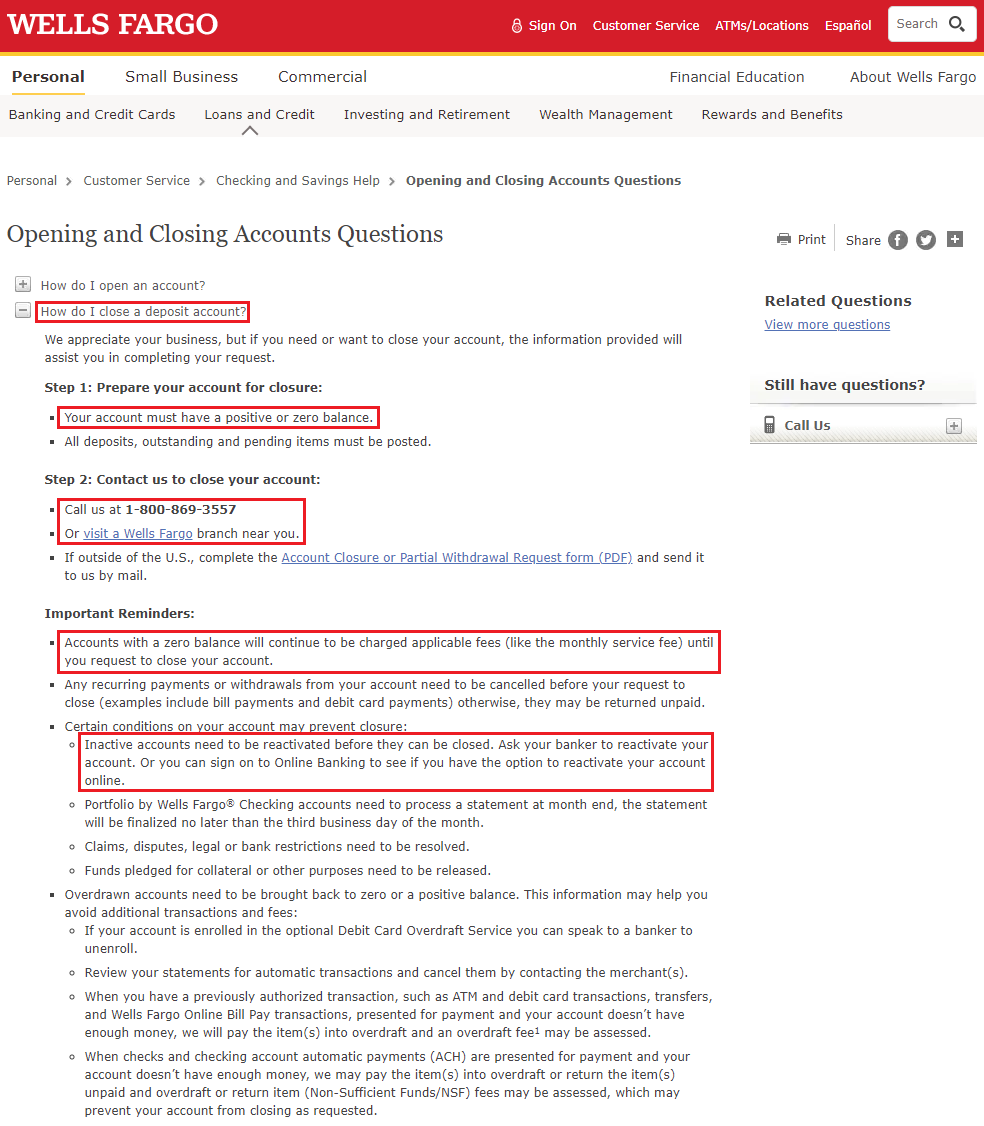
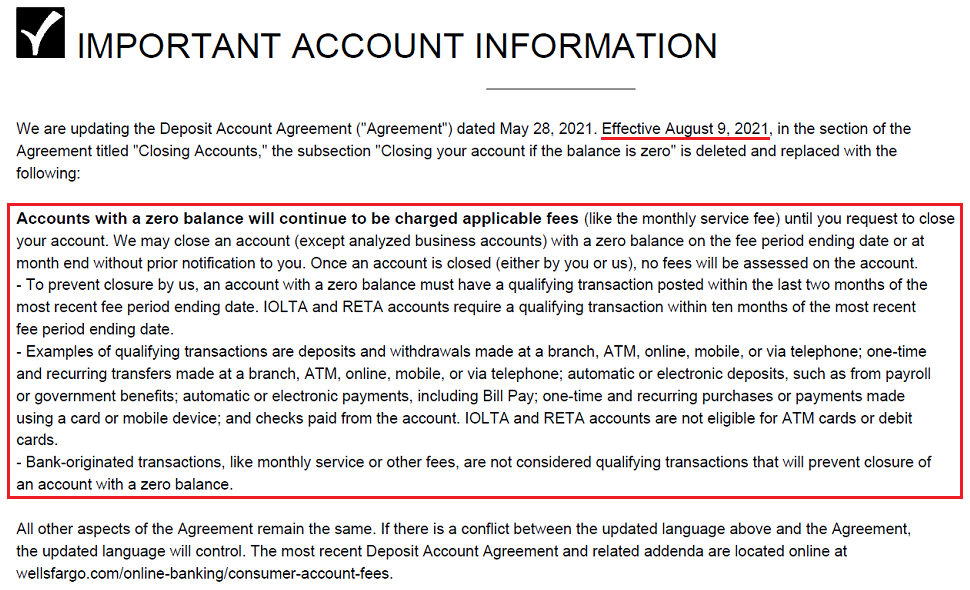
The most critical step is to deal with the funds currently held in your Wells Fargo savings account. You cannot close an account with a positive balance; the money must be moved out. Decide where you want these funds to go. Options include transferring them to another Wells Fargo account (like a checking account), an external bank account, or withdrawing them as cash. For larger sums, an electronic transfer (ACH) to another bank or a wire transfer might be appropriate. If you prefer cash, be aware of daily withdrawal limits and the security implications of carrying large amounts. Always ensure the receiving account is fully functional and capable of handling the incoming funds. It’s wise to keep a small amount, perhaps $50-$100, in the account until the final confirmation of closure to cover any unexpected small transactions or fees that might surface, although ideally, you’d aim for a zero balance before the final step.
Updating Linked Payments and Direct Deposits
Modern banking often involves a web of interconnected accounts. Before closing your savings account, you must identify and update any services linked to it. This includes direct deposits (e.g., salary, government benefits, investment dividends) and automatic withdrawals (e.g., utility bills, loan payments, subscriptions, insurance premiums). Failure to update these can result in missed payments, late fees, or interruption of income. Contact each organization individually and provide them with the new account details. It’s advisable to do this several weeks in advance to allow processing time and to verify that the changes have taken effect before proceeding with the closure. Reviewing a few months of bank statements can help you identify all linked services.
Reviewing Account Activity and Pending Transactions
A common pitfall is attempting to close an account that still has pending transactions. These could include checks that haven’t cleared, debit card purchases that are still processing, or recent deposits. An account cannot be closed while transactions are in flux. Allow ample time for all outstanding transactions to clear. Furthermore, thoroughly review your recent statements for any unusual or unauthorized activity. It’s best to address any discrepancies or disputes while the account is still open and accessible, as resolving them after closure can be significantly more complicated. Ensure that any outstanding fees or charges that might be levied (e.g., annual fees, dormant account fees) are cleared or accounted for before you initiate the closure request.
Archiving Important Statements and Records
Once an account is closed, accessing past statements can become more difficult, and sometimes incurs a fee. Before closing, download or request paper copies of all statements for tax purposes, personal record-keeping, or potential future disputes. Most banks allow you to access several years of statements through their online banking portal. It’s generally recommended to keep financial records for at least seven years, so ensure your digital or physical archive is complete for your Wells Fargo savings account before it becomes inaccessible. This step is crucial for maintaining a comprehensive financial history and for tax compliance.
Step-by-Step Methods to Close Your Wells Fargo Savings Account
Wells Fargo, like most major banks, offers several avenues for closing an account. Understanding these methods and their nuances will help you choose the most convenient and effective approach for your situation.
In-Person Account Closure at a Wells Fargo Branch
For many, closing an account in person is the most straightforward and reassuring method. You can walk into any Wells Fargo branch and speak directly with a banker. This allows for immediate clarification of any questions, handling of final transactions (like withdrawing a remaining balance or transferring it), and obtaining immediate confirmation of the closure request.
Process:
-
Locate Your Nearest Branch: Use the Wells Fargo website or app to find a convenient branch.
-
Gather Required Documents: Bring a valid government-issued photo ID (driver’s license, passport, state ID) and your Wells Fargo debit card or account number. If it’s a joint account, all account holders may need to be present and provide ID, or one may need notarized consent from the others.
-
Speak with a Banker: Inform them of your intent to close your savings account.
-
Confirm Details: The banker will review your account, confirm the balance (and assist with transferring it out), and verify your identity.
-
Sign Necessary Paperwork: You will likely need to sign a form acknowledging the closure request.
-
Obtain Confirmation: Request a written confirmation or a printed statement showing a zero balance and account closure.
Closing Your Account Over the Phone
Closing your account by phone offers convenience, particularly if a branch isn’t easily accessible. Wells Fargo’s customer service representatives are generally equipped to handle account closures.
Process:
-
Call Customer Service: Dial Wells Fargo’s customer service number (usually found on your bank statement, debit card, or their website).
-
Navigate Prompts: Be prepared to navigate an automated system to reach the correct department for account inquiries or closures.
-
Verify Identity: The representative will ask a series of security questions to verify your identity (e.g., full name, address, date of birth, account number, Social Security number).
-
State Your Intent: Clearly communicate that you wish to close your savings account.
-
Address Funds Transfer: Discuss how to transfer any remaining balance out of the account. This might involve an electronic transfer to another account you have on file, or they might send a check.
-
Request Confirmation: Ask for a confirmation number or for a written confirmation to be mailed to you once the closure is complete.
-
Follow Up: It’s a good idea to follow up in a week or two to ensure the closure has been processed.

The Option of Closing by Mail (and its limitations)
While less common and generally less recommended due to potential delays and security concerns, some banks allow account closures by mail. This method is usually reserved for specific circumstances or if other options are truly unavailable.
Process:
-
Write a Formal Letter: Clearly state your request to close the savings account, including your full name, address, contact information, and the full account number.
-
Zero Out the Balance: Ensure the account balance is zero or specify instructions for sending any remaining funds (e.g., “please mail a cashier’s check for the remaining balance to the address on file”).
-
Include Identification: Attach a legible photocopy of your government-issued ID. Some banks may require notarization of your signature or ID.
-
Mail to the Correct Department: Send the letter to the appropriate Wells Fargo department, typically the “Account Services” or “Customer Service” department, found on their website or by calling customer service. Use certified mail with a return receipt requested to ensure proof of delivery.
-
Monitor and Follow Up: This method can take several weeks. Monitor your mail for any communication from Wells Fargo and call customer service if you haven’t received confirmation within a reasonable timeframe.
Limitations: The main drawbacks include the time delay, the lack of immediate confirmation, and the potential for mail to get lost. It’s also less secure as you’re mailing personal information.
Online/Mobile App Closure (Clarifying Wells Fargo’s Policy)
In today’s digital age, many customers expect to manage all aspects of their banking online. However, while Wells Fargo’s online and mobile platforms are excellent for day-to-day banking, closing a savings account typically cannot be done entirely through the Wells Fargo online banking portal or mobile app. Banks usually require a more secure and verified process for account closures to prevent fraud and ensure all necessary steps (like identity verification and final balance transfers) are properly handled. You may be able to initiate a query or find contact information, but the final closure usually requires a phone call, an in-person visit, or potentially mail. Always consult Wells Fargo’s official channels for the most current policy.
Navigating the Post-Closure Landscape
Once you’ve submitted your request to close your Wells Fargo savings account, the process isn’t entirely over. There are a few final steps and considerations to ensure the closure is successful and doesn’t leave any lingering issues.
Confirming Successful Account Closure
This is a critical step. Do not assume the account is closed simply because you’ve submitted a request. It can take a few business days, or even a couple of weeks, for the process to be fully completed.
Methods of Confirmation:
-
Check Online Banking: After a week or two, attempt to log in and see if the account still appears. If it does, it might still be active or in a pending closure state. If it’s gone, that’s a good sign.
-
Call Customer Service: The most reliable way is to call Wells Fargo customer service and explicitly ask for confirmation that the account number in question has been officially closed. Ask for a final confirmation number.
-
Look for a Final Statement: Wells Fargo should mail you a final statement or a confirmation letter indicating the account is closed and shows a zero balance.
Retain any confirmation numbers or letters for your records. This provides proof that you initiated and completed the closure process.
Understanding Final Statements and Potential Fees
Even after closure, you might receive a final statement covering the period up to the closure date. Review this statement carefully to ensure there are no unexpected charges or lingering transactions. Sometimes, a small amount may remain that wasn’t fully transferred, or a final fee could be assessed. If this occurs, Wells Fargo typically mails a check for small remaining balances, or if there’s a negative balance, they will inform you how to settle it. Be vigilant about any unfamiliar fees; dispute them if they seem incorrect. Dormant account fees, for instance, are sometimes charged if an account has been inactive for an extended period before closure.
Implications for Your Financial Profile
Closing a savings account generally has no direct impact on your credit score. Savings accounts are not credit accounts (like credit cards or loans) and are not reported to credit bureaus. Therefore, closing one will not appear on your credit report or affect your creditworthiness.
However, consider the broader implications. If this savings account was part of a larger relationship with Wells Fargo that provided you with fee waivers on other accounts (like a checking account), closing the savings account could trigger new fees on those linked accounts. Always ask the representative if closing the savings account will impact any other Wells Fargo accounts you hold. Additionally, if the account held a significant portion of your emergency fund, ensure those funds are safely transferred to another easily accessible and liquid account to maintain your financial security.
Important Considerations and Alternatives
Before making the final decision to close your Wells Fargo savings account, it’s prudent to consider specific account types and explore potential alternatives that might better serve your financial goals.
Joint Accounts and Specific Account Types
Closing a joint savings account requires the consent and often the signature of all account holders. Wells Fargo will typically not allow one account holder to close a joint account without the explicit authorization of the others. This is a crucial safeguard to prevent unauthorized activity. If you are a joint account holder, ensure you communicate with the other party (or parties) and obtain their agreement and cooperation for the closure. This often means all account holders must be present for an in-person closure or provide signed, notarized consent for other methods.
Specific types of savings accounts, such as custodial accounts (e.g., UTMA/UGMA) or trust accounts, have unique legal structures and require specific procedures for closure. These accounts cannot be closed with a simple phone call or in-person visit unless all legal requirements and documentation are met. Consult with a Wells Fargo representative who specializes in these account types or speak with a legal professional to ensure proper closure, as mishandling could have legal or tax implications.
When to Consider Alternatives to Closure
Closing an account isn’t always the best solution. Sometimes, an alternative approach can better address your concerns without severing ties entirely.
-
Downgrading or Changing Account Type: If you’re looking to avoid fees or simplify, Wells Fargo may offer other savings products with different fee structures or minimum balance requirements. You might be able to convert your current account to a simpler, no-frills option, or even link it to another Wells Fargo account to waive fees.
-
Reducing Balance: If the primary concern is having too much money in one place or not earning enough interest, simply transferring a portion of your funds to a higher-yield savings account elsewhere might be sufficient, allowing you to keep a minimal balance in the Wells Fargo account for convenience or to avoid closure.
-
Seeking Better Rates Elsewhere: If your goal is to earn more, consider opening a high-yield savings account with an online bank. These often offer significantly better interest rates than traditional brick-and-mortar banks due to lower overheads. You can then transfer funds to this new account while maintaining your Wells Fargo account for transactional purposes if desired.
Seeking Professional Financial Guidance
For complex financial situations, such as managing multiple accounts across different institutions, substantial investment portfolios, or significant life changes (e.g., retirement, estate planning), it’s always advisable to consult with a financial advisor. A professional can provide personalized insights into whether closing an account aligns with your overall financial strategy, identify potential tax implications, and help you structure your banking relationships for optimal benefit. While closing a simple savings account might not always necessitate professional advice, understanding its place within your broader financial ecosystem is always a smart move.
By diligently following these steps and considering all implications, you can ensure a smooth, secure, and financially sound closure of your Wells Fargo savings account, setting the stage for more optimized financial management moving forward.
aViewFromTheCave is a participant in the Amazon Services LLC Associates Program, an affiliate advertising program designed to provide a means for sites to earn advertising fees by advertising and linking to Amazon.com. Amazon, the Amazon logo, AmazonSupply, and the AmazonSupply logo are trademarks of Amazon.com, Inc. or its affiliates. As an Amazon Associate we earn affiliate commissions from qualifying purchases.