
Relocating to a new home is an exciting, albeit often chaotic, life event. Amidst the flurry of packing, unpacking, and settling in, a critical task often gets overlooked or postponed: updating your address with your bank and other financial institutions. While it might seem like a minor administrative detail, ensuring your bank has your current residential information is not merely a formality; it’s a cornerstone of sound financial management, directly impacting your security, access to funds, and adherence to regulatory requirements.
In an increasingly digital age, where financial fraud is rampant and communication vital, an outdated address can lead to a cascade of problems, from missed statements and crucial notifications to identity theft risks and disruptions in service. This guide will walk you through the indispensable reasons for making this change promptly, outline the various methods available, detail the documentation you’ll need, and offer best practices to ensure a smooth, secure transition across all your financial dealings.
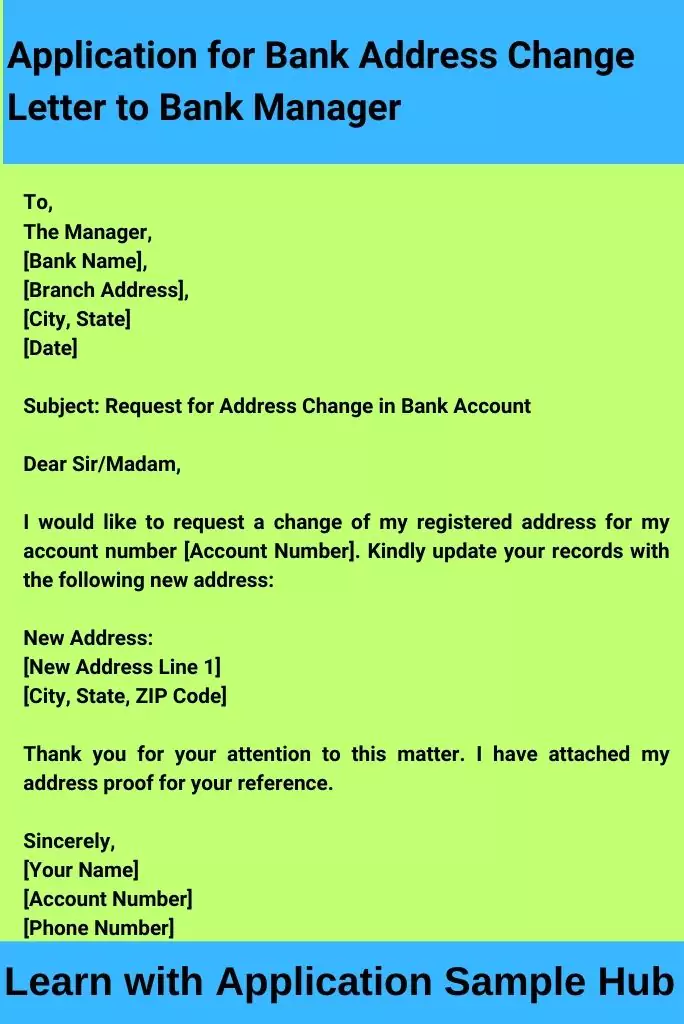
The Indispensable Reasons to Update Your Bank Address Immediately
The act of changing your address with your bank transcends simple record-keeping. It’s a proactive step in safeguarding your financial health and ensuring an uninterrupted relationship with your financial provider. Ignoring this task can expose you to a variety of risks and inconveniences that could have significant financial repercussions.
Safeguarding Your Financial Identity
One of the most critical reasons to update your address is to protect yourself from fraud and identity theft. Your bank relies on your current address for various security protocols. If a fraudster gains access to your old address, they could intercept sensitive mail, such as new debit or credit cards, account statements, or password reset notifications. This information can then be used to gain unauthorized access to your accounts or open new fraudulent accounts in your name.
Furthermore, banks often use address verification services (AVS) for online and phone transactions. An outdated address could flag legitimate purchases as suspicious, leading to temporary holds or even account suspensions. By ensuring your address is current, you fortify a key layer of defense against sophisticated financial crimes, allowing your bank’s security systems to work effectively in protecting your assets.
Ensuring Uninterrupted Communication and Access
Banks regularly send out vital communications that require your attention. These include monthly account statements, annual tax documents (like 1099 forms), notifications about changes in terms and conditions, updates on new banking products, and alerts regarding suspicious account activity. If these documents are mailed to an old address, you could miss crucial information, leading to late payments, missed tax deadlines, or an inability to react swiftly to potential fraud.
Moreover, if your debit or credit card expires or is compromised, the replacement card will be sent to the address on file. Imagine being in urgent need of your card only to find it has been mailed to your previous residence, where you no longer have access. This can cause significant disruption to your ability to manage daily finances, especially if you rely heavily on cards for transactions or cash withdrawals. Keeping your address current ensures that all essential financial correspondence and physical cards reach you promptly and securely.
Fulfilling Regulatory Obligations
Financial institutions operate under strict Know Your Customer (KYC) and Anti-Money Laundering (AML) regulations. These regulations require banks to maintain accurate and up-to-date information about their customers, including their residential address. This information is crucial for verifying your identity, monitoring suspicious transactions, and reporting to regulatory bodies when necessary.
Failure to provide an updated address can put your bank in a difficult position regarding compliance. In some cases, if your address remains unverified for an extended period, your bank may place restrictions on your account, such as limiting transaction amounts, blocking international transfers, or even freezing your account until the information is updated. While these measures are intended to protect both the bank and its customers, they can severely impact your access to your own funds and financial services. By promptly updating your address, you help your bank fulfill its legal obligations, ensuring your accounts remain in good standing and fully operational.
Navigating the Various Avenues for Address Change
Modern banking offers several convenient methods for updating your address, catering to different preferences and situations. Understanding these options will help you choose the most efficient and secure way to notify your bank of your move. Each method has its own set of requirements and processing times, so it’s wise to be prepared.
The Digital Path: Online Banking & Mobile Apps
For many, the quickest and most convenient way to change an address is through their bank’s online banking portal or mobile app. This method allows you to initiate the change from anywhere, at any time.
Typically, you’ll log into your account, navigate to the “Profile,” “Personal Information,” or “Settings” section, and locate the option to update your address. You may be required to verify your identity through a multi-factor authentication process, such as a one-time password sent to your registered phone or email, or by answering security questions. While the process is largely automated, some banks might still require you to upload digital copies of supporting documents (e.g., a utility bill with your new address) for verification purposes. Ensure your internet connection is secure when performing such sensitive tasks.
The Personal Touch: In-Branch Visits
Visiting a local branch in person remains a reliable option, especially if you prefer face-to-face interaction or need assistance with other banking matters. This method is often recommended if you have complex account structures or multiple accounts that need updating.
When visiting a branch, you will need to present valid photo identification (such as a driver’s license or passport) and proof of your new address. Bank representatives can guide you through the necessary forms and procedures, ensuring all details are captured correctly. The advantage here is the immediate clarification of any doubts and the assurance that your request is being processed directly by a bank employee. It also often allows for instant verification, potentially speeding up the overall process.
The Traditional Route: Mail-In Requests
While less common due to the rise of digital banking, some individuals might still prefer or be required to submit address change requests via mail. This method is particularly relevant if you do not have access to online banking, live far from a branch, or if your bank specifically mandates a written request for certain account types.
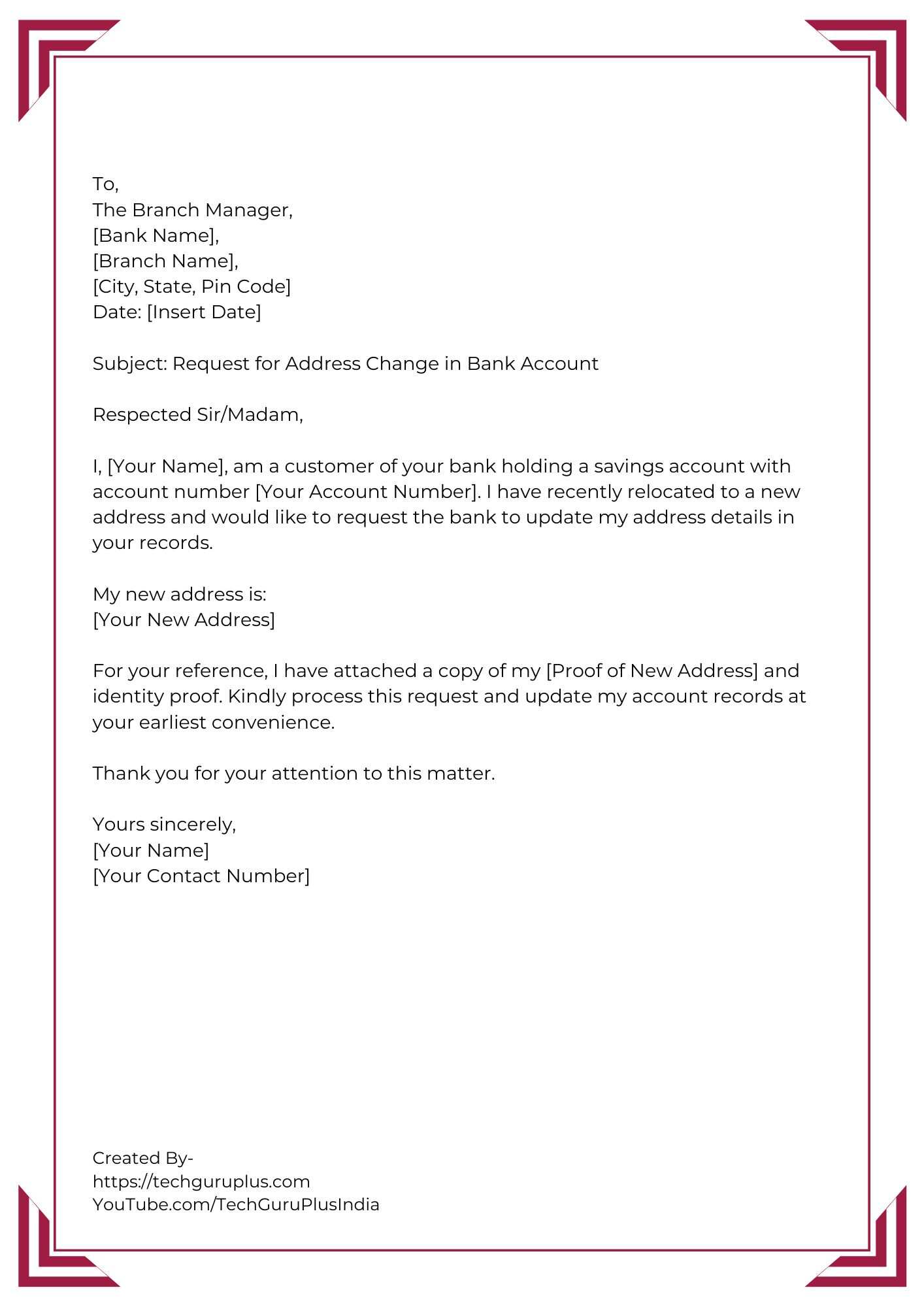
Banks usually provide a specific form for address changes, which you can often download from their website or request by phone. You’ll need to fill out this form, sign it, and typically enclose copies of your identification and proof of new address. For added security and proof of submission, it’s highly advisable to send such documents via certified mail with a return receipt requested. This provides a legal record that your request was sent and received by the bank.
The Direct Line: Phone Banking
Many banks offer a customer service hotline where you can request an address change. This method is convenient for those who prefer speaking directly with a representative but cannot visit a branch.
When calling, be prepared to go through a thorough identity verification process. The representative will ask you a series of security questions related to your account history, personal information, and potentially your social security number or mother’s maiden name. Some banks might allow the address change to be completed entirely over the phone, while others may require you to follow up by sending in documents, especially if your new address is in a different state or country. Always ensure you are calling the official bank number listed on their website or your statements to avoid falling victim to phishing scams.
Essential Documentation and Information Requirements
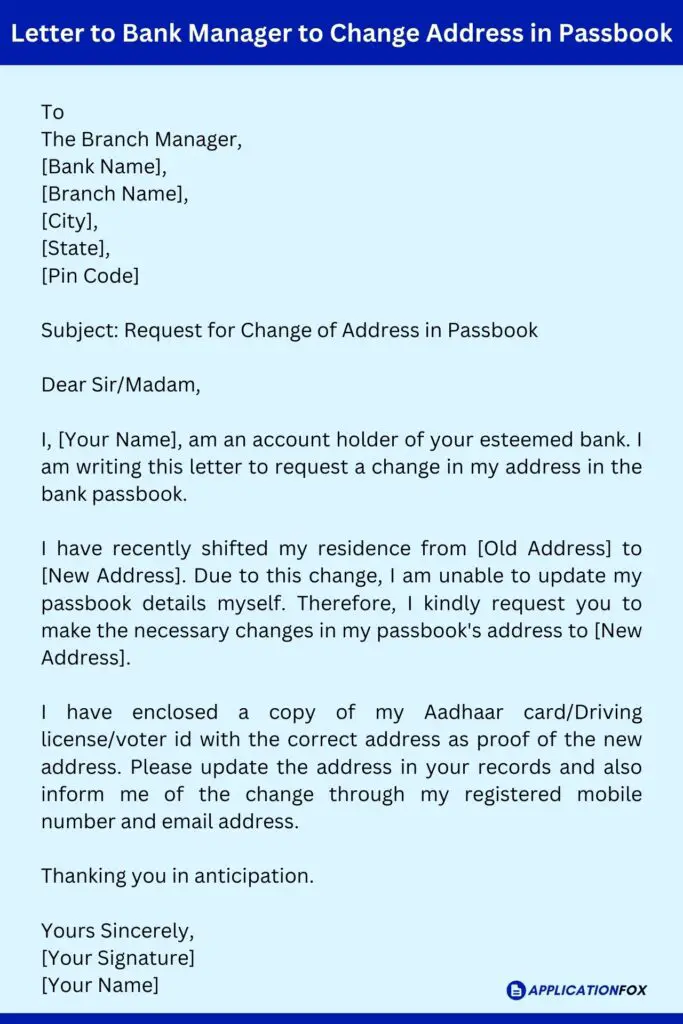
Regardless of the method you choose, banks will require specific documents and information to process your address change request securely and accurately. These requirements are in place to verify your identity and confirm your new residence, adhering to strict financial regulations designed to prevent fraud and maintain the integrity of your accounts.
Verifying Your Identity
The first and foremost requirement is proof of your identity. This is crucial for the bank to confirm that you are the legitimate account holder initiating the change. You will typically need to provide one or more forms of government-issued photo identification.
Commonly accepted documents include:
-
Driver’s License: A current, valid driver’s license or state-issued ID card.
-
Passport: A valid passport from your country of citizenship.
-
Other Government-Issued IDs: Depending on your location, this could include national ID cards, military IDs, or permanent resident cards.
Ensure that the ID you present is current and not expired. The name on your identification must match the name on your bank account exactly. In some cases, if your name has recently changed (e.g., due to marriage), you may also need to provide supporting legal documentation for the name change.
Confirming Your New Residence
Beyond identity verification, banks require proof of your new address to update their records. This helps them ensure that critical mail and communications are sent to the correct location and validates your residency for regulatory compliance.
Accepted documents for proof of address often include:
-
Utility Bills: A recent utility bill (electricity, gas, water, internet, landline phone) in your name, showing your new address. Most banks prefer bills that are no older than 30-60 days.
-
Lease Agreement or Mortgage Statement: A copy of your signed lease agreement for your new residence or a recent mortgage statement if you own the property.
-
Bank or Credit Card Statement: A recent statement from another financial institution showing your name and new address (though some banks may not accept their own statements as proof).
-
Government-Issued Mail: Official correspondence from a government agency (e.g., tax notice, social security statement, voter registration card) showing your name and new address.
-
Vehicle Registration or Insurance Policy: A current vehicle registration or auto insurance policy document with your new address.
It’s important that the name on the proof of address document matches the name on your bank account and identification. Digital copies or printouts of e-bills are often acceptable, but some banks might require original documents or certified copies for in-person verification.
Providing Account Specifics
While not strictly “documentation,” having your account details readily available will significantly expedite the process. This includes:
-
Account Numbers: Your checking, savings, loan, or credit card account numbers.
-
Debit/Credit Card Numbers: The full card number if you’re updating for a specific card, though usually just your primary account numbers suffice.
-
Personal Information: Your date of birth, social security number (SSN) or tax identification number (TIN), and your previously registered address.
Having this information at hand will allow bank staff or online systems to quickly locate and verify your accounts, ensuring that all relevant accounts are updated with your new address. It’s also a good practice to keep a record of the date you submitted the change and any confirmation numbers provided by the bank.
Beyond the Basics: Special Considerations and Best Practices
Updating your address with your bank is just one piece of the larger financial puzzle when you move. To ensure a seamless transition and maintain robust financial health, consider these additional steps and best practices. Proactive planning can prevent future headaches and protect your financial standing.
Synchronizing Across All Financial Products
Your relationship with your primary bank often extends beyond just a checking or savings account. You might have credit cards, personal loans, mortgages, investment accounts, or even small business accounts with the same institution or its affiliates. It’s crucial to ensure that your address is updated across all these products and services.
Often, changing your address for one account type (e.g., checking) does not automatically update it for all others (e.g., a separate mortgage account or an investment brokerage managed by the bank’s subsidiary). Always explicitly confirm with the bank representative or check your online portal to verify that the address change has propagated to all your linked financial products. Failure to do so could lead to missed payments, late fees, or even foreclosures if critical mortgage or loan communications are misdirected. Make a checklist of all your financial relationships and systematically go through each one.
The Timeline and Verification Process
Once you submit your address change request, it’s important to understand the typical timeline for processing and verification. While online changes might seem instantaneous, there’s often an internal review process, especially if supporting documents were required.
-
Processing Time: Most banks will process an address change within 3-7 business days, though some may be quicker or take longer depending on their internal systems and the complexity of your accounts.
-
Confirmation: Always ask for a confirmation number or an email/mail confirmation that your request has been received and processed. Keep this record.
-
Verification: After a week or two, check your online banking portal to see if the address has been updated. You might also consider making a small transaction to see if any address-related holds are triggered. If you’re expecting important mail, keep an eye out for it.
During this transition period, it might be wise to set up mail forwarding with the postal service for a few months. This acts as a safety net, catching any stray mail that might still be sent to your old address while the bank’s systems fully update.
Proactive Steps for a Smooth Transition
To make the address change process as smooth as possible, consider these proactive measures:
-
Create a Checklist: Before your move, list all your financial institutions, credit card companies, utility providers, and any other entities that send you important mail. Prioritize banks and critical financial services.
-
Gather Documents in Advance: Have all your identification and new proof of address documents ready before you initiate the change.
-
Notify Early: While you can’t change your bank address until you have proof of your new residence, plan to do so as soon as you have that documentation. Don’t wait until the last minute.
-
Update Your Contact Information: Alongside your address, ensure your bank has your most current phone number and email address. These are vital for security alerts and verification.
-
Monitor Your Accounts: For a few months after moving, closely monitor your bank statements and online activity for any irregularities. This vigilance helps catch any issues that might arise from an address discrepancy or potential fraud attempts.
What to Do If Things Go Wrong
Despite your best efforts, sometimes issues can arise. If you encounter problems with your address change:
-
Contact Customer Service: If the address isn’t updated within the expected timeframe, or if you receive mail at your old address, contact your bank’s customer service immediately. Refer to your confirmation number if you have one.
-
Escalate If Necessary: If the initial customer service representative cannot resolve the issue, ask to speak with a supervisor or manager. Clearly explain the problem and provide all relevant dates and details.
-
Document Everything: Keep a detailed log of all your communications with the bank, including dates, names of representatives you spoke with, what was discussed, and any reference numbers. This documentation will be invaluable if you need to escalate further or file a formal complaint.
-
Consider Formal Complaint: If the issue remains unresolved after reasonable attempts, you may need to file a formal complaint with the bank’s internal complaints department or, as a last resort, with relevant regulatory bodies like the Consumer Financial Protection Bureau (CFPB) in the United States.
Conclusion
Changing your address with your bank is more than a bureaucratic chore; it’s a fundamental aspect of maintaining financial security, ensuring uninterrupted access to your funds, and fulfilling your obligations as a banking client. By promptly updating your information, you actively safeguard against identity theft, guarantee the delivery of crucial financial communications, and help your bank comply with essential regulations.
Whether you prefer the convenience of online banking, the personal touch of an in-branch visit, or the traditional mail-in method, understanding the available avenues and required documentation will empower you to navigate this process smoothly. Remember to extend this vigilance to all your financial products, monitor your accounts diligently, and address any discrepancies proactively. Taking these steps ensures that as you settle into your new home, your financial life remains stable, secure, and fully aligned with your new reality.
aViewFromTheCave is a participant in the Amazon Services LLC Associates Program, an affiliate advertising program designed to provide a means for sites to earn advertising fees by advertising and linking to Amazon.com. Amazon, the Amazon logo, AmazonSupply, and the AmazonSupply logo are trademarks of Amazon.com, Inc. or its affiliates. As an Amazon Associate we earn affiliate commissions from qualifying purchases.