
In an increasingly dynamic financial landscape, individuals often find themselves needing to make adjustments to their banking arrangements. Whether driven by dissatisfaction with service, a pursuit of better interest rates, a relocation, or simply a desire to consolidate finances, closing a bank account is a common yet often misunderstood process. While it might seem as simple as emptying the account and walking away, a proper, systematic approach is crucial to avoid unforeseen complications, fees, and potential damage to your financial standing. This guide will meticulously walk you through the process, ensuring a smooth and secure transition when you decide to close a bank account.
Why Closing an Account Matters (And Why Not Just Abandon It)
The decision to close a bank account is more than just a procedural formality; it’s a critical financial step that, if mishandled, can lead to a cascade of problems. Many assume that simply letting an account run to zero balance or forgetting about it is sufficient. However, this passive approach carries significant risks that can impact your financial health for years to come.
Potential Pitfalls of Neglecting an Account
Abandoning a bank account, even one with a zero balance, can have several undesirable consequences. Firstly, many banks impose monthly maintenance fees, especially on accounts that fall below a minimum balance or have certain transaction types. If you leave an account with a small balance or even zero, these fees can quickly accumulate, pushing the account into a negative balance. This negative balance then becomes a debt you owe the bank. If left unpaid, it can lead to collection efforts, damage to your credit score, and even legal action in severe cases.
Secondly, an inactive account can become a target for identity theft. While dormant, fraudsters might attempt to gain access, making it harder for you to detect unauthorized activity if you’re not actively monitoring it. Furthermore, accounts that remain inactive for extended periods (typically 3-5 years, varying by state and institution) are eventually deemed “unclaimed property” and escheated to the state. While you can typically reclaim these funds, the process is often cumbersome and time-consuming, adding unnecessary stress and administrative burden. Overlooking these pitfalls underscores the importance of a deliberate and proper closure.
Benefits of a Proper Closure
Conversely, a properly closed account offers several distinct advantages. The most immediate benefit is the elimination of ongoing fees and the peace of mind that comes with knowing there are no hidden liabilities lurking in old accounts. It provides a clear financial break, allowing you to streamline your banking relationships and focus on accounts that genuinely serve your current needs.
Proper closure also protects your financial identity. By formally terminating the account, you reduce the surface area for potential fraud, as the bank’s records will clearly indicate the account is no longer active. From a credit perspective, closing an account responsibly, especially one you no longer use, demonstrates sound financial management. While some believe closing an old account might negatively impact credit history, the impact is generally minimal as long as you don’t have a history of late payments or negative balances associated with it. In fact, consolidating accounts can sometimes make it easier to manage your finances, leading to better overall financial health.
Essential Preparations Before You Close
Before you even think about contacting your bank, there are several crucial preparatory steps to undertake. These steps are designed to prevent disruptions to your financial life, ensure all funds are accounted for, and safeguard your transactional history. Rushing this phase is the most common reason for post-closure headaches.
Reviewing Your Account Activity
Begin by thoroughly reviewing at least the last 12-18 months of statements for the account you intend to close. This deep dive will reveal all recurring deposits, direct debits, and automatic payments linked to that account. Identify every single entity that regularly interacts with this account, from your employer for payroll to utility companies, subscription services, and loan providers. Create a comprehensive list, as this will be your checklist for updating information later. This review also helps you confirm the exact balance and identify any pending transactions that might not yet have cleared.
Transferring Funds and Setting Up New Banking
Once you have a clear picture of your account activity, the next critical step is to transfer all funds from the old account to your new, chosen bank account. This can be done via electronic transfer (ACH), wire transfer, or by writing yourself a check from the old account and depositing it into the new one. Ensure you leave a small buffer amount (e.g., $50-$100) in the old account initially. This buffer helps cover any last-minute, unexpected fees or minor outstanding transactions that might clear after you’ve initiated the bulk transfer. It’s also vital to ensure your new banking arrangements are fully established and operational before you initiate the closure of the old account. This includes having new debit cards, online banking access, and checkbooks ready.
Updating Automatic Payments and Direct Deposits
This is arguably the most critical and time-consuming preparatory step. Every recurring transaction identified during your account review needs to be redirected to your new bank account.
-
Direct Deposits: Contact your employer’s HR or payroll department to update your direct deposit information. Provide them with your new bank account and routing numbers.
-
Automatic Payments/Debits: For utility bills (electricity, water, internet), loan payments (mortgage, car, student), credit card payments, insurance premiums, and subscription services (Netflix, Spotify, gym memberships), you must proactively contact each vendor. Update your payment method with your new bank details. Do not rely on your bank to automatically transfer these; it’s your responsibility to inform each individual payee or payer. Set reminders and confirm with each entity that the change has been successfully processed to prevent missed payments and late fees.
Saving Important Records
Before closing, download or request paper copies of all statements, transaction histories, and any important documents associated with the account. Keep these records for at least seven years for tax purposes or in case you need to dispute any future financial discrepancies. Digital copies stored securely in the cloud or on an external hard drive are often more convenient and reliable than paper copies. This foresight ensures you have an irrefutable record of your banking activity even after the account is no longer accessible.
The Step-by-Step Account Closure Process
With all preparations diligently completed, you are now ready to formally engage with your bank to close the account. This process requires clear communication and adherence to the bank’s specific protocols.
Contacting Your Bank
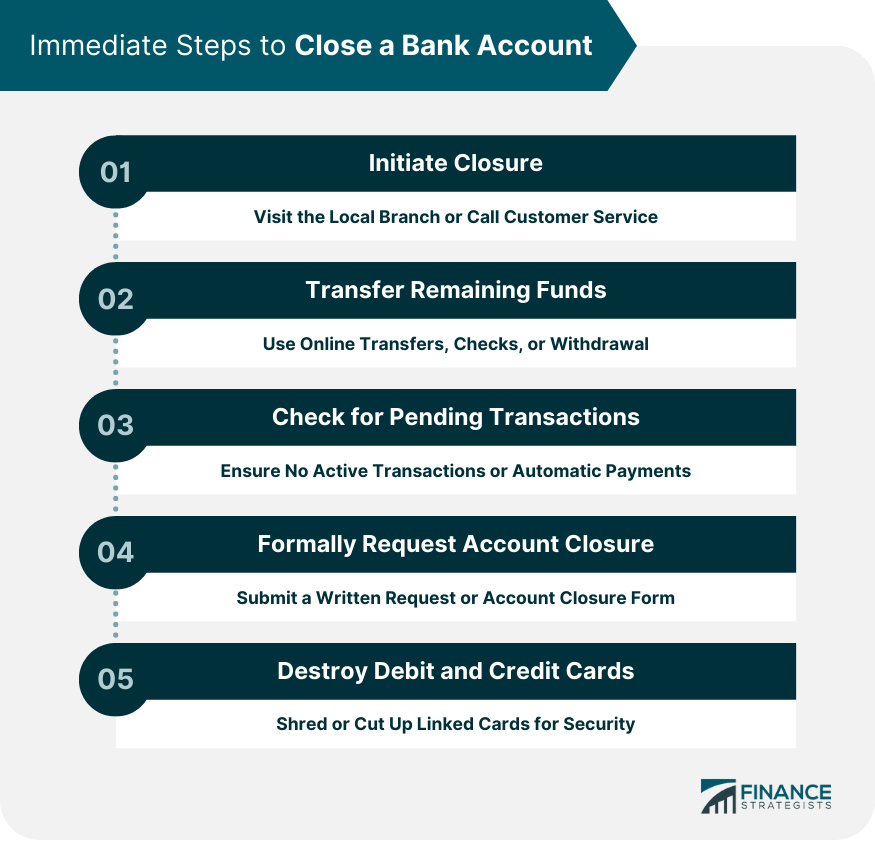
The first step is to contact your bank. Most financial institutions offer several ways to initiate an account closure:
-
In-Person: Visiting a local branch is often the most straightforward method. It allows for direct interaction with a bank representative who can guide you through the process, answer questions, and provide immediate confirmation. Bring your ID (driver’s license, passport) and any relevant account information.
-
By Phone: Many banks allow closures over the phone, especially for simple accounts. Be prepared to verify your identity thoroughly (account number, social security number, answers to security questions).
-
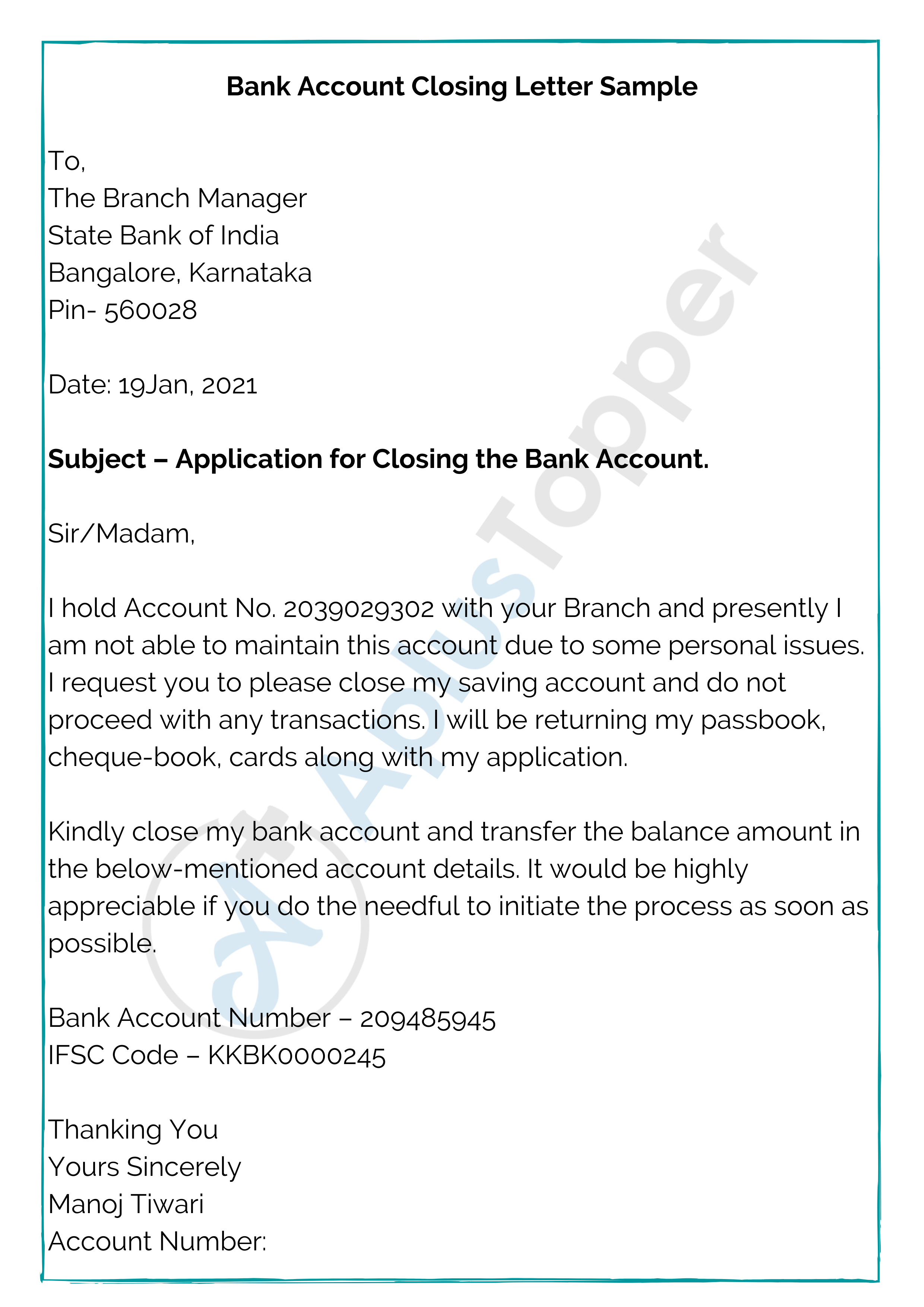
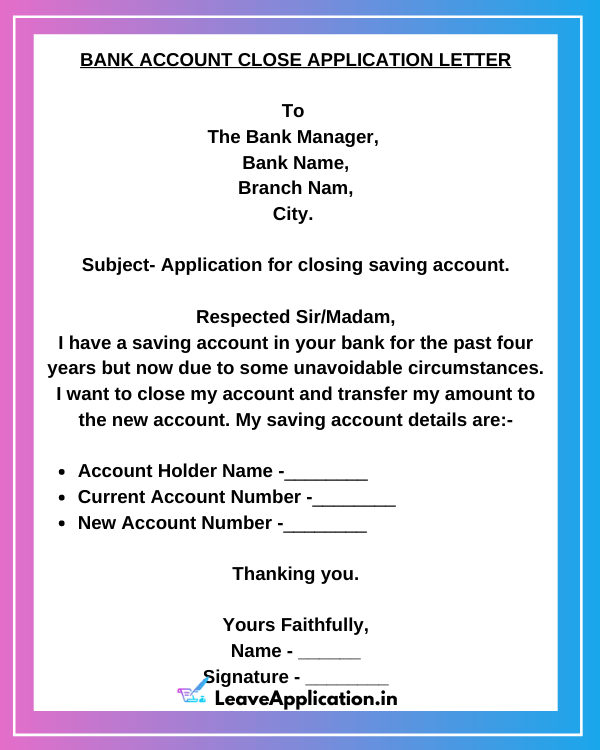
By Mail: Some banks, particularly smaller ones or for specific account types, may require a written request. This letter should include your account number, a clear statement of your intent to close the account, and your signature. It’s advisable to send such letters via certified mail with a return receipt requested for proof of delivery.
-
Online: While some advanced online banks might offer an online closure option, it’s less common for traditional banks due to security concerns and the need for identity verification.
Regardless of the method, clearly state your intention to close the specific account.
Required Documentation
When closing an account, the bank will typically require proof of identity. This usually means a government-issued photo ID (driver’s license, passport). If you’re closing a joint account, all account holders may need to be present or provide written consent and identification, depending on the bank’s policy. Have your account number readily available and be prepared to answer security questions to verify your ownership of the account.
Verifying Account Balance and Fees
Before the final closure, the bank representative will confirm the current balance of your account. This is the time to ensure that any remaining funds (the buffer you left) are disbursed to you. You can typically request a cashier’s check, a wire transfer to your new account, or sometimes even a direct cash withdrawal if the amount is small and within branch limits. Crucially, inquire about any potential closure fees. While many banks have phased these out, some might still charge a fee, especially if the account is closed shortly after opening. Also, confirm that all pending transactions have cleared and that there are no outstanding liabilities before the account is formally shut down.
Receiving Confirmation
Do not leave the interaction without a written confirmation of account closure. This could be a letter, an email, or a printout from the bank’s system, explicitly stating that the account has been closed and the date of closure. This document is your vital proof that you no longer have financial obligations or connections to that specific account. Without it, you lack tangible evidence if any future disputes arise.
Common Challenges and What to Do
Even with meticulous planning, you might encounter specific challenges during the account closure process. Knowing how to address these can prevent significant delays and stress.
Negative Balances or Outstanding Debts
If your account has a negative balance due to accumulated fees, uncleared checks, or overdrafts, the bank will require you to clear this debt before proceeding with the closure. You will need to deposit funds to cover the negative balance. If you cannot do so immediately, discuss payment arrangements with the bank. Ignoring a negative balance can lead to collections, damage your credit score, and make it difficult to open accounts with other financial institutions in the future.
Joint Accounts
Closing a joint account requires the consent and often the presence of all account holders. Banks have strict policies to protect all parties involved. If one account holder is unavailable, they might need to provide a notarized letter of consent or sign specific bank forms. Ensure all account holders are on board with the decision and understand the implications, especially regarding the disbursement of remaining funds.
Lost or Unavailable Records
While you should ideally have saved all records, sometimes documents go missing. If you cannot find your account number or old statements, the bank can typically retrieve this information using your personal identification details (name, date of birth, SSN). However, this might take longer and require more stringent identity verification. Be patient and cooperate with the bank’s security protocols.
Dealing with Unresponsive Banks
In rare cases, you might encounter difficulties with an unresponsive or uncooperative bank. If your requests for closure are ignored or you face undue delays, escalate the issue. First, request to speak with a branch manager or a supervisor. If that doesn’t resolve the issue, you can file a complaint with regulatory bodies such as the Consumer Financial Protection Bureau (CFPB) in the United States. Document all communications, including dates, times, names of representatives, and summaries of conversations, as this evidence will be crucial for any formal complaint.
Post-Closure Best Practices
The process isn’t truly complete the moment you receive your confirmation. A few post-closure best practices can help secure your financial future and provide additional peace of mind.
Monitoring Your Credit Report
Regularly monitor your credit report for several months after closing the account. This allows you to verify that the closed account isn’t erroneously reported as active or, worse, showing any negative activity that isn’t yours. You can access your free annual credit report from each of the three major credit bureaus (Equifax, Experian, TransUnion) at AnnualCreditReport.com. Any discrepancies should be disputed immediately with both the credit bureau and the bank.
Securely Disposing of Old Cards and Checks
Once the account is definitively closed, securely dispose of any associated debit cards, ATM cards, and unused checks. Do not simply throw them in the trash. Shred cards thoroughly, cutting through the magnetic strip and chip. Shred checks into small, unreadable pieces to prevent any potential fraud. Even though the account is closed, the information on these items could potentially be used for identity theft if not properly destroyed.
Keeping Closure Records
Store the written confirmation of account closure, along with any relevant communication, indefinitely in your financial records. This document serves as definitive proof that you fulfilled your obligations and that the bank formally closed the account on a specific date. Should any questions or disputes arise years down the line, this record will be invaluable.
Closing a bank account might seem like a minor administrative task, but it is a financial action that demands attention to detail and a systematic approach. By understanding the risks of abandonment, meticulously preparing, following the correct procedural steps, addressing potential challenges, and implementing post-closure best practices, you can ensure a seamless transition and maintain a robust, organized financial life. Taking the time to do it right today will save you countless headaches tomorrow.
aViewFromTheCave is a participant in the Amazon Services LLC Associates Program, an affiliate advertising program designed to provide a means for sites to earn advertising fees by advertising and linking to Amazon.com. Amazon, the Amazon logo, AmazonSupply, and the AmazonSupply logo are trademarks of Amazon.com, Inc. or its affiliates. As an Amazon Associate we earn affiliate commissions from qualifying purchases.