
The question “what time banks close today” might seem straightforward, yet its implications in the modern financial landscape are anything but simple. Far from the uniform 3 PM closing times of yesteryear, today’s banking hours are a complex tapestry woven with technological advancements, regional variations, specialized services, and an ever-evolving customer expectation for instant access. Understanding these nuances is crucial for effective personal and business finance management, ensuring you can deposit funds, process payments, or access essential services precisely when needed. This article delves into the intricacies of contemporary banking hours, exploring how physical branch schedules integrate with 24/7 digital platforms and offering insights into how you can optimally navigate the financial ecosystem.
The Evolving Landscape of Bank Operating Hours
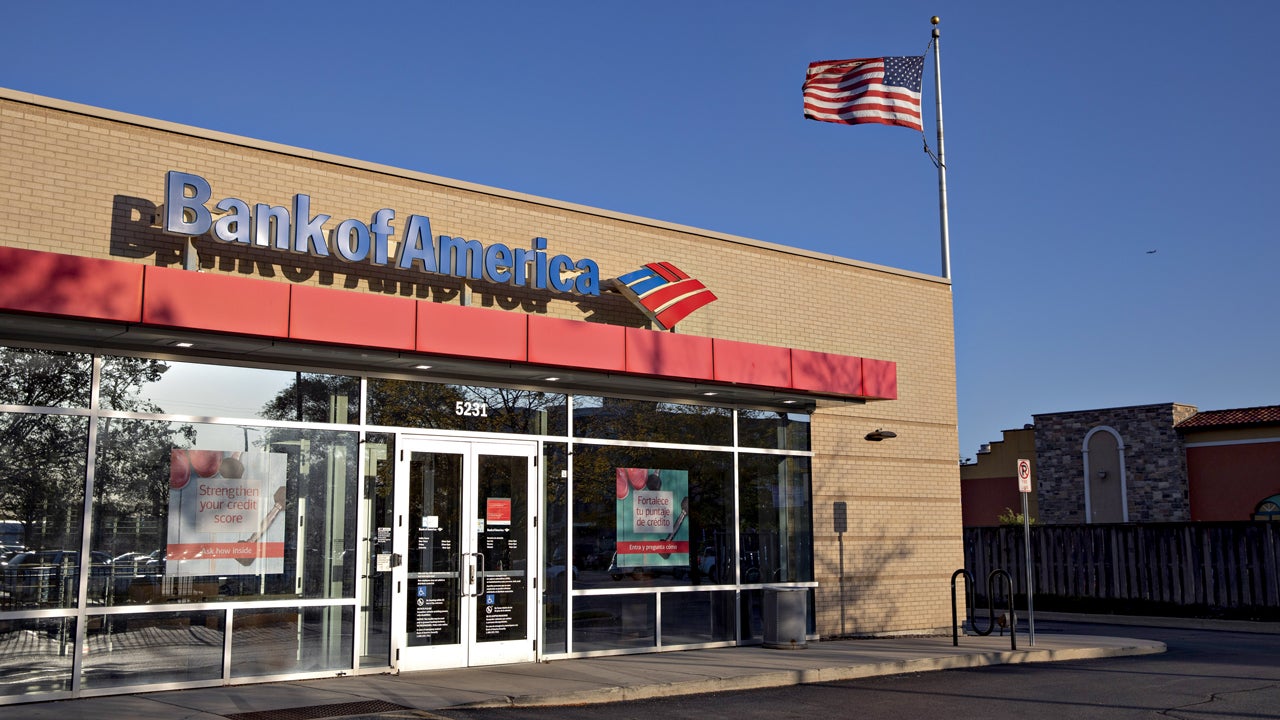
The traditional image of banking, characterized by marble lobbies and strict daytime hours, has given way to a hybrid model where physical presence complements an omnipresent digital infrastructure. While brick-and-mortar branches remain vital for certain transactions and personalized advice, their operating hours are no longer the sole determinant of when you can conduct financial business.
Standard vs. Regional and Branch Variations
Even within the same banking institution, closing times can vary significantly. Large national banks often operate with standardized weekday hours, typically from 9 AM to 5 PM, but these can extend or shrink based on location. Branches in bustling urban centers might offer longer weekday hours and even Saturday service to cater to working professionals, while those in smaller towns might adhere to more conservative schedules. Furthermore, specific branches, particularly those within supermarkets or shopping malls, often align their hours with the host establishment, potentially offering evening or Sunday service. Drive-thru windows, a convenience designed for quick transactions, might also have different, often extended, operating hours compared to the main lobby. This variability necessitates checking the specific hours of your local branch through their website or banking app before making a visit.
Holiday Schedules and Special Closures
Beyond daily variations, banks observe a standard set of federal holidays, during which all branches are typically closed. These include New Year’s Day, Martin Luther King, Jr. Day, Presidents’ Day, Memorial Day, Juneteenth National Independence Day, Independence Day, Labor Day, Columbus Day, Veterans Day, Thanksgiving Day, and Christmas Day. It’s imperative for individuals and businesses to plan around these closures, especially concerning payroll processing, wire transfers, or significant deposits that require immediate clearance. Additionally, unforeseen circumstances like severe weather or local emergencies can lead to temporary branch closures, underscoring the importance of digital alternatives.
Understanding Cut-off Times for Transactions
An often-overlooked aspect of banking hours is the concept of “cut-off times.” While a bank might physically close at 5 PM, transactions processed close to that time might not be posted until the next business day. This is particularly relevant for check deposits, wire transfers, and loan payments. For instance, a check deposited at 4:55 PM might be considered a next-day transaction if the bank’s internal processing cut-off is 4:00 PM. Understanding these internal deadlines is crucial for managing cash flow, avoiding late fees, and ensuring funds are available when expected. Digital transactions also have cut-off times, especially for features like Zelle or external transfers, although these are often later than physical branch cut-offs due to automated processing.
Beyond Brick-and-Mortar: The 24/7 Digital Banking Revolution
The advent of digital banking has fundamentally reshaped our relationship with financial institutions, largely liberating us from the constraints of physical closing times. Online banking platforms, mobile apps, and expansive ATM networks collectively offer an always-on financial service that complements, and often surpasses, the capabilities of traditional branches.
The Power of Online and Mobile Banking
The cornerstone of modern financial convenience, online banking portals and mobile applications provide 24/7 access to a vast array of services. Users can check account balances, review transaction history, pay bills, transfer funds between accounts, set up recurring payments, apply for loans, and even deposit checks remotely using their smartphone camera. This constant accessibility means that “what time banks close today” becomes largely irrelevant for routine financial management. The ability to manage finances anytime, anywhere, empowers consumers with unprecedented control and flexibility, streamlining tasks that once required a trip to the bank during business hours. For small businesses, mobile banking tools for invoice payment and expense tracking are invaluable, ensuring operations can continue without interruption, irrespective of the clock.
ATMs and Kiosks: Extending Physical Access
While not fully replacing the branch, Automated Teller Machines (ATMs) and advanced banking kiosks serve as crucial extensions of banking services outside traditional hours. ATMs allow for cash withdrawals, balance inquiries, and sometimes even deposits 24 hours a day. Modern smart ATMs and multi-function kiosks can offer even more advanced services, such as check cashing, credit card payments, and even loan applications, acting as mini-branches available around the clock. The widespread availability of ATMs, often found in retail stores, gas stations, and public spaces, significantly mitigates the impact of physical branch closing times, particularly for urgent cash needs.
Call Centers and Virtual Assistants
Even when a physical branch or digital platform might not immediately resolve a complex issue, banking call centers and virtual assistants often pick up the slack, offering extended service hours or round-the-clock support. Many banks operate customer service lines that are open 24/7, providing assistance with account inquiries, fraud reports, technical issues with online platforms, and general guidance. AI-powered virtual assistants integrated into banking apps or websites can answer common questions, guide users through processes, and even initiate basic transactions, acting as a tireless digital concierge. These resources ensure that even when human bankers are unavailable, support and information are readily accessible.
Optimizing Your Finances Around Banking Schedules
Effectively managing your personal and business finances requires not just knowing when banks close, but actively strategizing to leverage all available banking channels. This involves proactive planning, judicious use of technology, and a clear understanding of financial deadlines.
Proactive Planning for Key Transactions
For critical financial transactions such as large deposits, loan applications, or time-sensitive wire transfers, proactive planning is essential. If a transaction requires physical presence or is subject to strict cut-off times, aim to complete it well in advance of the bank’s closing hour. For businesses, this means scheduling payroll runs and vendor payments with ample lead time, especially around holidays. For individuals, knowing the typical processing times for external transfers or bill payments can prevent late fees and ensure funds arrive on schedule. Keeping a calendar of federal holidays and your bank’s specific branch hours can be an invaluable tool.
Maximizing Digital Tools for Convenience
The greatest advantage in navigating banking hours is the strategic utilization of digital tools. Set up automatic bill payments for recurring expenses to avoid missing due dates, regardless of bank hours. Use mobile check deposit for quick and convenient fund availability. Regularly monitor your accounts through the mobile app to detect any suspicious activity or to keep track of your balance. For those moments when you must visit a physical branch, many banks offer appointment scheduling through their apps or websites, allowing you to bypass wait times and ensuring a dedicated advisor is available. Embracing these digital conveniences not only saves time but also provides greater financial control and peace of mind.
Verifying Specific Hours and Services
Given the variability in banking hours and services, always verify the specific details for your chosen branch or service. A quick check on the bank’s official website, mobile app, or a direct phone call can confirm current operating hours, holiday closures, and available services. Some branches might offer specialized services like notary publics or safe deposit box access only during certain hours, separate from their general lobby hours. For international travel, researching ATM networks and foreign exchange services in advance can save you from unexpected financial hurdles. This diligence ensures you always have accurate information, preventing wasted trips and missed deadlines.
The Future of Banking: Personalization and Perpetual Access
The trajectory of banking suggests a continued evolution towards greater personalization, automation, and perpetual access. The question of “what time banks close today” will likely become even less relevant as financial services become increasingly integrated into our daily digital lives.
Hybrid Models and Personalized Service
The future may see a continued embrace of hybrid banking models, where smaller, technologically advanced physical hubs offer specialized advice and complex transaction support, while routine services are almost entirely digital. Some banks are experimenting with “concierge” services or even personalized appointment-only branches, shifting focus from transaction volume to high-value interactions. This could lead to a future where your bank’s “hours” are less about a fixed schedule and more about when and how you prefer to engage with your financial institution, potentially through video conferencing with advisors or AI-driven financial planning tools available on demand.
AI and Predictive Banking
Artificial intelligence and machine learning are poised to revolutionize banking, moving beyond simple customer service to predictive financial management. AI can analyze spending patterns, predict future cash flow needs, alert customers to potential overdrafts, and even suggest optimal times for large transactions or investments, effectively making financial advice available 24/7. This proactive, intelligent banking will further diminish the reliance on traditional opening hours, as financial insights and actions can be triggered and executed automatically or with minimal user input, precisely when they are most beneficial.
The Seamless Integration of Fintech
The rise of fintech companies has pushed traditional banks to innovate rapidly, leading to a more seamless integration of banking services into third-party apps and platforms. Open banking initiatives allow consumers to link their bank accounts with budgeting apps, investment platforms, and payment services, creating a holistic financial ecosystem that operates independently of any single bank’s physical hours. This interoperability ensures that your financial data and transaction capabilities are always available to the services you trust, fostering an environment where “closing time” for your money management tools is effectively never.
In conclusion, while knowing “what time banks close today” still holds importance for specific transactions at physical branches, the broader context of modern finance reveals a world where accessibility is increasingly constant. By understanding the dynamic interplay between traditional hours, digital platforms, and emerging technologies, individuals and businesses can confidently navigate their financial lives, ensuring their money is always working for them, on their schedule, not just the bank’s.
aViewFromTheCave is a participant in the Amazon Services LLC Associates Program, an affiliate advertising program designed to provide a means for sites to earn advertising fees by advertising and linking to Amazon.com. Amazon, the Amazon logo, AmazonSupply, and the AmazonSupply logo are trademarks of Amazon.com, Inc. or its affiliates. As an Amazon Associate we earn affiliate commissions from qualifying purchases.