
Understanding the landscape of nationwide banks is crucial for anyone navigating personal finance, business operations, or investment strategies in the modern economy. A “nationwide bank” often conjures images of ubiquitous branches and ATMs, but in today’s digital age, the definition has expanded to encompass an institution’s comprehensive reach across all 50 states, whether through physical infrastructure, robust online platforms, or both. These financial behemoths play a pivotal role in the American financial system, offering a vast array of services from basic checking and savings accounts to complex investment products and corporate financing solutions. For consumers and businesses alike, choosing a bank with a national footprint can offer unparalleled convenience, stability, and access to advanced financial tools, yet it also comes with its own set of considerations. This article delves into what truly defines a nationwide bank, identifies the major players, explores the benefits and drawbacks, and guides you through the process of selecting the best financial partner for your needs.
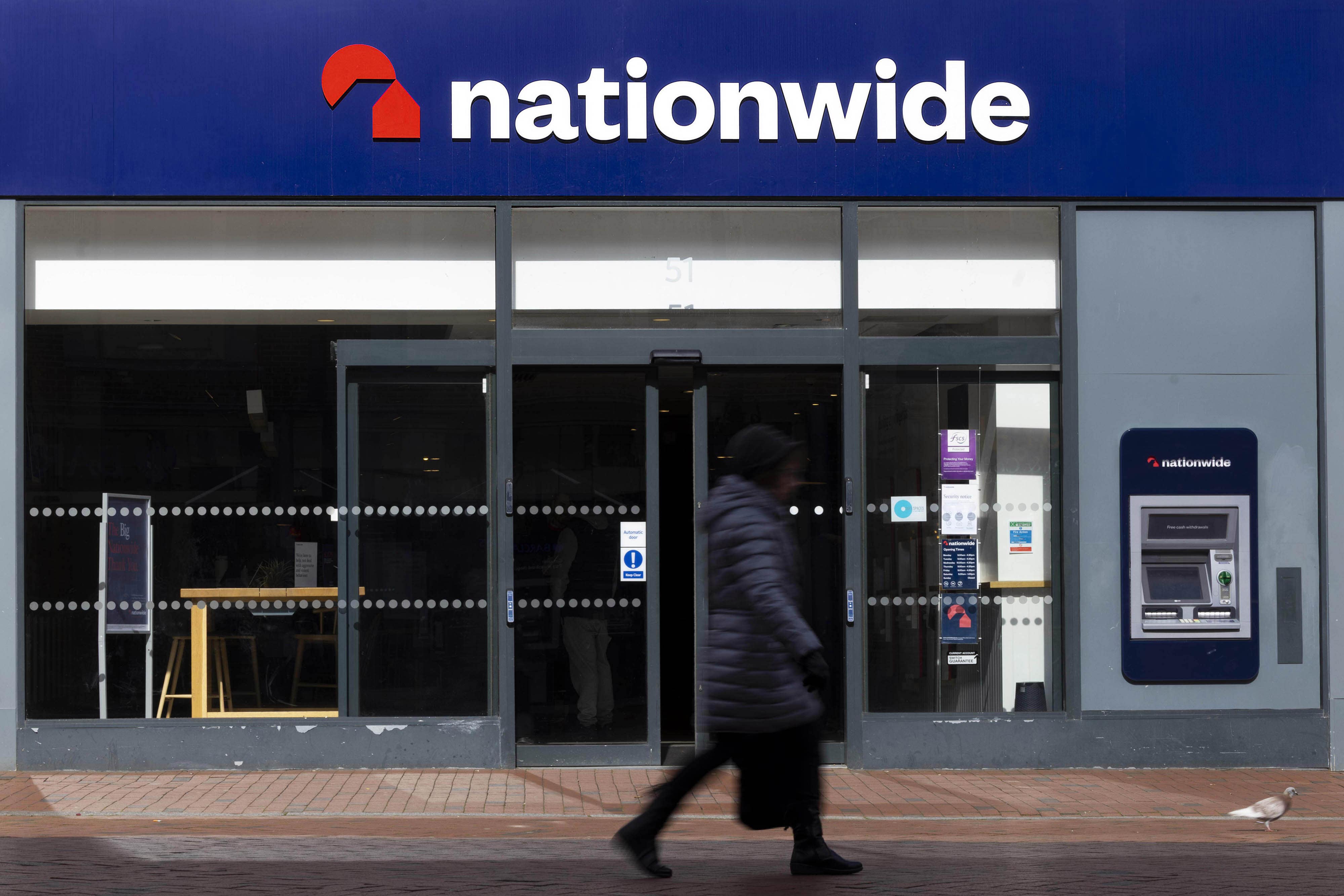
Defining “Nationwide”: More Than Just Branches
The term “nationwide” in banking extends beyond merely having a physical presence in every state. While a broad branch network is certainly a hallmark, the modern definition emphasizes an institution’s ability to serve customers consistently and comprehensively across the entire U.S. geographical and digital landscape.
The Branch Network vs. Digital Reach
Traditionally, a nationwide bank was synonymous with a vast network of brick-and-mortar branches and ATMs scattered across state lines. Banks like JPMorgan Chase, Bank of America, and Wells Fargo built their empires on this physical accessibility, offering in-person services, cash transactions, and local relationship managers. However, the 21st century has reshaped this paradigm. Digital banking has transformed how consumers interact with their money, making mobile apps, online portals, and virtual customer service channels just as, if not more, critical than physical branches. A bank can now be considered nationwide if it effectively serves customers in all 50 states through a sophisticated digital infrastructure, even if its physical footprint is more concentrated or even non-existent in some areas. This includes seamless digital onboarding, remote deposit capabilities, online loan applications, and nationwide ATM network access, often through partnerships.
Regulatory Scope and Operational Footprint
Beyond customer access, a truly nationwide bank operates under a unified federal charter, allowing it to offer consistent products and services across state lines without the complexities of navigating differing state-specific banking regulations for each location. This federal oversight, typically by the Office of the Comptroller of the Currency (OCC), streamlines operations and ensures a standardized approach to financial services, compliance, and consumer protection. Their operational footprint also signifies a national reach, encompassing call centers, data processing facilities, and administrative offices that support their vast customer base and diverse product lines from coast to coast. This integrated operational model is what enables a bank to deliver a cohesive experience, whether a customer is banking in New York, California, or Texas.
The Dominant Players: Major Nationwide Banks in the U.S.
When we talk about nationwide banks in the U.S., certain names immediately come to mind due to their sheer size, extensive reach, and broad customer bases. These institutions dominate the financial sector, offering a full spectrum of services to individuals, small businesses, and large corporations.
The “Big Four” and Beyond
The undisputed giants of the American banking industry are often referred to as the “Big Four”:
-
JPMorgan Chase & Co.: A global financial services firm with a significant presence across the U.S., offering extensive consumer banking, investment banking, asset management, and commercial banking services. Their Chase brand is widely recognized for its robust branch and ATM network, as well as its leading digital platforms.
-
Bank of America: With a deep historical root and an expansive network of branches and ATMs, Bank of America serves millions of consumers and businesses nationwide. They are known for their comprehensive range of financial products, including banking, investing (through Merrill), and lending.
-
Wells Fargo: Despite recent challenges, Wells Fargo maintains one of the largest branch networks in the country, serving a vast customer base with a focus on community banking, wealth management, and corporate banking. Their extensive physical presence remains a defining characteristic.
-
Citigroup (Citi): While Citi has a strong global presence, its U.S. consumer banking operation also has a national footprint, particularly in major metropolitan areas, complemented by strong digital offerings. They cater to a diverse clientele, from everyday consumers to affluent individuals and multinational corporations.
Beyond these titans, other large banks like U.S. Bank, PNC Financial Services, and Truist Financial (formed from the merger of BB&T and SunTrust) also boast significant regional or increasingly national presences, expanding their operational reach and product offerings across multiple states to compete with the industry leaders.
Regional Banks with Expanding Horizons
The banking landscape is not solely dominated by the “Big Four.” Numerous large regional banks, while historically concentrated in specific geographic areas, have progressively expanded their operations to achieve a broader national reach, particularly through strategic mergers, acquisitions, and the enhancement of their digital capabilities. Banks such as Charles Schwab Bank, Capital One, and Discover Bank started with specific niches (brokerage, credit cards) but have since diversified their offerings and expanded their national presence, often with a strong digital-first approach. These institutions often bridge the gap between hyper-local community banks and the behemoth national players, providing a more personalized service experience while still offering many of the conveniences of a larger bank. Their expansion strategies frequently target specific demographics or service areas, allowing them to compete effectively on a national scale without necessarily matching the physical branch count of the largest institutions.
Online-Only National Banks
The rise of purely online banks has significantly broadened the definition of “nationwide.” These institutions operate without any physical branches, leveraging technology to provide banking services across all 50 states. Examples include Ally Bank, Chime, Varo Bank, and Marcus by Goldman Sachs. They typically offer competitive interest rates on savings accounts, lower fees, and highly intuitive mobile apps and online platforms. While they lack the in-person support of traditional banks, they often compensate with 24/7 customer service via phone, chat, or email, and access to extensive ATM networks (often fee-free) through partnerships. For digitally-savvy consumers and businesses comfortable managing their finances entirely online, these banks provide a compelling, convenient, and often more cost-effective nationwide banking solution.
Why Choose a Nationwide Bank? Unpacking the Benefits
For many individuals and businesses, opting for a nationwide bank presents a compelling array of advantages, primarily centered around convenience, comprehensive services, technological prowess, and inherent stability. These benefits often outweigh the potential drawbacks for those seeking a broad and reliable financial partner.
Convenience and Accessibility
One of the most immediate benefits of a nationwide bank is unparalleled convenience. Whether you’re traveling for business, relocating for a job, or simply moving across town, having access to your bank’s branches, ATMs, and consistent service across the country is invaluable. This means you can deposit checks, withdraw cash, or address banking inquiries in person, regardless of where you are. For businesses with employees in multiple states or those operating across different regions, a nationwide bank simplifies payroll, cash management, and financial coordination, offering a standardized platform and consistent points of contact. The sheer scale ensures that you’re rarely far from a financial touchpoint.
Comprehensive Product Offerings
Nationwide banks typically boast a comprehensive suite of financial products and services that cater to nearly every financial need. Beyond standard checking and savings accounts, they offer a wide range of credit cards, mortgages, personal loans, auto loans, and business financing solutions. Furthermore, many integrate wealth management services, investment platforms (like brokerage accounts and financial planning), and insurance products under one roof. This “one-stop shop” approach simplifies financial management, allowing customers to consolidate their accounts and relationships, often leading to better rates or bundled service benefits. Businesses can also access specialized services such as merchant processing, international banking, and complex treasury management.

Advanced Digital Banking and Technology
Due to their substantial resources, nationwide banks are at the forefront of digital innovation. They invest heavily in state-of-the-art online banking platforms, highly rated mobile apps, and cutting-edge security features. This translates to a seamless digital experience for customers, offering features like mobile check deposit, peer-to-peer payments (e.g., Zelle), advanced budgeting tools, biometric login, virtual assistants, and robust fraud protection. For both personal and business users, the ability to manage accounts, pay bills, transfer funds, and access financial insights on the go is a significant advantage, ensuring that banking is always accessible and efficient.
Financial Stability and Trust
The sheer size and diversification of nationwide banks generally translate to greater financial stability. They are typically “too big to fail” in the eyes of regulators, implying an implicit level of government support, though all FDIC-insured banks offer protection up to the legal limits. This stability provides peace of mind for depositors and investors, knowing their funds are held by institutions with deep reserves and sophisticated risk management frameworks. Furthermore, these established brands have built decades, if not centuries, of trust, often making them the go-to choice for individuals and businesses seeking a reliable and long-term financial partner. Their extensive compliance departments and adherence to strict federal regulations also bolster confidence in their operations.
Navigating the Trade-offs: Potential Downsides of Large Institutions
While the advantages of nationwide banks are considerable, it’s equally important to acknowledge the potential downsides. The very scale that offers benefits can also introduce challenges, particularly concerning personalized service, fee structures, and community focus. A balanced perspective requires understanding these trade-offs.
Impersonal Service and Bureaucracy
One of the most frequently cited drawbacks of large nationwide banks is the potential for impersonal service. With millions of customers, it can be challenging to build a strong, personal relationship with a specific banker or financial advisor. Customer service interactions might involve navigating automated phone systems, speaking to different representatives each time, or experiencing longer wait times. Complex issues can sometimes get caught in bureaucratic red tape, requiring multiple transfers or extended resolution periods. This lack of personalized attention can be frustrating for individuals who prefer a more intimate banking relationship or for small business owners who value a dedicated point of contact who understands their unique needs.
Potentially Higher Fees and Less Flexible Terms
While nationwide banks offer a vast array of services, they are also known for potentially higher fees compared to smaller community banks or online-only alternatives. Monthly maintenance fees for checking accounts, ATM fees for out-of-network transactions, overdraft fees, and various service charges can accumulate. Although many offer ways to waive these fees (e.g., by maintaining a minimum balance or setting up direct deposit), these requirements might not be feasible for all customers. Furthermore, loan terms, interest rates on savings accounts, and credit card offers might not always be the most competitive, as their large customer base often reduces the pressure to aggressively compete on every financial product. Smaller institutions often have more flexibility to tailor terms and offer more personalized rates.
Limited Local Community Focus
Nationwide banks, by their very nature, have a broad, national focus rather than a deep, localized one. While they may participate in community initiatives, their primary objectives are driven by national market trends and corporate strategies. This can mean less direct investment in local economies, fewer tailored financial products for specific local needs, and less flexibility in lending decisions that rely heavily on hyper-local knowledge. Community banks, in contrast, are often deeply embedded in their local areas, with decision-makers who understand the local economy and are more inclined to support small businesses and community development projects. For those who prioritize local economic impact and personalized community engagement, a nationwide bank might not align as perfectly with their values.
Selecting Your Financial Partner: Key Considerations
Choosing the right bank, particularly whether to opt for a nationwide institution, is a significant financial decision. It requires a careful evaluation of your personal or business needs, preferences, and long-term financial goals.
Your Banking Needs: Personal vs. Business
The first step in selecting a bank is to clearly define your banking needs. Are you an individual looking for a simple checking account, a comprehensive investment platform, or a mortgage? Or are you a business owner seeking commercial loans, merchant services, or international banking capabilities? Nationwide banks excel at offering a broad spectrum of products and services, making them a strong contender for those with diverse or complex financial requirements, especially businesses that operate across multiple states. For simpler personal banking, an online-only national bank might offer better rates and lower fees, while a local credit union might provide more personalized service. Understanding your specific needs will help narrow down the field.
Fees, Interest Rates, and Account Minimums
A thorough comparison of fees and interest rates is paramount. While nationwide banks offer convenience, they can sometimes come with higher fees. Scrutinize monthly maintenance fees, overdraft fees, ATM fees, and any other service charges. Look for ways to waive these fees (e.g., direct deposit requirements, minimum balance thresholds). Conversely, compare interest rates on savings accounts, money market accounts, and CDs. Online-only national banks often offer significantly higher interest rates than traditional brick-and-mortar institutions due to lower overheads. For loans and credit cards, compare interest rates, annual fees, and other terms across different banks to ensure you’re getting the most competitive offer for your credit profile. Account minimums for certain premium accounts or investment services should also be considered.
Customer Service and Digital Experience
In today’s banking landscape, both the quality of customer service and the sophistication of the digital experience are critical. Evaluate a bank’s customer service reputation: Do they offer 24/7 support? What are their typical wait times? Do they have dedicated support channels (phone, chat, email, in-person)? For the digital experience, test out their mobile app and online banking platform, if possible, or read reviews. Is it intuitive, secure, and feature-rich (e.g., mobile deposit, bill pay, budgeting tools, Zelle integration)? A bank with a strong digital presence can provide convenience and efficiency, while responsive and helpful customer service can be invaluable when issues arise. For those who prioritize in-person interactions, the proximity and quality of local branches are also key.

Values Alignment and Social Responsibility
Increasingly, individuals and businesses are considering a bank’s values and social responsibility initiatives alongside their financial offerings. Does the bank invest in ethical practices? Do they support sustainable initiatives or community development projects? What is their stance on diversity and inclusion? While harder to quantify, a bank’s commitment to corporate social responsibility can be an important factor for customers who want their financial choices to align with their personal values. Research their public statements, charitable giving, and environmental policies. While larger national banks might have more visible CSR programs, some smaller institutions or credit unions might have a more direct and impactful local presence that resonates more deeply with certain customers.
Ultimately, the choice of a nationwide bank depends on a careful assessment of these factors, ensuring the chosen institution not only meets your immediate financial requirements but also supports your long-term goals and preferences.
aViewFromTheCave is a participant in the Amazon Services LLC Associates Program, an affiliate advertising program designed to provide a means for sites to earn advertising fees by advertising and linking to Amazon.com. Amazon, the Amazon logo, AmazonSupply, and the AmazonSupply logo are trademarks of Amazon.com, Inc. or its affiliates. As an Amazon Associate we earn affiliate commissions from qualifying purchases.