
Managing your finances effectively often involves making strategic decisions about where your money resides. While opening a bank account is a straightforward process for most, the need to close one out can arise for various reasons, and navigating this process requires careful planning and execution. Whether you’re consolidating accounts, switching banks for better services, or simply decluttering your financial life, understanding the correct procedure for closing a bank account is crucial to avoid potential fees, complications, or disruptions to your financial flow. This comprehensive guide will walk you through the essential steps, considerations, and best practices for successfully closing a bank account, ensuring a smooth transition and peace of mind.
Why You Might Consider Closing a Bank Account
Deciding to close a bank account is rarely a snap decision. It typically stems from a confluence of factors related to personal finance management, customer satisfaction, or evolving financial needs. Recognizing these common motivations can help validate your decision and reinforce the importance of a well-executed closure process.
High Fees and Poor Interest Rates
One of the most frequent catalysts for account closure is dissatisfaction with a bank’s fee structure or interest rate offerings. In an increasingly competitive banking landscape, consumers are more aware of maintenance fees, ATM charges, overdraft penalties, and foreign transaction fees that can erode their savings or checking account balances. Similarly, accounts that offer negligible interest rates on deposits may prompt a search for alternatives that provide better returns, such as high-yield savings accounts or investment vehicles. Regularly reviewing your account statements for hidden or excessive fees, and comparing your bank’s interest rates against market averages, can highlight when it’s time to seek a more financially advantageous relationship.
Dissatisfaction with Customer Service
The quality of customer service plays a significant role in a positive banking experience. Persistent issues with unresponsive support, difficult-to-resolve problems, or a general lack of personalized attention can quickly lead to frustration. Trust and reliability are paramount when it comes to managing one’s money, and if a bank consistently fails to meet these expectations, closing the account and moving to an institution that prioritizes customer satisfaction becomes a sensible choice. This includes not just in-person interactions but also online and mobile banking support.
Relocating or Consolidating Accounts
Life changes often necessitate financial adjustments. A cross-country move might render a local credit union inconvenient, prompting a shift to a national bank with a wider branch network. Alternatively, individuals might find themselves with multiple accounts across different institutions, leading to an overly complex financial setup. Consolidating these accounts into one primary bank can simplify money management, streamline bill payments, and provide a clearer overview of one’s financial standing, reducing the administrative burden and the risk of oversight.
Fraudulent Activity or Security Concerns
While less common, encountering fraudulent activity or developing significant concerns about a bank’s security protocols can be an urgent reason to close an account. Although banks typically have robust security measures and fraud protection policies, repeated incidents, a perceived laxness in data security, or a fundamental loss of trust in the institution’s ability to protect your assets can justify seeking a more secure banking environment. In such cases, immediate action is often warranted, and closing the account may be a necessary step to safeguard your financial well-being.
The Crucial Preparatory Steps
Before you even think about contacting your bank, a series of meticulous preparatory steps are absolutely essential. Rushing this phase can lead to significant financial headaches, including missed payments, bounced checks, and credit report issues. This preparation ensures a smooth transition and prevents any lingering ties to the account you intend to close.
Reviewing Account Activity and Statements
The very first step is to gain a complete understanding of your account’s history and current status. Obtain recent statements (at least the last three to six months) and thoroughly review all transactions. Look for recurring charges, direct deposits, and automatic withdrawals that you might have forgotten about. It’s vital to identify all linked services, subscriptions, and payment mandates that rely on this account. This detailed review will serve as your roadmap for the subsequent steps.
Updating Direct Deposits and Automatic Payments
Perhaps the most critical preparatory task is rerouting all incoming and outgoing funds. Identify every source of direct deposit, such as your salary, government benefits, or investment dividends, and arrange for them to be transferred to your new or existing active account. Similarly, compile a comprehensive list of all automatic payments, including utility bills, loan repayments, insurance premiums, mortgage payments, streaming services, and subscription boxes. Contact each service provider to update your payment information with your new account details. It’s often wise to keep the old account active for a short period after updating these to catch any payments that might still attempt to draw from it, providing a safety net.
Transferring Funds and Balances
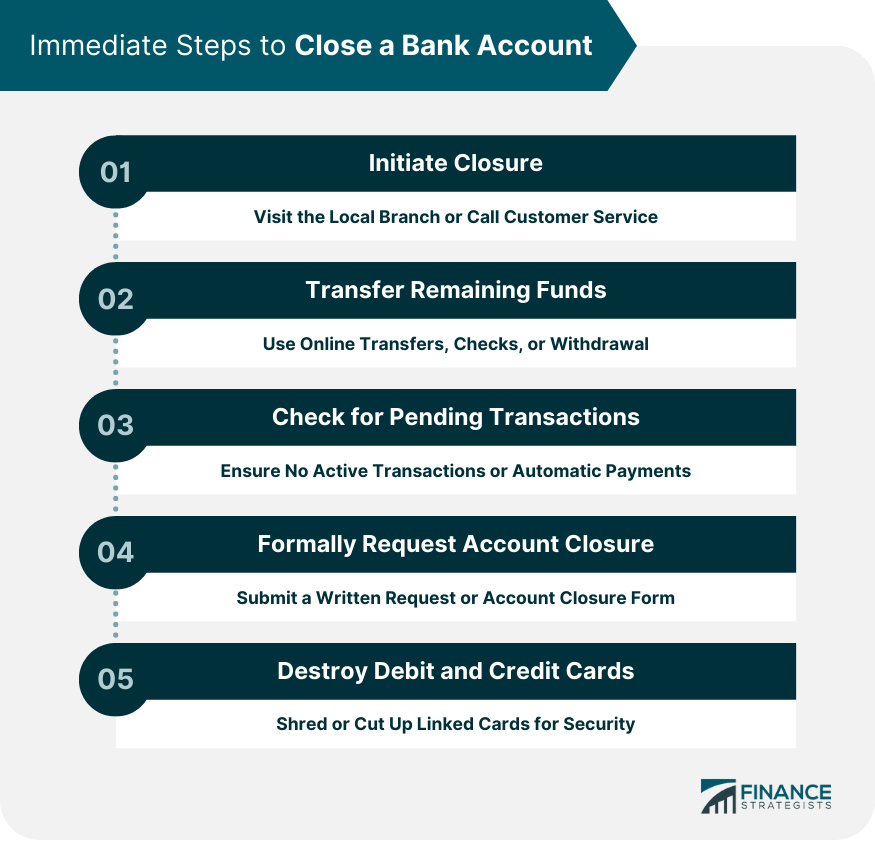
Once all direct deposits and automatic payments have been successfully redirected to your new account, it’s time to transfer any remaining funds out of the account you plan to close. Ensure the balance is sufficient to cover any pending transactions or potential closing fees. The safest way to transfer a significant sum is often via an electronic transfer (ACH), wire transfer, or by requesting a cashier’s check from your bank. Avoid withdrawing large sums in cash, especially if you need to deposit them elsewhere, due to security risks. Leave a small residual balance, perhaps a few dollars, until you receive confirmation that the account is officially closed, just in case any minor debits or interest payments occur unexpectedly.
Cancelling Linked Services and Subscriptions
Beyond automatic payments, consider any less obvious services or subscriptions that might be linked to your debit card or account number. This could include digital wallets like PayPal or Venmo, app store purchases, online shopping platforms, or even payment methods saved on various websites. Update your payment information in all these places to prevent future charges from attempting to draw from a closed account. This proactive step prevents inconvenience and potential fraud issues down the line.
Securing Important Records
Before the account is closed, download or print copies of all your account statements, transaction histories, and any relevant correspondence. Keep these records in a secure place for your financial records. These documents can be crucial for tax purposes, budgeting, or resolving any future disputes that might arise, even after the account is closed. Digital copies are often preferred for ease of storage and access.
The Official Account Closure Process

With all the preliminary groundwork laid, you are now ready to formally initiate the closure of your bank account. This stage requires direct interaction with your bank and meticulous attention to detail to ensure the account is indeed closed, not just inactive.
Contacting Your Bank
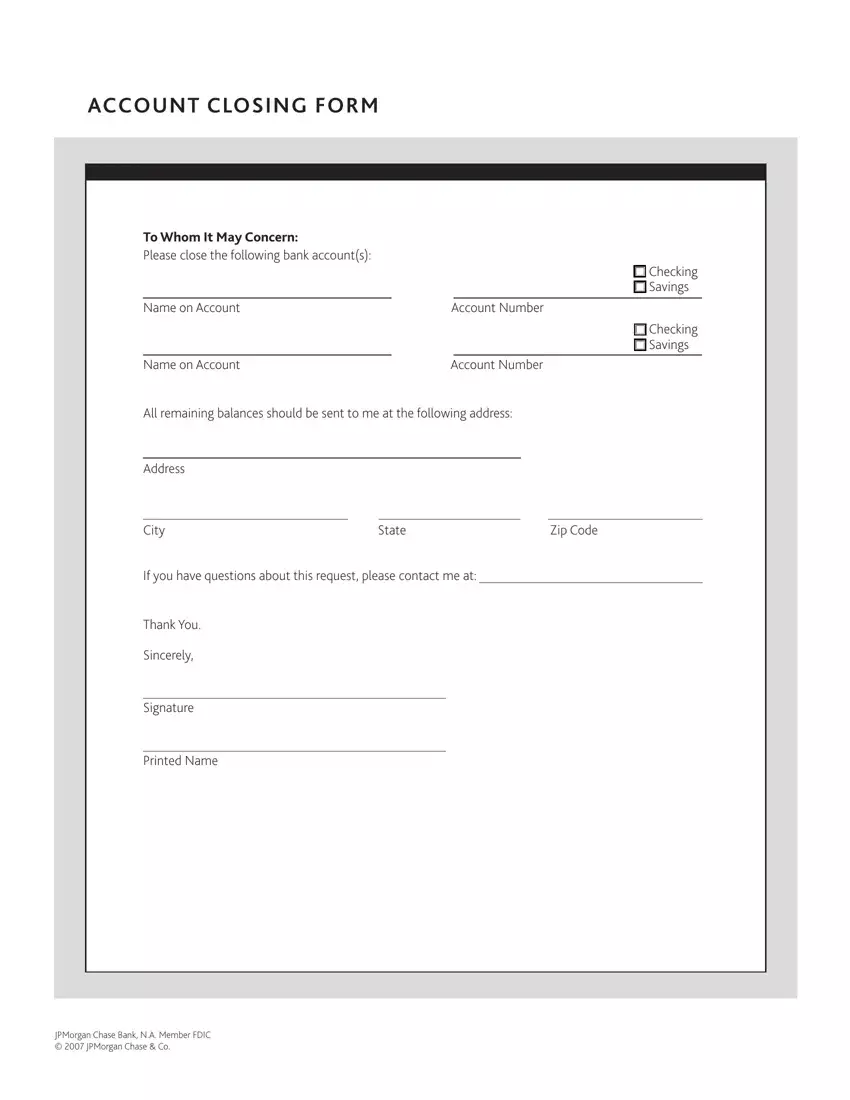
The first step is to formally notify your bank of your intention to close the account. While some modern banks allow for online or mobile app closures, many still require a phone call, a visit to a branch, or a written letter. Check your bank’s specific policy. When you make contact, clearly state your intent to close the account. Have your account number, personal identification (like a driver’s license), and any other relevant details ready. Be prepared to explain your reasons, though you are not obligated to offer extensive detail.
Verifying Your Identity
For security reasons, your bank will require verification of your identity. This typically involves providing your account number, Social Security number, and potentially answering security questions. If you are visiting a branch, bring a government-issued photo ID. This step is crucial to prevent unauthorized account closures and protect your financial interests. Ensure you have all necessary documentation readily accessible to expedite this process.
Confirming a Zero Balance and No Pending Transactions
Before the bank can officially close the account, they will verify that the balance is zero and that there are no pending transactions. This reinforces why the preparatory steps of transferring funds and updating payments are so vital. If there are any outstanding checks, debits, or credits, the closure process will likely be delayed or even put on hold until these clear. Confirm with the bank representative that all outstanding items have been settled and the balance is indeed zero. If you left a small residual balance, confirm how that will be handled (e.g., whether they will issue a check or transfer it).
Requesting a Written Confirmation
Never assume an account is closed until you have received official, written confirmation. After the bank representative processes your closure request, ask for a confirmation letter or email that explicitly states the account number, the date of closure, and confirmation that the account is indeed closed with a zero balance. This document is your proof that you have fulfilled your obligations and that the bank has fulfilled theirs. Keep this confirmation in your secure financial records alongside your past statements. Without it, you might find yourself in a difficult position if a dispute or an unexpected charge arises months down the line.
Dealing with Joint Accounts
If you share a joint account with another individual, both account holders typically need to agree to and sign off on the closure. The bank will likely require consent from all parties listed on the account. Ensure you communicate with the other account holder(s) in advance and coordinate the closure process to avoid any misunderstandings or complications. This might involve both parties visiting the branch or submitting separate written authorizations, depending on the bank’s policies.
Avoiding Common Pitfalls and Post-Closure Best Practices
Even after diligently following all the steps, certain pitfalls can still arise. Being aware of these and understanding what to do after closure will help cement your financial security and prevent future headaches.
Overlooking Pending Transactions
One of the most common issues is forgetting about a check you wrote that hasn’t cleared or a recurring payment set up directly with a merchant rather than through your bank’s bill pay service. If the account is closed before these clear, the transaction will bounce, potentially incurring fees for you and damaging your credit or relationship with the payee. Always give a buffer period after rerouting payments before fully closing the account.
Forgetting About Linked Accounts
It’s easy to overlook less obvious connections to your bank account. This could include investment accounts, mortgage escrow accounts, or even credit cards from the same bank that draw funds automatically. Ensure all these linkages are severed or updated before closure. A linked account drawing from a closed checking account can lead to overdrafts or other serious financial problems.
Ignoring Account Minimums or Closure Fees
Some banks charge a fee if you close an account within a certain period (e.g., 90-180 days) of opening it, or if you close an account that falls below a specified minimum balance. Review your account agreement or speak with a bank representative to understand any potential fees. Factor these into your financial planning, and if necessary, wait until the fee period expires or ensure you meet any minimums to avoid unnecessary costs.
Insufficient Documentation
Failing to secure proper documentation, both before and after closure, can leave you vulnerable. Without a written confirmation of closure, you have no proof that the bank completed the process. Similarly, not having access to old statements can complicate tax filings or disputes. Always prioritize thorough record-keeping.
Not Getting Confirmation
As emphasized earlier, verbal confirmation is not enough. Insist on a written or electronic confirmation of closure. If it doesn’t arrive within a reasonable timeframe (e.g., 1-2 weeks), follow up with the bank. This document is your ultimate proof of the account’s status.
Monitoring Your Credit Report
After closing a bank account, it’s a good practice to monitor your credit report for a few months. While closing a checking or savings account doesn’t directly impact your credit score (unlike credit cards), it’s a good habit to ensure no unexpected entries or errors appear that could be related to your old account or its closure. You can obtain a free copy of your credit report from each of the three major credit bureaus annually.
Safely Disposing of Old Cards and Checks
Once the account is officially closed, physically destroy any associated debit cards, ATM cards, and unused checks. Shred them thoroughly to prevent unauthorized use of your account number or personal information. Simply cutting them in half is often not enough; a cross-cut shredder is ideal.
Conclusion
Closing a bank account might seem like a daunting task, but by approaching it methodically and following a structured process, you can ensure a smooth, problem-free transition. From understanding your motivations and meticulously preparing your finances to navigating the official closure procedures and safeguarding your post-closure status, each step plays a vital role in protecting your financial well-being. By taking the time to plan and execute these steps carefully, you not only avoid potential pitfalls but also gain greater control over your financial landscape, setting yourself up for a more organized and efficient money management future. Remember, diligence now pays dividends in peace of mind later.
aViewFromTheCave is a participant in the Amazon Services LLC Associates Program, an affiliate advertising program designed to provide a means for sites to earn advertising fees by advertising and linking to Amazon.com. Amazon, the Amazon logo, AmazonSupply, and the AmazonSupply logo are trademarks of Amazon.com, Inc. or its affiliates. As an Amazon Associate we earn affiliate commissions from qualifying purchases.