
Navigating the process of closing a bank account, even with a major institution like Bank of America, requires careful planning and execution to avoid potential complications. Whether you’re consolidating your finances, moving to a different bank, or simply no longer need the account, understanding the correct procedures is crucial for a smooth transition. This guide will walk you through the essential steps, considerations, and best practices for successfully closing your account at Bank of America, ensuring your financial records remain in order and you avoid unexpected fees or disruptions.
Preparation Before Closing
Before you initiate the account closure process with Bank of America, a series of preparatory steps are essential. Skipping these can lead to significant headaches, including bounced payments, unexpected fees, or difficulties accessing your remaining funds.

Verify Your Balance and Outstanding Transactions
The first critical step is to ensure your account balance is positive and that there are no pending transactions. This includes outstanding checks you may have written but that haven’t yet cleared, or recent debit card transactions that are still processing. If an account is closed with pending transactions, those items may bounce, incurring fees for both you and the recipient.
To prepare your account:
-
Stop writing checks from the account immediately.
-
Cease using your debit card linked to that account.
-
Review your recent activity through online banking or a recent statement to identify any unposted transactions.
-
Transfer funds out to bring the balance to zero, or leave a small positive amount to cover any unforeseen final fees. If the account has a negative balance, you will need to deposit funds to cover it before closure.
Redirect Direct Deposits and Automatic Payments
One of the most common pitfalls when closing a bank account is forgetting to update direct deposits and automatic withdrawals. This oversight can lead to missed income, overdue bills, and late fees.
-
Direct Deposits: Contact your employer’s payroll department, government agencies (for benefits like Social Security), or any other source of recurring income to update your direct deposit information to your new bank account.
-
Automatic Payments/Bill Pay: Go through your bank statements for the last 6-12 months to identify all recurring payments set up from the account. This includes utility bills, loan payments, insurance premiums, subscription services (Netflix, Spotify, gym memberships), and any automatic transfers you might have set up. Update these with your new bank account details well in advance of closing the old account. Some services allow you to update payment information directly through their website, while others may require contacting their customer service.
-
Linked Accounts: If your Bank of America account is linked to other financial services like investment accounts, payment apps (PayPal, Venmo), or peer-to-peer lending platforms, remember to update these connections as well.
Secure Transaction Records
Maintaining accurate financial records is crucial for tax purposes, budgeting, and future reference. Before closing your account, download or print all necessary statements and transaction histories.
-
Bank of America typically provides online access to statements for a certain period (e.g., seven years). However, it’s a good practice to download all monthly statements and year-end summaries for the entire duration you held the account, or at least for the past several years, to an external drive or cloud storage.
-
Ensure you have copies of any tax-related documents, such as interest statements (1099-INT), before access to your online banking portal is revoked.
Consider Joint Accounts
If the account you wish to close is a joint account, special considerations apply. Typically, all account holders must provide consent for the account to be closed.
-
Consent: All individuals listed on the joint account will generally need to agree to the closure. This might mean all parties needing to be present in person at a branch, or all signatures being required on a written request.
-
Funds Distribution: Discuss and agree with the other account holder(s) on how any remaining funds will be distributed or transferred. Ensure this agreement is clear to avoid disputes.
Methods for Closing Your Account
Bank of America provides several methods for closing an account, each with its own requirements and benefits. The most suitable method for you will depend on your specific circumstances and convenience.
Visiting a Bank of America Financial Center
Closing your account in person is often the most straightforward and quickest method, especially if you have a remaining balance that needs to be disbursed.
-
Advantages: Direct interaction with a banking representative can clarify any questions, ensure all requirements are met on the spot, and provide immediate confirmation of closure. You can often receive your remaining funds as cash or a cashier’s check immediately.
-
What to Bring: You will need to bring a valid government-issued photo ID (e.g., driver’s license, passport) and your account number or debit card. For joint accounts, all account holders may need to be present with their respective IDs.
-
Process: Inform the teller or a customer service representative of your intention to close the account. They will verify your identity, check for any outstanding transactions, and guide you through the necessary paperwork. Once confirmed, they can disburse your remaining funds.
Closing by Mail
If visiting a branch is not feasible, closing your account by mail is another option. This method requires more time and careful adherence to Bank of America’s specific instructions.
-
Requirements: You will typically need to send a signed written request. The letter should include:
-
Your full name and address.
-
Your account number.
-
A clear statement requesting the closure of the specific account.
-
Instructions on how to disburse any remaining funds (e.g., requesting a cashier’s check be mailed to your address, or transfer to another specified account).
-
Your signature, which may need to be notarized to verify your identity, especially if a significant sum of money is involved.
-
-
Address: Send the letter to Bank of America’s customer service address. It’s advisable to call their customer service line beforehand to confirm the correct mailing address and any specific requirements for a mail-in closure.
-
Tracking: Send your letter via certified mail with a return receipt requested. This provides proof that your request was sent and received, which can be invaluable if any issues arise.
-
Processing Time: Be aware that closing an account by mail will take longer than an in-person visit, typically several business days to a few weeks, depending on postal service and bank processing times.
Closing by Phone (Limited Scenarios)
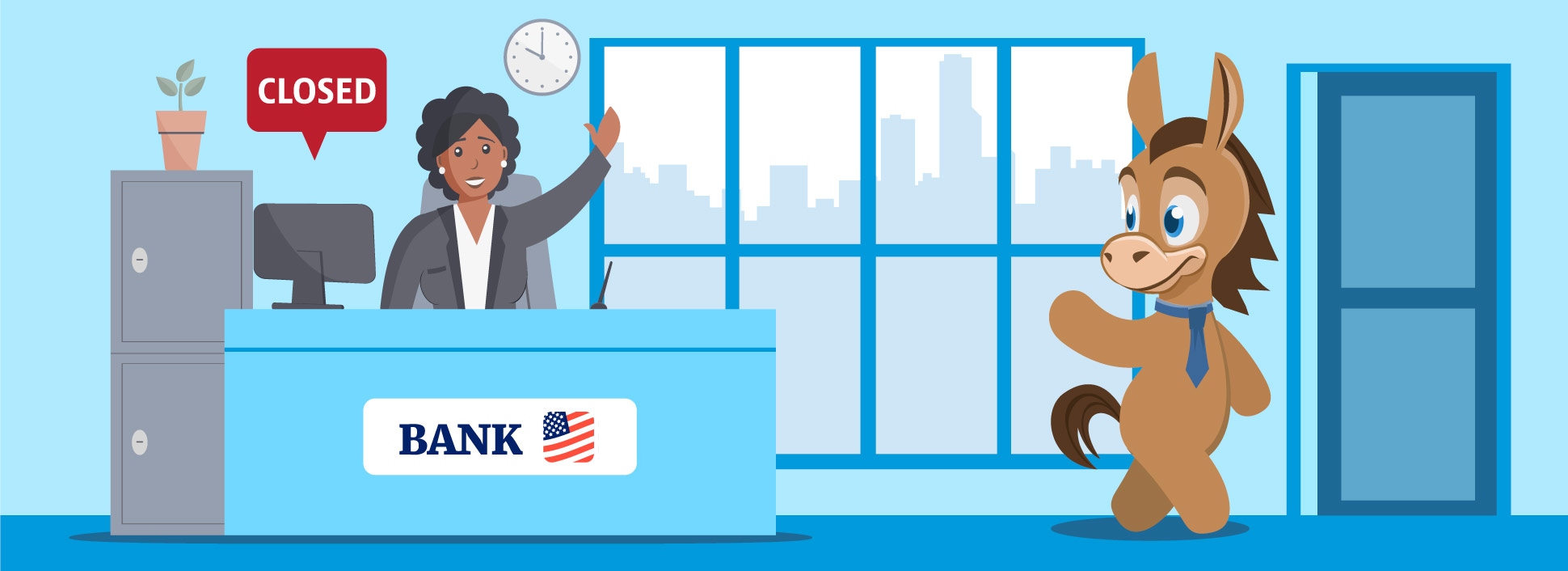
While Bank of America’s customer service can certainly assist with inquiries and some preliminary steps, a full account closure is rarely completed solely over the phone, especially for checking or savings accounts with active balances.
-
Initial Inquiry: You can call Bank of America’s customer service number to ask questions about the closure process, confirm required documents, or check your account status. They can guide you on the best method for your situation.
-
Specific Products: For certain less common or specialized accounts, or accounts with a zero balance that have been inactive for an extended period, it might be possible to initiate or finalize closure over the phone. However, expect to be directed to a branch or mail-in process for most standard checking and savings accounts.
-
Verification: If phone closure is an option, be prepared for stringent identity verification questions.
What to Expect During and After Closing
Once you’ve initiated the account closure process, there are a few final steps and considerations to keep in mind.
Final Balance Disbursement
If your account has a positive balance at the time of closure, Bank of America will disburse these funds to you.
-
In-Person: You can typically receive cash (for smaller amounts), a cashier’s check, or have the funds transferred to another Bank of America account or an external account.
-
By Mail: If closing by mail, you will usually receive a cashier’s check mailed to your address, or funds transferred as per your instructions. Ensure your mailing address on file is current.
-
Negative Balance: If your account has a negative balance, you will need to deposit funds to cover it before the account can be officially closed.
Confirmation and Documentation
Always request and retain written confirmation that your account has been closed.
-
Official Letter: Bank of America should provide an official letter or statement confirming the account’s closure and the date it was closed. This documentation is vital for your records and can serve as proof if any future discrepancies arise.
-
Online Access: Be aware that once the account is officially closed, your online banking access to that specific account’s history will likely be terminated. This reinforces the importance of downloading all necessary statements beforehand.
Potential Fees and Holds
While Bank of America generally does not charge a fee for closing a standard checking or savings account, there are exceptions.
-
Early Closure Fees: Some accounts, particularly those opened with promotional offers or specific conditions, might incur an early closure fee if closed within a certain period (e.g., 90 or 180 days) of opening. Review your account agreement or speak with a representative to confirm.
-
Holds: If you recently deposited a large check into the account, a hold might be placed on those funds, delaying the final disbursement until the check clears. Ensure all deposits have fully cleared before attempting to close the account.
-
Dormancy Fees: If an account has been inactive for an extended period (typically several years), it may have been designated as dormant and subject to dormancy fees, or its funds may have been escheated to the state. Resolve any such issues before attempting to close.
Alternatives to Closing Your Account
Sometimes, closing an account isn’t the only or best option. Consider these alternatives if you’re experiencing issues or merely contemplating a change.
Downgrading or Changing Account Types
If your current Bank of America account comes with high monthly maintenance fees that you no longer meet the waiver requirements for, you might be able to switch to a different account type within Bank of America that has lower or no fees, or different benefits more suited to your current needs. For instance, moving from a premium checking account to a standard or student checking account could eliminate fees while maintaining your account history and relationship with the bank.
Utilizing Account Features
Perhaps you’re considering closing your account because you feel it no longer serves your needs. It might be worthwhile to first review all the features and benefits offered by your current account. Many bank accounts offer services like online bill pay, mobile check deposit, budgeting tools, or rewards programs that could be beneficial but are underutilized. Exploring these features might reveal that the account still holds value for your financial management.
Maintaining Multiple Accounts
There can be strategic advantages to maintaining accounts at more than one financial institution. This could include having a primary checking account at one bank for daily transactions and a secondary savings account or specialized checking account at another for specific goals, emergency funds, or simply as a backup. This approach offers diversification, potentially different interest rates, and a separate avenue for transactions, which can be useful in various financial scenarios.
Common Pitfalls and Best Practices
To ensure a smooth account closure, be mindful of these common mistakes and adhere to best practices:
-
Not updating direct deposits/automatic payments: This is the most frequent cause of problems. Always update these first.
-
Not clearing all outstanding transactions: Ensure no checks or debit card transactions are pending.
-
Failing to get confirmation: Always obtain written proof of closure.
-
Ignoring joint account requirements: Ensure all parties consent and sign necessary documents.
-
Neglecting to download statements: Secure your financial history before losing access.
By following these guidelines, you can effectively and efficiently close your Bank of America account, ensuring a seamless transition and maintaining the integrity of your personal financial records.
aViewFromTheCave is a participant in the Amazon Services LLC Associates Program, an affiliate advertising program designed to provide a means for sites to earn advertising fees by advertising and linking to Amazon.com. Amazon, the Amazon logo, AmazonSupply, and the AmazonSupply logo are trademarks of Amazon.com, Inc. or its affiliates. As an Amazon Associate we earn affiliate commissions from qualifying purchases.