
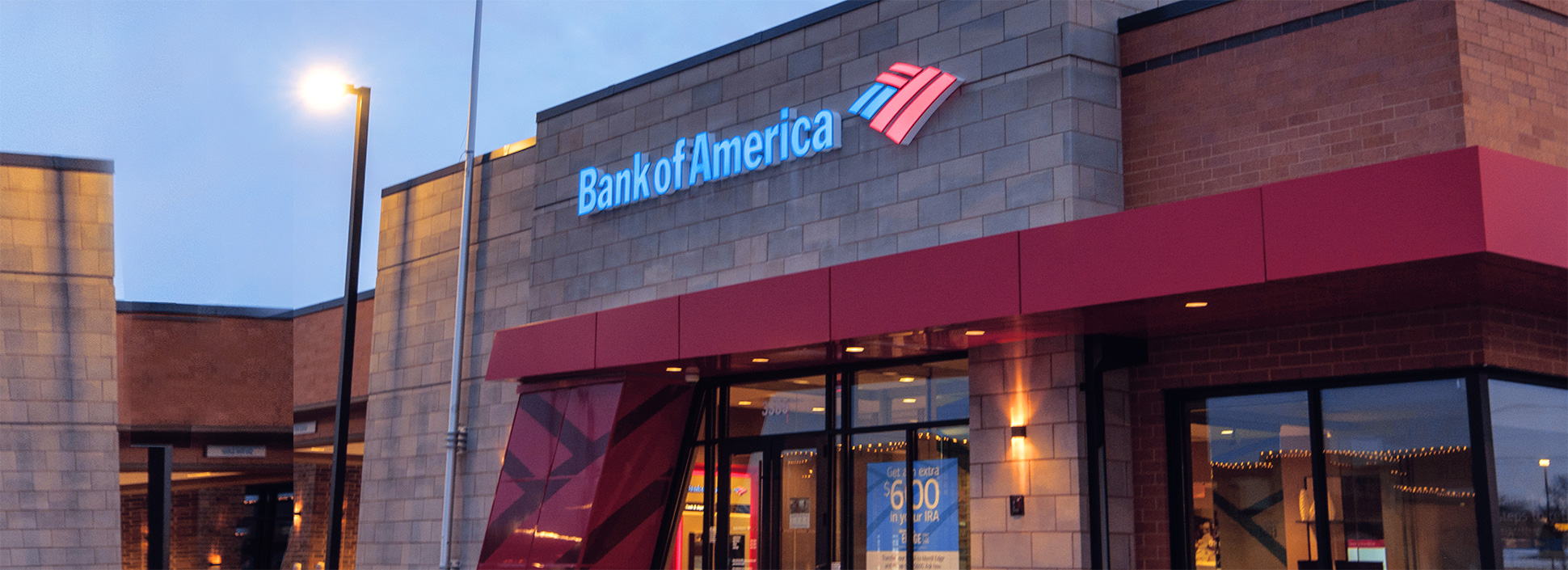
In an increasingly digital age, the simple question, “What time does the Bank of America close?” might seem almost anachronistic. Yet, for countless individuals and businesses, understanding the operating hours of their financial institutions remains a critical component of effective money management. While online banking, mobile apps, and ATMs offer 24/7 access to many services, certain transactions still necessitate a physical visit, and the clock on a branch door can significantly impact personal finance, business operations, and investment strategies. This article delves into the nuances of Bank of America’s closing times, exploring not just the literal hours but also the broader implications for financial planning, transaction processing, and leveraging modern banking conveniences.
The Evolving Landscape of Banking Hours
The concept of “banking hours” has undergone a profound transformation over the last few decades. What was once a rigid, almost immutable schedule has evolved in response to technological advancements, shifting consumer expectations, and the competitive pressures of the financial sector. Understanding this evolution helps contextualize the importance of knowing current closing times.
Traditional Branch Operations vs. Modern Needs
Historically, banks operated on a fairly uniform schedule, typically opening in the morning and closing in the late afternoon, with shorter hours on Saturdays and no Sunday operations. These hours were dictated by manual processes, the need for back-office clearing, and prevailing societal work patterns. Customers would plan their days around these schedules, often taking time off work to visit a branch for essential services like deposits, withdrawals, loan applications, or opening new accounts. The financial landscape of yesteryear heavily relied on in-person interactions, making branch closing times a definitive barrier to financial access once the doors were locked.
However, the demands of a 24/7 economy and the rise of dual-income households created a need for greater flexibility. The traditional 9-to-5 model became increasingly inconvenient for many, leading some institutions to experiment with extended weekday hours, later closings, and even limited Sunday operations in certain high-traffic areas. For Bank of America, a major player with a vast national footprint, adapting to these changing needs has involved a blend of maintaining standard hours while vigorously promoting alternative banking channels.
Impact of Digital Banking on Branch Relevance
The advent of online and mobile banking has undeniably reshaped the role of physical branches. Today, a significant portion of everyday financial tasks can be performed from anywhere, at any time, using a smartphone or computer. Checking balances, transferring funds, paying bills, depositing checks via mobile apps, and even applying for certain loans are now just a few taps or clicks away. This digital revolution has reduced the frequency with which many customers need to visit a branch, making the exact closing time less critical for routine transactions.
Despite this shift, physical branches retain immense value for more complex needs. These might include large cash transactions, intricate business banking requirements, notary services, safe deposit box access, or face-to-face consultations for mortgages, wealth management, or financial planning. For these scenarios, knowing Bank of America’s closing time is not merely a convenience but a necessity, ensuring that critical deadlines are met and personalized service is accessible when required.
The Importance of Knowing Specific Branch Times
While general trends exist, it’s crucial to acknowledge that Bank of America, like most large banks, operates a decentralized network of branches. This means that closing times can vary significantly from one location to another, influenced by local market dynamics, store traffic patterns, lease agreements, and even regional holiday observances. A branch located within a shopping mall might have different hours than one in a standalone building or a corporate district. Therefore, relying on generic information can lead to frustration and missed opportunities. For effective financial management, pinpointing the specific hours of your preferred or local Bank of America branch is paramount.
Pinpointing Bank of America’s Operating Hours
Given the variability, how can customers accurately determine when their Bank of America branch closes? Relying on official channels is always the most reliable approach.
General Trends in Bank of America Hours
While specific times differ, Bank of America branches generally adhere to a predictable pattern. Most branches are open Monday through Friday, typically from 9:00 AM or 10:00 AM to 4:00 PM or 5:00 PM. Some branches, particularly in busy urban centers or those serving a strong commuter base, might extend their weekday hours, opening earlier or closing later. Saturday hours are common, usually from 9:00 AM or 10:00 AM to 1:00 PM or 2:00 PM, though not all branches offer Saturday service. Sundays are almost universally observed as non-banking days for physical branches across the Bank of America network. Understanding these general trends provides a baseline expectation, but specific verification is always recommended.
How to Accurately Find Your Local Branch’s Hours
The most accurate and up-to-date information on Bank of America’s operating hours can be found through its official platforms:
-
Bank of America Website (Branch Locator): The bank’s official website features a robust branch and ATM locator tool. By entering your zip code, city, or address, you can find nearby branches, complete with their specific opening and closing times, services offered, and contact information. This is often the first and most reliable port of call.
-
Bank of America Mobile App: The mobile banking app typically includes a similar branch locator function. This offers convenient access to hours while on the go, often integrating with map services for directions.
-
Customer Service (Phone): Calling Bank of America’s general customer service line or the direct number for a specific branch (if available) can provide real-time information. While sometimes slower, it allows for direct clarification of any special circumstances.
-
In-Branch Signage: If you’re physically near a branch, the posted hours on the door or window are definitively accurate for that specific location.
Holiday Schedules and Special Closures
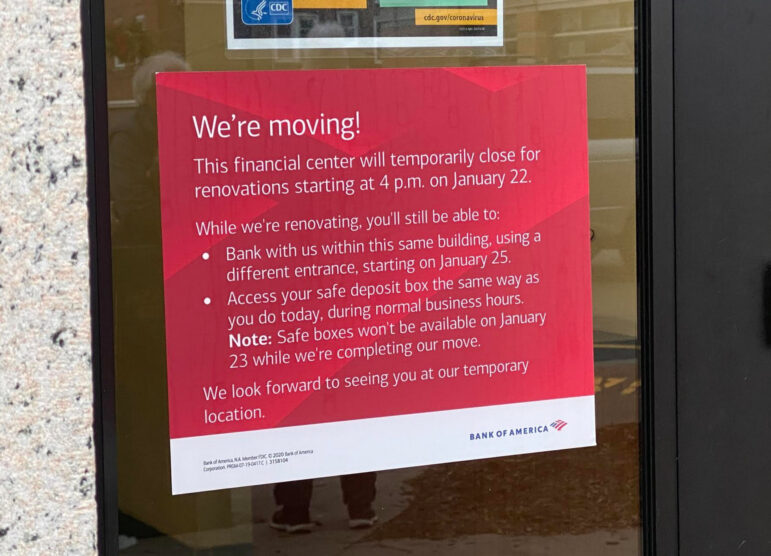
Beyond standard daily hours, it’s crucial to account for holiday schedules and any unforeseen closures. Bank of America observes all federal holidays, meaning branches will be closed on days like New Year’s Day, Martin Luther King Jr. Day, Presidents’ Day, Memorial Day, Juneteenth, Independence Day, Labor Day, Columbus Day, Veterans Day, Thanksgiving Day, and Christmas Day. These closures impact not only physical access but also transaction processing times. Additionally, rare events like severe weather, natural disasters, or local emergencies can lead to temporary, unscheduled branch closures or altered hours. Always check official channels before heading to a branch during these periods.
Beyond the Clock: Understanding Transaction Cut-Off Times
Knowing when the branch physically closes is only part of the equation. A critical, yet often overlooked, aspect of banking is the concept of “cut-off times.” These are internal deadlines by which transactions must be received and processed to be credited or debited on the same business day. Failing to understand these can lead to delays in fund availability, late payment fees, or missed financial opportunities.
The Significance of Daily Processing Deadlines
For many banking operations, the physical closing of the branch doors does not coincide with the cessation of daily processing. Banks have internal procedures and systems that continue to process transactions for a short period after closing, or even for several hours into the evening. However, there’s a specific cut-off point after which any incoming transaction will be treated as having been received on the next business day. This distinction is vital for accurate financial record-keeping, interest calculations, and meeting payment due dates.

Types of Transactions Affected by Cut-Offs
Almost all financial transactions have an associated cut-off time, whether performed in-branch, via ATM, online, or through the mobile app:
-
Deposits (Checks and Cash): While cash deposits typically become available immediately, check deposits are subject to a hold period and a daily cut-off. A check deposited physically or via mobile app after the cut-off will effectively be processed the next business day, delaying fund availability.
-
Wire Transfers: Domestic and international wire transfers often have strict cut-off times, sometimes earlier than general branch closing, due to their time-sensitive nature and involvement of multiple financial institutions. Missing these can mean a delay of a full business day for critical fund movements.
-
Loan Payments: Paying a loan at a branch or through a digital channel after the cut-off time can result in the payment being posted on the next business day, potentially incurring late fees or impacting credit scores if it crosses a due date.
-
Bill Payments: While many bill payments are now automated or made directly through merchant sites, using Bank of America’s bill pay service also involves processing cut-offs that determine when the payment is dispatched.
Strategies for Meeting Cut-Offs
To avoid delays and manage your finances effectively, consider these strategies:
-
Plan Ahead: For time-sensitive transactions, aim to complete them well before the stated cut-off time.
-
Verify Cut-Offs: Specific cut-off times can vary, so it’s wise to inquire about them for critical transactions, especially for wire transfers or large deposits. This information is often available on the bank’s website or by contacting customer service.
-
Leverage Digital Tools Smartly: While digital channels offer flexibility, their cut-off times might differ from in-branch times. Understand the specific deadlines for mobile check deposits or online transfers.
-
Understand Next-Business-Day Processing: If you miss a cut-off, immediately acknowledge that your transaction will be processed the following business day and adjust your expectations accordingly.
Leveraging Bank of America’s Digital and Alternative Channels
The focus on closing times primarily relates to physical branches. However, Bank of America has invested heavily in digital and alternative channels that provide access to services far beyond traditional banking hours. Recognizing and utilizing these tools is key to modern financial management.
24/7 Access with Online and Mobile Banking
Bank of America’s online banking platform and mobile app are powerful tools that offer continuous access to your accounts. Through these channels, you can:
-
Check account balances and transaction history.
-
Transfer funds between accounts.
-
Pay bills using the integrated bill pay service.
-
Deposit checks using the mobile check deposit feature.
-
Set up alerts and notifications.
-
Manage credit cards and investments.
-
Apply for certain loans and credit products.
-
Locate nearby ATMs and branches.
For most routine banking needs, these digital platforms effectively make Bank of America “open” 24 hours a day, seven days a week, circumventing the constraints of branch closing times.
ATM Services: Beyond Just Cash
Bank of America’s extensive ATM network offers capabilities far beyond simple cash withdrawals. Many of their modern ATMs allow for:
-
Cash deposits (often with immediate availability).
-
Check deposits.
-
Transfers between accounts.
-
Balance inquiries.
-
Payment on Bank of America credit cards.
-
Cash advances.
These advanced ATM functionalities mean that even if a branch is closed, you can still perform essential deposit and transfer functions, ensuring that your financial operations don’t grind to a halt outside of traditional banking hours.
Telephone Banking and Customer Service
For those who prefer a human interaction or have complex inquiries, Bank of America’s telephone banking services and customer support lines operate extended hours, often 24/7, for certain types of assistance. While you might not be able to perform every transaction over the phone that you could in a branch, agents can help with account inquiries, fraud reporting, card services, and guidance on various banking products. This provides a crucial safety net and resource when branches are closed.
Strategic Use of Digital Tools to Avoid Branch Visits
The strategic adoption of Bank of America’s digital and alternative channels can significantly reduce reliance on physical branches, thereby making branch closing times largely irrelevant for most daily financial activities. By setting up automatic bill payments, utilizing mobile check deposit, and conducting transfers online, individuals and businesses can streamline their financial operations, save time, and ensure that their banking needs are met on their schedule, not just the bank’s. This shift empowers customers to manage their money more efficiently and effectively in today’s fast-paced world.
Optimizing Your Banking Strategy for Financial Wellness
Understanding “what time the Bank of America closes” is more than just a logistical query; it’s a foundational piece of information for optimizing your overall financial strategy. By integrating knowledge of branch hours, cut-off times, and digital alternatives, you can achieve greater financial control and peace of mind.
Planning Ahead for Critical Transactions
For significant financial events—such as making a large down payment, finalizing a business deal requiring an in-person wire transfer, or obtaining a notary signature for legal documents—meticulous planning is essential. Verify branch hours and transaction cut-off times well in advance. Schedule appointments if necessary, and build in buffer time to account for unexpected delays. This proactive approach ensures that critical financial milestones are met without last-minute stress or complications. For instance, if you know a significant payment is due on a Friday, aiming to complete the transaction by Wednesday allows for any processing delays or unexpected issues.
Maximizing Convenience and Efficiency
The array of banking options provided by Bank of America, from physical branches to sophisticated digital platforms, is designed to cater to diverse needs and preferences. The key to maximizing convenience and efficiency lies in choosing the right channel for the right transaction at the right time. For simple inquiries or routine transfers, the mobile app is unparalleled. For complex consultations or services requiring physical documents, a branch visit during operating hours is appropriate. By intelligently combining these options, you can create a banking routine that minimizes effort and optimizes your time. This integrated approach not only saves you hours but also enhances your ability to respond swiftly to financial opportunities or challenges.
The Role of Financial Literacy in Banking Effectively
Ultimately, effective money management, including understanding banking hours, is a cornerstone of financial literacy. Being informed about how your bank operates—its physical hours, digital capabilities, and internal processing times—empowers you to make intelligent decisions. It helps you avoid late fees, ensures timely access to funds, and allows you to leverage all available resources for your financial benefit. In a world where financial well-being is increasingly linked to technological fluency, mastering both the traditional and digital aspects of banking with institutions like Bank of America is an indispensable skill for navigating the complexities of modern personal and business finance. It transforms a simple question about closing times into a comprehensive strategy for financial success.
aViewFromTheCave is a participant in the Amazon Services LLC Associates Program, an affiliate advertising program designed to provide a means for sites to earn advertising fees by advertising and linking to Amazon.com. Amazon, the Amazon logo, AmazonSupply, and the AmazonSupply logo are trademarks of Amazon.com, Inc. or its affiliates. As an Amazon Associate we earn affiliate commissions from qualifying purchases.