
In the modern landscape of globalized commerce and personal wealth management, the ability to move freely across borders is more than a luxury; it is a critical financial asset. For the entrepreneur, the digital nomad, or the strategic investor, international mobility represents the gateway to diversified markets, offshore banking, and global talent pools. Central to this mobility are two primary government-issued documents: the passport book and the passport card. While they are often discussed in the context of simple vacationing, understanding the technical, financial, and strategic differences between these two tools is essential for any professional looking to optimize their international footprint.
Understanding the Cost-Benefit Analysis of Passport Documents
When evaluating the acquisition of travel documents, it is helpful to view them through the lens of a “financial tool” rather than just a bureaucratic requirement. Each document serves a specific purpose in a personal finance or business strategy, and the ROI (return on investment) depends heavily on your specific operational needs.
The Passport Book: The Gold Standard for Global Business
The passport book is the ultimate instrument of international mobility. It is a standardized booklet that permits the holder to travel via air, land, or sea to any international destination that recognizes the issuing country’s authority. From a financial perspective, the passport book is an essential investment for anyone involved in international trade, global consulting, or remote work across continents.
The primary advantage of the book is its universality. It contains the necessary pages for entry and exit stamps, as well as official visas, which are often required for long-term business residencies or foreign investment programs. For the high-net-worth individual or the international business owner, the passport book is a foundational requirement for “Know Your Customer” (KYC) protocols. Whether you are opening a brokerage account in Singapore, establishing a limited liability company in Estonia, or purchasing real estate in Portugal, the passport book is the primary document used to verify identity and residency status in the global financial system.
The Passport Card: A Budget-Friendly Alternative for Regional Logistics
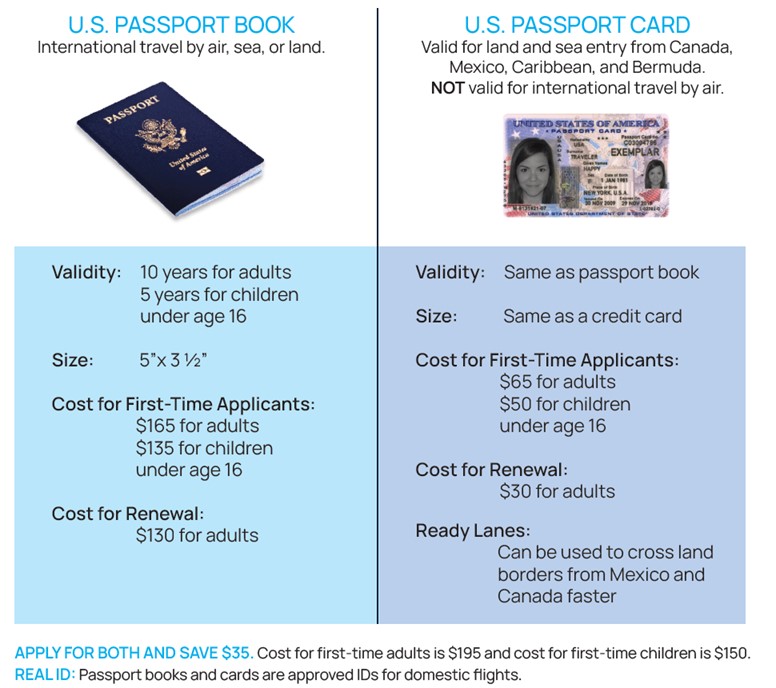
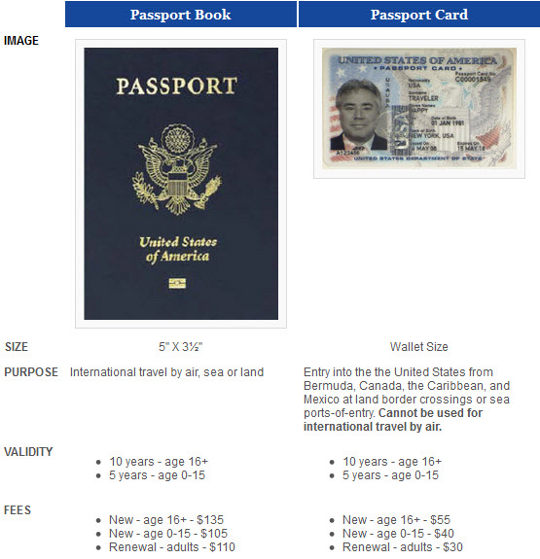
In contrast to the book, the passport card is a wallet-sized ID that was introduced to provide a more convenient and less expensive alternative for specific types of travel. In the United States, for example, the passport card is valid for land and sea crossings between the U.S., Canada, Mexico, the Caribbean, and Bermuda. It cannot, however, be used for international air travel.
From a personal finance standpoint, the passport card is an excellent “redundancy tool.” It is significantly cheaper than the book and fits easily into a standard wallet. For business owners operating in border regions—such as those involved in cross-border logistics or manufacturing—the card offers a streamlined way to manage frequent land crossings without the bulk or the risk of damaging a full passport book. It also serves as a federal-compliant ID under the REAL ID Act, making it a valuable tool for domestic travel and secure access to financial institutions within the country.
The Financial Logistics of Acquisition and Renewal
Strategic financial planning requires a clear understanding of the costs associated with maintaining your credentials. Failing to account for the expiration or the lack of proper documentation can lead to significant opportunity costs, including missed business meetings, delayed contract signings, or emergency travel expenses.
Application Fees and Processing Costs
The cost of obtaining these documents varies depending on the applicant’s age and whether they are applying for the first time or renewing. Generally, the passport book carries a higher premium—often triple the price of the passport card. For a professional, this should be viewed as a capital expenditure.
When applying, one must account for:
- Government Execution Fees: The base cost of processing the application.
- Expedited Service Fees: For those in the middle of a business deal or an urgent relocation, the cost of speed is often worth the investment. Expedited processing can significantly increase the total price, but it ensures that the “mobility asset” is available when needed.
- Ancillary Costs: This includes high-quality passport photos, secure mailing services, and the time-cost of attending an appointment.
For many professionals, applying for both the book and the card simultaneously is the most cost-effective strategy. This “bundling” approach often reduces the total execution fees and provides a secondary form of government-issued ID that can be stored separately from the book, providing a financial safety net in case of loss or theft.
The Opportunity Cost of Document Expiry
One of the most overlooked aspects of personal financial management is the maintenance of travel documents. Most countries require that a passport book be valid for at least six months beyond the date of entry. For a business traveler, an expiring passport is a liability.

Imagine a scenario where a lucrative partnership requires your presence in London or Tokyo within 48 hours. If your passport has only three months of validity remaining, you may be denied boarding, leading to the loss of a contract that could be worth thousands—or millions—of dollars. Regularly auditing your documents and initiating renewals nine months in advance is a simple but vital part of managing your professional infrastructure.
Strategic Mobility as a Business Asset
Beyond the immediate mechanics of travel, the passport book and card play a larger role in the broader strategy of wealth protection and income generation. In an era of economic volatility, the ability to pivot to different jurisdictions is a form of “geographical diversification.”
Facilitating International Trade and Global Networking
For those engaged in side hustles, such as e-commerce or drop-shipping, the ability to visit suppliers in person can lead to better pricing and more reliable supply chains. A passport book allows you to fly to manufacturing hubs like Shenzhen or Ho Chi Minh City to conduct due diligence. This physical presence often results in higher quality control and stronger business relationships, which directly impacts the bottom line of the venture.
Furthermore, international conferences and networking events are often the birthplaces of high-level business collaborations. Having the requisite travel documents ready at all times allows you to capitalize on spontaneous opportunities to meet with investors or partners in global financial centers like Zurich, Dubai, or New York.
Tax Residency and Global Financial Footprints
For digital nomads and those with “online income” streams, the passport book is the primary tool for managing tax residency. Many professionals utilize “flag theory”—the practice of diversifying one’s residency, citizenship, and business registration across different nations to optimize tax efficiency.
The stamps in a passport book serve as a physical record of time spent in various jurisdictions. This record is often crucial when proving to tax authorities that you have met the requirements for foreign earned income exclusions or that you are not a tax resident of a high-tax country. Without the meticulous record-keeping facilitated by a passport book, managing a global tax strategy becomes significantly more difficult and legally precarious.
Protecting Your Financial Identity Abroad
In the realm of personal finance, security is paramount. Your passport is not just a travel document; it is a master key to your identity. If this key is compromised, the financial ramifications can be devastating.
Security Features and Fraud Prevention
Modern passport books and cards are equipped with advanced security features, including biometric chips and specialized inks. The passport card, in particular, often includes Radio Frequency Identification (RFID) technology. While this allows for faster processing at border crossings, it also introduces a potential vulnerability to “skimming”—where bad actors use scanners to steal personal data.
As a financial best practice, travelers should use RFID-blocking sleeves for both their passport card and their credit cards. Protecting the integrity of the biometric chip in the passport book is also essential; if the chip is damaged, the document may be rendered invalid, leading to costly replacements and travel delays.
Digital Backups and Financial Contingency Planning
Just as you would back up your financial records and passwords, you must have a contingency plan for your identification. In the event of a lost or stolen passport book while abroad, having a passport card stored in a separate, secure location (such as a hotel safe) can expedite the replacement process at an embassy.
Additionally, keeping high-resolution digital copies of both documents in a secure, encrypted cloud environment is a standard operating procedure for the financially savvy traveler. These copies can be used to prove identity to banks or authorities if physical documents are lost, ensuring that your access to funds and your ability to conduct business remain uninterrupted.
By viewing the passport book and card as essential components of a broader financial and professional toolkit, individuals can better navigate the complexities of the global economy. Whether it is through the universal access provided by the book or the regional efficiency of the card, these documents are the foundation upon which international success is built. In a world where time is money and mobility is freedom, the strategic management of your travel credentials is one of the highest-return activities you can undertake.
aViewFromTheCave is a participant in the Amazon Services LLC Associates Program, an affiliate advertising program designed to provide a means for sites to earn advertising fees by advertising and linking to Amazon.com. Amazon, the Amazon logo, AmazonSupply, and the AmazonSupply logo are trademarks of Amazon.com, Inc. or its affiliates. As an Amazon Associate we earn affiliate commissions from qualifying purchases.