
In the rapidly evolving landscape of digital commerce and personal finance, few sequences of numbers are as ubiquitous yet frequently misunderstood as the “MM/YY.” Whether you are making an impulsive online purchase, setting up a recurring subscription for a streaming service, or verifying your identity for a new financial app, these four digits are a mandatory gateway. While they may seem like a simple bureaucratic detail, the MM/YY represents a critical intersection of security protocol, hardware longevity, and consumer psychology within the global banking infrastructure.
To the uninitiated, “MM/YY” simply stands for “Month/Year.” It refers to the expiration date printed or embossed on the front or back of credit cards, debit cards, and prepaid cards. However, for the modern consumer, understanding the depth of this financial marker is essential for maintaining a healthy financial life and ensuring the security of one’s digital footprint.
The Anatomy of a Payment Card: Deciphering the MM/YY
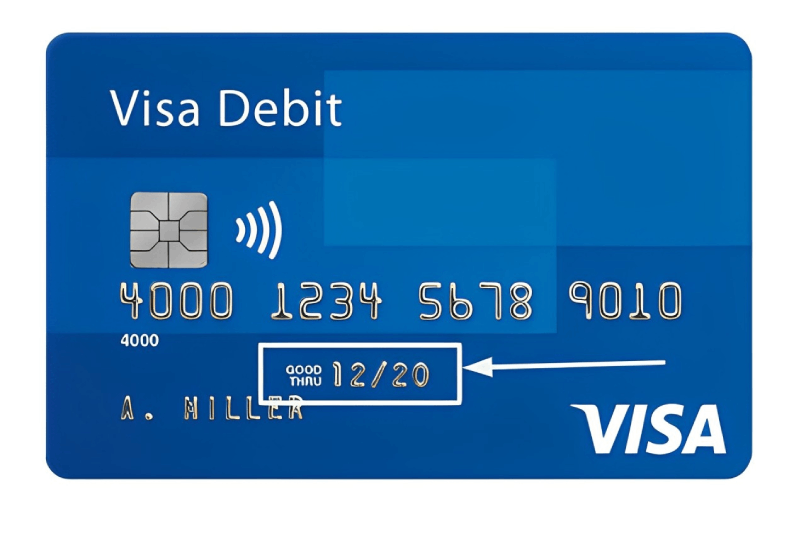
Every standard payment card issued by major networks like Visa, Mastercard, American Express, or Discover follows a standardized layout. Alongside the 16-digit Primary Account Number (PAN) and the Card Verification Value (CVV), the MM/YY serves as the third pillar of cardholder authentication.
The Standardized Format
The MM/YY format is a two-digit representation of the month followed by a two-digit representation of the year. For example, if a card displays “08/26,” the card is valid through the last day of August in the year 2026. Unlike many other forms of identification, financial cards rarely include the specific day of expiration. By industry standard, the card remains active and functional until 11:59 PM on the final day of the specified month.
Physical Placement and Visibility
In the past, these numbers were almost exclusively embossed (raised) on the front of the card to facilitate manual carbon-copy imprinting machines. In the contemporary era of “flat” cards and metal cards, the MM/YY is often laser-etched on the back to provide a sleeker aesthetic and to protect the numbers from physical wear. Regardless of its physical location, the purpose remains the same: to provide a secondary data point that proves the physical or digital presence of a valid, authorized payment instrument.
Why Expiration Dates Exist: Security and Durability
One might wonder why a digital account, which could theoretically last forever, requires a physical card with a built-in “death date.” The reasons are multifaceted, ranging from the physical limitations of plastic to the high-stakes world of cybersecurity.
Fraud Prevention and Verification
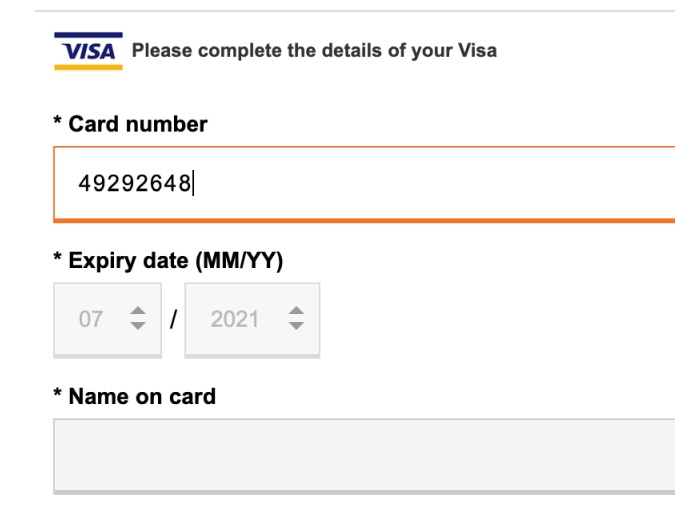
The primary function of the MM/YY in the digital age is to act as a security layer. When you enter your card details into an e-commerce site, the merchant’s payment gateway checks the MM/YY against the records held by the issuing bank. If the date is incorrect, the transaction is immediately declined. This prevents “brute force” attacks where hackers might have your card number but lack the specific expiration and CVV details. Because card numbers are generated following specific algorithms (such as the Luhn algorithm), having an expiration date adds an extra variable that makes it significantly harder for unauthorized parties to guess valid card combinations.
Material Degradation and Technology Cycles
Physical cards undergo significant stress. They are swiped, dipped into EMV chip readers, and tapped against NFC terminals. Over time, the magnetic stripe can demagnetize, the plastic can crack, and the internal antennae for contactless payments can fail. Setting an expiration date—typically three to five years from issuance—ensures that the consumer periodically receives a fresh piece of hardware.
Furthermore, the technology inside the card evolves. Over the last decade, we have seen a global shift from magnetic stripes to EMV chips, and then to dual-interface contactless cards. Expiration dates provide a natural “refresh cycle” that allows banks to phase out obsolete security technology and migrate their entire user base to more secure, modern standards without requiring a massive, synchronized recall.
Portfolio Management for Issuers
From a business finance perspective, expiration dates allow banks to re-evaluate their relationship with the customer. When a card is nearing its MM/YY limit, the bank’s automated systems trigger a review. This is an opportunity for the issuer to update the card’s branding, offer a higher credit tier, or even close accounts that have been dormant for years. It keeps the bank’s active portfolio lean and up-to-date.
The Lifecycle of Your Finances: Managing Expirations and Renewals
The MM/YY is not just a static number; it is a ticking clock that requires active management by the consumer. Failing to keep track of these dates can lead to service interruptions and financial headaches.
Automatic Renewals and the “Subscription Trap”
In the current “subscription economy,” many of our monthly bills—from utility payments to gym memberships—are tied to a specific card. When your card reaches its MM/YY expiration, these automated payments will fail. While many large merchants use “Account Updater” services (where the bank automatically provides the new card details to the merchant), not all businesses have access to this technology. A forgotten expiration date can lead to a lapsed insurance policy or a missed internet bill, which can occasionally result in late fees or a temporary loss of service.
Impact on Credit Scores and Account Longevity
It is a common misconception that when a card expires, the account itself closes. In reality, the line of credit remains open; only the physical access tool (the card) is expiring. From a personal finance standpoint, this is good news. The age of your credit accounts is a significant factor in your credit score. When you receive a replacement card with a new MM/YY and CVV, your account history remains intact. However, if you use the expiration as an excuse to stop using the card entirely, the bank might eventually close the account due to inactivity, which could potentially lower your average account age and impact your credit score.
Best Practices for Receiving a New Card
When your bank sends a replacement card—usually 30 to 60 days before the current MM/YY—there are several steps you should take:
- Activate Immediately: Follow the instructions to activate the new card via an app or phone call. This often automatically deactivates the old card.
- Update “Card on File” Merchants: Log into your primary accounts (Amazon, Netflix, Apple/Google Pay) and update the expiration date and CVV.
- Secure Disposal: Once the new card is active, destroy the old one. A cross-cut shredder designed for plastic is best, ensuring you cut through the chip and the magnetic stripe.
Digital Wallets and the Future of MM/YY
As we move toward a “cashless” and “cardless” society, the role of the physical MM/YY is changing. Digital wallets like Apple Pay, Google Wallet, and Samsung Pay are revolutionizing how expiration dates are handled.
Tokenization and the Virtualization of Data
When you add a card to a digital wallet, the app doesn’t actually store your real card number or its MM/YY. Instead, it uses a process called “tokenization.” It creates a virtual “Device Account Number” that represents your card. Even if the underlying physical card has an expiration date, the tokenized version in your phone can sometimes be updated seamlessly in the background by the bank, meaning you might not ever need to manually update your phone’s payment info when your physical plastic card expires.
Dynamic Security Codes
The future of the MM/YY might involve “Dynamic CVVs” or even rotating expiration dates. Some high-tech cards now feature a small e-ink screen on the back that changes the security code every few minutes. While the MM/YY remains relatively static for now, the industry is moving toward a model where static numbers are replaced by temporary, digital credentials that make intercepted data useless to thieves.
Security Best Practices for Protecting Your Card Data
Given that the MM/YY is a vital component for online transactions, protecting it is just as important as protecting your PIN.
Avoiding Phishing and Skimming
Fraudsters often use “phishing” emails to trick you into providing your card number, MM/YY, and CVV. They may claim your account is locked or that you have an unpaid invoice. Always remember that a legitimate bank will never ask you for your full card details via email or text. Additionally, be wary of “skimmers” at gas stations or ATMs—physical overlays that record your card’s data as you insert it. Using “tap to pay” instead of “dipping” or “swiping” is a much more secure way to pay, as it hides the MM/YY and other data through encryption.
The Importance of the “Card-Not-Present” Environment
Most fraud occurs in “Card-Not-Present” (CNP) environments—essentially, the internet. When you provide your MM/YY to an online merchant, you are trusting them with a key to your finances. Using virtual credit cards (offered by many modern banking apps) allows you to set a unique MM/YY and card number for a single transaction or a specific merchant, ensuring that if that merchant is hacked, your primary card remains safe.
In conclusion, the MM/YY is far more than a simple date. It is a sophisticated tool designed to balance the convenience of modern commerce with the rigorous demands of financial security. By understanding why these dates exist and how to manage them, consumers can better navigate the digital economy, protect their assets, and ensure their financial tools remain sharp and ready for use. Whether it is printed on a piece of titanium or stored in a secure digital vault, the MM/YY remains a cornerstone of the way we exchange value in the 21st century.
aViewFromTheCave is a participant in the Amazon Services LLC Associates Program, an affiliate advertising program designed to provide a means for sites to earn advertising fees by advertising and linking to Amazon.com. Amazon, the Amazon logo, AmazonSupply, and the AmazonSupply logo are trademarks of Amazon.com, Inc. or its affiliates. As an Amazon Associate we earn affiliate commissions from qualifying purchases.