
In the evolving landscape of sports simulation software, the transition from static menu interfaces to immersive, three-dimensional environments represents a significant leap in user experience (UX) design. For WWE 2K25, the rumored and highly anticipated “Island” serves as more than just a thematic nod to the “Island of Relevancy” popularized by Roman Reigns; it functions as a sophisticated software hub designed to test the limits of current-gen hardware. By moving away from traditional tab-based navigation, the developers at Visual Concepts are utilizing the Island as a persistent digital world that integrates asset streaming, social connectivity, and high-fidelity rendering into a singular, cohesive application layer.
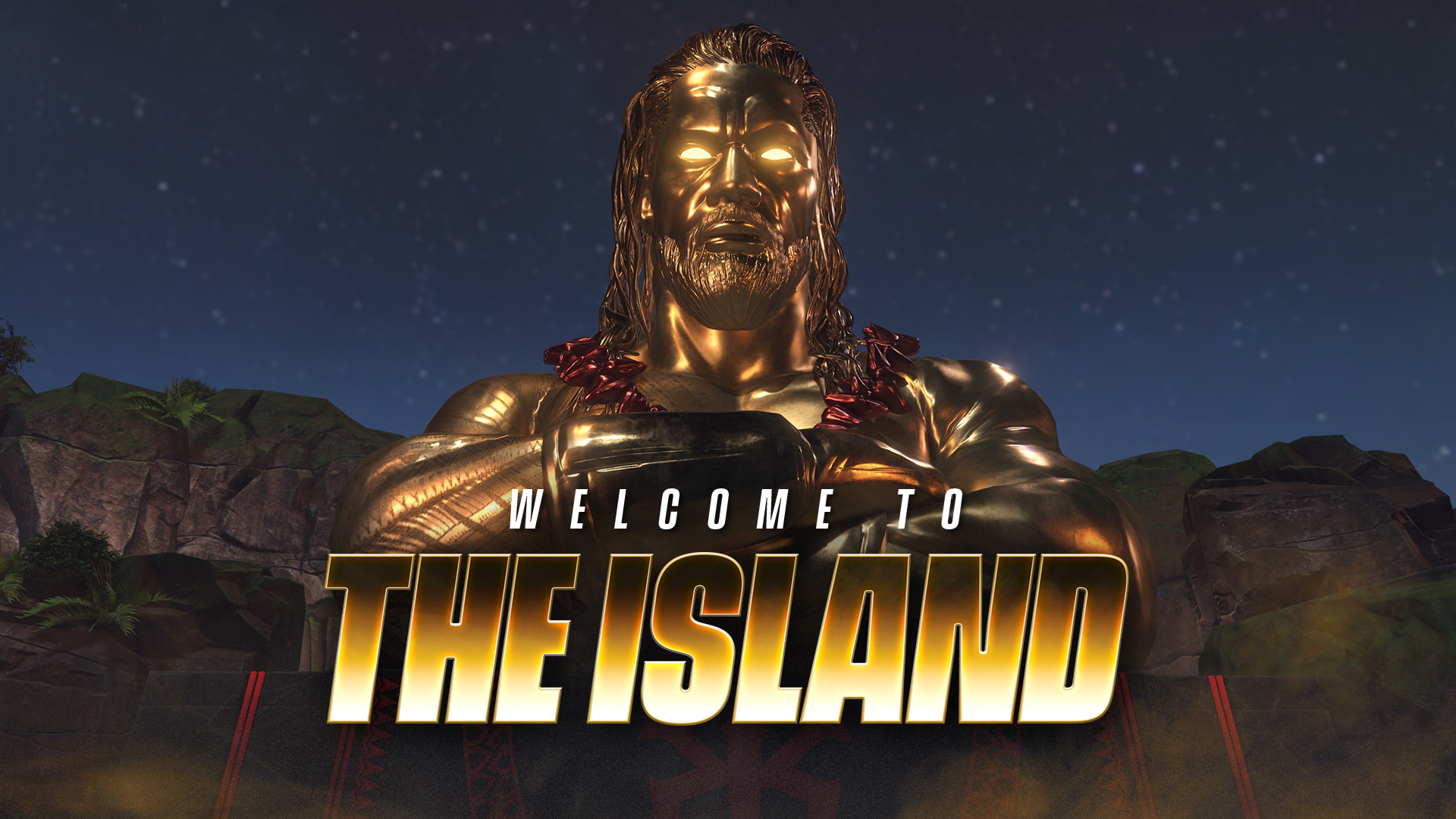
Understanding “The Island” requires a deep dive into the technical architecture of WWE 2K25. This environment is not merely a background for character selection; it is a complex intersection of procedural generation, dynamic lighting, and network-synced asset management. As the franchise pushes further into the ninth generation of consoles, the Island represents the pinnacle of how software can bridge the gap between narrative storytelling and functional software engineering.
The Evolution of Digital Hubs in Sports Simulation Software
For decades, sports games relied on “The Menu”—a series of 2D overlays that handled database queries for rosters, match types, and settings. However, as processing power has increased, software developers have shifted toward “Gamified Hubs.” The Island in WWE 2K25 is the technical successor to these early experiments, providing a localized sandbox where the game’s engine can pre-load assets in the background while the user interacts with the environment.
From Menu Navigation to Immersive Environments
The technical shift from 2D menus to a 3D environment like the Island serves a dual purpose. First, it masks background loading times. While a user “walks” their digital avatar across the shoreline or enters a training facility on the Island, the software is actively streaming high-resolution textures and motion-capture data for the upcoming match into the system’s RAM. This seamless transition is made possible by the high-speed I/O throughput of modern NVMe SSDs, which allow the game to swap massive datasets without the need for traditional loading screens.
Secondly, the Island serves as a persistent state for the MyCareer and MyRISE modules. In previous iterations, these modes were partitioned into separate executable states. In WWE 2K25, the Island acts as the “main loop” of the software, keeping the player’s character model active and rendered at all times. This requires a robust memory management system to ensure that the fidelity of the Island environment does not compromise the performance of the core wrestling engine.
The Island of Relevancy as a Technical Landmark
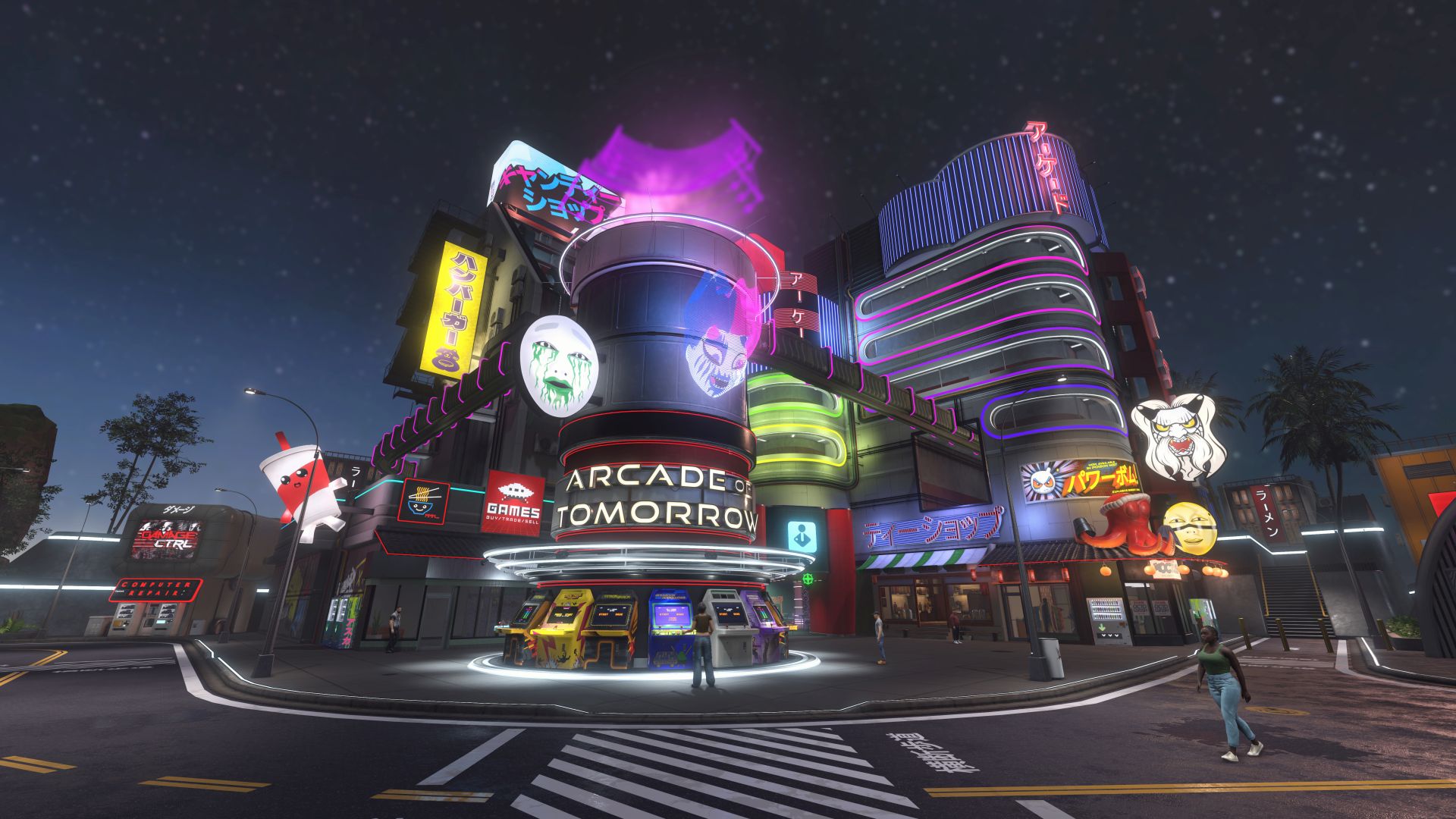
From a software design perspective, the Island is a thematic implementation of a “Social Hub.” Taking cues from MMO (Massively Multiplayer Online) architecture, the developers have created a space where players can interact with AI-driven NPCs and other live players. The “Island of Relevancy” theme dictates the visual aesthetic—tropical flora, high-end architectural structures, and dynamic water physics—but the underlying code is focused on load balancing and instance management. By partitioning the Island into different “sectors,” the software can manage how many high-poly models are rendered simultaneously, preventing frame rate drops in high-traffic areas.
Architectural Foundations: The Engine Powering The Island
At the heart of the Island is the proprietary engine utilized by Visual Concepts, which has undergone significant optimization for WWE 2K25. To render a vast, outdoor environment like the Island, the engine must handle different lighting calculations than it does for an indoor arena.
Lighting and Global Illumination in Tropical Settings
One of the standout technical features of the Island is its use of Real-Time Global Illumination (RTGI). Unlike the controlled, static lighting of a wrestling ring, the Island features a dynamic day-night cycle. This requires the software to calculate how sunlight bounces off sand, water, and foliage in real-time. The developers utilize a hybrid rendering approach, combining traditional rasterization with hardware-accelerated ray tracing for reflections on the water surrounding the Island.
The shaders used for the tropical environment are particularly complex. The “sand shader” utilizes tessellation to create realistic footprints and displacement, while the water physics use a shallow-water simulation algorithm to replicate the movement of waves against the shore. These features are not just for visual flair; they demonstrate the engine’s ability to handle high-vertex counts and complex physics calculations outside of the localized physics of a wrestling match.
Physics Engines and Interactive Asset Management
The Island serves as a playground for the game’s updated physics engine. In WWE 2K25, the interaction between the character model and the environment has been overhauled. This is handled through a sophisticated collision detection system that manages how fabrics (like the wrestlers’ clothing) and hair respond to the “wind” variables programmed into the Island’s weather system.
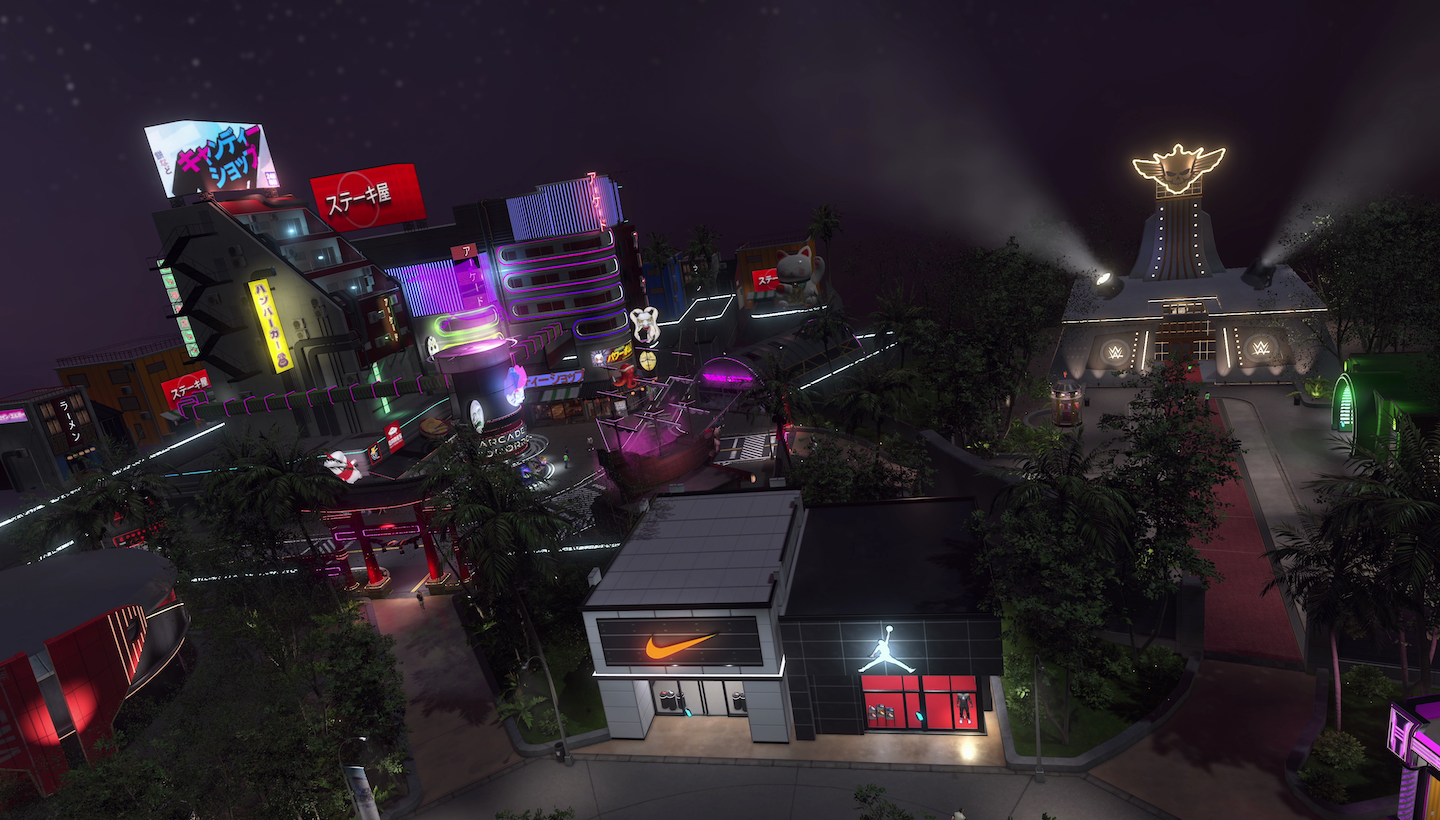
Furthermore, the Island acts as a repository for “Smart Objects.” These are environmental assets that the player can interact with to trigger specific animations or software events. Whether it is a training machine that opens a stat-progression menu or a trophy room that queries a local database of the player’s achievements, each object on the Island is an entry point to a different subsystem of the game’s code.
The Role of AI and Procedural Integration
The Island is far from a ghost town. It is populated by various AI entities that make the world feel alive. The technical challenge here lies in “Crowd Simulation Logic” applied to a non-linear space.
Crowds and NPC Behavioral Logic
In a standard match, crowd AI is relatively simple—they stay in their seats and react to specific triggers. On the Island, the NPC AI must navigate a 3D nav-mesh. The software uses a behavioral tree system to dictate NPC actions, such as walking between waypoints, interacting with other NPCs, or reacting to the player’s presence. This requires a dedicated portion of the CPU’s cycles, particularly on PC and high-end consoles, to ensure that the Island feels like a living ecosystem without impacting the responsiveness of the player’s controls.
Dynamic Content Delivery Systems
The Island also functions as a visual front-end for the game’s Live Service elements. Using a Dynamic Content Delivery (DCD) system, the software can update the Island’s appearance based on real-world WWE events. For example, during the lead-up to WrestleMania, the Island’s assets might be swapped out for themed banners and structures without requiring a full software patch. This is achieved through a “hot-loading” process where the game checks a remote server for new asset manifests upon startup and integrates them into the Island’s environment.
Connectivity and the Social Layer of WWE 2K25
A primary function of the Island in WWE 2K25 is to facilitate online interaction. This introduces a layer of networking complexity that traditional wrestling games rarely had to navigate.
Network Latency and Synchronized Multi-User Spaces
When multiple players inhabit the same Island instance, the software must synchronize their positions and actions with minimal latency. WWE 2K25 utilizes a client-server architecture where the server acts as the “authority” on player positions. To prevent “rubber-banding” (the visual glitch where a player snaps back to a previous position), the software employs dead reckoning and interpolation algorithms. These techniques predict where a player is moving based on their current velocity, smoothing out the visual experience even when packet loss occurs.
Data Security and Digital Asset Management
Because the Island is the gateway to the “MyFACTION” store and “Community Creations,” digital security is paramount. The software uses encrypted API calls to communicate with the game’s backend servers, ensuring that transactions and custom character downloads are secure. The Island acts as the visual interface for these databases; when a player visits a “Marketplace” stall on the Island, the software is actually performing a secure query to an external SQL database to retrieve the latest item list and pricing.
Future Implications: Toward a Persistent Wrestling Metaverse
The introduction of the Island in WWE 2K25 marks a turning point in the series’ technological trajectory. It signals a move away from the “annual release” mindset toward a more “platform-centric” model. By building a robust, expandable hub like the Island, the developers are creating a foundation that can be iterated upon for years to come.
This approach aligns with broader trends in the gaming industry where “hubs” become the central focus of the software. From a tech perspective, this means the developers are prioritizing modularity. The Island’s code is likely designed to be modular, allowing new “islands” or landmasses to be added in future updates or iterations. This scalability is essential for maintaining a long-term user base and providing a platform that can grow alongside advancements in hardware and cloud computing.
In conclusion, the Island in WWE 2K25 is not just a gimmick or a piece of fan service; it is a sophisticated piece of software engineering. It represents the integration of high-end rendering, complex AI, and seamless networking into a singular user experience. As players explore the shores of this digital environment, they are witnessing the future of how sports simulations will be structured—moving away from static menus and toward persistent, living digital worlds that push the boundaries of what gaming hardware can achieve.
aViewFromTheCave is a participant in the Amazon Services LLC Associates Program, an affiliate advertising program designed to provide a means for sites to earn advertising fees by advertising and linking to Amazon.com. Amazon, the Amazon logo, AmazonSupply, and the AmazonSupply logo are trademarks of Amazon.com, Inc. or its affiliates. As an Amazon Associate we earn affiliate commissions from qualifying purchases.