
In the landscape of higher education financing, few opportunities carry as much weight, both financially and prestigiously, as the Coca-Cola Scholarship. For students and parents navigating the increasingly complex world of personal finance and college savings, understanding the nuances of this program is essential. The Coca-Cola Scholars Program is not merely a one-time grant; it is a significant financial asset that functions as a cornerstone for merit-based education funding in the United States. As tuition costs continue to outpace inflation, identifying high-value “full-ride” or high-stipend opportunities like this is a critical component of a robust financial plan for any prospective university student.
Understanding the Financial Mechanics of the Coca-Cola Scholars Program
The Coca-Cola Scholars Foundation operates as one of the largest corporate-sponsored scholarship programs in the world. Since its inception in 1986, the foundation has provided over $75 million in aggregate funding to thousands of students. For the individual recipient, the scholarship represents a $20,000 investment in their academic future.
The $20,000 Stipend: Disbursement and Use Cases
The primary financial benefit of being named a Coca-Cola Scholar is the $20,000 merit-based award. From a personal finance perspective, it is important to understand how these funds are managed. Unlike some smaller grants that are paid directly to the student, the Coca-Cola Scholarship is typically disbursed directly to the educational institution the student attends.
The funds are structured to cover “cost of attendance” (COA) expenses. This includes tuition, mandatory fees, on-campus housing, and meal plans. In some instances, depending on the university’s specific financial aid policies, the funds may also be applied toward books and required supplies. For students who have already secured other forms of aid, such as institutional grants or Pell Grants, the Coca-Cola Scholarship serves as a “gap-filler,” significantly reducing or entirely eliminating the need for high-interest private student loans.
Tax Implications of Scholarship Awards
Recipients and their families must also consider the tax implications of such a large financial award. According to IRS guidelines, scholarship funds used for “qualified education expenses”—primarily tuition and required fees—are generally tax-free. However, any portion of the scholarship used for “non-qualified” expenses, such as room and board, may be considered taxable income. When managing a $20,000 award, strategic financial planning is required to ensure that the student is prepared for any potential tax liabilities, often making it beneficial to consult with a tax professional during the filing season following the first disbursement.
Strategic Application: Maximizing Your Educational ROI
Securing a Coca-Cola Scholarship is a high-stakes endeavor with a massive return on investment (ROI). With over 90,000 applicants each year and only 150 scholars selected, the acceptance rate is less than 0.2%. From a business and planning perspective, the time invested in the application process can yield a “hourly rate” equivalent to thousands of dollars if successful.
The Selection Tiers: Navigating the Competitive Funnel
The application process is structured in three distinct phases, each acting as a filter to identify students who represent the best “investment” for the foundation’s capital.
- Phase One: The Initial Application: This phase focuses on quantitative data. Students are evaluated based on their GPA, the rigor of their course load, and their history of community service and leadership. There are no essays or letters of recommendation required at this stage, making it a low-cost, high-potential entry point for students.
- Phase Two: Semifinalists: Approximately 1,600 to 1,900 students are moved to this stage. Here, the process becomes more qualitative. Students must submit essays, a secondary school report, and a letter of recommendation. This is where the student must “brand” their accomplishments to prove they are a leader worth investing in.
- Phase Three: Regional Finalists and Interviews: Around 250 students are selected for regional interviews. These interviews are conducted by a panel of previous scholars and foundation staff. The final 150 are then designated as Coca-Cola Scholars.
Financial Planning for the Application Season
For many families, the “money” aspect of the scholarship starts before the award is even given. The process of maintaining a high GPA, participating in extracurriculars, and preparing for interviews often involves costs related to tutoring, club fees, and travel. Viewing these as “capital expenditures” toward a future scholarship can help families rationalize the early costs of high school achievement.
The Role of Merit-Based Aid in Personal Wealth Management

The Coca-Cola Scholarship is a prime example of merit-based aid, which differs fundamentally from need-based aid. While need-based aid is determined by a family’s Free Application for Federal Student Aid (FAFSA) results and Expected Family Contribution (EFC), merit-based aid like the Coca-Cola Scholarship is awarded regardless of financial status.
Reducing the Necessity for Private Student Loans
The most immediate financial impact of the Coca-Cola Scholarship is the reduction of student debt. The average student loan debt for recent graduates in the U.S. hovers around $30,000. A $20,000 scholarship covers two-thirds of that average debt load.
By avoiding these loans, students also avoid the compounding interest that often doubles or triples the principal balance over a 10-to-20-year repayment period. In terms of lifetime wealth accumulation, a student who graduates debt-free thanks to merit scholarships can begin investing in a 401(k) or a brokerage account immediately upon entering the workforce, rather than directing those funds toward debt service. This “early start” in the market can lead to hundreds of thousands of dollars in additional net worth by retirement.
“Stacking” and the Displacement Policy
A critical financial strategy for Coca-Cola Scholars is navigating “scholarship displacement.” Some universities will reduce their own institutional aid if a student brings in outside scholarships. It is vital for students to research the financial aid policies of their target universities. A savvy financial move is to prioritize schools that allow “stacking,” where the $20,000 Coca-Cola award is added on top of existing aid rather than replacing it.
Beyond the Cash: The Long-Term Economic Value of the Scholars Network
While the $20,000 is the headline figure, the “hidden” financial value of the Coca-Cola Scholarship lies in its network. The foundation refers to its recipients as a “life-long family” of over 6,000 alumni.
Social Capital as a Financial Multiplier
In the world of business and finance, your network is often equated with your net worth. Coca-Cola Scholars gain access to an exclusive alumni network that includes industry leaders, tech innovators, and political figures. This access translates into:
- Exclusive Internship Opportunities: Many alumni-led companies prioritize hiring fellow scholars, providing a direct pipeline to high-earning career paths in finance, tech, and law.
- Mentorship Programs: Access to high-level mentors can accelerate a professional’s career trajectory, leading to faster promotions and higher salary negotiations.
- Entrepreneurial Support: The network often serves as an informal venture capital community where scholars can find co-founders, advisors, or early-stage investors for business ventures.
When factoring in these career-long benefits, the actual economic value of the scholarship far exceeds the initial $20,000 grant. It serves as a credential that signals “high-potential” to every future employer or investor.
Corporate Philanthropy and the Future of Education Funding
From a broader business finance perspective, the Coca-Cola Scholarship is a masterclass in corporate social responsibility (CSR) and brand equity. By investing in the academic potential of high school seniors, the Coca-Cola Company creates a positive feedback loop that benefits both society and its corporate identity.
Human Capital Investment
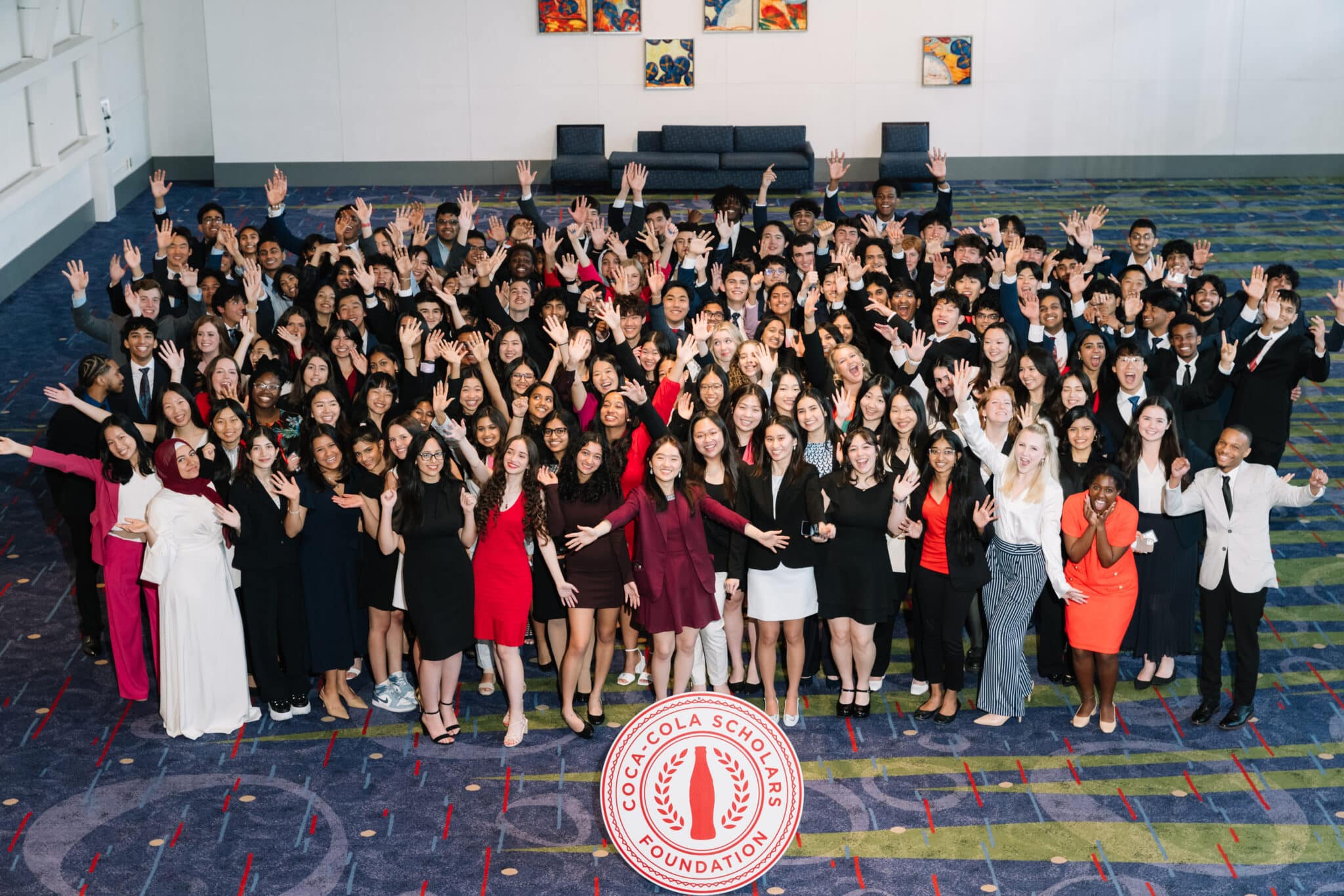
For a corporation, funding a scholarship is an investment in “human capital.” By supporting the education of 150 of the brightest minds each year, the foundation is ensuring that the future workforce—of which they may eventually hire—is skilled and well-educated. Furthermore, these programs allow corporations to offset tax liabilities while generating significant goodwill.
The Sustainability of Merit-Based Grants
As the cost of living and education continues to rise, the sustainability of these grants is often questioned. However, the Coca-Cola Scholars Foundation is an independent 501(c)(3) non-profit, funded by both the Coca-Cola Company and its bottling partners. This diversified funding structure ensures that the scholarship remains a stable financial resource for students regardless of short-term fluctuations in the global beverage market.
For the savvy student of finance, the Coca-Cola Scholarship is more than a trophy; it is a strategic financial tool. It provides the liquidity needed to pursue elite education, the security of a debt-free start to professional life, and the invaluable social capital required to thrive in a competitive global economy. Understanding its structure, its application process, and its long-term benefits is the first step toward securing a significant financial advantage in the journey toward academic and professional success.
aViewFromTheCave is a participant in the Amazon Services LLC Associates Program, an affiliate advertising program designed to provide a means for sites to earn advertising fees by advertising and linking to Amazon.com. Amazon, the Amazon logo, AmazonSupply, and the AmazonSupply logo are trademarks of Amazon.com, Inc. or its affiliates. As an Amazon Associate we earn affiliate commissions from qualifying purchases.