
In the world of global gastronomy, few products command as much silent authority as sushi vinegar. While the consumer often focuses on the freshness of the fish or the aesthetic presentation of a nigiri platter, the true differentiator of a sushi brand—whether it is a high-end Michelin-starred omakase counter or a multinational retail chain—is the seasoned vinegar used to prepare the rice. Known in Japan as sushizu, sushi vinegar is more than a simple condiment; it is a foundational element of brand identity, a masterclass in market positioning, and a prime example of how a singular ingredient can drive a multi-billion dollar global industry.
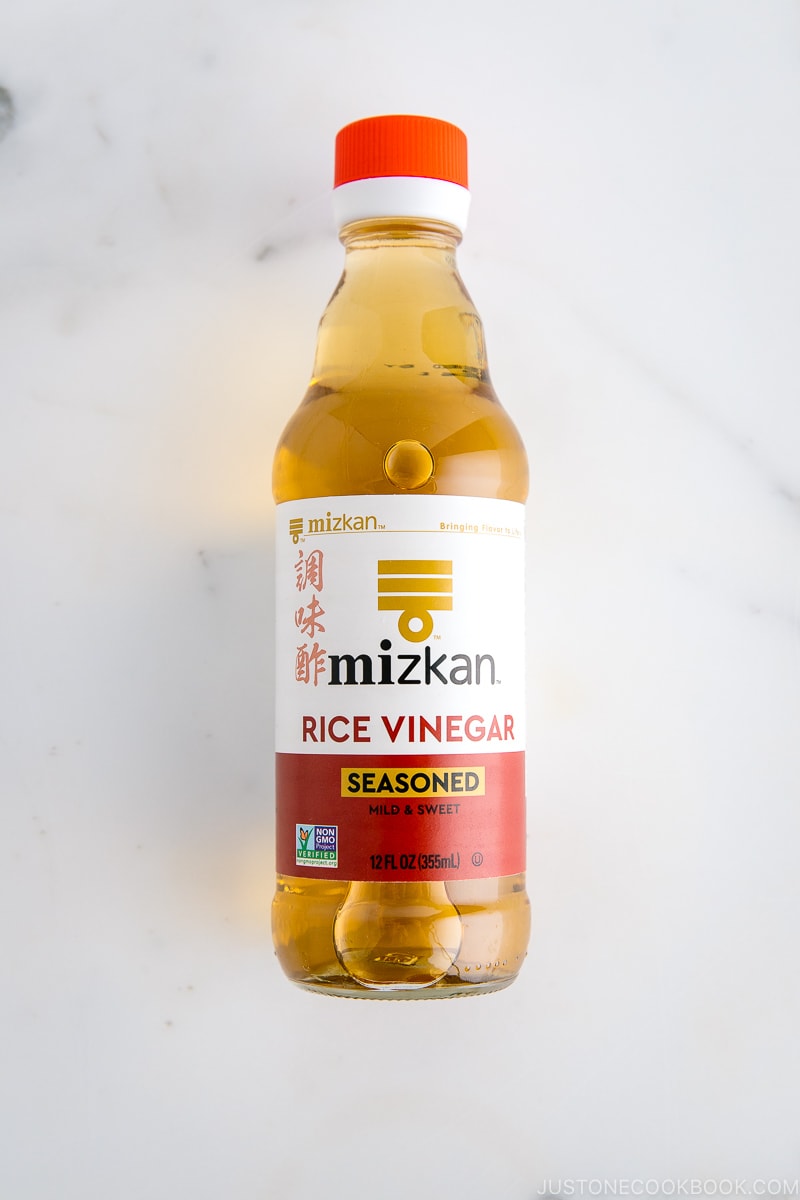
To understand what sushi vinegar is, one must look past its basic chemical composition of rice vinegar, sugar, and salt. From a brand strategy perspective, it represents the intersection of tradition, proprietary innovation, and the strategic pursuit of the “umami” profile that defines professional-grade Japanese cuisine.
The Identity of a Staple: Beyond the Acidic Profile
At its core, sushi vinegar is a seasoned liquid used to flavor steamed rice, transforming it into shari (sushi rice). However, the “brand” of the rice depends entirely on the specific ratios and quality of the vinegar used. For a brand to succeed in the competitive culinary market, its sushi vinegar must achieve a perfect balance of acidity, sweetness, and salinity.
The Anatomy of the Product
The base of any high-quality sushi vinegar is fermented rice vinegar. The branding of these vinegars often hinges on the fermentation process. Traditional brands emphasize long-term aging in cedar casks, which develops a complex, mellow profile. This “slow-food” branding appeals to the modern consumer’s desire for authenticity and artisanal quality.
The addition of salt and sugar (or sometimes mirin) creates the “seasoned” profile. For corporate food brands, the challenge is consistency. A brand like Mizkan or Marukan must ensure that every bottle produced across global facilities maintains the exact same pH level and flavor notes, as their corporate identity is built on reliability for both home cooks and professional chefs.
Differentiation through Proprietary Blends
In the world of high-end culinary branding, top chefs rarely use off-the-shelf sushi vinegar. Instead, they develop “signature blends.” This is a form of personal branding. By mixing different types of vinegar—such as akazu (red vinegar made from sake lees) and komezu (clear rice vinegar)—a chef creates a flavor profile that cannot be replicated. This exclusivity becomes a core part of the restaurant’s brand equity, attracting enthusiasts who seek a unique sensory experience.
Scaling Authenticity: How Major Brands Control the Global Market
The global sushi market is projected to continue its aggressive expansion, and the “sushi vinegar” segment is a critical driver of this growth. Major Japanese corporations have mastered the art of brand scaling, taking a traditional, localized product and turning it into a global commodity without losing its cultural cachet.
The Mizkan Case Study: Heritage as a Marketing Moat
Mizkan, a company with over 200 years of history, provides a blueprint for successful brand strategy in the condiment space. They did not just sell vinegar; they sold the history of the Edo period. By positioning themselves as the original providers of vinegar to the early sushi stalls of Tokyo, they established a “heritage moat” that competitors find difficult to breach.
Their branding strategy focuses on “The Flavor of Japan,” a broad but powerful marketing message that resonates with international markets. By offering various tiers of sushi vinegar—from value-priced seasoned vinegars for supermarkets to premium, naturally brewed versions for upscale retailers—they capture multiple market segments while maintaining a unified corporate identity centered on expertise.
Strategic Packaging and Global Positioning
The branding of sushi vinegar also involves significant “Westernization” of packaging for global exports. Brands have learned to balance Japanese aesthetics (kanji, minimalist design) with clear, benefit-driven English labeling. Labels often highlight “Non-GMO,” “Gluten-Free,” and “No High Fructose Corn Syrup” to align with modern health-conscious branding trends in North America and Europe. This strategic shift ensures the product is seen not just as an ethnic specialty item, but as a clean-label pantry essential.

The Premiumization of Su: Crafting Luxury through Artisanal Branding
As the global palate becomes more sophisticated, a new niche has emerged: the premiumization of sushi vinegar. This mirrors the trends seen in the coffee, chocolate, and wine industries, where origin and process dictate the brand’s value.
The Rise of Akazu and the “Vintage” Narrative
Akazu, or red sushi vinegar, has seen a resurgence in luxury branding. Traditionally used in the Edo era, it was largely replaced by cheaper white vinegar in the mid-20th century. Today, luxury brands are reviving akazu as a premium product. Because it is made from sake lees that have been aged for several years, it carries a “vintage” narrative.
From a marketing standpoint, akazu is sold much like a fine balsamic vinegar or a single-malt scotch. The branding focuses on the years of aging, the depth of color, and the richness of the amino acids. This allows brands to command a significant price premium, targeting a demographic that values “culinary storytelling” and historical accuracy.
Sustainable Branding and the “Craft” Movement
Smaller, artisanal vinegar breweries (known as kura) are leveraging the “Craft” movement to compete with corporate giants. Their brand strategy revolves around transparency, local sourcing of rice, and sustainable production methods. By highlighting the lack of industrial additives and the use of traditional static fermentation, these brands appeal to the “conscious consumer.” This niche branding proves that in the world of sushi vinegar, smaller can be better if the brand narrative emphasizes quality over quantity.
Strategic Integration: Sushi Vinegar as a Competitive Advantage
For businesses in the food and beverage sector, the choice of sushi vinegar is a strategic decision that affects the bottom line and the brand’s perception. Whether it is a “grab-and-go” sushi kiosk or a fine-dining establishment, the vinegar serves as a primary tool for customer retention.
Consistency in Corporate Identity
For franchised sushi brands, the “What is sushi vinegar?” question is answered through standardization. A franchise’s brand promise is that the California roll in London will taste exactly like the one in New York. To achieve this, the brand must utilize a proprietary, pre-mixed sushi vinegar that eliminates the margin for error. This operational efficiency is the backbone of their corporate strategy, ensuring that the brand’s reputation for consistency remains untarnished.
Value-Added Marketing for Retailers
Retailers can leverage the “professional” nature of sushi vinegar to drive cross-sales. By branding a specific sushi vinegar as “The Secret Ingredient for Restaurant-Quality Rice,” retailers can educate the consumer and increase the basket value. This educational marketing strategy—providing recipes, QR codes for tutorials, and pairing suggestions—transforms a simple commodity into a high-value tool for the home chef.
The Future of the Sushi Vinegar Market
As we look toward the future, the branding of sushi vinegar will likely move further into the digital and technological realms. We are already seeing “smart” fermentation monitoring and blockchain-enabled traceability being used as brand pillars to prove authenticity and origin.
Digital Security and Brand Protection
As premium vinegar brands gain value, the risk of counterfeiting increases. Top-tier Japanese brands are beginning to use NFC tags and unique digital identifiers on their premium akazu bottles to ensure that the chef and the end consumer are receiving the genuine product. This integration of tech and tradition is a burgeoning trend in high-end brand protection.

Conclusion: The Invisible Essence of a Global Icon
In summary, sushi vinegar is far more than an acidic component of a Japanese meal. It is a sophisticated product at the heart of a global branding ecosystem. For the manufacturer, it is a vehicle for heritage and innovation. For the chef, it is a tool for personal branding and flavor differentiation. For the consumer, it is the invisible essence that defines what “good sushi” actually is.
Understanding the strategic importance of sushi vinegar allows one to see the broader mechanics of the food industry. It is a testament to how a simple liquid, perfected over centuries and marketed with precision, can define the culinary identity of an entire nation and capture the imagination—and the wallets—of the global market. In the high-stakes world of food branding, sushi vinegar remains the silent, indispensable ambassador of excellence.
aViewFromTheCave is a participant in the Amazon Services LLC Associates Program, an affiliate advertising program designed to provide a means for sites to earn advertising fees by advertising and linking to Amazon.com. Amazon, the Amazon logo, AmazonSupply, and the AmazonSupply logo are trademarks of Amazon.com, Inc. or its affiliates. As an Amazon Associate we earn affiliate commissions from qualifying purchases.