
In the competitive landscape of the food and beverage industry, few dishes have managed to transition from a regional comfort food to a global brand icon as effectively as soon tofu. While the literal translation refers to soft, uncurdled tofu (soondubu), in the context of global commerce and brand strategy, “Soon Tofu” represents a sophisticated case study in niche marketing, cultural scaling, and corporate identity. To understand what soon tofu is in the modern marketplace is to understand how a single, specific product can be leveraged to build an international empire, outperforming broader, more generalized competitors.
For entrepreneurs, brand strategists, and marketing professionals, the rise of soon tofu offers a blueprint for how to take a traditional asset and refine its brand architecture for a global audience without losing its authentic core. It is no longer just a soup; it is a branded experience that commands high customer loyalty and significant market share.
The Anatomy of a Niche Brand: Specialization vs. Generalization
The first pillar of the soon tofu brand strategy is the power of specialization. In a saturated market, general “Korean cuisine” restaurants often face the challenge of overwhelming menus and a lack of a clear “hero product.” Soon tofu brands, however, have mastered the art of the “narrow and deep” strategy. By centering an entire business model around a single dish, these brands create an immediate association in the consumer’s mind: when you think of soft tofu, you think of a specific brand name.
Defining the Hero Product
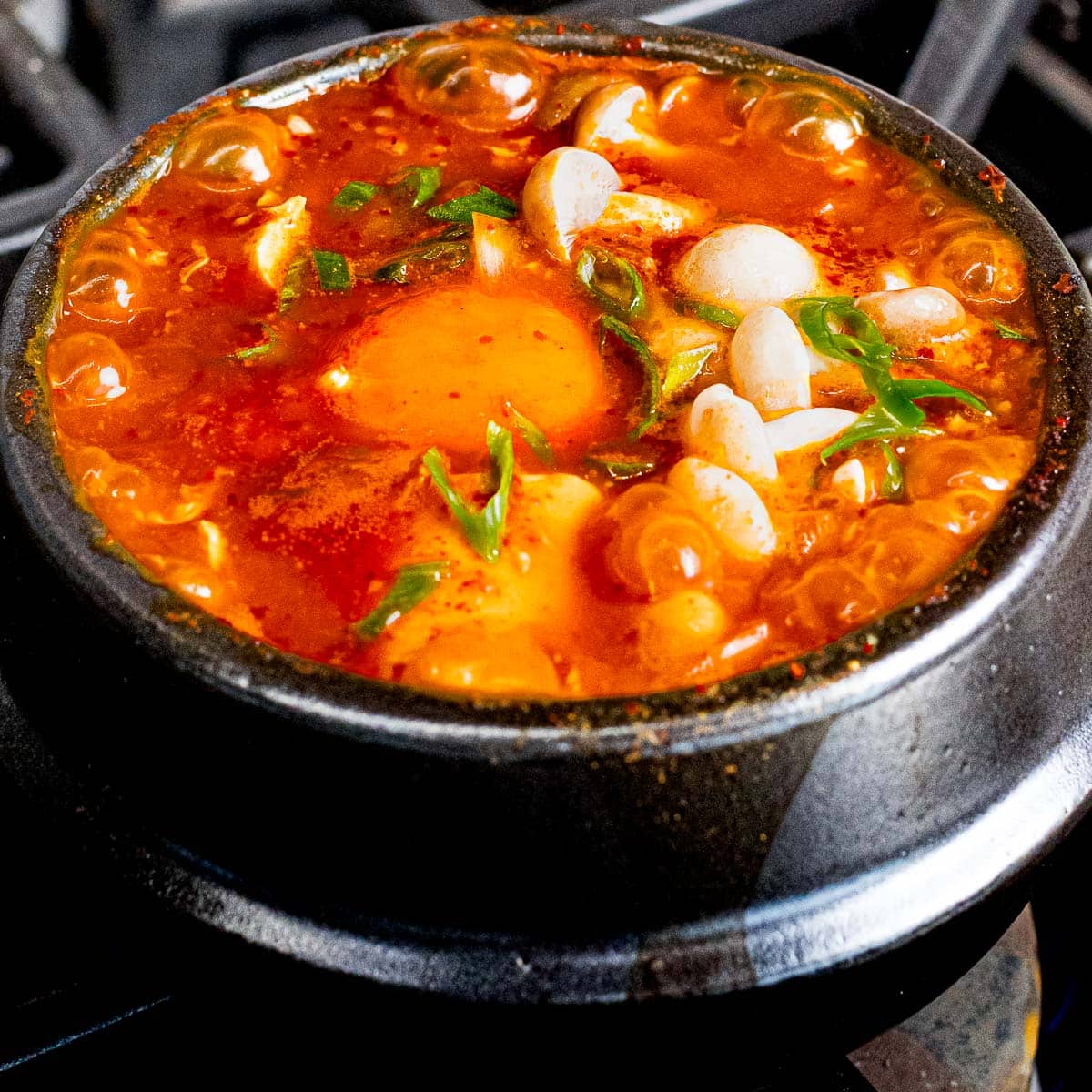
A hero product is the cornerstone of any strong brand. In the case of soon tofu, the product itself possesses unique physical properties that aid in branding. The visual contrast of the bright red, spicy broth against the pristine white, silken tofu creates a high-level “visual identity” that is instantly recognizable. From a brand design perspective, this creates a consistent aesthetic that can be replicated across social media, menu photography, and interior design.
The Power of Micro-Niche Authority
By focusing exclusively on soon tofu, brands establish themselves as the definitive authority on the subject. This expertise builds trust—a critical component of brand equity. When a brand claims to do one thing and do it better than anyone else, it reduces the “paradox of choice” for the consumer. In the money-driven world of F&B, this specialization leads to higher operational efficiency, lower waste, and a more streamlined supply chain, all of which contribute to a healthier bottom line.
From Regional Staple to Global Identity: The BCD Tofu House Case Study
One cannot discuss the branding of soon tofu without analyzing the impact of BCD Tofu House. Founded in Los Angeles by Hee Sook Lee, BCD (named after the Bukchang-dong district in Seoul) is the primary reason “Soon Tofu” exists as a recognized brand category in the West. This transition from a local eatery to a multi-national chain is a masterclass in corporate identity and scaling.
Standardizing the Experience
The hallmark of a successful global brand is consistency. Whether a customer enters a soon tofu establishment in New York, Los Angeles, or Seoul, the brand promise must remain the same. BCD and its competitors achieved this by standardizing everything from the heat levels of the broth (ranging from “plain” to “very spicy”) to the specific side dishes (banchan) served. This standardization is what transforms a “mom-and-pop” recipe into a scalable brand asset.
Cultural Translation as Brand Strategy
The genius of the soon tofu brand expansion was its ability to translate Korean culture into a format that appealed to a diverse demographic. The brand didn’t just sell soup; it sold a “healthy, customizable, and exotic yet accessible” lifestyle. By marketing the dish’s health benefits—high protein, low calorie, and probiotic-rich—the brand tapped into the wellness trend, positioning itself as a premium choice for health-conscious urban professionals.
Sensory Branding: Beyond the Menu
Successful branding engages all five senses, and soon tofu is uniquely suited for this approach. The “brand experience” of consuming the dish is meticulously choreographed to ensure maximum engagement and memorability. This sensory branding is what keeps customers returning and drives the high “revisit rate” seen in successful tofu franchises.
The Sizzle and the Stone Pot
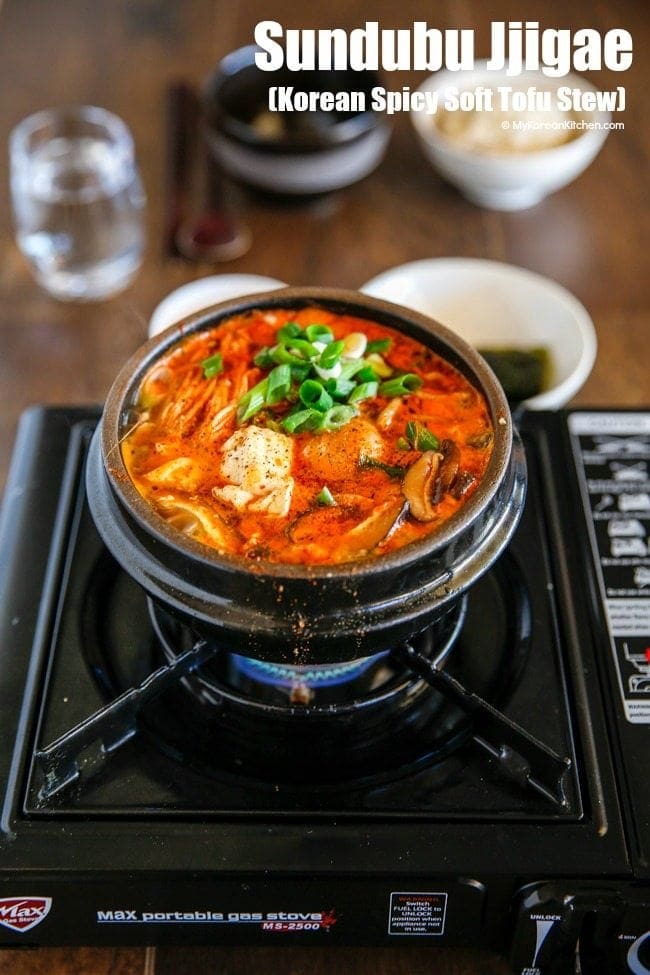
The use of the ttukbaegi (stone pot) is a deliberate choice in sensory branding. The sound of the boiling soup as it reaches the table and the visual steam create a sense of theater. This “sizzling” element is the brand’s auditory signature. Much like the “fajita effect” in Western dining, the arrival of a bubbling soon tofu pot signals quality and freshness to everyone in the room, acting as a powerful, non-verbal marketing tool for other patrons.
Customization and Consumer Agency
Modern branding thrives on personalization. Soon tofu brands allow customers to choose their protein (beef, seafood, pork, mushroom), their spice level, and even the addition of a raw egg to be cracked into the boiling broth. This level of interaction gives the consumer a sense of ownership over the product. From a marketing psychology perspective, when customers are involved in the “creation” of their meal, their perceived value of the product increases, leading to higher brand satisfaction.
Market Positioning: The “Healthy” Brand Narrative
In the global marketplace, the “Soon Tofu” brand is positioned at the intersection of comfort food and health food. This dual-positioning is a powerful competitive advantage. While many “fast-casual” brands struggle to be perceived as both delicious and nutritious, soon tofu occupies this space naturally.
Leveraging the Health Equity
As consumers become more fiscally conscious about their dietary choices, they look for brands that offer “functional” value. Tofu is a plant-based powerhouse, and by leading with this ingredient, brands capitalize on the massive shift toward vegetarian-forward diets. The brand narrative often emphasizes the “pure” and “natural” aspects of the tofu-making process—sometimes even showcasing the tofu-making machinery in the restaurant itself to reinforce the brand’s commitment to transparency and quality.
Premiumization of the Mundane
Strategic branding involves taking a common or inexpensive ingredient (like soy beans) and elevating it through presentation and narrative. Soon tofu brands have successfully “premiumized” what was once a humble dish. By focusing on high-quality ingredients, specialized ceramics, and a sophisticated interior aesthetic, these brands can command higher price points, effectively increasing their margins and market valuation.
The Future of Culinary Branding: Lessons for Modern Entrepreneurs
The story of soon tofu is more than just a culinary trend; it is a lesson in how to build a resilient, scalable, and highly profitable brand in a crowded market. As we look toward the future of the F&B industry, several key takeaways emerge from the soon tofu model that are applicable to any sector.
1. Own the Category
To succeed, a brand should aim not just to be the best in a category, but to be the category. “Soon Tofu” has become synonymous with a specific type of high-protein, spicy, comforting dining experience. Brands that can achieve this level of category ownership enjoy a significant “moat” that protects them from competitors.
2. Consistency is the Currency of Trust
For a brand to scale, the product must be the same every time. The rigorous standardization seen in top-tier tofu chains ensures that the brand equity built in one location carries over to the next. This reliability is the foundation of corporate identity.
3. Embrace Cultural Identity as a Competitive Edge
In a globalized world, authenticity is a premium brand attribute. Soon tofu brands did not “water down” their identity to fit Western tastes; instead, they educated the market and leaned into their heritage. This authenticity creates a deep emotional connection with the audience, which is the ultimate goal of any brand strategy.
4. Visual and Sensory Cues Matter
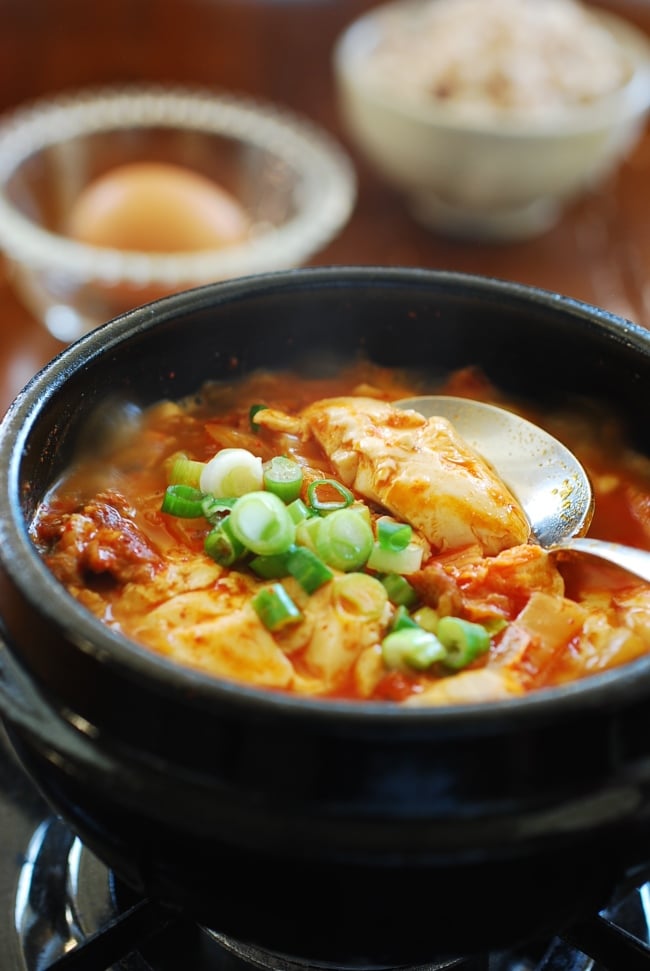
A brand is more than a logo. It is the color of the broth, the heat of the pot, and the ritual of the meal. Investing in these unique sensory touchpoints creates a “sticky” brand that stays in the consumer’s mind long after the transaction is complete.
In conclusion, when asking “what is soon tofu,” the answer from a professional brand perspective is clear: it is a masterpiece of niche market penetration. It is a product that has been expertly packaged, standardized, and marketed to transition from a traditional Korean staple to a global powerhouse of corporate identity. For any business looking to scale a specific product into a household name, the soon tofu strategy provides an invaluable roadmap for success.
aViewFromTheCave is a participant in the Amazon Services LLC Associates Program, an affiliate advertising program designed to provide a means for sites to earn advertising fees by advertising and linking to Amazon.com. Amazon, the Amazon logo, AmazonSupply, and the AmazonSupply logo are trademarks of Amazon.com, Inc. or its affiliates. As an Amazon Associate we earn affiliate commissions from qualifying purchases.