
In the rapidly evolving landscape of digital infrastructure, SEO monitoring has transitioned from a periodic check-up to a continuous, automated technical necessity. At its core, SEO monitoring is the systematic process of tracking a website’s technical health, visibility, and performance across search engine results pages (SERPs). While traditional SEO focuses on content creation and link building, SEO monitoring functions as the diagnostic layer that ensures the underlying technology of a website remains optimized for search engine crawlers and end-users alike.
In a tech-driven ecosystem where search algorithms are updated thousands of times per year, maintaining a static website is no longer viable. SEO monitoring provides the real-time telemetry required to detect regressions, identify server-side errors, and capitalize on algorithmic shifts before they result in a loss of traffic or revenue. It is the intersection of web development, data science, and systems administration, aimed at maintaining a perfect bridge between a server and the global search index.
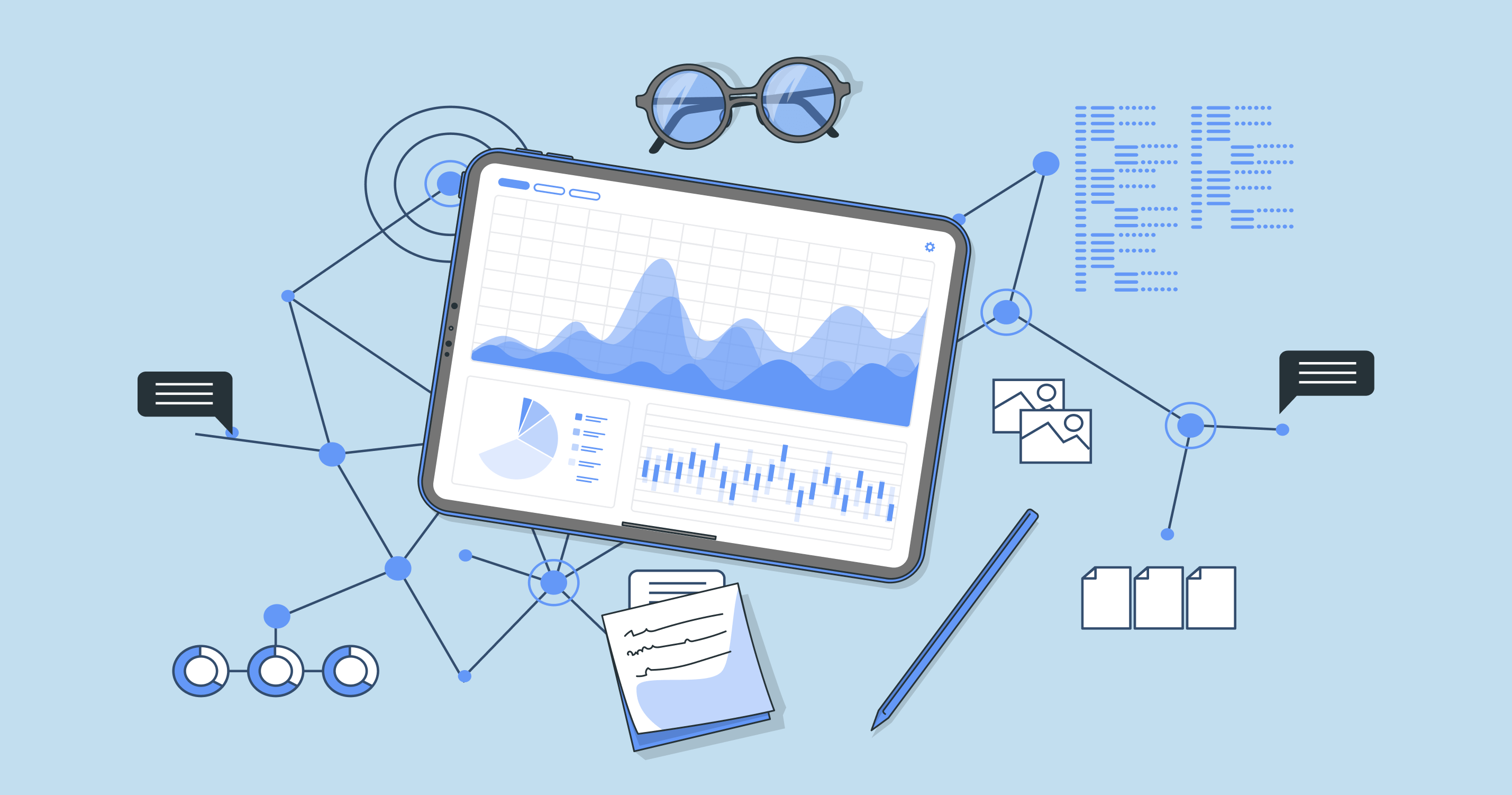
The Technical Architecture of SEO Monitoring Systems
To understand SEO monitoring, one must first look at the technological framework that powers it. This isn’t merely about checking keyword rankings; it involves a sophisticated stack of automated crawlers, API integrations, and data visualization tools designed to mirror the behavior of search engine bots like Googlebot or Bingbot.
Automated Crawling and Indexing Checks
The foundation of any robust SEO monitoring strategy is a scheduled crawling protocol. Using cloud-based software, developers can simulate search engine behavior to identify structural weaknesses. These tools scan the site’s architecture for broken links (404 errors), redirect loops (301/302 chains), and server-side failures (5xx errors). By monitoring these technical elements daily, a DevOps team can catch a deployment error that accidentally blocks a major directory via the robots.txt file—a mistake that could otherwise de-index an entire site within hours.
Real-Time Performance Telemetry
Modern SEO monitoring integrates directly with the site’s server logs and real-user monitoring (RUM) data. By analyzing log files, technical teams can see exactly when and how often search engine bots visit specific pages. This data is crucial for “crawl budget” optimization—ensuring that search engines aren’t wasting resources on low-value pages while ignoring high-priority content. Furthermore, monitoring tools track server response times (Time to First Byte) to ensure that the infrastructure can handle both organic traffic spikes and the intensive resource demands of frequent crawling.
Key Technological Components: From Core Web Vitals to AI Insights
As search engines have become more sophisticated, the metrics involved in SEO monitoring have shifted toward technical user experience and machine learning interpretations of data.
Measuring Core Web Vitals and Site Speed
Google’s introduction of Core Web Vitals (CWV) turned page speed and visual stability into a quantified ranking factor. Consequently, SEO monitoring now involves tracking Largest Contentful Paint (LCP), First Input Delay (FID), and Cumulative Layout Shift (CLS). Monitoring these metrics requires a deep dive into frontend performance, tracking how JavaScript execution, CSS delivery, and image compression impact the user’s browser. High-end monitoring tools provide “waterfall” charts that help developers pinpoint exactly which script or third-party asset is slowing down the render process.
Natural Language Processing (NLP) and Keyword Intelligence
On the data side, SEO monitoring leverages Natural Language Processing (NLP) to analyze search intent and content relevance. Instead of simply tracking “keywords,” modern tools use semantic analysis to monitor how a site ranks for “entities” and “topics.” This involves tracking the “Share of Voice” within a specific niche and using AI-driven alerts to notify webmasters when a competitor’s technological update allows them to capture featured snippets or “People Also Ask” boxes. This level of monitoring allows for a proactive rather than reactive stance toward content optimization.
Tracking SERP Feature Volatility
Search engine result pages are no longer just a list of ten blue links. They are dynamic environments filled with maps, carousels, ads, and AI-generated overviews. SEO monitoring tracks the presence of these SERP features. If a search engine introduces a new AI-generated response at the top of a key query, a monitoring system identifies this “pixel-depth” change. It alerts the team that while their ranking may remain at #1, their actual visibility has decreased due to the layout change, necessitating a change in technical markup or structured data.
The Role of SEO Monitoring in Digital Security and Site Integrity

One of the most overlooked aspects of SEO monitoring is its role as an early warning system for digital security breaches and technical regressions. In the tech world, SEO health is often the “canary in the coal mine” for broader site issues.
Detecting Malicious Redirects and Content Injections
Hackers often target high-authority websites to inject “cloaked” content or malicious redirects that are invisible to regular users but visible to search engine bots. A comprehensive SEO monitoring system will flag sudden spikes in indexed pages or unexpected changes in the site’s meta-titles across different regions. By detecting these anomalies early, security teams can remediate “SEO spam” attacks before search engines blacklist the domain, protecting both the site’s reputation and its technical integrity.
Monitoring SSL Certificates and Protocol Health
Search engines prioritize secure websites (HTTPS). SEO monitoring includes automated checks on SSL/TLS certificate expiration dates and protocol versions. A lapsed certificate or a downgrade in encryption standards (e.g., reverting to TLS 1.0) can trigger immediate warnings in search consoles and browser-level blocks. Constant monitoring ensures that the handshake between the server and the visitor remains secure and compliant with the latest web standards.
Preventing Technical Debt in Code Deployments
In continuous integration and continuous deployment (CI/CD) environments, new code is pushed to production daily. Without SEO monitoring, a developer might accidentally push a “noindex” tag from a staging environment to the live site. By integrating SEO monitoring into the deployment pipeline, teams can run “SEO smoke tests” that verify critical technical elements—like canonical tags, schema markup, and Hreflang attributes—remain intact after every update. This prevents the accumulation of technical debt that can slowly erode a site’s search visibility over time.
Choosing the Right Tech Stack for Enterprise SEO Monitoring
Effective SEO monitoring requires a curated stack of tools that provide both breadth and depth. The choice of technology depends on the scale of the website and the complexity of its infrastructure.
Integration with Google Search Console and Bing Webmaster Tools APIs
The primary source of truth for SEO monitoring is the data provided directly by search engines. Advanced monitoring systems use APIs to pull data from Google Search Console (GSC) and Bing Webmaster Tools. This allows for the creation of custom dashboards that combine search engine data with internal business intelligence. By automating this data retrieval, companies can track “Impression Volume” and “Click-Through Rate” (CTR) at a granular level, identifying specific URLs that are underperforming relative to their historical benchmarks.
Using Python and Automation for Scaled Monitoring
For enterprise-level sites with millions of pages, manual monitoring is impossible. Many technical SEOs utilize Python libraries like Advertools or BeautifulSoup to build custom monitoring scripts. These scripts can be scheduled via Cron jobs to check for specific conditions, such as the presence of valid JSON-LD schema or the correct implementation of “Lazy Loading” for images. Furthermore, these scripts can be integrated into Slack or Microsoft Teams, providing instant notifications to the engineering team when a critical SEO metric falls outside of its normal range.
The Rise of AI-Powered Predictive Monitoring
The future of SEO monitoring lies in predictive analytics. By feeding historical traffic data and algorithmic update logs into machine learning models, companies can begin to predict how a future update might affect their visibility. Predictive monitoring tools can simulate “what-if” scenarios: “If we improve our LCP by 200ms, what is the projected increase in organic visibility?” This moves SEO monitoring from a descriptive science (what happened) to a prescriptive one (what we should do next).
Implementing a Scalable Monitoring Framework
To derive value from SEO monitoring, organizations must move beyond the collection of data and focus on actionable insights. A scalable framework involves three distinct phases: Detection, Analysis, and Remediation.
- Detection: Setting up automated alerts for “Critical Failures” (e.g., 50% drop in indexed pages) and “Warning Signals” (e.g., gradual increase in page load time). These alerts should be categorized by severity to prevent “alert fatigue” among developers.
- Analysis: Using diagnostic tools to correlate SEO changes with technical updates. If rankings dropped on Tuesday, was there a server migration? Did a new JavaScript framework deployment change the way the page is rendered?
- Remediation: Creating a direct pipeline between monitoring insights and the development backlog. Technical SEO should not exist in a vacuum; it must be part of the standard sprint cycle where technical errors identified by the monitoring system are prioritized and fixed alongside other software bugs.
By treating SEO monitoring as a core component of the technological stack, companies can ensure their digital assets are not only visible today but are resilient enough to withstand the shifts of tomorrow’s algorithmic landscape. It is the ultimate insurance policy for any organization that relies on the internet to connect with its audience.
aViewFromTheCave is a participant in the Amazon Services LLC Associates Program, an affiliate advertising program designed to provide a means for sites to earn advertising fees by advertising and linking to Amazon.com. Amazon, the Amazon logo, AmazonSupply, and the AmazonSupply logo are trademarks of Amazon.com, Inc. or its affiliates. As an Amazon Associate we earn affiliate commissions from qualifying purchases.