
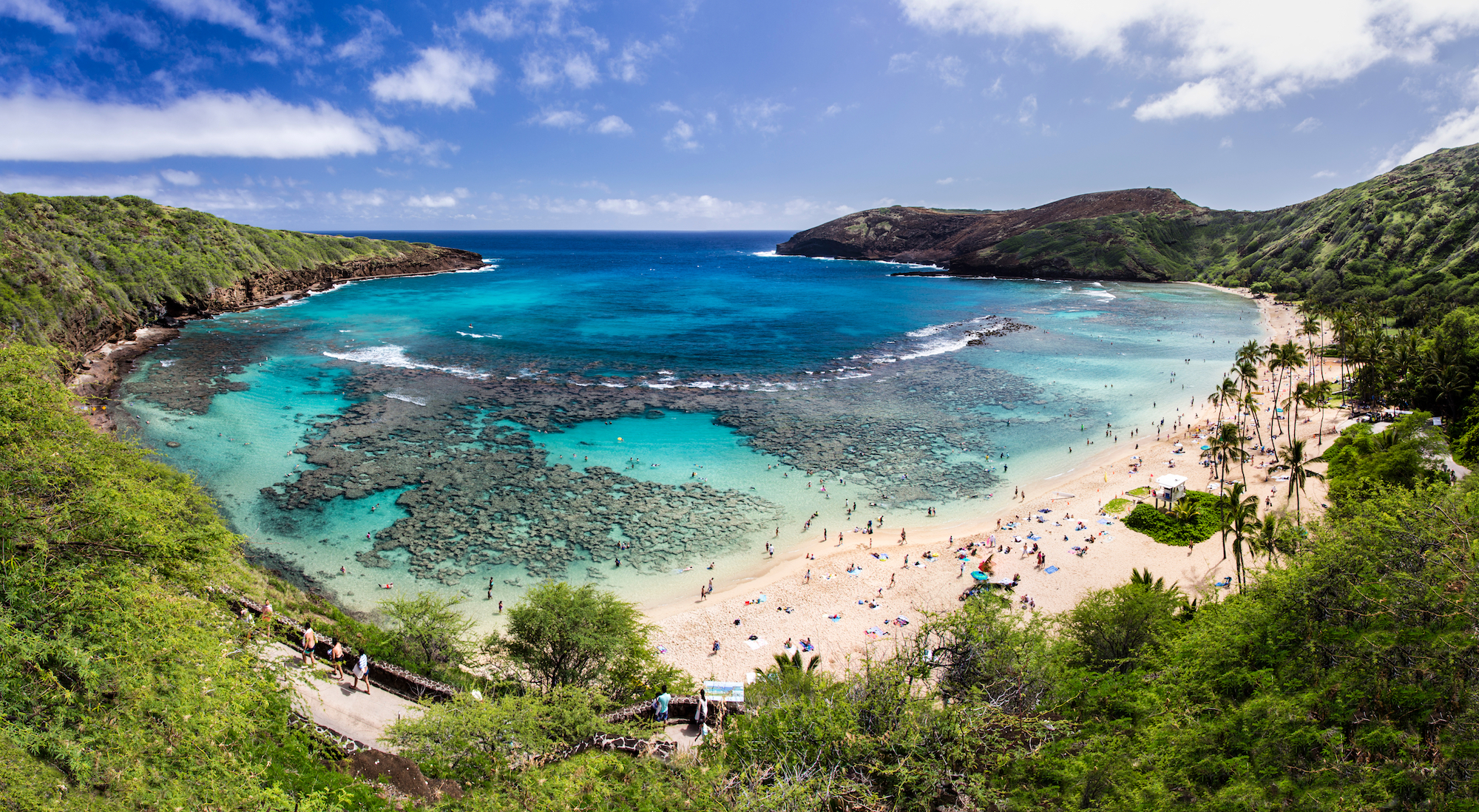
For decades, the global perception of Oahu has been defined by its status as a premier travel destination. However, beneath the surface of its tourism-driven economy, a sophisticated and rapidly expanding technological infrastructure is taking root. When we ask “what is on Oahu” from a professional perspective today, the answer is no longer just hospitality and real estate; it is a strategic nexus of undersea data cables, renewable energy innovation, aerospace research, and a burgeoning community of digital nomads. Oahu is transitioning into a vital mid-Pacific tech hub, serving as a digital bridge between the North American and Asia-Pacific markets.
The Digital Foundation: Undersea Connectivity and Infrastructure
The most critical technological asset on Oahu is one that remains largely invisible to the public: its role as a primary landing point for trans-Pacific fiber-optic cables. This infrastructure is the backbone of global internet connectivity, making the island far more than a remote geographic outpost.
The Pacific Data Bridge
Oahu serves as a central switching station for several major undersea cable systems, including the Southern Cross Cable, the Hawaiki Cable, and the Japan-U.S. Cable Network. These high-capacity links provide the low-latency connectivity required for high-frequency trading, cloud computing, and real-time data synchronization between Silicon Valley and Asian tech capitals like Tokyo, Seoul, and Singapore. By hosting these landing stations, Oahu ensures that it possesses a level of bandwidth and digital reliability that rivals major mainland metropolises.
Smart City Initiatives and the 5G Rollout
Honolulu, the state’s urban core on Oahu, has become a testing ground for integrated smart city technologies. The deployment of 5G infrastructure has been accelerated to support not only consumer mobile speeds but also the Internet of Things (IoT) applications in urban management. From intelligent traffic management systems that reduce congestion in the dense Honolulu corridor to smart grid sensors that monitor electricity distribution, the island is leveraging data to solve the unique logistical challenges of island life. These initiatives provide a blueprint for how isolated geographies can use tech to enhance sustainability and operational efficiency.
The Rise of the “Silicon Island”: Innovation and Startups
Oahu is witnessing a shift in its entrepreneurial landscape. Local accelerators and incubators are moving beyond traditional business models to foster a specialized “Blue Tech” and “Green Tech” sector. This movement aims to diversify the economy by leveraging the island’s natural environment as a laboratory for global solutions.
Accelerators and Strategic Growth
Organizations like Blue Startups and Mana Up have been instrumental in putting Oahu on the venture capital map. Blue Startups, in particular, focuses on scalable technology companies that can utilize Hawaii’s unique position as a bridge between East and West. These accelerators provide the mentorship and capital necessary for local founders to scale their software-as-a-service (SaaS) platforms and hardware innovations to a global audience. The focus is often on dual-use technologies—products that have both commercial applications and utility for the significant military presence on the island.
Clean Tech and Renewable Energy Integration
Oahu is a world leader in the transition to renewable energy, driven by the state’s mandate to reach 100% renewable energy by 2045. This has created a massive demand for energy-tech solutions. The island is currently home to advanced microgrid projects and virtual power plants (VPPs) that use AI-driven software to balance solar and wind inputs with battery storage. Companies specializing in grid-edge technology and long-duration energy storage are finding Oahu to be the ideal environment for pilot programs. The lessons learned on Oahu’s electrical grid are now being exported to other isolated power systems and mainland utilities facing similar decarbonization challenges.
The Remote Work Revolution: Oahu as a Global Digital Nomad Hub
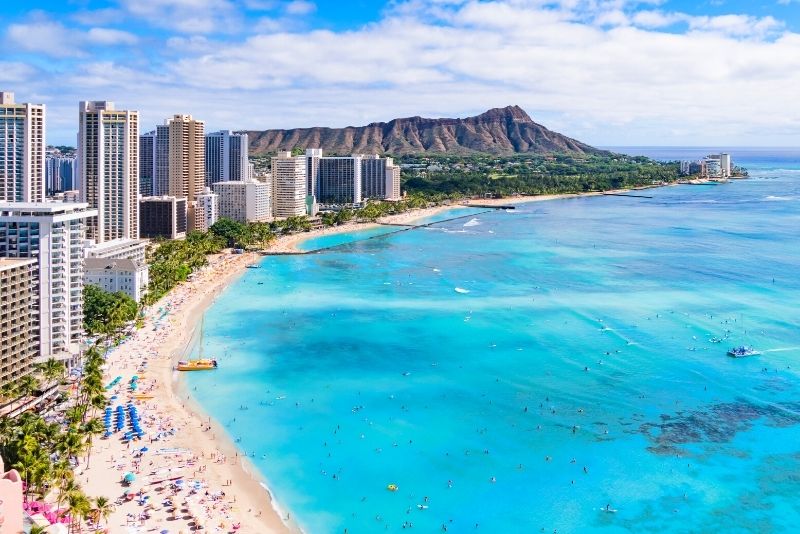
The global shift toward distributed workforces has fundamentally altered the demographic of “what is on Oahu.” The island has become a premier destination for high-tier tech talent—developers, product managers, and cybersecurity experts—who are no longer tethered to physical offices in San Francisco or Seattle.
High-Speed Infrastructure for the Distributed Workforce
The prevalence of high-speed fiber internet in residential areas, combined with a growing number of sophisticated co-working spaces in neighborhoods like Kaka’ako, has made Oahu a viable long-term base for tech professionals. This influx of talent is not just a lifestyle trend; it is contributing to the local tech ecosystem through knowledge transfer and local networking. Tech meetups and hackathons on the island are seeing increased participation from professionals who bring experience from “Big Tech” firms, further elevating the local standard for software development and digital strategy.
Cybersecurity and Data Sovereignty
With a high concentration of remote workers and a significant military and government presence, cybersecurity has become a dominant sub-sector of the Oahu tech economy. There is a robust demand for localized security operations centers (SOCs) and firms specializing in zero-trust architecture and encrypted communications. As remote work increases the attack surface for multinational corporations, the professionals living on Oahu are often at the forefront of implementing advanced security protocols to protect proprietary data across distributed networks.
Aerospace and Defense Tech: A Strategic Digital Fortress
Oahu’s geographic location in the center of the Pacific makes it one of the most strategically important locations for aerospace and defense technology in the world. This sector drives a significant portion of the island’s R&D investment and high-tech employment.
Satellite Communications and Space Exploration
The island hosts critical satellite tracking and command facilities. These installations are essential for maintaining global GPS networks, weather monitoring, and deep-space communications. Furthermore, Oahu serves as a logistics hub for the Pacific Spaceport Complex and various commercial space ventures. The integration of satellite data with local terrestrial networks allows for advanced applications in maritime tracking, disaster response, and environmental monitoring, creating a high-tech ripple effect across the local economy.
Defense-Driven Research and Development
The presence of major military commands, such as USINDOPACOM, attracts a steady stream of defense contractors specializing in advanced electronics, artificial intelligence for reconnaissance, and autonomous systems. This “defense-tech” corridor on Oahu fosters a high-density environment of specialized engineers and data scientists. Programs like the National Security Innovation Network (NSIN) facilitate collaboration between the Department of Defense and local tech startups, ensuring that cutting-edge innovations in areas like drone technology and resilient communications are developed and tested right on the island.
The Future of Oahu’s Tech Landscape: Scaling in Paradise
The evolution of Oahu into a tech-centric economy is not without its challenges, yet the trajectory is clear. The island is moving away from a reliance on physical exports and tourism, leaning instead into the “weightless” economy of software, data, and intellectual property.
Education and Workforce Development
To sustain this growth, there is an increasing focus on STEM education within local institutions like the University of Hawaii at Manoa. Coding bootcamps and data science certifications are becoming more prevalent, aimed at ensuring the local workforce can fill the high-paying roles created by the expanding tech sector. The goal is to create a self-sustaining cycle where local talent can stay on the island to build global companies, rather than “brain draining” to the mainland.

Cultivating a Unique Innovation Identity
Oahu’s tech identity is uniquely defined by its constraints. Because it is an island, it must innovate in areas of resource management, energy independence, and remote connectivity. This “island-as-a-lab” mentality is what attracts investors and researchers. Whether it is developing AI to monitor coral reef health or building blockchain solutions for transparent supply chain management in the Pacific, the tech being built on Oahu is designed to be resilient, efficient, and globally applicable.
In conclusion, when assessing what is on Oahu today, we find a sophisticated digital landscape that belies its tropical exterior. From the deep-sea cables that power the global internet to the aerospace facilities tracking the stars, Oahu has positioned itself as a vital, high-tech engine in the modern global economy. It is a location where the natural world meets the cutting edge of human innovation, proving that even the most remote locations can become central players in the digital age.
aViewFromTheCave is a participant in the Amazon Services LLC Associates Program, an affiliate advertising program designed to provide a means for sites to earn advertising fees by advertising and linking to Amazon.com. Amazon, the Amazon logo, AmazonSupply, and the AmazonSupply logo are trademarks of Amazon.com, Inc. or its affiliates. As an Amazon Associate we earn affiliate commissions from qualifying purchases.