
When most individuals and business owners think about their tax obligations, the Internal Revenue Service (IRS) and state departments of revenue typically come to mind first. However, in many jurisdictions across the United States and globally, a third tier of taxation exists that can significantly impact a person’s net income and a company’s bottom line: the municipal income tax.
Municipal income tax, often referred to as a local income tax, is a tax levied by a city, county, school district, or other local government entity. While federal and state taxes fund national defense, interstate infrastructure, and broad social programs, municipal taxes are designed to fund the immediate environment in which residents live and work. Understanding the nuances of these taxes is essential for effective personal financial planning and corporate compliance.
Understanding the Fundamentals of Municipal Income Tax
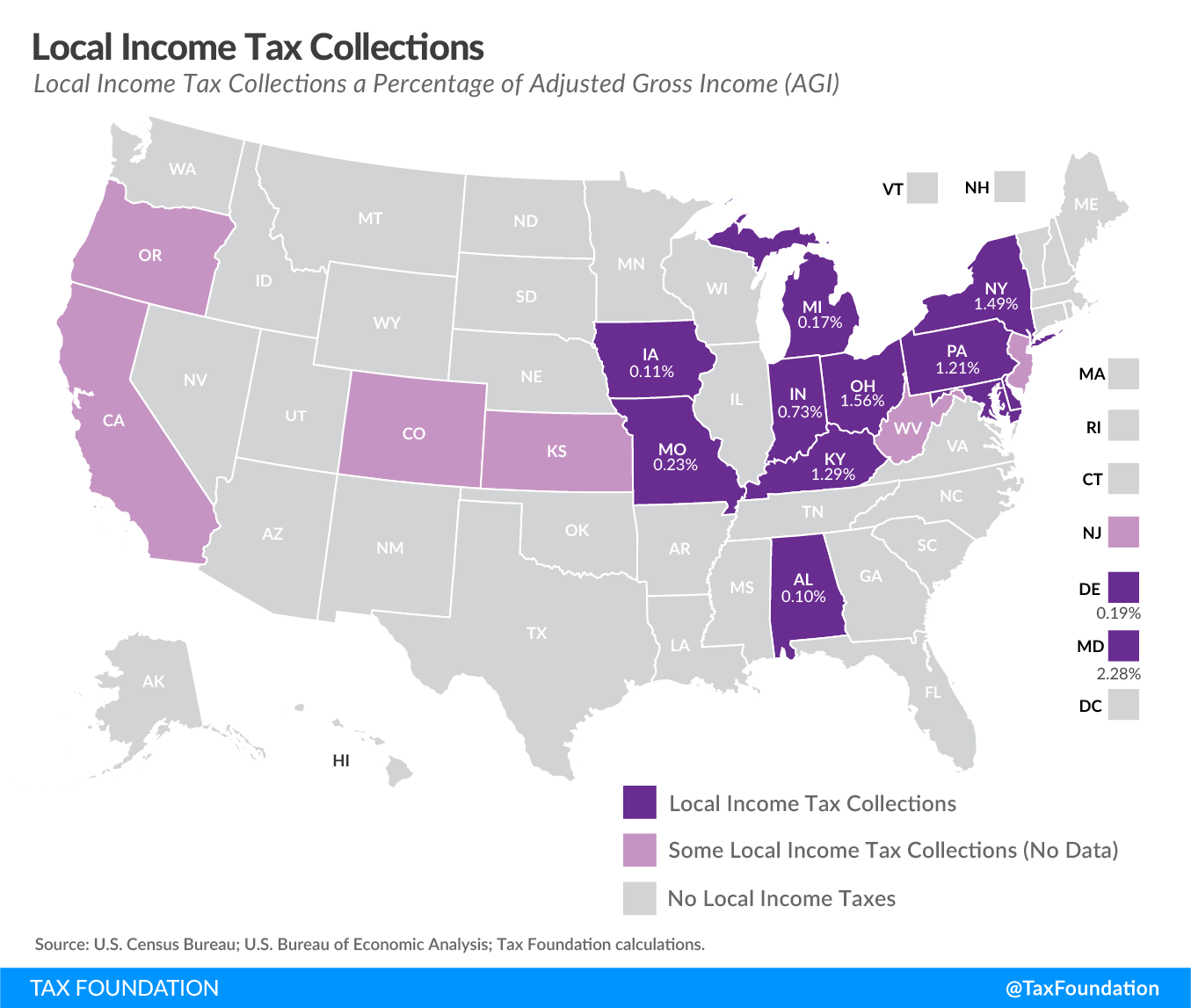
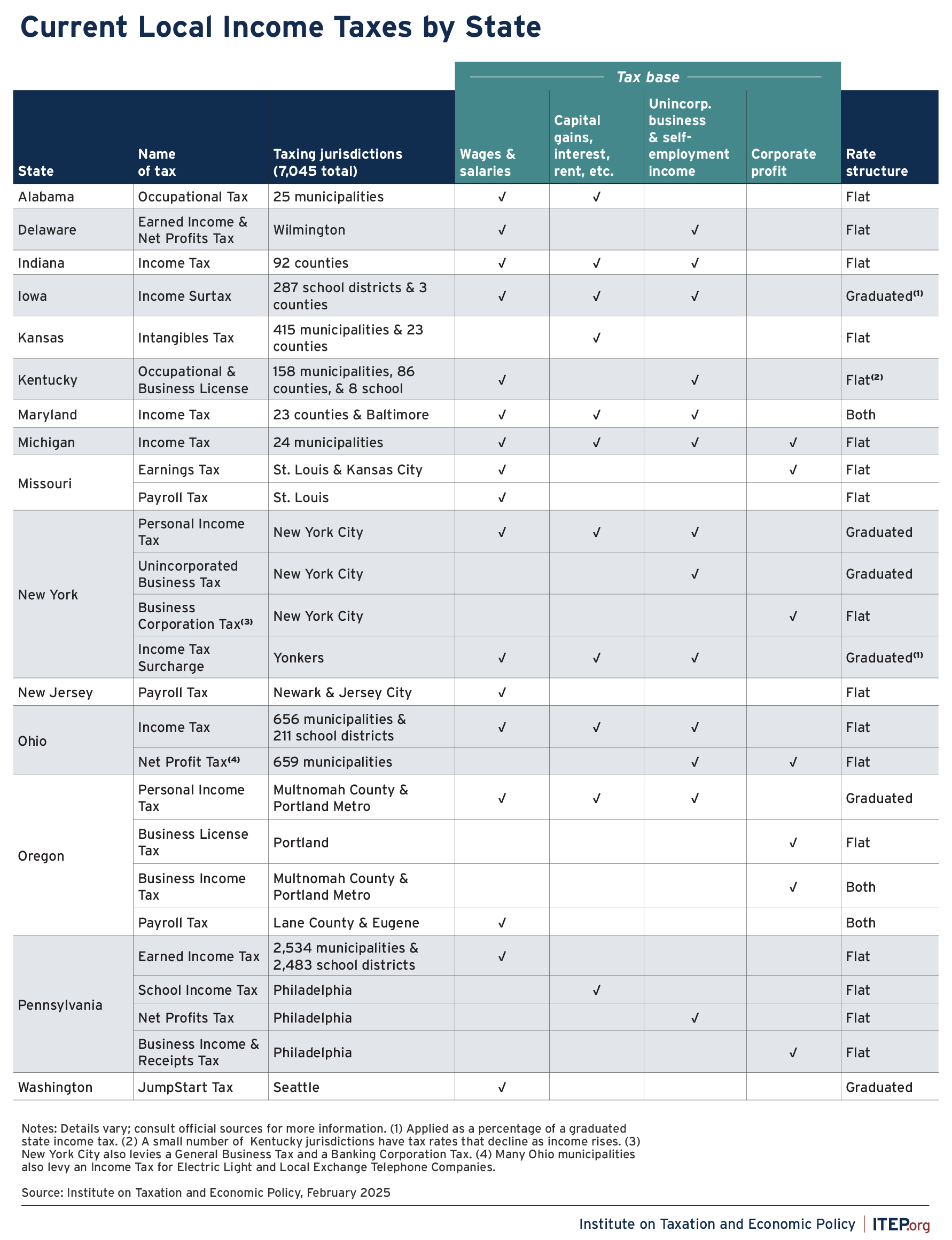
Municipal income taxes are not universal. In the United States, for instance, only about 17 states permit local jurisdictions to levy their own income taxes. These states include major economic hubs such as Ohio, Pennsylvania, Michigan, Kentucky, and New York. Because these taxes are localized, the rules, rates, and reporting requirements can vary drastically from one city to the next, often separated by nothing more than a street or a county line.
The Purpose of Local Taxation
Local governments utilize income tax revenue to maintain the essential services that define community life. This includes funding for local police and fire departments, the maintenance of city streets and parks, trash collection services, and public health initiatives. For many cities, the municipal income tax is the primary source of revenue, supplementing property taxes and local sales taxes.
Earned Income vs. Passive Income
A critical distinction in municipal taxation is what qualifies as taxable income. In most jurisdictions, municipal income tax is levied strictly on “earned income.” This includes wages, salaries, tips, and professional fees earned through employment or self-employment.
Unlike federal taxation, which accounts for capital gains, interest, and dividends, most local governments do not tax passive income. For the investor or the retiree, this is a significant distinction. If your income is derived primarily from a stock portfolio or a pension, you may find your municipal tax burden is negligible compared to a high-earning W-2 employee residing in the same district.
How Municipal Income Tax Works: Rates, Collection, and Residency
The mechanics of municipal income tax are often more complex than federal or state systems because they involve the interplay between where a person lives (residency) and where they perform their work (situs).
Residency vs. Workplace Rules
The most common question regarding municipal tax is: “Do I pay tax where I live or where I work?” The answer depends on the specific local ordinances and state laws. Generally, there are three scenarios:
- Workplace Taxation: You pay tax to the city where your office or place of business is located.
- Residency Taxation: You pay tax to the city where you maintain your permanent home.
- Dual Obligation: You may technically owe taxes to both. However, most jurisdictions offer a “tax credit” system to prevent double taxation. For example, if you live in City A (2% tax) and work in City B (1.5% tax), City A may allow you to credit the 1.5% paid to City B against your liability, leaving you to pay only the 0.5% difference to your home city.
Flat Rates vs. Progressive Structures
While federal and many state taxes use a “progressive” system—where higher earners pay a higher percentage—municipal income taxes are almost always “flat.” Whether an individual earns $30,000 or $300,000, they are typically charged the same percentage, such as 1%, 2%, or 2.5%. This simplicity makes it easier for local governments to administer but places a proportional burden on all wage earners within the district.
Withholding and Administrative Agencies
For most employees, municipal taxes are handled through payroll withholding. Employers are responsible for identifying the correct local tax rate and remitting it to the proper authority. However, in states like Ohio and Pennsylvania, this is complicated by the sheer number of small municipalities.
To streamline this, many cities join regional tax agencies. In Ohio, for example, the Regional Income Tax Agency (RITA) and the Central Collection Agency (CCA) handle the processing and enforcement for hundreds of different municipalities. For the individual, this means they may file a single local return that covers multiple jurisdictions.
The Impact on Personal Finance and Business Operations
For those focused on wealth building and business efficiency, municipal income tax is a variable that cannot be ignored. It affects the “real” value of a salary offer and the overhead costs of running a brick-and-mortar business.
Budgeting for Take-Home Pay
When calculating your net income, failing to account for a 2.5% local tax can lead to significant budgetary errors. In a high-tax city like Philadelphia or New York City, the local tax burden can be several thousand dollars a year. Financial advisors often recommend that clients moving to a new area research the local tax code as part of their cost-of-living analysis. A higher salary in a city with a 3% income tax might actually result in less disposable income than a lower salary in a city with no local income tax.
Remote Work and the Changing Landscape
The rise of remote work has created a seismic shift in municipal tax logic. Historically, taxes were tied to the physical office. Now, many employees work from home in a different municipality than their employer’s headquarters. This has led to legal battles and legislative changes regarding “convenience of the employer” rules. In some states, if you work remotely by choice, your employer may still be required to withhold taxes for the city where the office is located, even if you never set foot there. Conversely, some states have shifted to a “resident-based” model for remote workers, which can provide a tax windfall for suburban “bedroom communities” at the expense of urban centers.
Business Nexus and Compliance
For business owners, municipal income tax introduces a layer of compliance known as “nexus.” If a business has a physical presence, employees, or sometimes even significant sales in a city that levies an income tax, the business may be required to file a local corporate tax return. This requires meticulous record-keeping, as the business must “apportion” its income—determining exactly what percentage of its profit was earned within that specific city’s borders.
Common Filing Procedures and Requirements
Filing local taxes is often perceived as a secondary task, but the penalties for non-compliance can be just as severe as those from the IRS.
Deadlines and Extensions
In the United States, the deadline for municipal income tax filings usually coincides with the federal deadline of April 15th. Most local agencies will honor a federal extension, but it is important to note that an extension to file is not an extension to pay. If you expect to owe local taxes, you must typically remit payment by the April deadline to avoid interest and late fees.
The Complexity of Multi-Jurisdictional Filing
Individuals who move during the year or who work in multiple cities (such as traveling consultants or construction workers) face the most complex filing requirements. They must “pro-rate” their income based on the number of days spent in each jurisdiction. This often requires keeping a detailed calendar of work locations to justify the allocation of income on their tax returns.
Documentation Requirements
To accurately file a municipal return, you generally need:
- W-2 Forms: Specifically looking at Box 18 (Local wages) and Box 19 (Local income tax).
- Federal Form 1040: Many local returns use the Federal Adjusted Gross Income (AGI) or federal taxable income as a starting point.
- Schedules C, E, or F: For those with business or rental income that is subject to local tax.
Strategic Considerations for Reducing Local Tax Liability
While taxes are a legal obligation, there are legitimate ways to manage and minimize the impact of municipal income taxes through strategic financial planning.
Location Arbitrage
For remote workers, freelancers, and retirees, the choice of where to live is the most powerful tool for tax optimization. Choosing a township over an incorporated city can often result in a 0% local income tax rate versus a 2% or 3% rate. Over a 30-year career, this difference can amount to tens or even hundreds of thousands of dollars in saved wealth when compounded in an investment account.
Pre-Tax Contributions
In many jurisdictions, municipal taxes are calculated based on “gross wages” before federal deductions, but after certain pre-tax contributions. Contributions to an employer-sponsored 401(k) or a Health Savings Account (HSA) may reduce your taxable income at the local level, depending on how the specific municipality defines “taxable wages.” It is essential to check local ordinances, as some cities tax the total amount of the W-2 Box 1, while others tax a modified version.

Record Keeping for Reciprocity
If you live and work in different cities, ensure you are claiming all available credits. Do not assume your employer has calculated the reciprocity correctly. Review your paystubs to ensure that tax is being withheld for your work city and that your home city is aware of those payments. Without proper documentation, you may find yourself receiving a delinquency notice from your home city asking for taxes that you have already essentially paid to your work city.
Municipal income tax is a localized but potent force in personal and business finance. By understanding the specific rules of your jurisdiction—from residency requirements to the definition of earned income—you can better navigate your filing obligations and optimize your long-term financial strategy. Whether you are an individual contributor or a business leader, staying informed about local tax trends is a fundamental component of fiscal responsibility.
aViewFromTheCave is a participant in the Amazon Services LLC Associates Program, an affiliate advertising program designed to provide a means for sites to earn advertising fees by advertising and linking to Amazon.com. Amazon, the Amazon logo, AmazonSupply, and the AmazonSupply logo are trademarks of Amazon.com, Inc. or its affiliates. As an Amazon Associate we earn affiliate commissions from qualifying purchases.