
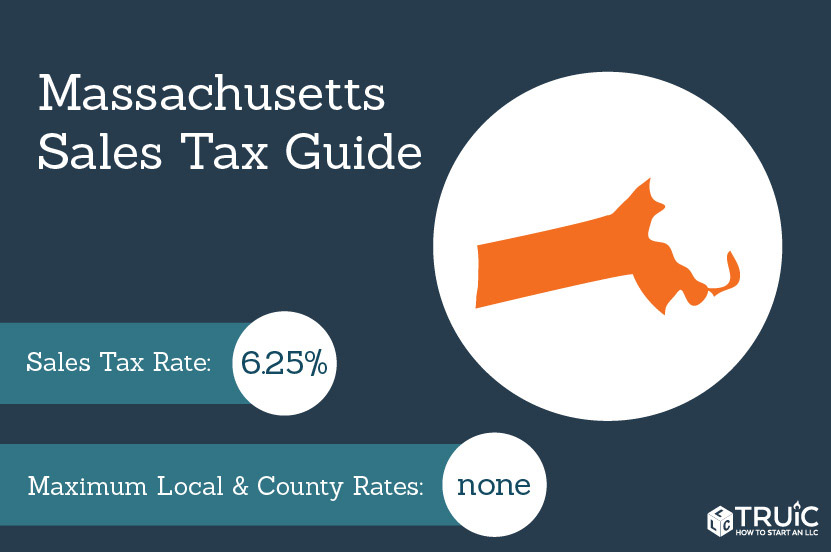
Navigating the landscape of state-level taxation is a fundamental pillar of business finance and personal financial planning. For entrepreneurs, side hustlers, and corporate entities operating within or selling to residents of the Commonwealth, understanding the Massachusetts sales tax rate is more than just a matter of knowing a percentage; it is about ensuring long-term fiscal health and compliance. As of the current fiscal period, the Massachusetts sales tax rate stands at 6.25%.
While this figure may seem straightforward, the application of this tax involves a complex web of exemptions, nexus rules, and filing requirements that can significantly impact a business’s bottom line. In the realm of professional finance, the ability to accurately collect, report, and remit these funds is critical to avoiding the heavy penalties and interest charges that can erode profit margins. This guide provides an in-depth analysis of the Massachusetts sales and use tax system, framed through the lens of business strategy and financial management.
Understanding the Massachusetts Sales Tax Framework
The 6.25% sales tax in Massachusetts is a statewide levy applied to the sale or rental of tangible personal property. Unlike many other states in the U.S., Massachusetts does not allow for local-level sales taxes. Whether a transaction occurs in Boston, Worcester, or Springfield, the rate remains a consistent 6.25%. This lack of local surcharges simplifies the financial accounting process for businesses, as they do not have to track hundreds of different jurisdictional rates within the state.
The Scope of Taxable Goods and Services
In the eyes of the Massachusetts Department of Revenue (DOR), most retail sales of physical goods are subject to the tax. This includes everything from furniture and electronics to motor vehicles and certain prepared foods. However, the definition of “tangible personal property” can sometimes be fluid in the digital age. For instance, pre-written software (canned software) is generally taxable, while custom software development may fall under professional services and remain exempt.
From a financial planning perspective, businesses must distinguish between taxable products and non-taxable services. Generally, pure services—such as consulting, accounting, or legal advice—are not subject to the 6.25% sales tax. However, if a service is an integral part of the sale of a tangible product, the entire transaction might become taxable. Understanding these nuances is vital for accurate invoicing and revenue projections.
Use Tax: The Often Overlooked Counterpart
A critical component of the Massachusetts tax system is the “Use Tax.” The use tax is also set at 6.25% and is designed to ensure that the state collects revenue on items purchased out-of-state for use, storage, or consumption within Massachusetts. If a business purchases equipment from an out-of-state vendor who does not charge sales tax, the business is legally obligated to self-assess and remit the 6.25% use tax to the DOR.
For business owners, the use tax is a common focal point during financial audits. Failure to track out-of-state purchases can lead to significant “hidden” liabilities. Implementing a robust tracking system for all interstate acquisitions is a best practice in business finance to ensure that use tax obligations are met proactively rather than discovered during an expensive audit.
Sales Tax Nexus and Economic Thresholds for Businesses
For modern businesses, especially those involved in e-commerce or digital services, the concept of “nexus” is the most important factor in determining tax liability. Nexus refers to the degree of connection a business has with a state that allows the state to require the business to collect and remit sales tax. Historically, this required a physical presence, but the financial landscape changed dramatically following the Supreme Court’s 2018 decision in South Dakota v. Wayfair, Inc.
Physical vs. Economic Nexus
Physical nexus is established through traditional means: maintaining an office, warehouse, or retail storefront in Massachusetts, or having employees or sales representatives working within the state’s borders. If your business has a physical footprint in the Commonwealth, you are required to register for a sales tax permit and collect the 6.25% rate on all taxable sales to Massachusetts customers.
Economic nexus, however, is based entirely on sales volume. In Massachusetts, an out-of-state vendor establishes economic nexus if their sales into the state exceed $100,000 in a calendar year. Once this financial threshold is met, the business is treated the same as a local brick-and-mortar shop for tax purposes. For side hustlers and growing online brands, monitoring this $100,000 threshold is a critical component of scaling operations. Crossing this line without a plan for tax collection can result in the business having to pay the 6.25% out of its own profits for past sales.
Marketplace Facilitator Laws
To simplify collection in the era of platform-based commerce, Massachusetts utilizes marketplace facilitator laws. Platforms like Amazon, Etsy, and eBay are generally responsible for collecting and remitting the sales tax on behalf of the third-party sellers using their sites. While this alleviates much of the administrative burden for individual entrepreneurs, it does not exempt them from the need to understand their nexus. A seller may still need to file informational returns or register if they maintain inventory in a “fulfillment by marketplace” warehouse located within the state.
Strategic Compliance and Financial Management
Effective financial management requires a proactive approach to tax compliance. Treating sales tax as an afterthought is a common mistake that can lead to cash flow disruptions. Because the 6.25% collected from customers is never legally the property of the business—it is held in trust for the Commonwealth—it should be cordoned off in financial statements to avoid overstating available capital.
Registration and the MassTaxConnect Portal
Before a business can legally collect a dime in sales tax, it must register with the Massachusetts Department of Revenue. This is done through “MassTaxConnect,” the state’s primary online application for business taxes. Upon registration, the business is issued a Sales Tax ID. This portal is the nerve center for all financial interactions with the DOR, including filing returns, making payments, and managing account details.
Filing Frequencies and Deadlines
The frequency with which a business must file sales tax returns depends on its annual tax liability.
- Monthly: Required for businesses with a high volume of taxable sales (typically over $2,500 in annual tax).
- Quarterly: For mid-sized operations.
- Annually: For small businesses or side hustles with minimal taxable transactions.
A key financial incentive for timely filing is the “vendor credit.” Massachusetts allows businesses that file and pay their sales tax on time to retain a small percentage of the tax collected as a credit for their administrative efforts. While the percentage is modest, for high-volume businesses, this can represent a legitimate source of “found” income that offsets the costs of bookkeeping.
Penalties and Audit Risks
The financial risks of non-compliance are steep. Massachusetts imposes penalties for late filing, late payment, and underpayment. These penalties can quickly compound with interest, turning a manageable tax obligation into a major financial crisis. Furthermore, the DOR has the authority to conduct audits reaching back several years. Businesses that cannot provide detailed records of their sales and exemptions may find themselves liable for the full 6.25% on every transaction, plus penalties, regardless of whether they actually collected the tax from the customer.
Exemptions and Specific Industry Considerations
One of the most complex aspects of the Massachusetts sales tax code involves items that are exempt or taxed at different thresholds. For businesses in specific sectors, these rules are central to their pricing strategies and financial modeling.
The Clothing Exemption
Massachusetts is well-known for its “clothing exemption.” Most articles of clothing and footwear sold for less than $175 are exempt from the 6.25% sales tax. If an item costs more than $175, only the amount exceeding $175 is subject to the tax. For example, a $200 designer jacket would only be taxed on $25. This creates a unique administrative requirement for clothing retailers, who must ensure their Point of Sale (POS) systems are programmed to handle these tiered calculations accurately.
Resale and Manufacturing Exemptions
To avoid “double taxation,” businesses can often purchase items tax-free if they intend to resell them or use them in a manufacturing process.
- Resale Certificates: A business can provide a Form ST-4 (Sales Tax Resale Certificate) to a wholesaler. This allows the business to buy inventory without paying the 6.25% tax, as the tax will eventually be collected when the item is sold to the end consumer.
- Manufacturing Exemptions: Machinery and materials used directly and exclusively in an industrial manufacturing plant are often exempt. This is a significant financial benefit for industrial businesses, reducing the capital expenditure required for production equipment.
The Annual Sales Tax Holiday
Every year, the Massachusetts legislature typically designates a weekend in August as a “Sales Tax Holiday.” During this period, retail sales of most tangible personal property to individual consumers are exempt from the 6.25% tax, provided the item costs $2,500 or less. From a business finance perspective, this weekend requires intense preparation, as it often results in a massive surge in volume and a temporary shift in accounting procedures.
Integrating Financial Tools for Tax Automation
In the modern business environment, manual tracking of sales tax is neither efficient nor secure. Leveraging financial technology is the best way to ensure the 6.25% rate is applied correctly across all sales channels.
Automated Collection and Accounting Integration
Modern POS systems and e-commerce platforms (such as Shopify, Square, or BigCommerce) offer built-in tax calculation engines. These tools automatically detect the customer’s location, apply the Massachusetts 6.25% rate, and handle exemptions like the clothing threshold. For the business owner, the most important step is ensuring these tools are integrated with their core accounting software (such as QuickBooks or Xero). This integration allows for real-time tracking of tax liabilities, making the filing process a matter of clicks rather than hours of manual spreadsheet work.
Specialized Tax Compliance Software
For businesses with complex nexus footprints—operating in Massachusetts and dozens of other states—specialized software like Avalara or TaxJar becomes an essential financial investment. These services manage the entire lifecycle of sales tax compliance, from registering in new states to filing returns automatically. While these tools come with a subscription cost, the “ROI” is found in the mitigation of audit risk and the reduction of administrative overhead, allowing the business to focus its financial resources on growth and investment.
By mastering the intricacies of the Massachusetts 6.25% sales tax rate, business owners and financial professionals can protect their organizations from unnecessary liabilities and streamline their operations. Understanding when to collect, how to file, and which exemptions to apply is a hallmark of sophisticated financial management in the Commonwealth.
aViewFromTheCave is a participant in the Amazon Services LLC Associates Program, an affiliate advertising program designed to provide a means for sites to earn advertising fees by advertising and linking to Amazon.com. Amazon, the Amazon logo, AmazonSupply, and the AmazonSupply logo are trademarks of Amazon.com, Inc. or its affiliates. As an Amazon Associate we earn affiliate commissions from qualifying purchases.