
In the complex landscape of corporate law and high-stakes finance, the term “LP” carries significant weight. Standing for Limited Partnership, an LP is a specialized business structure that has become the backbone of the private investment world. From the sprawling venture capital firms of Silicon Valley to the massive private equity groups on Wall Street and even localized real estate syndications, the LP structure provides a unique framework that balances operational control with capital contribution.
For entrepreneurs, investors, and finance professionals, understanding what an LP is—and how it functions—is essential. It is not merely a legal designation; it is a strategic tool used to pool capital, manage risk, and optimize tax efficiency. By separating those who run the business from those who fund it, the LP model allows for a sophisticated distribution of liability and profit that few other business entities can match.
The Fundamentals of the Limited Partnership (LP) Structure
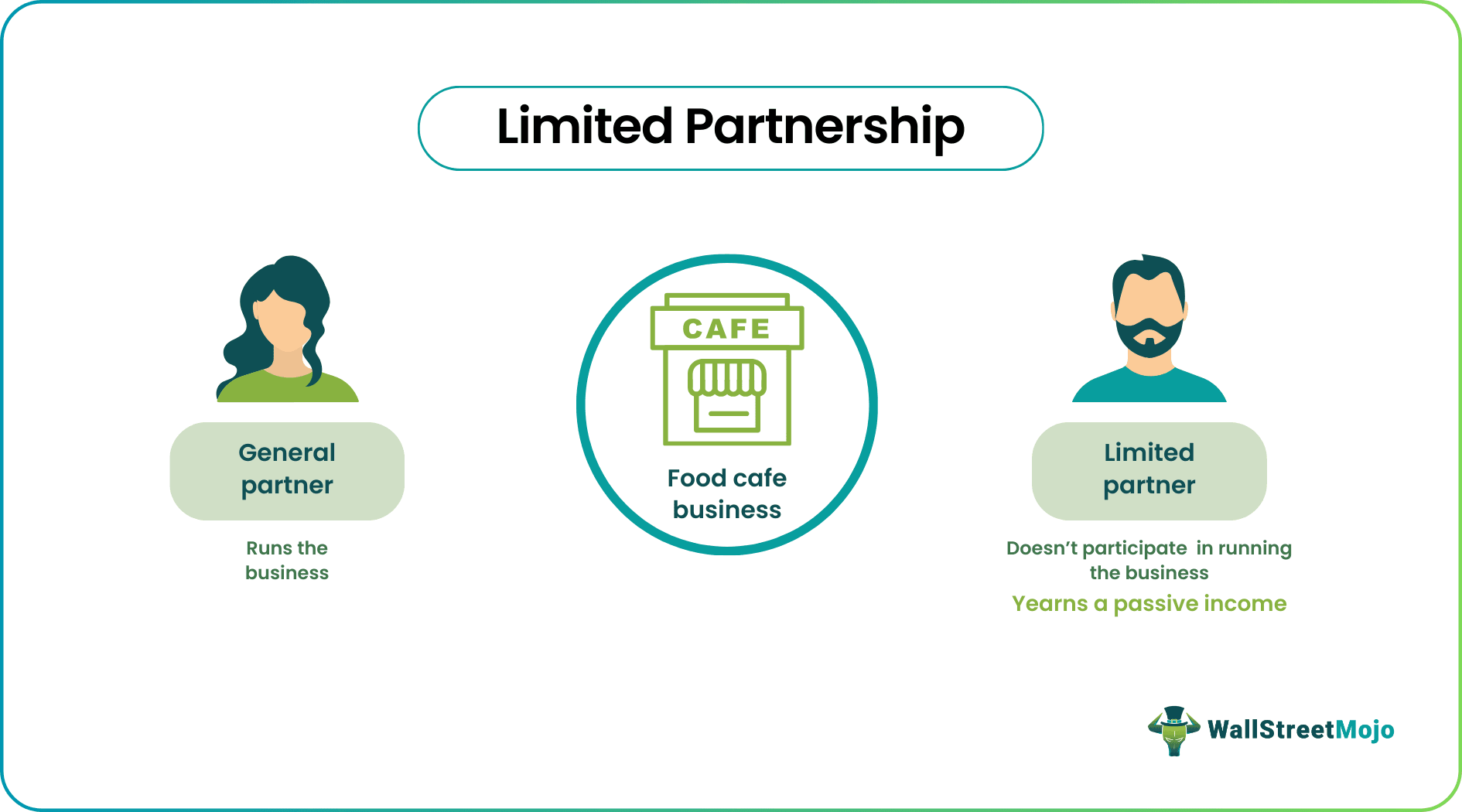
At its core, a Limited Partnership is a partnership consisting of at least one General Partner (GP) and at least one Limited Partner (LP). This dual-layered structure is what differentiates it from a General Partnership, where all partners share equal responsibility and liability. In an LP, the roles, risks, and rewards are partitioned to serve specific strategic ends.
Defining the General Partner vs. the Limited Partner
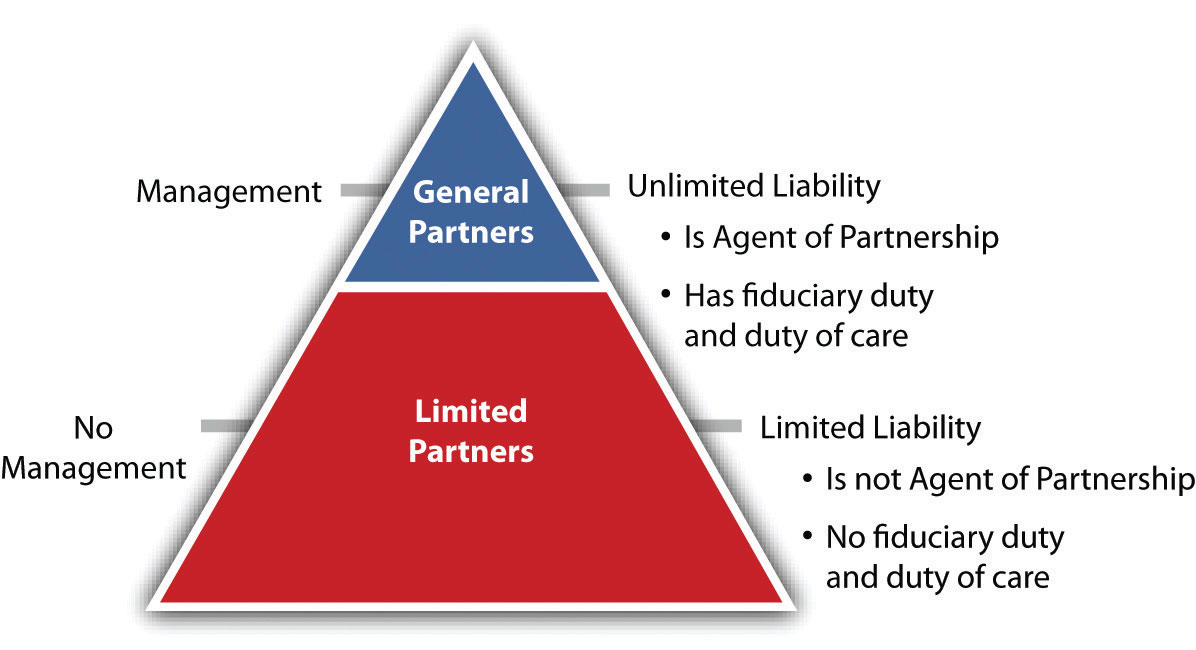
The General Partner is the engine of the entity. They are responsible for the day-to-day management of the business, making all executive decisions, and executing the firm’s strategy. In exchange for this control, the GP takes on unlimited personal liability for the partnership’s debts and legal obligations. If the partnership is sued or falls into debt it cannot pay, the GP’s personal assets are at risk.
The Limited Partner, by contrast, is often referred to as a “silent partner.” Their primary role is to provide the capital necessary for the business to operate. In return for this financial contribution, the LP receives a share of the profits. Crucially, their liability is limited to the amount of capital they have invested in the partnership. This means that if the business fails, the LP may lose their investment, but their personal bank accounts, homes, and other assets remain protected from the partnership’s creditors.
Legal Formation and Governance
Establishing an LP requires a formal filing with the state, typically involving a “Certificate of Limited Partnership.” However, the true governing document of the entity is the Limited Partnership Agreement (LPA). This contract outlines the specific rights and responsibilities of all parties, the duration of the partnership, the process for making capital calls, and the “waterfall” structure that dictates how profits are distributed. Because LPs are often used for sophisticated investment vehicles, these agreements can be incredibly detailed, covering everything from “key person” clauses to clawback provisions.
The Role of LPs in Private Equity and Venture Capital
While LPs can be used for any business, they are most prominently found in the world of alternative investments. When people discuss “LPs” in a modern business context, they are often referring to the institutional investors and wealthy individuals who provide the dry powder for investment funds.
Capital Commitments and the Investment Lifecycle
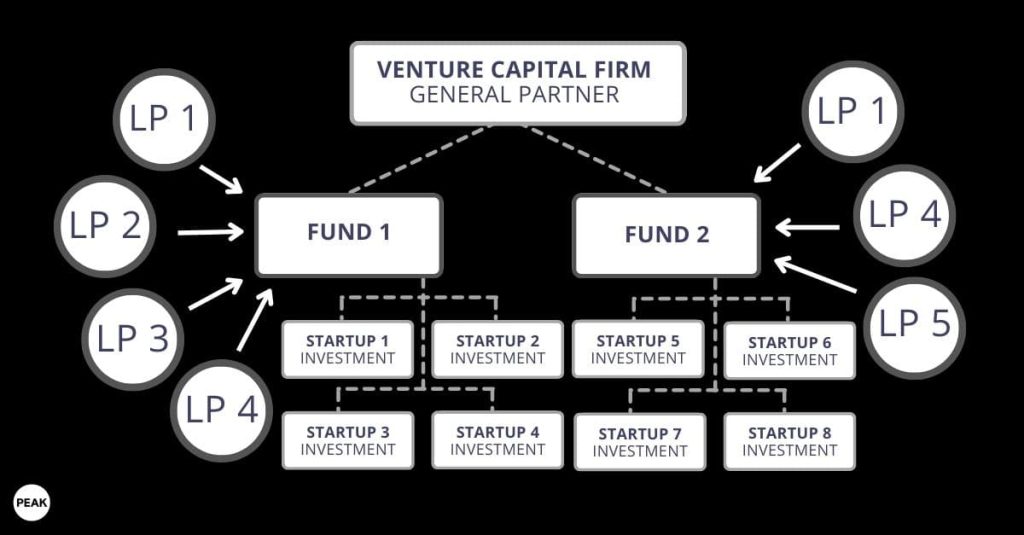
In the context of a private equity or venture capital fund, the LPs are typically pension funds, university endowments, insurance companies, or sovereign wealth funds. These entities do not simply hand over a check on day one. Instead, they make a “capital commitment.”
The GP (the investment firm) then sources deals and manages the portfolio. When a promising investment is found, the GP issues a “capital call” or “drawdown notice,” requiring the LPs to provide a portion of their committed capital. This lifecycle allows LPs to keep their capital deployed in other interest-bearing environments until the exact moment it is needed for a specific acquisition or investment.
The Distribution Waterfall: How LPs Get Paid
The financial relationship between GPs and LPs is governed by a distribution waterfall. This is the method by which capital is returned to investors. In a standard “2 and 20” model, the GP earns a 2% management fee to cover operational costs and a 20% “carried interest” (share of the profits).
However, the LPs usually benefit from a “preferred return” or “hurdle rate.” This means that the LPs must receive their original investment back, plus a predetermined rate of return (often 8%), before the GP can begin taking their 20% performance fee. This structure ensures that the interests of the GP are aligned with those of the LPs; the managers only become wealthy if they first make their investors a significant profit.
Advantages and Strategic Benefits of the LP Model
The enduring popularity of the Limited Partnership in business finance is due to its inherent flexibility and the specific protections it offers to both the operators and the financiers.
Liability Protection for Passive Investors
The most significant draw for an LP is the mitigation of risk. For a high-net-worth individual or a massive pension fund, the ability to gain exposure to high-growth private companies or large-scale real estate without risking their entire balance sheet is vital. The “limited” nature of their status provides a legal shield. As long as the LP does not participate in the active management of the company—such as signing contracts or hiring employees—they retain this protection.
Tax Efficiency: The Pass-Through Advantage
From a fiscal perspective, LPs are highly efficient. Unlike a C-Corporation, which faces double taxation (once at the corporate level and again at the shareholder level on dividends), a Limited Partnership is a “pass-through” entity. The partnership itself does not pay federal income taxes. Instead, the profits and losses flow directly through to the partners, who report them on their individual tax returns.
This structure allows LPs to benefit from certain tax deductions, such as depreciation and interest expenses, which can offset other income. For investors in sectors like real estate or energy, these tax advantages are often as valuable as the cash flow itself.
Flexibility in Capital Deployment
LPs allow for a diverse range of capital sources to be aggregated under a single management team. A GP can bring together fifty different LPs, each with different investment capacities, and manage that pool of money as one cohesive unit. This provides the GP with the scale necessary to execute large-scale acquisitions that would be impossible for any single investor to manage or fund alone.
Key Risks and Considerations for Limited Partners
While the LP structure offers significant rewards, it is not without its drawbacks. Potential investors must weigh the benefits against the inherent limitations of the “silent partner” role.
Lack of Management Control
The trade-off for limited liability is a total lack of control. An LP cannot dictate which companies a venture fund invests in, nor can they interfere in the operations of a portfolio company. If an LP begins to exert control—for instance, by negotiating deals or managing employees—they risk being reclassified by a court as a General Partner, thereby losing their limited liability protection. For investors who prefer a “hands-on” approach, the LP structure may feel restrictive.
Illiquidity and Long-Term Horizons
Investments in Limited Partnerships are notoriously illiquid. Unlike shares of a public company that can be sold on an exchange in seconds, an interest in an LP is often locked up for five to ten years. There is no secondary market for these interests that is easily accessible. LPs must be prepared to have their capital committed for the long haul, making this structure unsuitable for those who may need immediate access to their cash.
Due Diligence and GP Alignment
Since the LPs are placing their capital in the hands of the GP, the success of the investment depends entirely on the GP’s skill and integrity. This creates an agency problem. To mitigate this, LPs must conduct rigorous due diligence on the GP’s track record, investment thesis, and operational history. They must also ensure that the GP has “skin in the game”—typically a requirement that the GP invests their own personal capital (usually 1-5% of the fund) alongside the LPs.
Comparing LPs to Other Business Structures
To fully understand what an LP is, it is helpful to contrast it with other common business entities like the LLC and the General Partnership.
LP vs. LLC (Limited Liability Company)
The LLC is perhaps the most common alternative to the LP. While both offer limited liability and pass-through taxation, the LLC is often more flexible for small businesses because it allows all members to participate in management without losing their liability protection. However, in the world of high finance, the LP remains the gold standard. The rigid separation of GP and LP roles is often preferred by institutional investors because it creates a clear “chain of command” and fits more neatly into established tax and regulatory frameworks for large-scale investment funds.
LP vs. General Partnership
In a General Partnership, every partner has “skin in the game” and unlimited liability. This is rarely used in modern large-scale business because the risk is too high. The LP structure was essentially created to solve the problems of the General Partnership, allowing for the growth of capital markets by inviting passive investors who were previously too risk-averse to join a standard partnership.
Conclusion
In the modern economy, the Limited Partnership serves as a vital bridge between those with capital and those with the expertise to deploy it. By providing a secure, tax-efficient, and legally protected framework, the LP structure facilitates the massive flow of funds into the private markets, fueling innovation in technology, infrastructure, and corporate growth. Whether you are an institutional investor looking for yield or an entrepreneur seeking to scale a private equity firm, mastering the nuances of the LP is a fundamental requirement for success in the world of business finance.
aViewFromTheCave is a participant in the Amazon Services LLC Associates Program, an affiliate advertising program designed to provide a means for sites to earn advertising fees by advertising and linking to Amazon.com. Amazon, the Amazon logo, AmazonSupply, and the AmazonSupply logo are trademarks of Amazon.com, Inc. or its affiliates. As an Amazon Associate we earn affiliate commissions from qualifying purchases.