
In the landscape of modern transportation, Tesla has transitioned from a niche Silicon Valley startup to a global powerhouse that defines the electric vehicle (EV) era. However, Tesla is rarely viewed by industry experts as a mere “car company.” Instead, it is a technology conglomerate whose primary product—the vehicle—is a sophisticated piece of hardware powered by cutting-edge software. To understand where Tesla cars are made is to understand a global network of “Gigafactories,” high-tech facilities designed not just to assemble parts, but to reinvent the very physics of manufacturing.
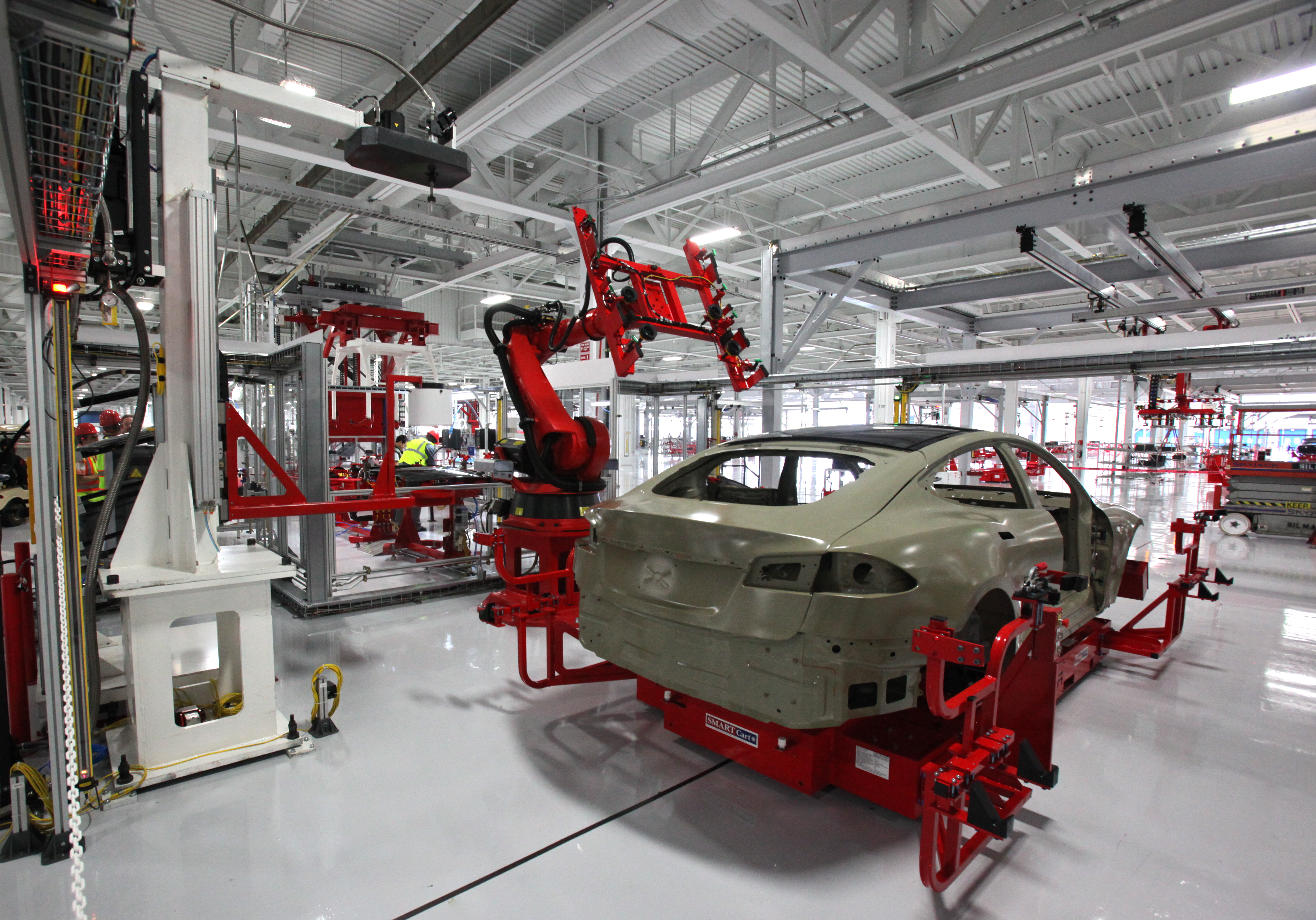
The “where” of Tesla’s production is a strategic map of technological dominance, spanning North America, Asia, and Europe. Each location serves as a hub for specific engineering breakthroughs, contributing to the company’s mission of accelerating the world’s transition to sustainable energy.
The Gigafactory Revolution: Reimagining the Modern Production Line
The traditional automotive assembly line, pioneered by Henry Ford over a century ago, has undergone many iterations, but Tesla’s approach represents a fundamental architectural shift. Elon Musk has frequently referred to the factory itself as “the machine that builds the machine,” treating the manufacturing facility as a product that requires constant versioning and optimization.
The Concept of the “Machine That Builds the Machine”
In the tech world, software is optimized through iterative coding. Tesla applies this logic to its factories. A Gigafactory is designed to be a highly integrated, automated ecosystem where spatial efficiency is prioritized. By reducing the footprint of the factory while increasing output, Tesla utilizes “volumetric efficiency”—stacking production processes vertically and using automated guided vehicles (AGVs) to move components through the air or across complex multi-level structures. This reduces the latency between part production and final assembly, much like optimizing data flow in a microprocessor.
Vertical Integration and In-House Component Manufacturing
Unlike legacy automakers that rely on thousands of third-party suppliers, Tesla is intensely vertically integrated. At its various manufacturing sites, Tesla produces its own seats, battery packs, electric motors, and even the high-performance computers that run its Autopilot software. This technological autonomy allows Tesla to implement engineering changes in real-time. If a hardware improvement is discovered on a Tuesday, it can often be integrated into the production line by Wednesday, bypassing the years-long supply chain cycles that hamper traditional manufacturers.
North American Hubs: The Birthplace of the Electric Movement
The foundation of Tesla’s manufacturing prowess remains rooted in the United States. From the early days of the Model S to the futuristic roll-out of the Cybertruck, the American facilities serve as the primary research and development laboratories for Tesla’s most ambitious hardware.
Fremont Factory, California: The Original Proving Ground
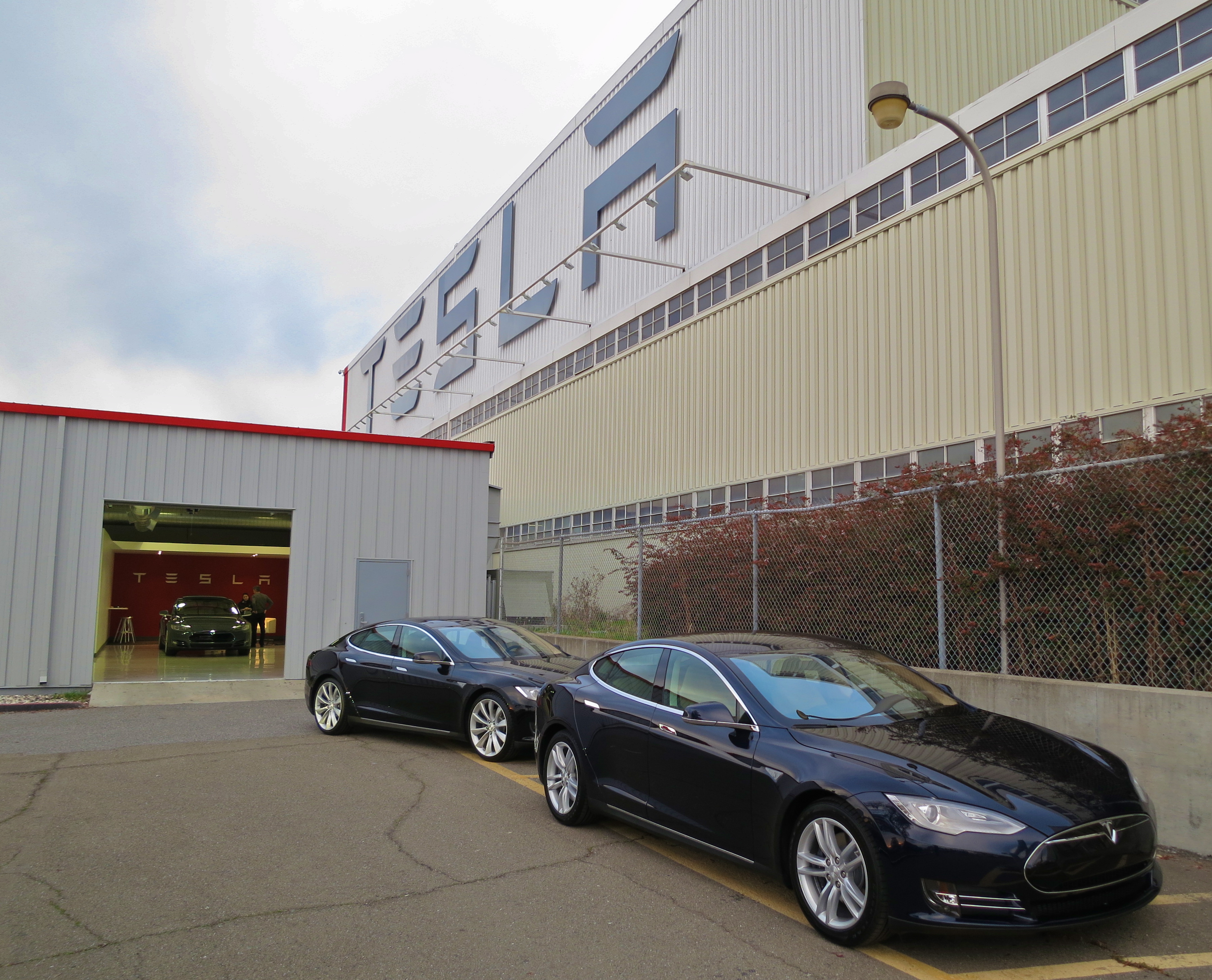
The Fremont Factory is where Tesla’s journey into mass production truly began. Once a joint venture between GM and Toyota (NUMMI), Tesla transformed this site into one of the most advanced manufacturing plants in the world. Today, Fremont is responsible for producing the Model S, Model X, Model 3, and Model Y.
Fremont is unique because it represents the transition from old-world manufacturing to the tech-centric model. Because the facility was not originally designed for EVs, Tesla’s engineers had to innovate within constraints, leading to the creation of the famous “tent” (a temporary spring-structure assembly line) that allowed the Model 3 to reach production targets during its infamous “production hell” phase. This site remains a critical tech hub for refining vehicle ergonomics and interior technology.
Gigafactory Texas: The AI and Cybertruck Powerhouse
Located in Austin, Gigafactory Texas is the company’s global headquarters and its most technologically advanced facility in the U.S. This “Giga” is massive, designed as a single continuous building that facilitates a streamlined flow from raw materials to finished vehicles.
Giga Texas is the home of the Cybertruck, a vehicle that necessitated an entirely new manufacturing tech stack due to its cold-rolled stainless-steel exoskeleton. Standard stamping presses cannot handle this material, leading Tesla to develop unique folding and welding techniques. Additionally, Giga Texas is the site for the production of the 4680 battery cells—a larger, more energy-dense form factor that integrates directly into the car’s structure.
Gigafactory Nevada: The Heart of Battery Tech
While not a vehicle assembly plant in the traditional sense, the Nevada Gigafactory (Giga Nevada) is the technological engine behind the cars. In partnership with Panasonic, Tesla produces the lithium-ion battery cells and electric motors that power the vehicles assembled in Fremont. The tech here focuses on chemistry and scale; by producing batteries at a massive volume, Tesla has been able to drive down the cost per kilowatt-hour, making high-performance EVs accessible to the mass market.
Global Expansion: Scaling Innovation Across Continents
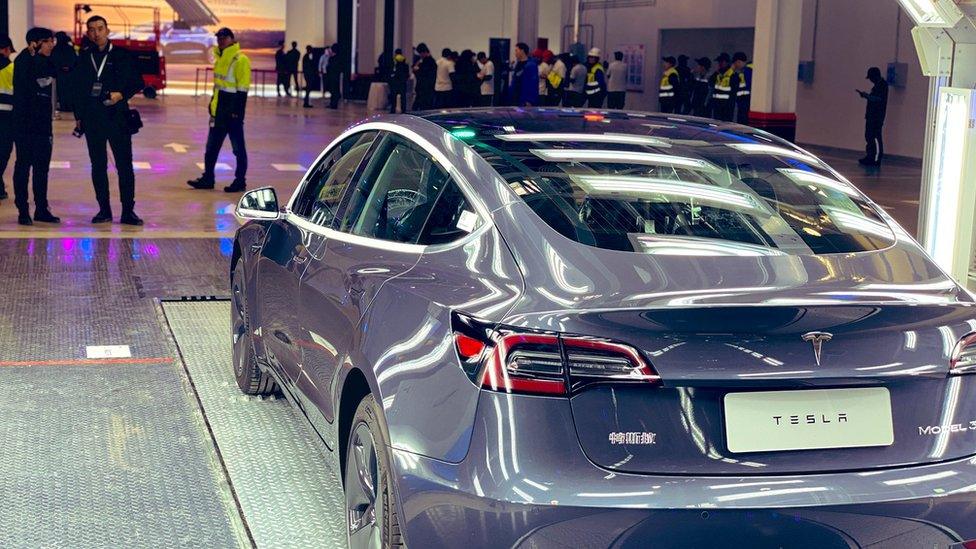
To dominate the global market, Tesla recognized that it could not rely solely on American exports. Shipping heavy vehicles across oceans is inefficient and environmentally costly. Consequently, Tesla localized its technology by building specialized factories in its largest markets.
Gigafactory Shanghai: Precision and High-Volume Output
Giga Shanghai was a landmark achievement in industrial engineering, going from a muddy field to a functioning car factory in less than a year. This facility is the primary export hub for Tesla, supplying vehicles to Europe and other parts of Asia.
The technology at Giga Shanghai is focused on hyper-efficiency and cost-reduction. By leveraging local supply chains for components like thermal management systems and suspension parts, the Shanghai plant has achieved a level of “lean manufacturing” that has become the gold standard for the industry. It currently produces the Model 3 and Model Y with a level of precision and speed that exceeds almost any other automotive plant globally.
Gigafactory Berlin-Brandenburg: Engineering Excellence in Europe
Giga Berlin represents Tesla’s foray into the heart of traditional automotive engineering. Located in Germany, this factory is designed to compete directly with European luxury brands.
The technological highlight of Giga Berlin is its advanced paint shop. Tesla engineered a unique “Crimson Red” and “Midnight Cherry Red” multi-layer paint process that was previously impossible in high-volume manufacturing. Furthermore, Giga Berlin was the first to implement the “structural battery pack” on a large scale in Europe, where the battery cells themselves act as the floor of the car, significantly reducing weight and improving safety.
The Core Technologies Driving Tesla’s Manufacturing Efficiency
What truly separates a Tesla factory from a traditional plant is the specific hardware and software used to build the vehicles. These technologies are the “secret sauce” that allows Tesla to maintain industry-leading profit margins.
Large-Scale Casting (Giga Press) and Structural Battery Packs
Perhaps the most significant tech innovation in Tesla’s manufacturing is the use of the “Giga Press.” These are the largest high-pressure die-casting machines in the world. Traditionally, the rear underbody of a car is made by welding together over 70 different pieces of metal. Tesla’s Giga Press casts this entire section as a single piece of aluminum.
This reduces the number of robots needed for welding, eliminates the risk of human error in alignment, and significantly reduces the vehicle’s weight. When combined with the structural battery pack—where the battery is integrated into the chassis—the car becomes more rigid and safer while using fewer parts.
The Role of Artificial Intelligence and Real-Time Data Analytics
Every Tesla factory is underpinned by a “Digital Twin.” This is a virtual simulation of the factory floor that uses AI to predict bottlenecks before they happen. Thousands of sensors across the production line feed data into a central neural network, monitoring everything from the torque on a single bolt to the temperature of a casting mold.
If a robot in Giga Shanghai begins to deviate by even a fraction of a millimeter, the system can flag it for preventative maintenance before a single defective part is produced. This integration of Big Data and physical manufacturing is what allows Tesla to scale so rapidly while maintaining high technical standards.
Future Horizons: The Evolution of Tesla’s Manufacturing Ecosystem
As Tesla looks toward the next decade, the “where” of its manufacturing will likely expand to Mexico and potentially India or Southeast Asia. However, the tech will evolve even further than the locations themselves.
Next-Gen Platforms and the “Unboxed” Process
Tesla’s future manufacturing strategy revolves around the “Unboxed Process.” Traditionally, cars move down a long line where parts are added sequentially. The Unboxed Process proposes building sub-assemblies (like the sides, the floor, and the roof) separately and then snapping them together at the very end. This allows more people and robots to work on the car simultaneously without getting in each other’s way, potentially reducing the factory footprint by another 40%.
Sustainable Manufacturing and Energy Independence
Finally, the “where” of Tesla production is increasingly defined by “how” the factory interacts with the environment. Tesla aims for all its factories to be energy-neutral. This involves covering the massive roofs of Gigafactories with solar panels and using Powerpacks (Tesla’s industrial-grade batteries) to store energy for 24/7 operation. By tech-enabling its energy consumption, Tesla ensures that the cars are not only clean to drive but are also born from a clean manufacturing process.
In conclusion, when asking where a Tesla is made, the answer is found in a sophisticated network of Gigafactories that function more like giant computer chips than traditional assembly plants. From the casting presses of Texas to the battery lines of Nevada and the high-speed robotics of Shanghai, Tesla’s manufacturing locations are the physical embodiment of its technological identity. They are the crucibles where software, AI, and advanced materials science converge to redefine what it means to build a car in the 21st century.
aViewFromTheCave is a participant in the Amazon Services LLC Associates Program, an affiliate advertising program designed to provide a means for sites to earn advertising fees by advertising and linking to Amazon.com. Amazon, the Amazon logo, AmazonSupply, and the AmazonSupply logo are trademarks of Amazon.com, Inc. or its affiliates. As an Amazon Associate we earn affiliate commissions from qualifying purchases.