
In the landscape of modern music, few transitions are as polarizing or as strategically significant as Avenged Sevenfold’s 2013 release, Hail to the King. While casual listeners may view the title track and the album as a stylistic departure toward stripped-back, stadium-ready rock, brand strategists see it as something far more calculated. From a corporate identity and brand strategy perspective, Hail to the King is not merely an artistic choice; it is a masterclass in market repositioning, brand authority, and the intentional curation of a legacy identity.
To understand what Hail to the King is about, one must look past the thunderous drums and soaring vocals to the underlying objective: the transition from a niche, technical metal act to a global, legacy-tier rock brand. This shift required a fundamental re-evaluation of the band’s “product,” its visual messaging, and its long-term market placement.
The Strategic Pivot: Rebranding for the Mainstream Throne
Every successful brand eventually reaches a crossroads where it must decide whether to remain a specialist entity or pivot toward mass-market dominance. Prior to Hail to the King, Avenged Sevenfold had built a brand identity rooted in complexity, technical proficiency, and the “metalcore” aesthetic. However, to ascend to the status of “festival headliner” alongside titans like Metallica or Iron Maiden, the brand required a more accessible, timeless core.
Sonic Minimalism as a Brand Asset
In branding, “less is more” is a mantra that often leads to greater market penetration. Hail to the King saw the band intentionally shedding the frantic, complex arrangements of their previous era in favor of space, groove, and clear hooks. This is analogous to a tech company simplifying its user interface to attract a broader demographic. By focusing on the “big riff” and the “chantable chorus,” the band created a brand experience that translated better to massive stadiums and terrestrial radio—the two primary distribution channels for legacy rock brands.
This sonic minimalism served as a strategic asset. It allowed the “Avenged Sevenfold” brand to be more easily consumed by new audiences who found their earlier work too abrasive or intricate. By anchoring their sound in the traditional foundations of hard rock, they positioned themselves as the natural heirs to the throne of the genre’s legends.
Identifying the Target Audience Shift
A brand is defined by its audience. With Hail to the King, the band executed a “Target Audience Expansion” strategy. They moved from serving a dedicated but limited “subculture” of metal enthusiasts to targeting the “General Rock Enthusiast.” This required a shift in brand messaging. The lyrics of the title track—evoking power, sovereignty, and historical weight—tapped into universal archetypes of authority that resonate across borders and age groups.
This pivot was not without risk. Existing “early adopters” of the brand often view such moves as a dilution of the original value proposition. However, from a long-term sustainability standpoint, this expansion was necessary to secure the band’s financial and cultural relevance for the next two decades.
Visual Identity and the Deathbat: Scaling a Corporate Icon
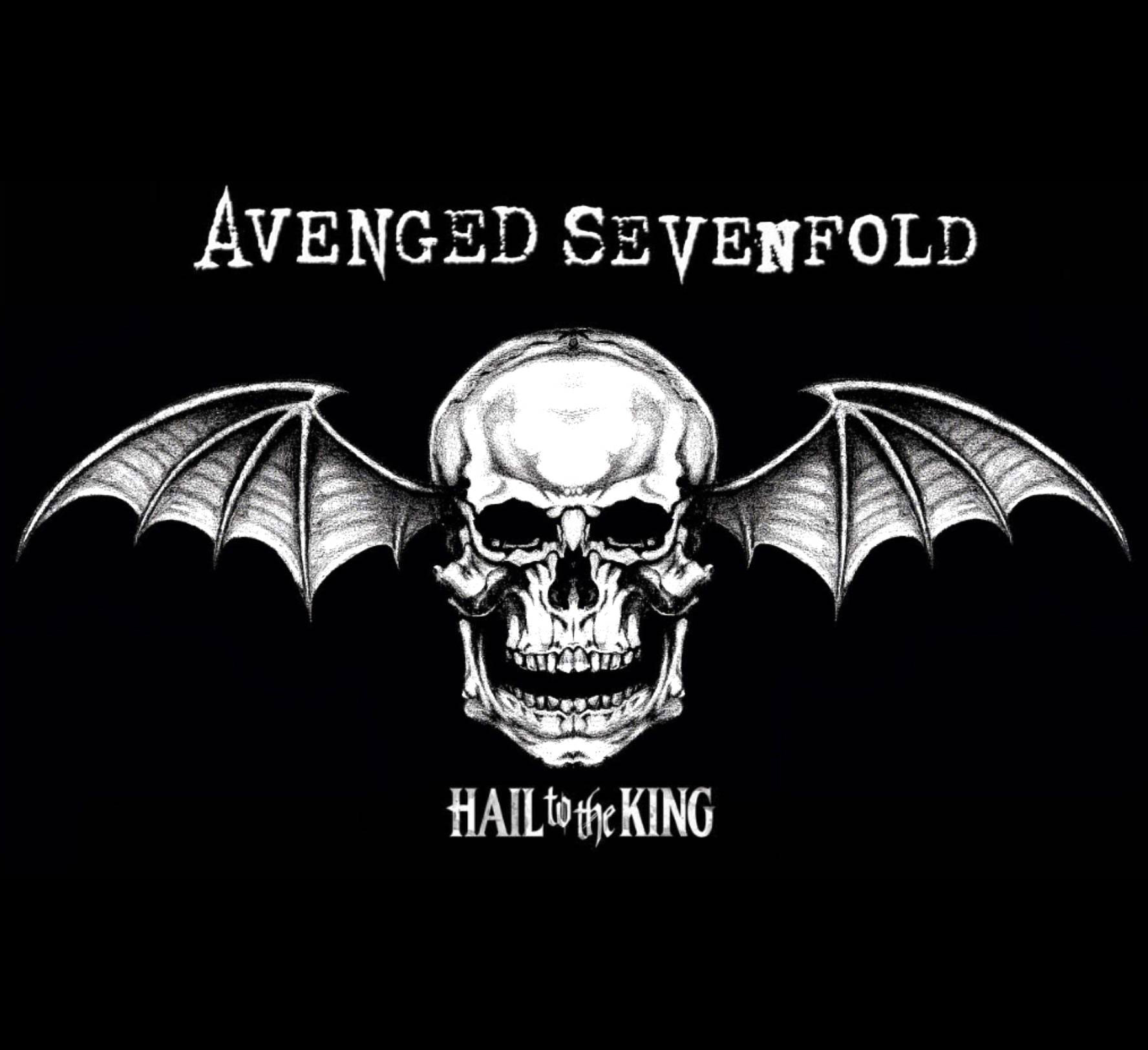
Visual consistency is the bedrock of any global brand. For Avenged Sevenfold, the “Deathbat” logo is as recognizable in the music industry as the Nike Swoosh is in athletics. During the Hail to the King era, the band underwent a visual rebranding that aligned their iconography with the themes of the album: power, classicism, and enduring strength.
The Iconography of Sovereignty
The visual campaign for Hail to the King moved away from the chaotic, often gore-influenced aesthetics of the 2000s toward a cleaner, more regal presentation. The use of gold, crowns, and medieval imagery was not accidental. These symbols are semiotic shortcuts for “prestige” and “authority.”
By associating their brand with the concept of a “King,” Avenged Sevenfold was making a bold statement about their position in the industry hierarchy. This is a classic “Challenger Brand” move: acting as the leader before you have officially been crowned as one. The visual identity of the album was designed to make the band look like they already belonged in the Hall of Fame.
Merchandising the Monarchy
From a corporate identity standpoint, merchandise is a brand’s primary touchpoint with its community. The Hail to the King era saw a more sophisticated approach to product design. The merchandise shifted from “band tees” to “lifestyle apparel.” By utilizing the regal Deathbat motif, the band created a cohesive visual language that fans could wear as a badge of loyalty to the “monarchy” the band had established.

This consistency in visual branding ensures that the product is instantly recognizable even in a saturated market. Whether it was the album cover, the stage design featuring a massive skeletal king, or the mobile game Hail to the King: Deathbat, the brand maintained a singular, powerful message: Avenged Sevenfold is the dominant force in modern rock.
Emotional Resonance and the “King” Archetype in Brand Storytelling
What is the brand story of Hail to the King? At its core, it is a narrative of succession. Great brands often utilize storytelling to create an emotional connection with their consumers. For this album, the story told was one of claiming one’s rightful place through strength and endurance.
The Narrative of Power
The lyrics of the title track explore the duality of power—the glory of the throne and the corruption that often follows. In a brand strategy context, this creates a “prestige” narrative. Consumers are drawn to brands that project power and confidence. By positioning themselves as the “Kings,” the band invited their audience to be part of an elite, powerful community.
This storytelling approach is highly effective for building brand loyalty. When a fan shouts “Hail to the King” at a concert, they are not just singing lyrics; they are participating in a brand ritual. They are affirming their allegiance to the brand’s identity. This level of engagement is what separates a transactional brand from a “cult” brand with high retention rates.
Building Brand Authority through Homage
A key component of the Hail to the King brand strategy was its heavy reliance on “Legacy Credibility.” The album was famously criticized and praised for its similarities to the greats—Metallica, AC/DC, and Guns N’ Roses. From a brand positioning perspective, this was a calculated move to associate the Avenged Sevenfold brand with the most successful “Blue Chip” companies in rock history.
By mirroring the structures and tones of these legendary acts, Avenged Sevenfold was performing a “Competitive Alignment” strategy. They were telling the market: “If you like these established, high-value brands, you will like us.” This reduced the “barrier to entry” for older listeners and established the band as the legitimate successors to the classic rock throne.
Case Study: Global Market Penetration and Longevity
The ultimate metric for the success of a brand pivot is its performance in the market. Hail to the King was a resounding commercial triumph, debuting at Number 1 on the Billboard 200 and reaching the top of the charts in multiple countries.
Brand Equity and the “Halo Effect”
The success of this album created a “Halo Effect” for the entire Avenged Sevenfold catalog. By establishing themselves as a mainstream powerhouse, they increased the value of their back catalog and their future releases. The “Hail to the King” era provided the band with the brand equity needed to experiment further on subsequent albums like The Stage and Life Is But a Dream….
Without the solid, market-facing foundation laid by Hail to the King, the band might have remained a successful niche act but would have lacked the cultural capital to sustain a decades-long career at the highest level of the industry.

The Legacy Move: From Band to Institution
Ultimately, Hail to the King was about the institutionalization of Avenged Sevenfold. It was the moment they stopped being a “group of musicians” and started being a “Global Brand.” The album’s focus on simplicity, power, and classicism allowed them to build a brand architecture that is resilient to the shifting trends of the music industry.
In the world of brand strategy, the goal is often to create a “Timeless Brand.” By looking back at the roots of rock and roll and repackaging them for a modern audience, Avenged Sevenfold achieved exactly that. They didn’t just write an album about a king; they built a kingdom.
The legacy of Hail to the King remains a testament to the power of clear brand positioning. It serves as a reminder that for any entity—be it a corporation or a rock band—long-term success requires a deep understanding of your market, a willingness to evolve your product for a broader audience, and the courage to claim your throne in a crowded competitive landscape.
aViewFromTheCave is a participant in the Amazon Services LLC Associates Program, an affiliate advertising program designed to provide a means for sites to earn advertising fees by advertising and linking to Amazon.com. Amazon, the Amazon logo, AmazonSupply, and the AmazonSupply logo are trademarks of Amazon.com, Inc. or its affiliates. As an Amazon Associate we earn affiliate commissions from qualifying purchases.