
The Golden Gate Bridge is more than just an architectural marvel and a global symbol of San Francisco; it is a critical piece of transportation infrastructure that operates on a complex financial model. For commuters, tourists, and business owners, the “toll” is a recurring line item in their budget that represents the cost of maintaining one of the world’s most stressed structural environments. Understanding the Golden Gate Bridge toll requires more than just knowing a single dollar amount; it involves navigating a multi-tiered pricing system, understanding the shift toward all-electronic billing, and recognizing how these costs integrate into personal and professional financial planning.
As the cost of living and doing business in the Bay Area continues to rise, the fiscal management of transit expenses has become a priority. The toll is not merely a fee for passage but a vital revenue stream that supports the Golden Gate Bridge, Highway and Transportation District. For the savvy traveler or professional, mastering the nuances of this system can lead to significant annual savings and a more streamlined financial workflow.
Navigating the Pricing Tiers: Understanding Your Direct Costs
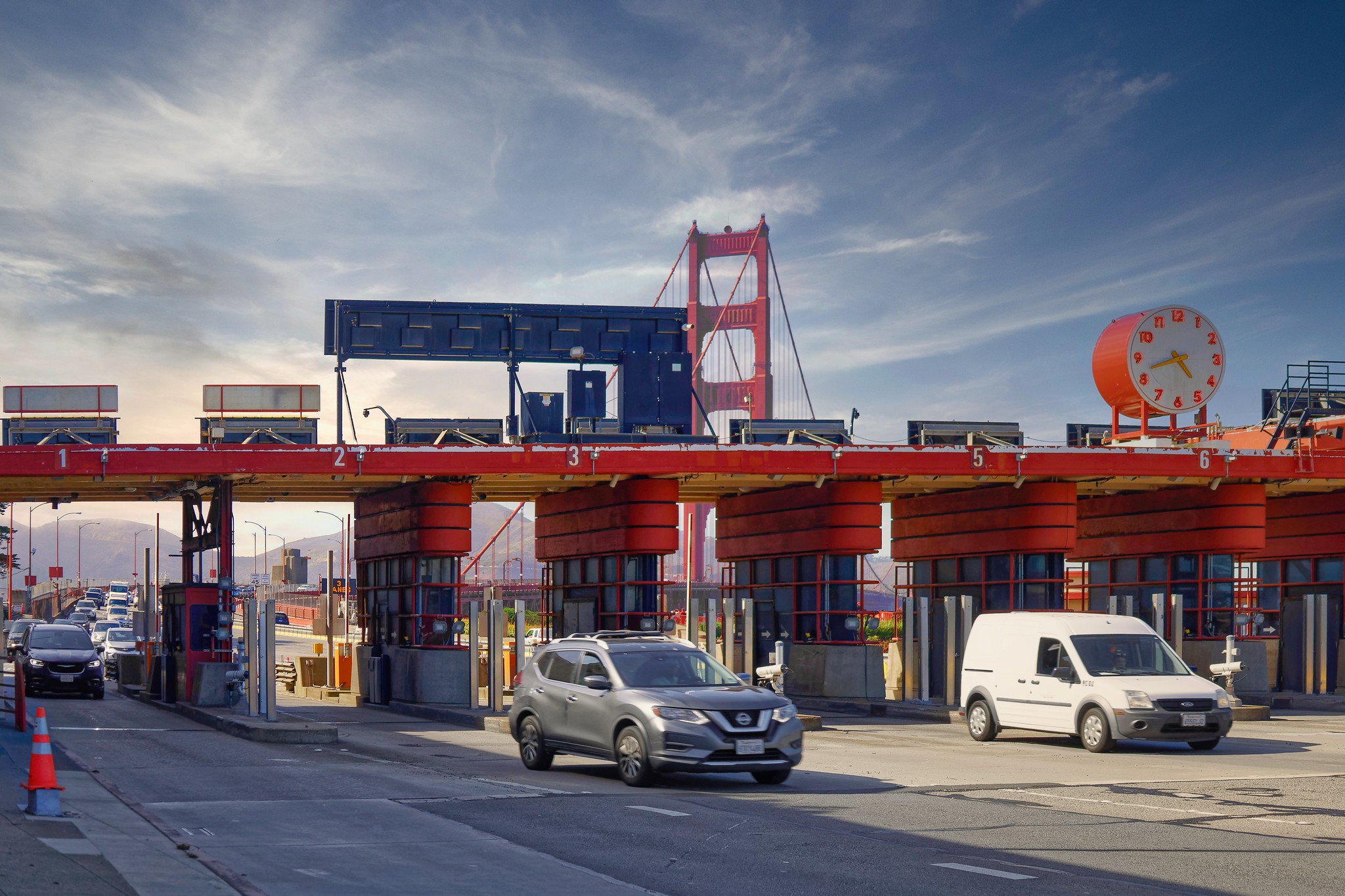
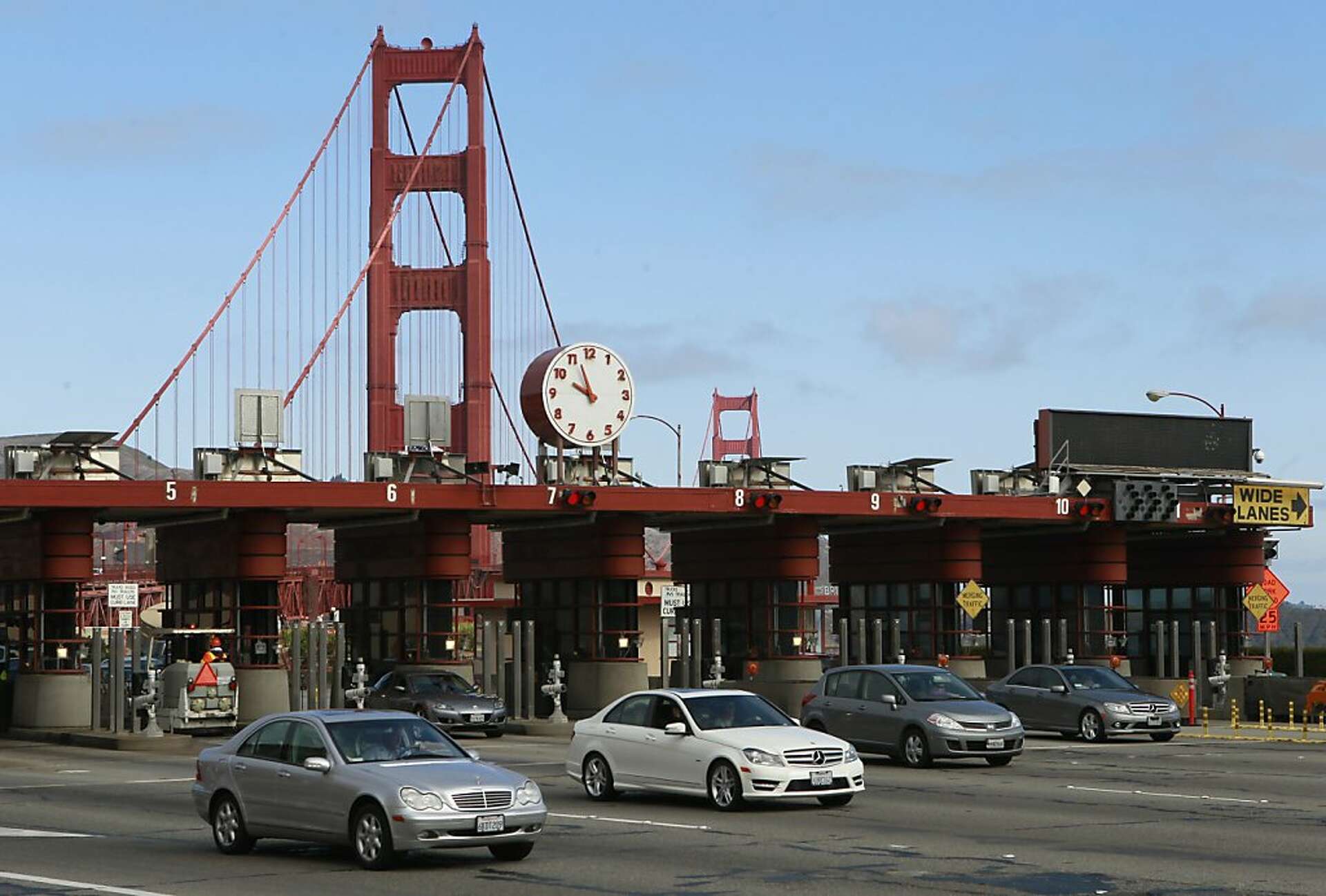
The pricing structure of the Golden Gate Bridge toll is designed to incentivize efficiency through electronic payment systems. Unlike traditional bridges that may have used cash booths in the past, the Golden Gate Bridge moved to a completely cashless, all-electronic tolling system in 2013. This shift was motivated by the need to reduce congestion and lower the administrative overhead associated with manual cash handling. Today, the amount you pay depends entirely on your payment method and the number of axles on your vehicle.
FasTrak: The Preferred Financial Option
For those looking to minimize their transit expenses, FasTrak is the most cost-effective method. FasTrak is an electronic toll collection system used throughout California. By using a small transponder mounted on the windshield, drivers are automatically charged as they pass under the toll sensors. Because this method reduces the administrative burden on the district, FasTrak users receive a discounted rate. For a standard two-axle vehicle, the FasTrak rate is consistently lower than any other payment method, often saving drivers several dollars per crossing. From a personal finance perspective, maintaining a FasTrak account with an auto-replenishment feature is the most efficient way to manage this recurring cost.
License Plate Accounts and One-Time Payments
For those who do not wish to use a transponder, the “License Plate Account” serves as a middle ground. This is a “pay-as-you-go” system where the toll is charged to a credit card linked to the vehicle’s license plate. While it lacks the deep discount of FasTrak, it avoids the administrative fees associated with paper invoices. Alternatively, “One-Time Payments” allow visitors to pay their toll online or via phone up to 30 days before or 48 hours after crossing the bridge. This requires proactive financial management to ensure the payment window is met, avoiding the higher “Invoiced” rate.
Pay-By-Plate: The Cost of Convenience
The most expensive way to cross the Golden Gate Bridge is via the Invoice system, often referred to as Pay-By-Plate. If a vehicle passes through the toll plaza without a FasTrak or License Plate Account, the system captures a photo of the license plate and mails an invoice to the registered owner. This method carries the highest price tag because it involves the manual processing of mail, postage, and delayed payment cycles. For a frequent commuter, relying on invoices instead of FasTrak can result in hundreds of extra dollars spent annually—a clear leak in any household budget that can be easily plugged with better financial tools.
The Fiscal Architecture of the Golden Gate Bridge District
To understand the toll, one must understand where the money goes. The Golden Gate Bridge, Highway and Transportation District is a unique special district that does not receive local tax or property tax revenue. Instead, it is almost entirely self-funded through tolls and transit fares. This makes the toll a critical component of the regional economy.
Maintenance and Preservation of an Icon
The primary destination for toll revenue is the rigorous maintenance required to keep the bridge safe. Standing at the entrance to the San Francisco Bay, the bridge is constantly battered by salt air, high winds, and heavy fog. These conditions accelerate corrosion, requiring a permanent crew of painters, ironworkers, and engineers to perform “preventative maintenance.” The financial burden of these operations is immense. Toll revenue funds the seismic retrofit projects designed to ensure the bridge can withstand a major earthquake, as well as the ongoing “Suicide Deterrent System” project. From an investment perspective, the toll is essentially a maintenance fee paid by the users to protect a multi-billion dollar public asset.
Subsidizing Regional Transit
A unique aspect of the Golden Gate Bridge’s financial model is its role in funding public transportation. A significant portion of the toll revenue is diverted to support the Golden Gate Ferry and Golden Gate Transit bus systems. This is a strategic financial decision: by subsidizing public transit, the District reduces the number of cars on the bridge, which in turn reduces wear and tear and delays the need for even more expensive structural expansions. For the taxpayer and commuter, this means that every time they pay a toll, they are contributing to a broader ecosystem of regional mobility that helps stabilize the local economy.
Strategies for Minimizing Transit Expenses
In any robust financial plan, identifying and reducing recurring expenses is key. For those who frequently cross the Golden Gate Bridge, the toll can represent a significant monthly expenditure. Fortunately, there are several ways to optimize these costs.
Carpool Discounts and Eligibility
One of the most effective ways to slash toll costs is through the carpool program. During peak commute hours, vehicles with three or more people (and a valid FasTrak transponder) are eligible for a drastically reduced rate—often less than half the standard FasTrak price. This requires using the designated carpool lanes at the toll plaza. For colleagues working in the city or families traveling together, this represents a major opportunity for “found money” that can be redirected toward other financial goals.
Avoiding Late Fees and Penalties
The financial impact of a toll can skyrocket if it is ignored. When an invoice is sent and remains unpaid, the District applies significant late penalties. These fees can quickly exceed the original cost of the toll itself. To protect your credit score and avoid unnecessary financial loss, it is vital to ensure that your vehicle registration address is current and that your FasTrak account has an updated credit card on file. Digital security and personal finance management overlap here; using a dedicated “transit” credit card or a digital wallet can help track these expenses and ensure that no payment is missed due to an expired card.
Business and Professional Financial Management of Tolls
For business owners, contractors, and corporate employees, the Golden Gate Bridge toll is a professional expense that requires careful tracking and documentation for tax and reimbursement purposes.
Tracking Tolls for Reimbursement
Employees who travel for work should be diligent about logging their toll expenses. Most modern accounting software and expense-tracking apps can sync with FasTrak accounts, allowing for seamless reporting. Because the Golden Gate Bridge is entirely electronic, there are no physical receipts handed out at the time of crossing. Therefore, maintaining a digital archive of FasTrak monthly statements is the only way to ensure full reimbursement from an employer.
Tax Deductibility for Self-Employed Individuals
For the self-employed or small business owners, tolls incurred during business-related travel are generally tax-deductible as a business expense. However, tolls for a standard commute from home to a fixed place of work are typically considered a personal expense by the IRS and are not deductible. It is essential to consult with a financial advisor or tax professional to distinguish between these categories. Keeping a detailed log of the purpose of each trip across the bridge can provide the necessary documentation to survive an audit and maximize your tax savings at the end of the fiscal year.
Long-Term Financial Outlook: Inflation and Scheduled Increases
The Golden Gate Bridge toll is not a static figure. Like any other utility or service, it is subject to inflation and planned increases. The District typically operates on multi-year toll increase schedules to ensure long-term fiscal stability.
The Five-Year Toll Hike Plan
Historically, the District has implemented gradual increases—often in the range of 25 to 50 cents per year over a five-year period. These increases are designed to keep pace with the rising costs of labor, materials, and debt service on construction bonds. For individuals and businesses, it is important to factor these scheduled increases into long-term budget forecasts. A daily commuter might see their annual transit budget increase by several hundred dollars over a five-year horizon, necessitating adjustments in other areas of personal spending.

Economic Sensitivity and Future Projections
The toll also serves as an economic indicator for the region. During periods of economic growth, toll revenue typically rises as more people commute and visit the city. Conversely, during economic downturns or shifts toward remote work, revenue can fluctuate. The District’s ability to manage its debt and fund future projects depends on the delicate balance of setting a toll that is high enough to cover costs but low enough to avoid discouraging regional travel. As we move further into a digital-first economy, the financial management of infrastructure like the Golden Gate Bridge will likely see further innovations, perhaps including congestion pricing or even more personalized transit subscriptions.
Ultimately, the Golden Gate Bridge toll is more than a simple fee; it is a fundamental component of the Bay Area’s financial landscape. By understanding the payment tiers, utilizing the right financial tools, and planning for future increases, individuals and businesses can navigate this expense with confidence and fiscal discipline.
aViewFromTheCave is a participant in the Amazon Services LLC Associates Program, an affiliate advertising program designed to provide a means for sites to earn advertising fees by advertising and linking to Amazon.com. Amazon, the Amazon logo, AmazonSupply, and the AmazonSupply logo are trademarks of Amazon.com, Inc. or its affiliates. As an Amazon Associate we earn affiliate commissions from qualifying purchases.