
In the world of linguistics, few words carry as much weight, authority, and historical resonance as the word for “God” in Latin: Deus. While the literal translation is straightforward, the implications of this word—and the broader use of Latin in professional branding—are profound. For brand strategists, marketing executives, and corporate identity designers, understanding why Latin remains the “gold standard” for naming and identity is essential for building a brand that feels timeless, authoritative, and globally resonant.
The word Deus does not merely signify a deity; it represents an archetype of ultimate power, creation, and permanence. In modern commerce, where brands compete for “mindshare” and loyalty that borders on the religious, the use of Latin roots like Deus is a deliberate strategic choice. It is a tool used to elevate a product from a mere commodity to a symbol of prestige and reliability.
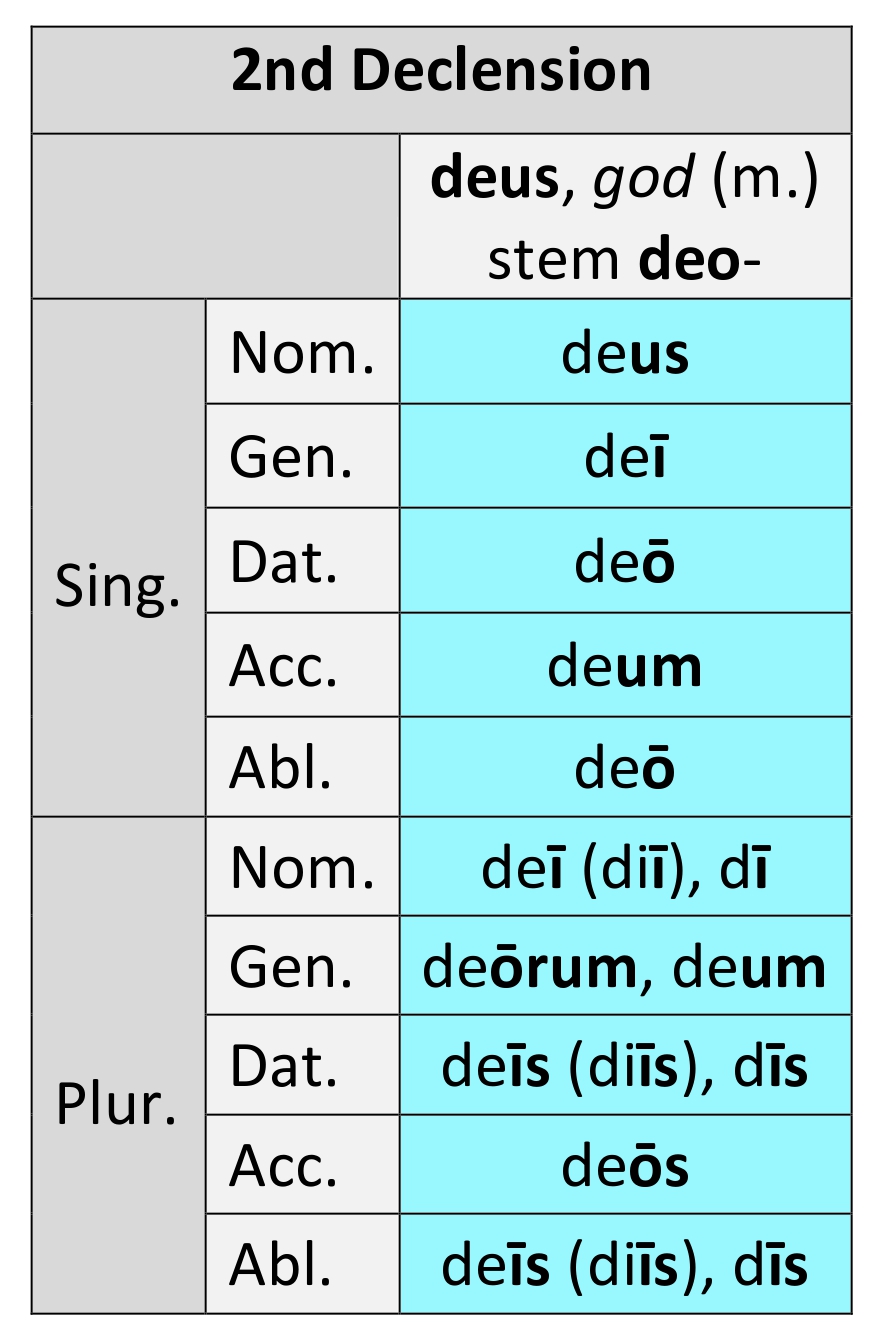
The Etymological Authority: Why Brands Turn to Latin
The reason many of the world’s most successful brands look back to the Roman Empire for their naming conventions is rooted in the concept of “Linguistic Authority.” Latin is often referred to as a “dead language,” but in the world of brand strategy, it is a “frozen language.” Because it is no longer evolving through daily vernacular, its meanings are fixed, stable, and carry an inherent sense of tradition and academic rigor.
The Psychology of “Deus” and Divinity in Naming
When a brand incorporates Deus or its derivatives into its identity, it is tapping into a deep-seated psychological trigger. The word evokes a sense of the “Unmoved Mover”—the source from which all other things flow. In a branding context, this translates to being the definitive leader in a category.
Take, for example, the apparel and lifestyle brand Deus Ex Machina. Literally translated as “God from the machine,” the name borrows a theatrical term from Greek and Roman drama. Strategically, this name does more than sound “cool.” It positions the brand at the intersection of mechanical ingenuity and divine inspiration. It suggests that the motorcycles or surfboards produced are not just manufactured; they are “descended” or created through a higher level of craftsmanship. This is the essence of high-tier brand positioning: moving the conversation from features and benefits to myth and legacy.
Prestige, Timelessness, and the “Halo Effect”
Latin roots provide what marketers call the “Halo Effect.” If a brand name sounds like it could have been carved into a marble archway in 40 BCE, it suggests that the company will still be relevant in 2040 CE. This perception of permanence is invaluable for luxury goods, financial institutions, and pharmaceutical companies where trust and longevity are the primary selling points.
Using Latin roots allows a brand to bypass modern linguistic trends that might feel dated within a few years. While “slang” or trendy portmanteaus can capture a moment, Latin-based names like Omnicom, Novartis, or Lumina maintain a neutral but high-status aesthetic that transcends cultural and temporal boundaries.
Case Studies: When Brand Identity Meets the Divine
To understand the strategic application of Latin in branding, one must look at how various industries utilize these roots to carve out a unique market position. The goal is rarely to be literally “God-like,” but rather to embody the attributes associated with the divine: omniscience, omnipresence, and omnipotence.
The Luxury and Automotive Sectors
In the luxury sector, Latin is the language of the elite. Automotive brands frequently use Latin or Latinate names to signify performance and status. Consider the Lamborghini Aventador or the Lucid Air. Even when the word isn’t “Deus,” the phonetics of Latin—often ending in “us,” “um,” or “a”—provide a rhythmic gravity that English often lacks.
The brand Deus Ex Machina, mentioned previously, serves as a masterclass in niche brand strategy. By using a Latin phrase that was once reserved for the clergy and the educated elite, they rebranded “greasy” motorcycle culture as something intellectual and artistic. They didn’t just sell jackets; they sold a philosophy. The Latin name served as the gatekeeper, attracting those who appreciated the “hidden” meaning while projecting an aura of sophistication to the general public.

Corporate Identity and Global Scalability
For global conglomerates, Latin is the ultimate “bridge” language. Because Latin is the root of the Romance languages (Spanish, French, Italian, Portuguese, Romanian) and has heavily influenced English and German, a Latin-based brand name is often “pre-translated” for a global audience.
When a brand chooses a name like Altria (from altus, meaning “high”) or Equinox (from aequus and nox, meaning “equal night”), they are choosing a name that sounds familiar and prestigious across dozens of borders. It avoids the “Chevy Nova” problem (where a name has an accidental negative meaning in another language). Latin is safe, it is structured, and it carries an international “corporate” weight that signals stability to investors and consumers alike.
Strategies for Implementing Latin Roots in Naming
If you are developing a brand strategy and considering a Latin root—whether it is related to Deus or another concept—there are specific rules of engagement to ensure the name resonates rather than alienates.
Phonetic Strength and Global Appeal
One of the primary advantages of Latin in branding is its phonetic consistency. Latin vowels are “pure,” meaning they are generally pronounced the same way in most languages. This makes a name like Volvo (meaning “I roll”) or Veni (meaning “I came”) incredibly easy to protect as a trademark and easy for consumers to remember.
When selecting a root, brand strategists look for “plosives” (sounds like P, T, K) or “liquids” (L, R) that give the name a certain mouthfeel. Deus is a short, punchy word. It begins with a firm ‘D’ and ends with a soft sibilant ‘S’. This creates a balanced brand sound—strong at the start, but smooth at the finish.
Avoiding the “Old World” Cliché Trap
The danger of using Latin in branding is the risk of appearing stuffy, unapproachable, or unoriginal. If every law firm and insurance company uses a Latin name, the strategy loses its edge. To avoid this, modern brands are increasingly using “Neo-Latin”—taking a traditional root and modifying it to fit a digital context.
A brand might take the root of “God” (Dei) or “Divine” (Divinus) and blend it with a modern suffix. This creates a “Linguistic Pivot”—taking the old-world authority and injecting it with new-world energy. The key is to ensure the root remains recognizable enough to convey prestige, but modified enough to feel “high-tech” or “innovative.”
The Future of Latin-Infused Branding in the Digital Age
As we move further into an era dominated by Artificial Intelligence and digital-first identities, the craving for “real” and “grounded” brand identities is increasing. In a sea of “dot-com” startups with names that sound like baby talk, a name with a Latin foundation stands out as a beacon of maturity.
AI-Driven Naming and Root Synthesis
Modern brand strategists are now using AI tools to scan millions of Latin variations to find the perfect semantic fit for a new company. By inputting core values—such as “strength,” “speed,” or “connectivity”—and filtering for Latin roots, strategists can generate names that are legally viable (trademarkable) and phonetically pleasing.
Even in the tech world, the “God” concept remains prevalent. We see this in “God Modes” within software or “Superuser” status. Branding this level of access often involves looking back at the hierarchy of Latin terminology. The future of branding isn’t about moving away from Latin; it’s about synthesizing it with modern technology to create “Digital Classics.”

Establishing Legacy in a Fast-Moving Market
The ultimate goal of any brand strategy is to create a “Legacy Brand.” A legacy brand is one that survives market crashes, technological shifts, and generational changes. By asking “What is God in Latin?” and exploring the depths of the word Deus, a brand is essentially asking: “How do we become eternal?”
In the end, the use of Latin in branding is about more than just a translation. It is a strategic bridge between the ancient and the modern. It provides a sense of “Gravitas” (weight) in a world that is increasingly ephemeral. Whether a brand is in tech, finance, or lifestyle, the Latin language offers a toolkit for building an identity that is not just heard, but revered. By tapping into the root of Deus, a brand doesn’t just enter a market; it creates a universe.
aViewFromTheCave is a participant in the Amazon Services LLC Associates Program, an affiliate advertising program designed to provide a means for sites to earn advertising fees by advertising and linking to Amazon.com. Amazon, the Amazon logo, AmazonSupply, and the AmazonSupply logo are trademarks of Amazon.com, Inc. or its affiliates. As an Amazon Associate we earn affiliate commissions from qualifying purchases.