
In the landscape of modern investment, particularly within the hospitality and “eatertainment” sectors, savvy investors are constantly hunting for the next breakout trend. Just as pickleball transformed municipal parks into high-yield athletic clubs and axe-throwing revitalized industrial districts, feather bowling is emerging as a compelling asset class for those looking to capitalize on the experiential economy. But what is feather bowling from a financial and business perspective, and why is it currently attracting the attention of commercial real estate developers and venture capitalists?
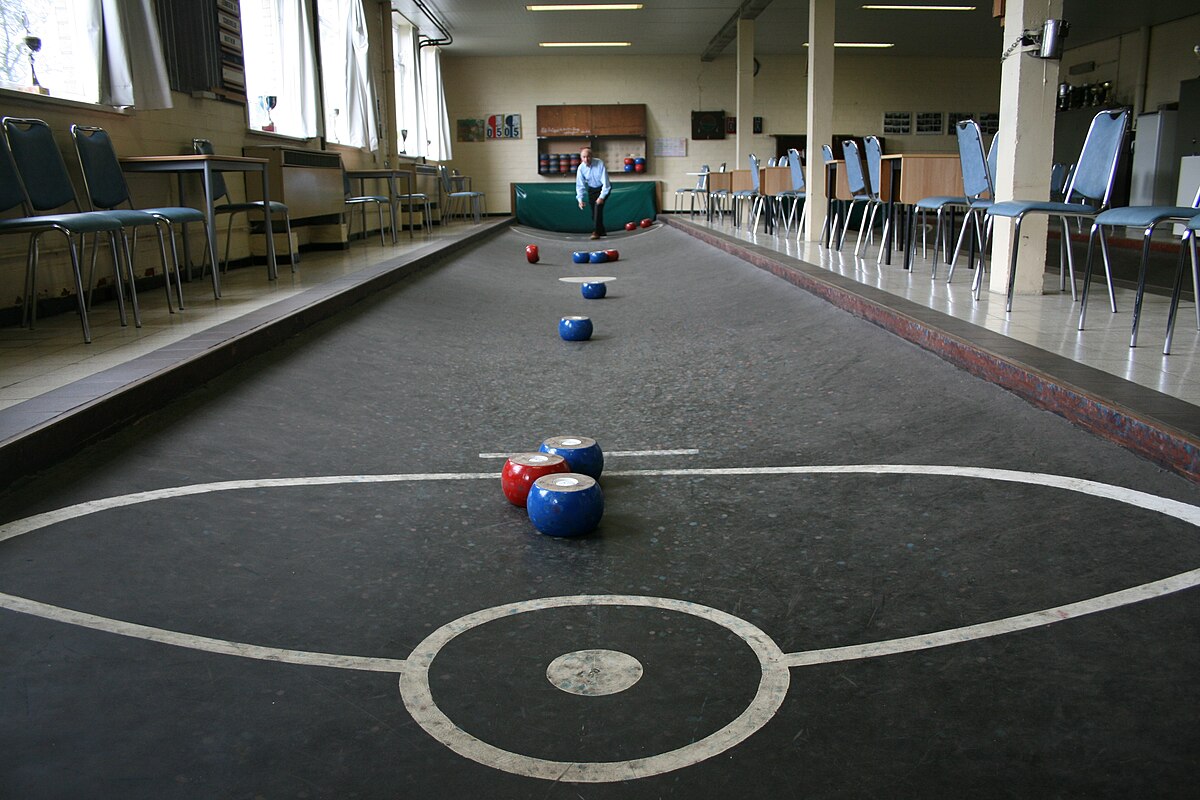
Feather bowling is a traditional Belgian game that resembles a cross between bocce, curling, and horseshoes. Played on a trough-shaped dirt or wood lane, the objective is to roll a wooden, cheese-shaped ball as close as possible to a pigeon feather stuck in the ground at the far end. While the game itself is rooted in history, its modern business application represents a significant opportunity for high-margin revenue in the leisure and hospitality industry.
The Economic Engine of Experiential Entertainment
The shift in consumer spending from products to experiences is a well-documented macroeconomic trend. Millennials and Gen Z, who now hold significant purchasing power, prioritize social engagement and unique “shareable” moments over traditional passive consumption. Feather bowling fits perfectly into this “eatertainment” niche, offering a low-barrier-to-entry social activity that encourages high dwell times and, consequently, high food and beverage (F&B) sales.
High Dwell Time and Secondary Spending
From a business finance perspective, the primary value of feather bowling is not necessarily the lane rental fee—though that is a stable revenue stream. The true value lies in dwell time. A standard round of feather bowling can last between 60 and 90 minutes. During this period, a group of four to eight players will typically consume multiple rounds of drinks and appetizers.
In a traditional bar setting, customers are transient. In a feather bowling venue, the activity anchors the customer to the location. This results in a higher “average check per head” compared to traditional hospitality models. Financial models for feather bowling establishments often show that while lane rentals may account for 20-30% of gross revenue, they drive the remaining 70-80% of sales through high-margin F&B consumption.
Low Variable Costs and Scalability
Unlike digital entertainment or high-tech golf simulators, the physical infrastructure of feather bowling is relatively low-maintenance. The lanes are traditionally made of packed dirt, clay, or specialized wood. Once the initial capital expenditure (CapEx) for the build-out is completed, the ongoing operational expenses (OpEx) are remarkably low. There are no expensive sensors to calibrate, no high-energy projectors to replace, and minimal mechanical parts that can fail. This makes the business model highly resilient and easier to scale across multiple locations.
Feather Bowling as a Commercial Real Estate Asset
For real estate investors and developers, feather bowling offers a unique solution to the problem of “dead space” in urban developments or underutilized industrial warehouses. Because the game requires specific, long, and narrow lanes, it can be integrated into floor plans that might be awkward for traditional retail or restaurant layouts.
Maximizing Square Footage Revenue
A standard feather bowling lane is approximately 60 feet long and 8 to 10 feet wide. This footprint allows developers to fit multiple lanes into a narrow industrial bay or a basement level of a mixed-use development. When calculating the Revenue Per Square Foot (RPSF), feather bowling venues often outperform traditional casual dining.
By layering social gaming over a bar program, an investor can monetize every square inch of the property. The areas surrounding the lanes serve as spectator zones, which also function as high-density seating for dining. This dual-purpose utility of the space increases the overall efficiency of the real estate asset.
Urban Revitalization and Anchor Tenancy
We are seeing feather bowling venues act as “anchor tenants” for new entertainment districts. Because the game is a novelty in the North American and broader European markets, it serves as a destination-style attraction. This draws foot traffic to a specific area, increasing the value of surrounding parcels. For a property owner, leasing to a feather bowling concept can be a strategic move to “place-make,” creating a vibrant social hub that increases the desirability of the entire development.

Monetizing the Experience: Revenue Streams and Profit Margins
To understand the financial viability of feather bowling, one must look at the diversified revenue streams available to the operator. A well-managed venue does not rely solely on the “walk-in” customer; it builds a robust financial ecosystem around the sport.
Corporate Events and Teambuilding
One of the most lucrative segments for feather bowling is the corporate market. In the post-pandemic era, companies are looking for meaningful ways to bring remote teams together. Feather bowling is an ideal corporate activity because it is inclusive; it does not require significant physical fitness or prior skill, making it accessible to a wide demographic of employees.
Corporate bookings typically involve pre-paid packages that include lane rentals, open bars, and catered food. These bookings are often scheduled during “off-peak” hours (Monday through Thursday), providing the business with essential mid-week revenue that offsets the overhead of the facility. The profit margins on corporate events are significantly higher due to the ability to accurately forecast labor and inventory needs.
League Play and Membership Models
To ensure recurring revenue, many venues implement a league system. Much like traditional bowling, feather bowling leagues create a loyal customer base that visits the venue weekly for 10 to 12 weeks at a time. This provides a “subscription-like” stability to the cash flow. Furthermore, some high-end venues are experimenting with membership models, offering exclusive access to certain lanes or discounts on F&B for a monthly fee, further smoothing out the volatility of the hospitality business.
Merchandise and Brand Licensing
As a niche and aesthetically pleasing sport, feather bowling carries a certain “cool factor.” This opens the door for ancillary revenue through high-quality merchandise, branded apparel, and even custom-made feather bowling balls. While this may be a smaller percentage of total revenue, it carries high margins and serves as a low-cost marketing tool that extends the brand’s reach beyond the physical walls of the venue.
Risk Management and Market Entry Strategies
While the financial outlook for feather bowling is positive, as with any investment, there are risks and strategic considerations that must be addressed.
Initial Capital Requirements
The primary barrier to entry is the initial CapEx. Building authentic feather bowling lanes requires specialized craftsmanship, particularly if using the traditional clay and sawdust mixtures. Investors must also account for the cost of liquor licensing, kitchen build-outs, and HVAC systems capable of handling high-density crowds. A typical high-end feather bowling gastropub can require an initial investment ranging from $500,000 to over $2 million, depending on the location and scale.
Market Saturation and Competition
While feather bowling is currently a “blue ocean” in many markets, the rise of competing social sports like indoor pickleball and high-tech darts (like Flight Club) means that operators must remain competitive. The key to mitigating this risk is brand differentiation. A feather bowling venue shouldn’t just be a place to play a game; it must be a premium hospitality experience. The quality of the food program and the design of the interior are just as important as the lanes themselves.
Regulatory and Zoning Hurdles
Investors must navigate the complexities of local zoning laws. Since feather bowling is often categorized as “indoor recreation,” it may require different permits than a standard restaurant. Ensuring that a location is properly zoned for both alcohol consumption and recreational gaming is a critical first step in the due diligence process. Failure to secure the correct permits can lead to costly delays or even the total shutdown of the project.

Conclusion: The Future of Feather Bowling Investments
Feather bowling represents a sophisticated intersection of sports, social interaction, and hospitality finance. It leverages the high margins of the beverage industry with the sticky, community-building power of recreational sports. For the investor looking to diversify away from traditional retail or office real estate, the “eatertainment” sector—and feather bowling in particular—offers a high-growth opportunity.
As the demand for unique, offline experiences continues to grow, those who can successfully package a centuries-old Belgian pastime into a modern, high-service business model stand to reap significant financial rewards. By focusing on high dwell times, corporate scalability, and efficient use of real estate, feather bowling is quickly proving that it is much more than just a game—it is a serious business.
aViewFromTheCave is a participant in the Amazon Services LLC Associates Program, an affiliate advertising program designed to provide a means for sites to earn advertising fees by advertising and linking to Amazon.com. Amazon, the Amazon logo, AmazonSupply, and the AmazonSupply logo are trademarks of Amazon.com, Inc. or its affiliates. As an Amazon Associate we earn affiliate commissions from qualifying purchases.