
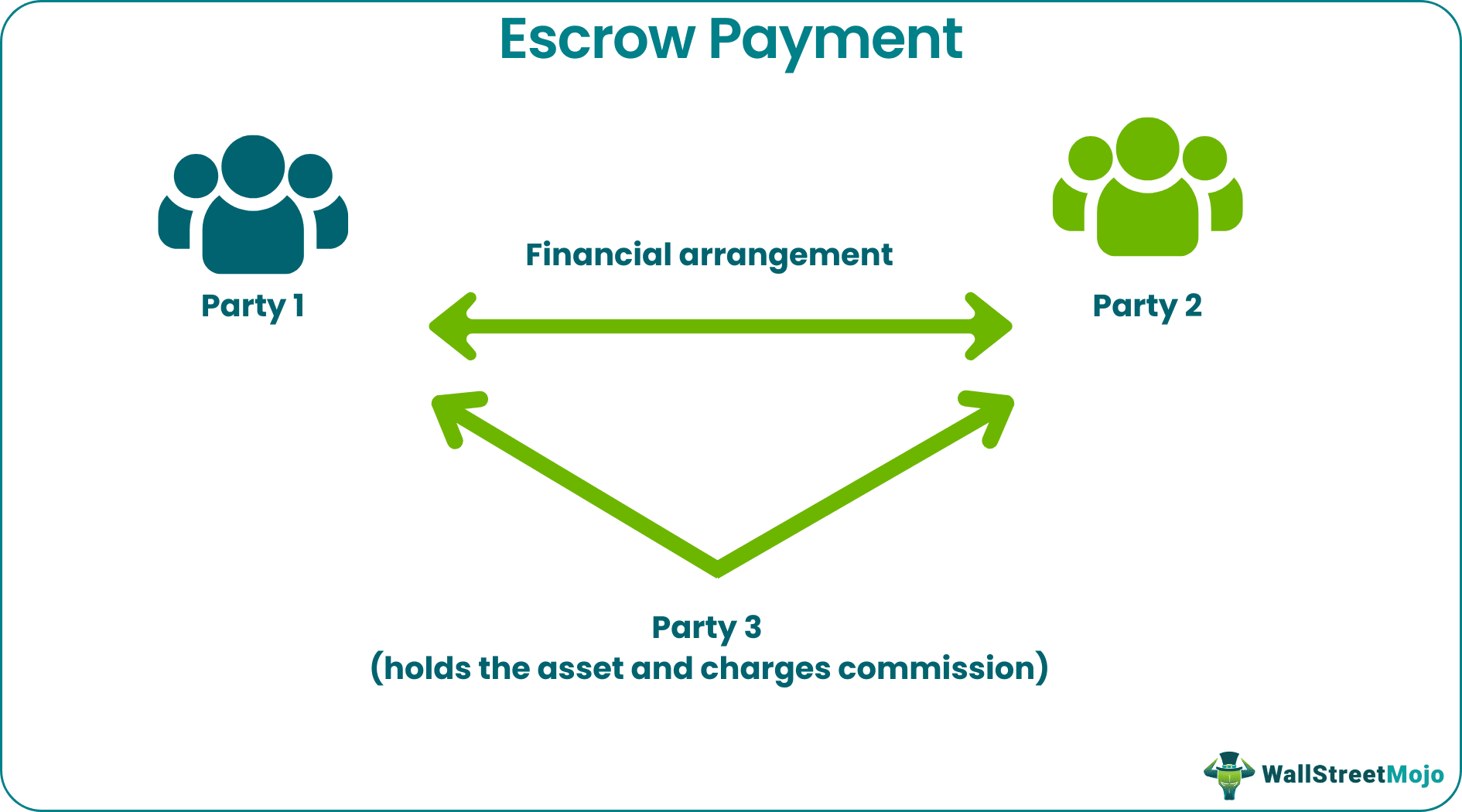
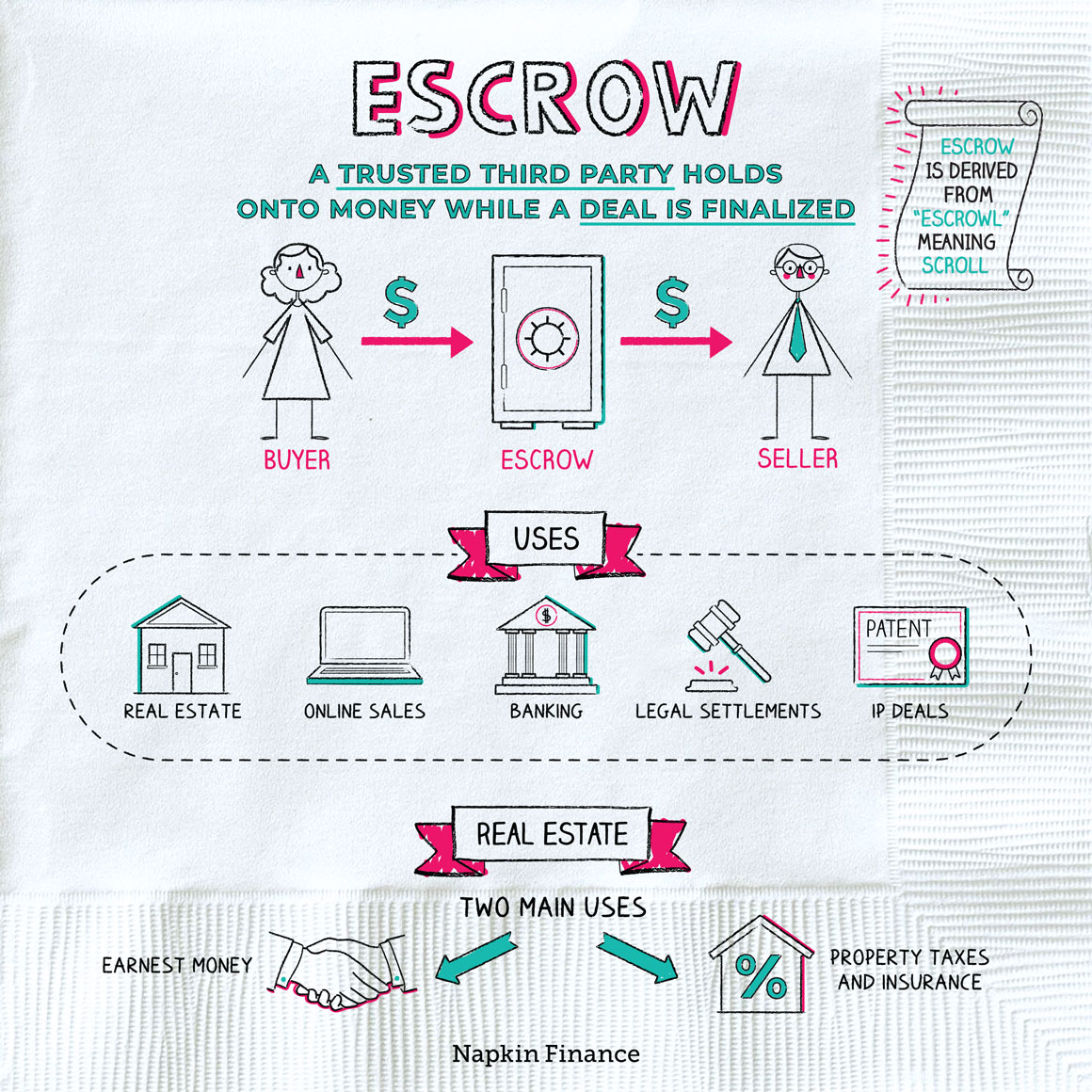
In the modern financial landscape, trust is the primary currency. Whether you are purchasing a home, acquiring a business, or hiring a freelance consultant halfway across the world, the inherent risk of a transaction failing—or one party failing to meet their obligations—is always present. This is where “escrow pay” becomes an essential tool. At its core, escrow is a legal arrangement in which a third party temporarily holds money or assets until specific conditions are met.
Escrow pay acts as a financial bridge, ensuring that the buyer does not lose their money if the seller fails to deliver, and the seller is guaranteed payment if they fulfill the contract. By acting as a neutral intermediary, escrow services mitigate risk, professionalize high-value exchanges, and provide a structured framework for complex financial dealings.
How Escrow Pay Works: The Mechanics of Financial Security
Understanding the mechanics of escrow is vital for any individual or business looking to secure their capital. The process is designed to be linear and transparent, removing the “leap of faith” often required in traditional peer-to-peer transactions.
The Three-Party Dynamic
Every escrow arrangement involves three distinct entities:
- The Depositor (The Buyer): The party responsible for initiating the payment.
- The Beneficiary (The Seller): The party who will receive the funds once the service or product is delivered.
- The Escrow Agent (The Neutral Third Party): A regulated entity or automated platform that holds the funds and enforces the terms of the agreement.
The escrow agent has a fiduciary responsibility to both parties. They cannot release the funds to the seller until the buyer confirms receipt of the goods, nor can they return the funds to the buyer if the seller has proven they met the contractual obligations.
The Step-by-Step Process
While specific industries may have slight variations, the standard workflow for escrow pay follows these five steps:
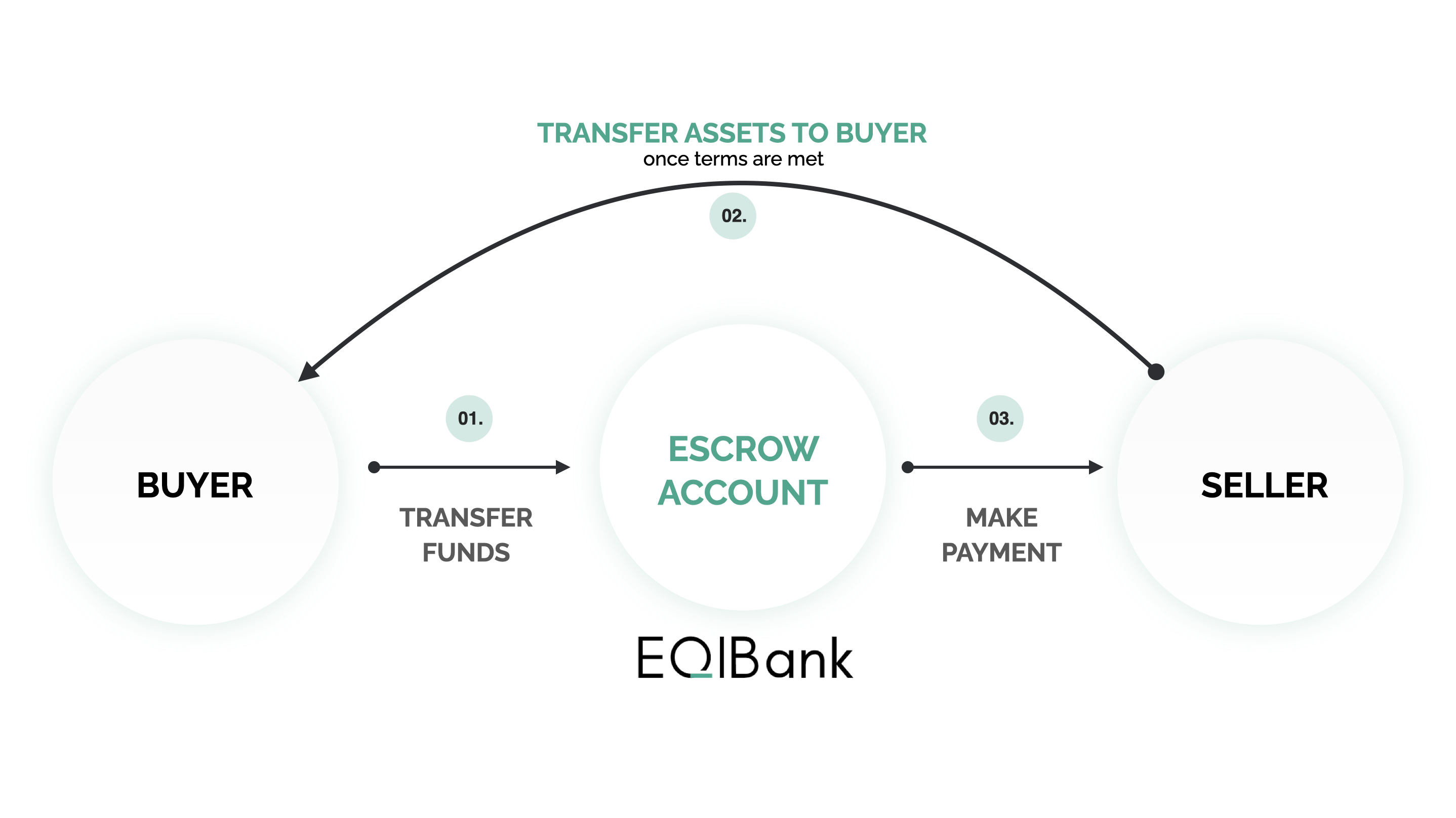
- Agreement on Terms: Both the buyer and seller agree to use an escrow service and define the “milestones” or conditions that must be met for the money to be released.
- The Deposit: The buyer transfers the agreed-upon amount to the escrow account. The escrow agent verifies the receipt of funds and notifies the seller.
- Performance and Delivery: Secure in the knowledge that the money is “in the bank” (held by the neutral party), the seller delivers the product or performs the service.
- Inspection Period: The buyer is given a predetermined amount of time to inspect the delivery. This ensures that the goods are as described or the work meets the professional standard agreed upon.
- Disbursement: Once the buyer approves the transaction, the escrow agent releases the funds to the seller. If a dispute arises, the funds remain in escrow until a resolution is reached through mediation or legal intervention.
Key Use Cases for Escrow Services in Modern Finance
Escrow pay is not a one-size-fits-all solution; it is adapted to fit various sectors of the economy where the stakes are high and the need for verification is paramount.
Real Estate and Mortgage Management
Perhaps the most common use of escrow is in the real estate market. In this context, escrow serves two distinct purposes. During the home-buying process, an escrow account holds the buyer’s “earnest money” deposit. This shows the seller that the buyer is serious while protecting the buyer’s cash if the home inspection reveals major structural flaws.
Once the home is owned, escrow enters a second phase: the mortgage escrow account. Many lenders require homeowners to pay a monthly amount into an escrow account alongside their mortgage payment. This fund is used by the lender to pay for property taxes and homeowners insurance on the owner’s behalf. This protects the lender’s investment by ensuring the property remains insured and tax-compliant.
High-Value Online Sales and E-commerce
As the global marketplace shifts toward cross-border digital transactions, escrow pay has become a staple for buying and selling high-value items like luxury watches, domain names, and heavy machinery. Platforms like Escrow.com or specialized financial tools provide a layer of protection that standard credit card payments or wire transfers cannot offer. Unlike a credit card “chargeback,” which can be abused by fraudulent buyers, escrow protects the seller by ensuring the funds are verified and locked before shipping occurs.
Freelance Contracts and the Gig Economy
For independent contractors and businesses, escrow pay is the gold standard for project management. Platforms like Upwork and Fiverr utilize escrow to protect both the freelancer and the client. When a project is initiated, the client funds the “milestone.” The freelancer works with the confidence that the budget is already allocated, and the client retains the right to request revisions before the payment is finalized. This structure is crucial for maintaining a healthy business finance ecosystem in the remote work era.
The Benefits and Risks of Using Escrow Pay
Like any financial tool, escrow pay offers significant advantages but requires a nuanced understanding of its costs and potential pitfalls.
Mitigating Counterparty Risk
The primary benefit of escrow is the elimination of counterparty risk—the danger that the person on the other side of the deal won’t hold up their end of the bargain. In international trade, where legal recourse can be prohibitively expensive and difficult to navigate, escrow provides a localized, enforceable safety net. It creates a “trustless” environment where parties don’t need to know or like each other; they only need to trust the intermediary and the contract.
Professional Dispute Resolution
A significant advantage of professional escrow services is their built-in dispute resolution protocols. If a buyer claims a product is defective and the seller claims it was damaged during shipping, the escrow agent acts as an adjudicator. They review the evidence—such as tracking numbers, photos, and communication logs—to make a fair determination on how the funds should be distributed.
The Downside: Fees and Liquidity
The most notable drawback of escrow pay is the cost. Escrow agents provide a high-value service, and they charge for it, typically through a percentage of the total transaction (ranging from 1% to 5%) or a flat fee. For smaller transactions, these fees can eat into profit margins significantly. Additionally, escrow can impact liquidity. Because the funds are “locked,” they cannot be used for other investments or business expenses until the inspection period concludes. This time latency is a necessary trade-off for security, but it must be factored into cash flow projections.
Choosing the Right Escrow Platform: What to Look For
Not all escrow services are created equal. In the realm of personal and business finance, choosing an unverified or “fake” escrow service is a common way for scammers to steal funds.
Regulatory Compliance and Licensing
The first thing to verify is whether the escrow provider is licensed and regulated. In the United States, for example, escrow companies are often regulated by state-level financial authorities. A legitimate provider will be bonded and insured, providing a layer of protection in case the escrow company itself faces financial instability.
Transparency in Fee Structures
A reputable escrow service will be completely transparent about its fees from the outset. You should be able to see exactly who pays for the service—the buyer, the seller, or a 50/50 split—and whether there are additional costs for wire transfers or currency conversions. If a platform hides its fee structure or has “hidden” costs that appear at the end of a transaction, it is a significant red flag.
User Interface and Integration
For businesses that handle a high volume of transactions, the ability to integrate escrow pay into existing workflows is essential. Modern financial tools now offer APIs (Application Programming Interfaces) that allow escrow services to be built directly into an e-commerce site or a project management dashboard. This reduces administrative friction and makes the secure payment process part of the natural customer journey.
The Future of Escrow: Automation and Smart Contracts
The concept of escrow pay is currently undergoing a massive transformation driven by financial technology (FinTech). We are moving away from manual, paper-heavy escrow processes toward automated, code-based solutions.
Blockchain and Programmable Money
In the world of online income and digital assets, “Smart Contracts” are becoming the new form of escrow. These are self-executing contracts where the terms of the agreement are written directly into lines of code. On a blockchain, the “escrow agent” is replaced by a decentralized protocol. When the digital conditions are met (e.g., a digital file is transferred), the funds are automatically released. This reduces the need for human intermediaries and significantly lowers the fees associated with traditional escrow.
AI-Driven Dispute Resolution
Artificial Intelligence is also starting to play a role in the escrow process. By analyzing thousands of past transaction disputes, AI tools can help escrow providers identify fraudulent behavior patterns before a transaction even begins. This proactive approach to business finance helps maintain the integrity of global marketplaces and ensures that escrow pay remains the most reliable method for securing high-value exchanges.
Escrow pay is more than just a holding account; it is a fundamental pillar of secure commerce. Whether you are navigating the complexities of a real estate closing or securing a freelance contract for a side hustle, understanding how to leverage escrow will protect your capital, enhance your professional reputation, and provide the peace of mind necessary to conduct business in an increasingly digital and globalized world.
aViewFromTheCave is a participant in the Amazon Services LLC Associates Program, an affiliate advertising program designed to provide a means for sites to earn advertising fees by advertising and linking to Amazon.com. Amazon, the Amazon logo, AmazonSupply, and the AmazonSupply logo are trademarks of Amazon.com, Inc. or its affiliates. As an Amazon Associate we earn affiliate commissions from qualifying purchases.