
In an era defined by global connectivity and the rapid digitization of identity, the systems used to secure international and domestic travel have become increasingly sophisticated. Central to this infrastructure is the Department of Homeland Security (DHS) Traveler Redress Inquiry Program (TRIP), which issues a specialized identifier known as the Redress Number. While it may appear to be a simple seven-digit code found on a boarding pass or travel profile, the Redress Number is a critical component of modern digital security, database management, and algorithmic identity verification.
Understanding the DHS Redress Number requires a deep dive into how government agencies manage massive datasets, how security algorithms identify potential risks, and how individuals can navigate the technical friction that occurs when automated systems fail to distinguish between different people with similar data profiles.
The Technology of Secure Travel and Identity Management
The DHS Redress Number is a unique identifier provided to travelers who have experienced consistent delays or difficulties during security screening at airports or border crossings. To understand why this number exists, one must first understand the “Secure Flight” program managed by the Transportation Security Administration (TSA).
The Secure Flight Program and Algorithmic Screening
Secure Flight is a behind-the-scenes data-processing system that matches traveler information against government watchlists. When a passenger books a flight, their name, date of birth, and gender are transmitted to the TSA. The system uses complex matching algorithms to determine if the passenger is a “high-risk” individual, such as someone on the No Fly List or the Selectee List.
However, algorithms are not infallible. The primary technical challenge in this system is the occurrence of “false positives.” If a law-abiding citizen shares a name or a birthdate with someone on a security watchlist, the automated system may flag them. This results in the traveler being unable to print a boarding pass at home, facing secondary screenings, or being denied boarding entirely. The Redress Number serves as a digital override—a unique key that tells the system, “This specific individual has been vetted and is not the person on the watchlist.”
Data Integrity and Database Collisions
In the world of big data, “database collisions” occur when two distinct entities are treated as the same due to overlapping attributes. For travelers with common names, these collisions are a frequent occurrence in security databases. The Redress Number acts as a “Primary Key” in database terminology. By adding this unique 7-digit integer to a traveler’s profile, the DHS can decouple the innocent traveler’s identity from the flagged record, ensuring that the screening algorithm recognizes them as a distinct, low-risk entity.
Why You Might Need a Redress Number: A Digital Security Perspective
From a digital security standpoint, the need for a Redress Number arises when there is a persistent error in the synchronization of identity data between different government agencies. It is not merely about convenience; it is about resolving identity conflicts within a massive, interconnected security apparatus.
Identifying False Positives in Screening Databases
A false positive occurs when the screening software’s “fuzzy matching” logic is too broad. For instance, if the system is looking for “John Doe” and you are “Jonathan Doe,” the algorithm might flag you to be safe. While this broad matching is designed to prevent terrorists from using aliases, it creates significant friction for legitimate travelers.
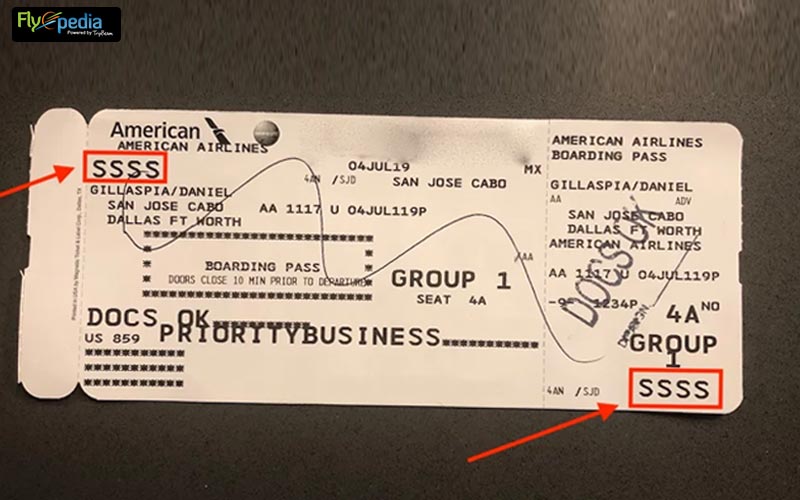
If a traveler consistently finds the “SSSS” (Secondary Security Screening Selection) code on their boarding pass, it is a digital signal that their identity has been conflated with a record in the Terrorist Screening Database (TSDB). Applying for a Redress Number initiates a manual review process where a human analyst examines the digital fingerprints and documentation to resolve the conflict.
Resolving Misidentification and Watchlist Errors
Identity theft and data breaches also play a role in the need for redress. If an individual’s PII (Personally Identifiable Information) has been compromised and used by a malicious actor, that individual may find themselves flagged by security systems. In this context, the Redress Number is a tool for identity restoration. It provides a clean digital path for the traveler, effectively shielding their travel experience from the “noise” created by the misuse of their data.
The Application Process: Navigating the TRIP Portal
The process of obtaining a Redress Number is managed through the DHS Traveler Redress Inquiry Program (TRIP) online portal. This system is a prime example of a government-to-citizen (G2C) digital interface designed to handle sensitive information securely.
The Redress Control Number (RCN) Workflow
When a traveler submits an application through the TRIP portal, they are assigned a Redress Control Number (RCN). The workflow involves several technical stages:
- Data Intake: The user provides detailed PII, including passport numbers, driver’s license information, and a description of the travel incidents.
- Verification: The system authenticates the provided documents against existing government records.
- Adjudication: Security analysts review the “hits” that occurred during previous travel. They determine if the delays were due to a name similarity or another technical error.
- Synchronization: Once the redress is granted, the unique Redress Number is linked to the individual’s records across multiple databases, including the TSA’s Secure Flight system and the Customs and Border Protection (CBP) systems.
Integrating the Number into Digital Booking Systems
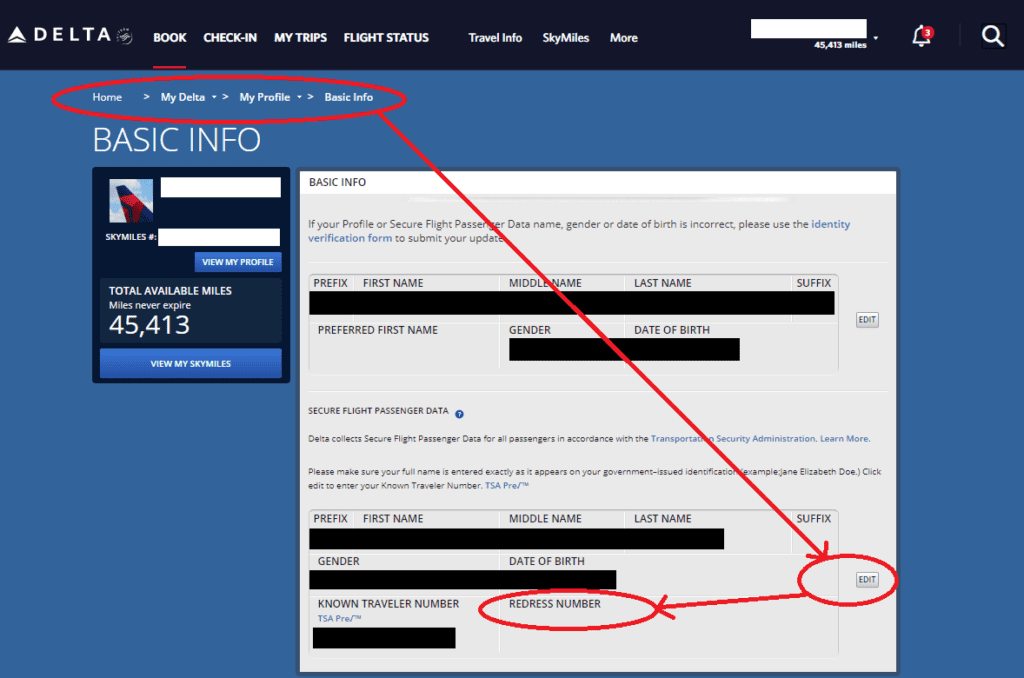
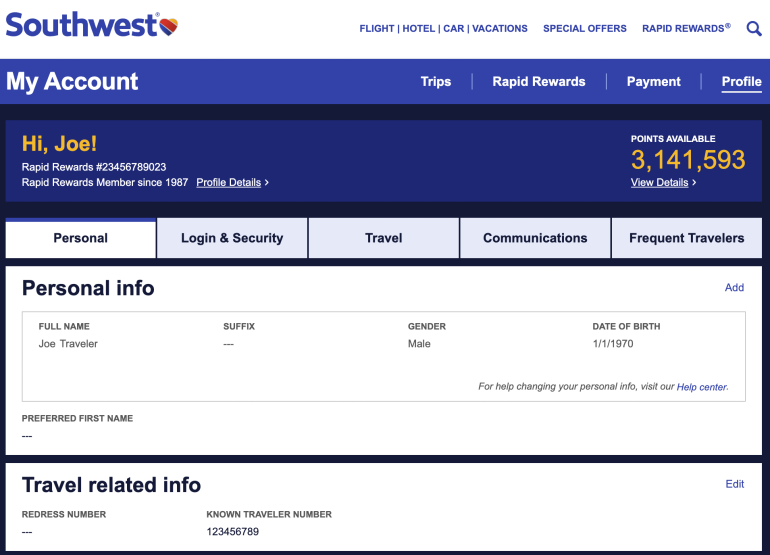
Once an individual receives their Redress Number, the onus is on the traveler to integrate it into their digital travel ecosystem. Most modern airline booking engines and Global Distribution Systems (GDS)—such as Amadeus or Sabre—have a specific field for the Redress Number during the checkout or profile creation process.
From a technical perspective, this field is part of the API call sent from the airline to the TSA. When the Redress Number is included in the PNR (Passenger Name Record), the Secure Flight algorithm prioritizes the Redress Number over name-matching logic. This ensures that the vetting process is streamlined and the traveler is correctly identified as a “cleared” individual.
Security Protocols and Data Privacy
Because the DHS Redress Number is linked to sensitive PII and security vetting, the protocols surrounding its storage and transmission are rigorous. This falls under the broader umbrella of cybersecurity and digital privacy within government infrastructure.
Protection of PII (Personally Identifiable Information)
The DHS TRIP system must comply with various federal regulations, such as the Privacy Act of 1974. The data is encrypted both at rest and in transit using high-level cryptographic standards. Furthermore, access to the database is strictly controlled through multi-factor authentication and audit logs to ensure that only authorized personnel can view or modify redress records.
For the traveler, the Redress Number itself is a sensitive piece of data. While it is not as critical as a Social Security Number, it should be guarded. If an unauthorized party gains access to a Redress Number, they could theoretically attempt to associate it with a different name in a fraudulent booking, though the TSA’s secondary verification of name and date of birth makes this type of “identity spoofing” extremely difficult.
The Future of Biometric Security and Redress Systems
As we move toward a more biometric-centric travel experience, the role of the Redress Number may evolve. Digital security experts are increasingly looking at facial recognition and fingerprint data as more reliable identifiers than alphanumeric codes. However, even in a biometric-heavy environment, a “Redress ID” will likely remain necessary as a logical pointer to resolve cases where biometric data might be misread or where an individual is falsely flagged by a facial recognition algorithm.
Distinguishing Redress Numbers from Other Security Credentials
A common point of confusion in travel technology is the difference between a Redress Number and a Known Traveler Number (KTN). While both are digits used in travel profiles, they serve diametrically opposite functions in the architecture of digital security.
Known Traveler Numbers (KTN) vs. Redress Numbers
The Known Traveler Number is associated with “Trusted Traveler Programs” like TSA PreCheck, Global Entry, or NEXUS. A KTN is a signifier of a proactive background check; it is a “fast pass” for those who have volunteered their data for pre-clearance.
In contrast, a Redress Number is a reactive tool. It is issued to solve a problem—specifically, the problem of being incorrectly flagged. While a person can have both (for example, a TSA PreCheck member who happens to share a name with a person of interest), they interact with the screening algorithms differently. The KTN tells the system to grant expedited screening, while the Redress Number tells the system to ignore a specific database match that would otherwise cause a delay.
Maximizing Travel Efficiency Through Digital Verification
For the tech-savvy traveler, managing these numbers is part of a broader strategy of “digital identity hygiene.” By ensuring that the Redress Number is correctly entered into frequent flyer profiles and saved within digital wallets or password managers, individuals can automate the resolution of identity conflicts.
This level of digital integration is essential in a world where manual overrides at an airport gate are becoming increasingly rare. As airlines move toward fully automated, kiosk-based check-in processes, the presence of the Redress Number in the digital record is often the only thing standing between a seamless boarding experience and a significant security delay.
In conclusion, the DHS Redress Number is a vital tool for maintaining the accuracy of digital security systems. It represents the intersection of government surveillance technology and individual identity rights, providing a necessary “fix” for the inherent limitations of algorithmic matching. As security databases continue to grow in size and complexity, the Redress Number will remain a cornerstone of identity verification, ensuring that the digital “noise” of global security lists does not silence the movement of legitimate travelers.
aViewFromTheCave is a participant in the Amazon Services LLC Associates Program, an affiliate advertising program designed to provide a means for sites to earn advertising fees by advertising and linking to Amazon.com. Amazon, the Amazon logo, AmazonSupply, and the AmazonSupply logo are trademarks of Amazon.com, Inc. or its affiliates. As an Amazon Associate we earn affiliate commissions from qualifying purchases.