
In the rapidly evolving landscape of global commerce, the concept of identity has shifted from a rigid set of demographic checkboxes to a fluid, multifaceted spectrum. For brand strategists, marketing executives, and corporate leaders, understanding these nuances is no longer a matter of social peripheralism—it is a core business imperative. One of the most significant shifts in contemporary identity politics and consumer psychology is the rise of non-binary and gender-expansive identities, specifically the term “demigender.”
To the uninitiated, “demigender” describes an individual who feels a partial, but not full, connection to a particular gender identity. This might manifest as a “demiboy,” who identifies partially as male, or a “demigirl,” who identifies partially as female, regardless of their assigned sex at birth. Others may identify as “demi-nonbinary.” From a brand perspective, this represents a segment of the population—particularly within Gen Z and Alpha—that rejects traditional binary marketing. Understanding what demigender is, and how it fits into the broader cultural zeitgeist, is essential for building a brand that resonates with the consumers of tomorrow.
Defining the Spectrum: Why Gender Literacy Matters for Brands
In traditional brand strategy, “Male” and “Female” were the primary pillars of audience segmentation. This binary approach informed everything from product design and color palettes to media buying and creative copy. However, the modern consumer landscape is characterized by a “post-binary” mindset.
The Nuance of Partial Connection
Demigender is an umbrella term within the non-binary community. The prefix “demi-” implies a fractional or partial experience. For a brand, this nuance is critical. It signals that a significant portion of the market does not view themselves as a monolith. If your brand strategy relies on “Hyper-Masculine” or “Ultra-Feminine” archetypes, you are likely alienating a demographic that sees their identity as a blend or a subtle connection to those concepts.
Cultural Shifts and Gen Z Influence
Data consistently shows that younger generations are leading the charge in gender expansion. According to various longitudinal studies, nearly 3% to 5% of Gen Z identifies as non-binary or gender-diverse, with many more rejecting gender stereotypes in their purchasing habits. For a brand, being “gender literate” means recognizing terms like demigender not as fleeting trends, but as foundational elements of modern self-expression. Ignoring these shifts risks making a brand appear archaic, out of touch, and exclusionary.
The Economic Power of the Non-Binary Consumer
The “Rainbow Economy” is often discussed in terms of general LGBTQ+ representation, but the specific economic drivers behind non-binary identities like demigender require a more focused lens. These consumers are not just a niche; they are trendsetters whose preferences influence the broader market.
Loyalty Through Representation
Brand loyalty is increasingly driven by shared values. When a demigender consumer sees themselves reflected in a brand’s marketing—not as a caricature, but as a valid identity—it fosters a deep psychological connection. This loyalty translates into higher Customer Lifetime Value (CLV). Consumers who feel seen by a brand are more likely to become brand advocates, defending the company in social spaces and remaining loyal even when competitors offer lower prices.
The Cost of Exclusionary Design
Traditional marketing often “pinks it and blinks it” or “blues it and dues it.” For a demigender individual, these aggressive gender cues can create a “friction point” in the user journey. If a website requires a user to select “Mr.” or “Ms.” without a gender-neutral option like “Mx.” or “Other,” that user may abandon the cart. The financial cost of these micro-exclusions adds up across millions of digital interactions, resulting in significant lost revenue.
Strategic Implementation: Integrating Demigender Visibility into Brand Identity
Integrating an understanding of demigender identities into a brand strategy requires more than just a rainbow logo during Pride Month. It requires a fundamental shift in how the brand communicates, designs, and engages with its community.

Neutralizing Brand Architecture
The most successful modern brands are moving toward a “gender-agnostic” or “gender-fluid” brand architecture. This doesn’t mean erasing gender entirely, but rather providing the flexibility for the consumer to project their own identity onto the product.
- Visual Identity: Shift away from color-coded packaging. Focus on typography, texture, and lifestyle imagery that features diverse expressions of gender.
- Product Development: Consider “Universal Fit” or “Genderless” lines. For example, in the beauty and apparel industries, brands like Telfar and Ordinary have seen massive success by focusing on the utility and aesthetic of the product rather than the gender of the user.
Language and Tone of Voice
The linguistic choices a brand makes are the most immediate indicators of its inclusivity. To accommodate demigender and non-binary audiences, brands should:
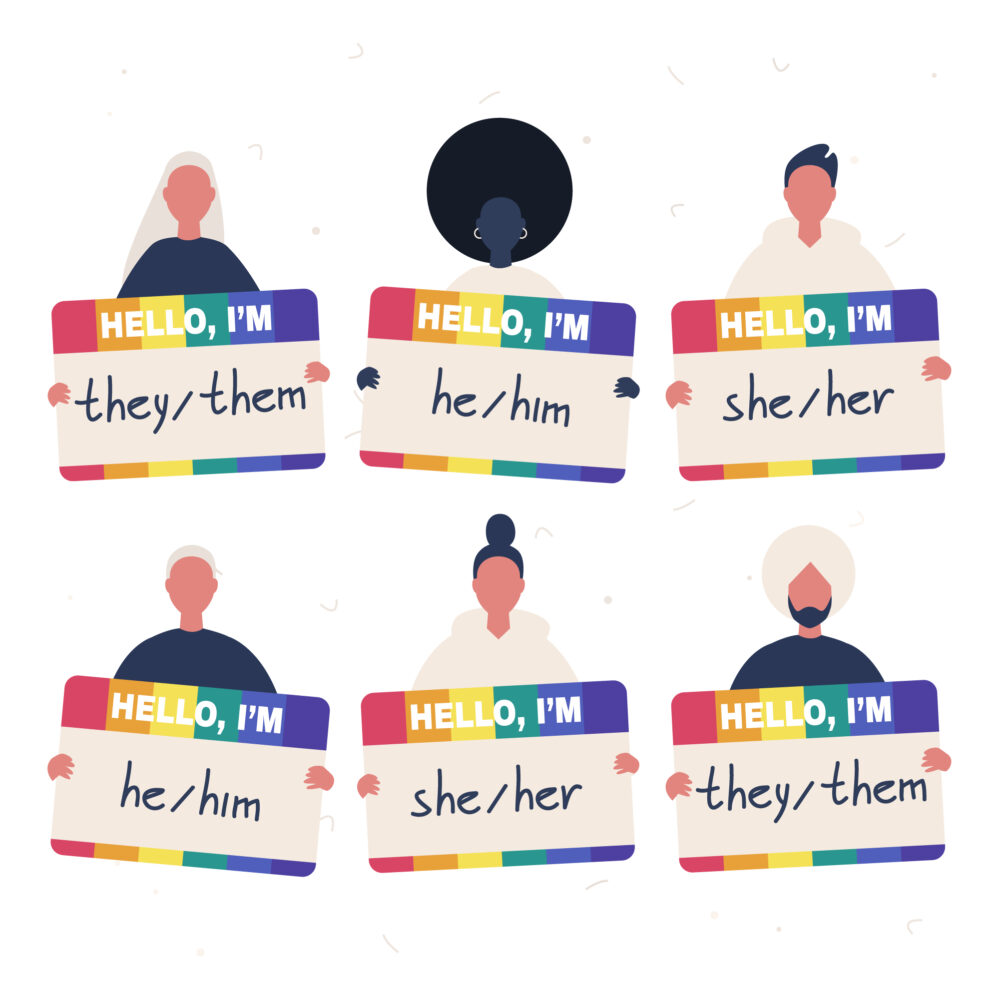
- Use Gender-Neutral Pronouns: In ad copy, use “they/them” or direct address (“you”) rather than gendered pronouns.
- Audit Data Collection: Only ask for gender if it is strictly necessary for the product’s function. If you must ask, provide an open-ended field or a “Non-binary/Other” option.
- Inclusive Honorifics: Ensure CRM systems allow for “Mx.” or the omission of titles altogether.
UI/UX for the Post-Binary Era
Digital security and user experience are where many brands fail their gender-diverse customers. A demigender user may feel a partial connection to womanhood but prefer they/them pronouns. A brand’s digital ecosystem should be flexible enough to handle these nuances. This includes profile settings that allow for multiple pronoun selections or the ability to change gender markers without contacting customer support.
Case Studies and Brand Loyalty in the Post-Binary Era
Looking at industry leaders provides a roadmap for how to successfully navigate the complexities of gender identity within a corporate framework.
The Beauty Industry Pivot
Historically one of the most gender-segregated sectors, the beauty industry has undergone a radical transformation. Brands like Fenty Beauty and Milk Makeup have built their entire corporate identity on the premise of “Beauty for All.” By featuring models who occupy the space between traditional genders—including those who might identify as demigender—these brands have captured a market share that was previously ignored by legacy giants.
Retail and the “Agender” Space
High-end and fast-fashion retailers are increasingly experimenting with “agender” sections. While some have criticized these as mere marketing stunts, the brands that succeed are those that integrate these concepts into their core DNA. When a brand treats demigender identity as a permanent fixture of their target audience rather than a one-off campaign, they build a level of trust that is difficult for competitors to break.
Challenges and Ethics: Beyond Performative Marketing
As brands rush to embrace inclusivity, they face the significant risk of “rainbow washing” or performative activism. For a demigender consumer, there is a sharp distinction between a brand that truly understands their identity and one that is simply trying to capitalize on a demographic trend.
Authenticity in Creative Execution
Authenticity is the currency of the modern brand. If a brand features non-binary or demigender individuals in its marketing but has no internal policies supporting gender-diverse employees, the disconnect will eventually be exposed. Corporate social responsibility (CSR) must align with marketing. This includes providing gender-neutral restrooms in corporate offices, offering inclusive healthcare benefits, and fostering a culture of pronoun respect internally.
Navigating the Cultural Backlash
In an increasingly polarized global market, brands often fear that being “too inclusive” will alienate their traditional customer base. However, the data suggests that for long-term brand health, the risk of obsolescence is far greater than the risk of short-term friction. Brands that stand firm in their inclusive values tend to see a “halo effect,” where their perceived integrity increases among all consumer segments, including those who may not personally identify as non-binary.
Future-Proofing the Brand
The concept of demigender is part of a larger movement toward the “Unlabeling” of the individual. As AI and data analytics become more sophisticated, brands will move toward hyper-personalization. In this future, the “average customer” no longer exists. There is only the individual, with their unique, fluctuating, and partial connections to various identities. By mastering the language of demigender identities now, brands are essentially future-proofing their strategy for a world where identity is chosen, not assigned.
In conclusion, “what is demigender” is not just a question for sociologists; it is a question for every Brand Manager and Chief Marketing Officer. It is a call to move beyond the binary and embrace a more complex, authentic, and ultimately more profitable understanding of the human experience. Brands that lean into this complexity will find themselves at the forefront of the next era of consumer engagement, defined not by who the customer is told to be, but by who they truly are.
aViewFromTheCave is a participant in the Amazon Services LLC Associates Program, an affiliate advertising program designed to provide a means for sites to earn advertising fees by advertising and linking to Amazon.com. Amazon, the Amazon logo, AmazonSupply, and the AmazonSupply logo are trademarks of Amazon.com, Inc. or its affiliates. As an Amazon Associate we earn affiliate commissions from qualifying purchases.