
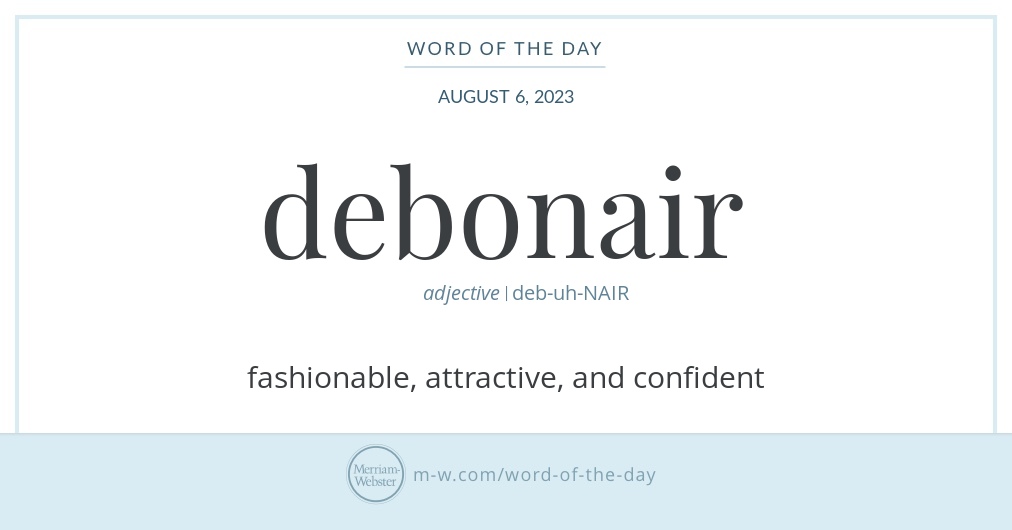
In the competitive landscape of modern commerce, a brand’s identity is its most valuable currency. While many companies strive for “disruption” or “innovation,” a distinct subset of market leaders aims for a more elusive quality: being debonair. Traditionally used to describe a person who is sophisticated, charming, and confident, the term “debonair” has migrated into the realm of brand strategy. To be a debonair brand is to occupy a space of effortless excellence, where every touchpoint exudes a sense of refined taste and unwavering self-assurance.
Understanding what is debonair in a branding context requires moving beyond the surface-level definitions of style. It is not merely about a sleek logo or an expensive color palette; it is a holistic approach to corporate identity and personal branding that prioritizes grace, intentionality, and a polished demeanor. It is the art of being high-end without being haughty, and accessible without being common.

Defining the Debonair Persona in Modern Branding
The debonair persona is rooted in the French phrase “de bon aire,” meaning “of good disposition.” In the context of brand strategy, this translates to a brand that remains composed under pressure and delivers its value proposition with a certain “je ne sais quoi.” This persona is particularly effective for brands in the luxury, professional services, and high-end lifestyle sectors, where trust and prestige are the primary drivers of consumer behavior.
Beyond Aesthetics: The Psychology of Sophistication
A debonair brand leverages psychology to create a sense of aspiration. When a consumer interacts with a brand that feels sophisticated, they are not just buying a product; they are participating in a lifestyle of competence and ease. The psychology here is centered on the concept of “status signaling.” However, unlike “flashy” brands that shout for attention, debonair brands whisper. They rely on the subtle cues of quality and heritage to signal their worth. This approach builds a deeper level of loyalty because it respects the intelligence and discernment of the target audience.
The Intersection of Confidence and Approachability
One of the most difficult balances to strike in brand strategy is the gap between authority and warmth. A brand that is too authoritative can come across as cold or elitist, while one that is too warm may lose its edge of professionalism. The debonair brand lives precisely in the middle. It possesses the confidence of an industry leader but delivers its expertise with a charming, client-focused approach. This creates a “magnetic” brand identity—one that attracts high-value clients because it feels both elite and welcoming.
The Core Pillars of a Debonair Brand Strategy
To build a brand that embodies the debonair spirit, a strategist must look at the framework of the identity through three primary lenses: visual restraint, attention to detail, and the power of silence. These pillars ensure that the brand remains consistent and impactful across all channels.
Understated Luxury and Visual Minimalism
The visual identity of a debonair brand is characterized by restraint. In an era of sensory overload, simplicity is the ultimate sophistication. This does not mean a brand should be boring; rather, it should be curated.
- Color Palettes: Debonair brands often lean toward “timeless” colors—navy, charcoal, forest green, cream, and champagne. These colors evoke a sense of history and stability.
- Typography: The choice of typeface is critical. Sophisticated brands often utilize high-contrast serifs for a sense of tradition or highly refined, geometric sans-serifs for a modern, architectural feel.
- Negative Space: A key element of debonair design is the generous use of “white space.” This signals that the brand is not desperate for the consumer’s attention, which in turn increases its perceived value.
Impeccable Attention to Detail
For a debonair brand, the “small things” are the “big things.” This is where the brand’s commitment to excellence is truly tested. Whether it is the tactile quality of a business card, the micro-copy in a newsletter, or the transition animations on a website, every detail must feel intentional. This level of care communicates to the customer that if the brand cares this much about a minor design element, it will care even more about the quality of the core product or service. This pillar is about eliminating friction and replacing it with delight.
The Power of Intentional Silence
In marketing, there is often a rush to be everywhere at once—social media, podcasts, billboards, and email. However, a debonair brand understands the power of exclusivity and intentional silence. By not over-communicating, the brand maintains an aura of mystery and demand. When the brand does speak, its message is weighted with more importance. This strategy turns marketing from a “push” activity into a “pull” activity, where the audience seeks out the brand because its presence is treated as a premium event rather than a constant noise.
Personal Branding: How to Embody the Debonair Executive
In the modern economy, personal branding is inseparable from corporate identity. Founders, CEOs, and high-level consultants often serve as the “face” of their organizations. For these individuals, being debonair is an essential tool for leadership and networking.
Cultivating Authority Through Etiquette
Etiquette is often dismissed as a relic of the past, but in high-stakes business branding, it is a differentiator. A debonair personal brand is built on the foundation of respect and social intelligence. This includes everything from the way one conducts a meeting to the way they handle a public disagreement. By maintaining a high standard of professional etiquette, an individual reinforces the brand’s reputation for maturity and reliability.
The Role of Narrative and Storytelling
A debonair executive does not just list their achievements; they weave them into a compelling narrative. The art of storytelling allows a leader to share their vision in a way that feels organic rather than promotional. The debonair storyteller knows when to be vulnerable and when to be stoic, using their journey to inspire confidence in their team and their stakeholders. The story is never about “selling”; it is about “inviting” others into a shared vision of excellence.
Consistency Across Digital and Physical Spaces
A common mistake in personal branding is the “identity gap”—when a person’s digital presence (LinkedIn, personal website) does not match their physical presence (in-person meetings, speaking engagements). To be debonair, one must maintain a seamless transition between these worlds. The tone of voice used in a written article should mirror the tone used in a keynote speech. This consistency builds a “predictable excellence” that clients and partners can rely on, which is the cornerstone of long-term brand equity.
Implementing the Debonair Framework in Your Business
Transitioning a brand from a standard market player to a debonair industry leader requires a tactical shift in how the business presents itself. This implementation phase focuses on refining the voice and curating the visual ecosystem.
Refining Your Brand Voice
The “voice” of a debonair brand is articulate, witty, and composed. It avoids slang and hyper-trendy buzzwords that might date the brand. Instead, it uses clear, evocative language that positions the brand as a thoughtful authority. To implement this, companies should develop a comprehensive style guide that outlines:
- Tone: Is the brand more “Reserved Sophisticate” or “Charming Professional”?
- Vocabulary: Which words are “on-brand” (e.g., bespoke, curated, exquisite) and which are “off-brand” (e.g., cheap, hack, viral)?
- Rhythm: Debonair brands often use a mix of short, punchy sentences for impact and longer, rhythmic sentences for explanation.
Curating Your Visual Assets for Maximum Impact
Every visual asset, from photography to iconography, must be filtered through the debonair lens. This means moving away from generic stock imagery and investing in custom, high-art photography that tells a specific story. Lighting should be considered; moody, cinematic lighting often conveys more sophistication than flat, bright corporate lighting. The goal is to create a visual world that the consumer wants to inhabit.
The Long-Term ROI of a Debonair Brand Identity
While building a debonair brand requires a significant investment of time and creative energy, the return on investment is substantial. Because these brands are built on the principles of timelessness and quality, they are less susceptible to market fluctuations and trends.
Commanding Premium Pricing
One of the most tangible benefits of a debonair brand is the ability to command premium pricing. When a brand is perceived as sophisticated and high-status, the price becomes secondary to the value of the association. Consumers are willing to pay more for a debonair experience because it offers emotional and social rewards that a budget brand cannot match.
Attracting Elite Talent and Partnerships
A brand’s identity does not just attract customers; it attracts talent. High-performers want to work for organizations that reflect their own professional standards. A debonair brand acts as a beacon for top-tier employees, partners, and collaborators who are drawn to the brand’s culture of excellence. This creates a virtuous cycle where the quality of the brand’s people further enhances the quality of the brand itself.

Longevity in a Shifting Market
Finally, a debonair brand is built to last. By avoiding the “race to the bottom” on price and the “race to the edge” on trends, these brands cultivate a timeless appeal. They become “legacy brands” that can adapt to technological changes without losing their core identity. In a world of “here today, gone tomorrow” businesses, the debonair brand remains a constant, trusted fixture of the marketplace.
Ultimately, asking “what is debonair” in the world of branding leads to a single conclusion: it is the pursuit of perfection delivered with a smile. It is a commitment to the highest standards of craft, communication, and character. For the brand that masters this art, the rewards are not just financial, but cultural—becoming a name that is synonymous with the very best the industry has to offer.
aViewFromTheCave is a participant in the Amazon Services LLC Associates Program, an affiliate advertising program designed to provide a means for sites to earn advertising fees by advertising and linking to Amazon.com. Amazon, the Amazon logo, AmazonSupply, and the AmazonSupply logo are trademarks of Amazon.com, Inc. or its affiliates. As an Amazon Associate we earn affiliate commissions from qualifying purchases.