
In the modern technological landscape, the terms “cell” and “battery” are often used interchangeably in casual conversation. However, for tech enthusiasts, engineers, and consumers looking to understand the mechanics of their devices, distinguishing between these two is essential. At its core, the evolution of the cell and the battery represents one of the most significant trajectories in hardware engineering. From the oversized lead-acid blocks of the past to the ultra-thin lithium-polymer sheets found in contemporary smartphones, this technology is the invisible backbone of the digital revolution.
Understanding the technical nuances of portable power is not just about knowing how long a phone stays on; it is about understanding the constraints and possibilities of modern hardware design. As we push toward more powerful AI-driven gadgets and high-performance mobile computing, the efficiency of the cell remains the primary bottleneck—and the primary opportunity—for innovation.
Defining the Building Blocks: Cells vs. Batteries
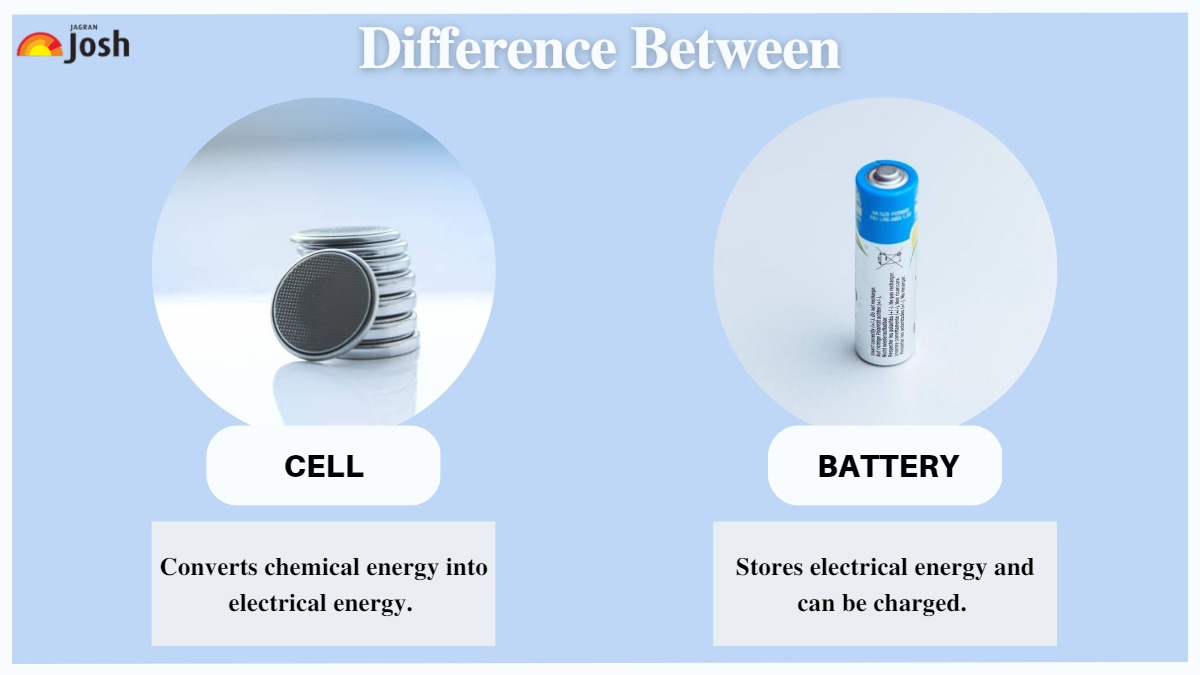
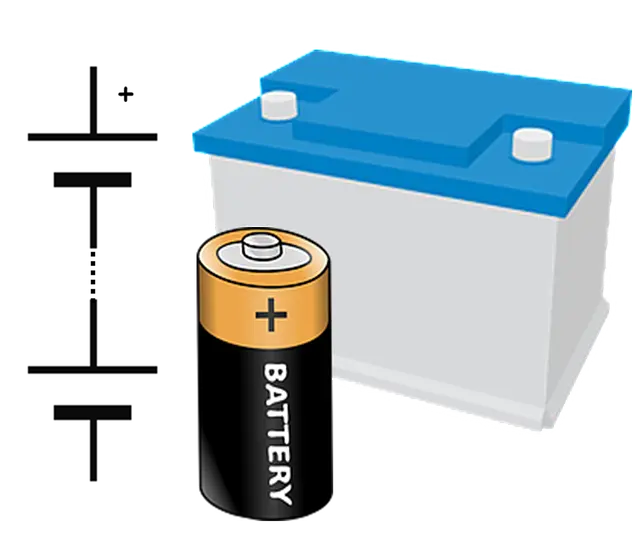
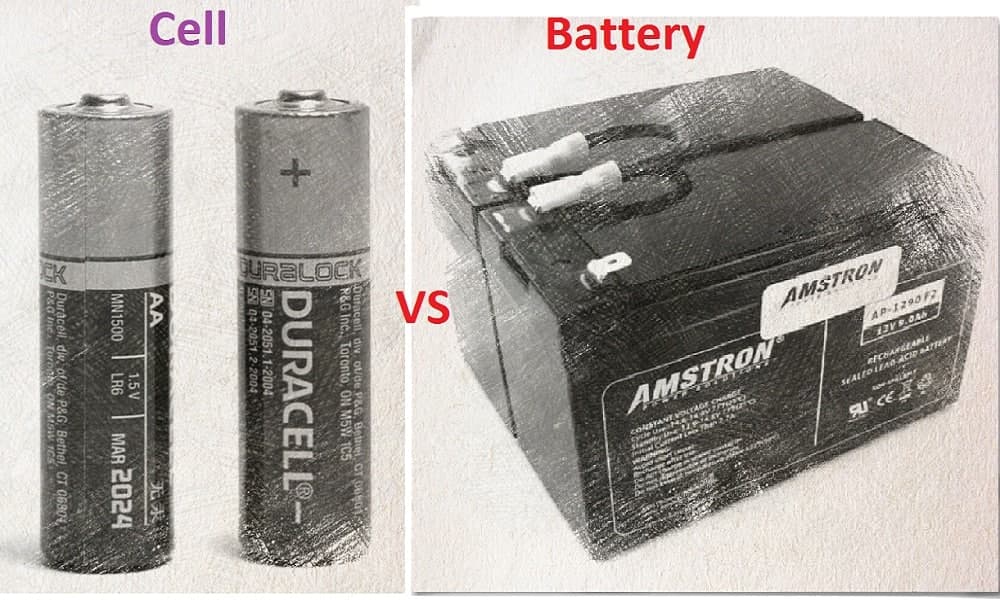
To understand the macro-scale of power storage, one must first look at the micro-scale. In technical terms, a cell and a battery are related but distinct entities. A cell is the basic electrochemical unit that converts chemical energy into electrical energy. A battery, conversely, is a collection of one or more cells connected together to provide a specific voltage and current capacity.
The Electrochemical Cell: The Single Unit
A single cell consists of three primary components: the anode (negative electrode), the cathode (positive electrode), and the electrolyte. When a device is powered on, a chemical reaction occurs within the cell. Electrons flow from the anode through an external circuit—powering your device—and return to the cathode. Simultaneously, ions move through the electrolyte inside the cell to balance the charge.
In the world of technology, single cells are common in small devices. A standard AA “battery” is technically a single cell. However, in high-tech applications like laptops or electric vehicles, a single cell cannot provide the required voltage or runtime. This necessitates the grouping of cells into a more complex architecture.
The Battery: Scaling Power for Complexity
A battery is essentially a system of cells. By connecting cells in series, engineers increase the total voltage of the system. By connecting them in parallel, they increase the total current capacity (measured in Ampere-hours or Ah). This modularity is what allows the same basic chemical technology to power both a handheld gaming console and a multi-ton electric car.
In high-end electronics, “battery packs” include more than just cells. They integrate a variety of hardware, including temperature sensors, voltage regulators, and communication interfaces that allow the device’s operating system to “talk” to the power source. This transition from a simple chemical cell to a complex electronic battery system is what defines modern gadgetry.
The Chemistry of Innovation: From Lead-Acid to Lithium-Ion
The history of battery technology is a history of materials science. The quest has always been to find chemistries that offer higher energy density (more power in a smaller space), longer cycle life (more recharges), and better safety profiles.
The Lithium-Ion Standard
Currently, the undisputed king of the tech world is the Lithium-ion (Li-ion) battery. Its rise in the 1990s and 2000s catalyzed the mobile phone and laptop revolution. Li-ion cells are prized for their high energy density and lack of “memory effect”—a phenomenon found in older Nickel-Cadmium (NiCd) batteries where they would “forget” their full capacity if not fully discharged.
Within the tech niche, we see several variations of Li-ion. Lithium Cobalt Oxide (LCO) is common in phones due to its high energy density, while Lithium Iron Phosphate (LFP) is gaining traction in larger tech applications like home energy storage and EVs due to its superior thermal stability and long lifespan. The choice of chemistry directly dictates the thickness of a laptop or the weight of a drone.
Solid-State Technology: The Next Horizon
The industry is currently on the precipice of the next major leap: solid-state batteries. Standard Li-ion cells use a liquid electrolyte, which is flammable and requires bulky cooling systems. Solid-state technology replaces this liquid with a solid ceramic or polymer material.
For the end-user, this tech promises two major breakthroughs. First, it significantly reduces the risk of fire, allowing for much faster charging speeds without overheating. Second, it allows for even higher energy density. Imagine a smartphone that lasts four days on a single charge or a laptop that charges fully in five minutes. This isn’t just an incremental update; it is a fundamental shift in how we interact with hardware.
Battery Management Systems: The Brain Behind the Power
A battery in a modern smartphone or laptop is not a “dumb” component. It is managed by a sophisticated piece of hardware and software known as the Battery Management System (BMS). As gadgets become more powerful, the role of the BMS becomes increasingly vital to both performance and safety.
Thermal Management and Safety
One of the greatest enemies of battery health is heat. High temperatures accelerate the chemical degradation of the cells and, in extreme cases, can lead to thermal runaway. The BMS uses a network of sensors to monitor the temperature of each cell group. If the tech detects an anomaly, it can throttle performance or even shut down the device to prevent damage.
In the context of fast charging—a major selling point for modern gadgets—the BMS plays a lead role. Technologies like USB Power Delivery (USB-PD) allow a charger to communicate with the BMS. They negotiate the exact wattage required, starting with a high-current “bulk” phase and tapering off as the cell reaches capacity to avoid “plating” the lithium ions, which would permanently reduce the battery’s lifespan.
Software-Driven Optimization
Beyond safety, the BMS interacts with the operating system to optimize the user experience. Features like “Optimized Battery Charging” in iOS and Android use machine learning to analyze the user’s habits. If the system knows you typically unplug your phone at 7:00 AM, the BMS will hold the charge at 80% through the night and only push to 100% in the final hour. This reduces the time the cell spends at a high-voltage state, significantly extending its usable life over several years.
The Tech Ecosystem: Design Constraints and Power Demands
The relationship between cells and the devices they power is a constant tug-of-war. Hardware designers are obsessed with thinness and portability, while software developers are constantly creating apps and AI models that demand more energy.
Gadget Miniaturization and Energy Density
The physical footprint of the battery often dictates the entire design of a product. In modern MacBooks, for example, the batteries are not rectangular blocks but are “terraced” sheets designed to fit the specific curves of the chassis. This maximization of internal volume is necessary because battery energy density has not grown at the same exponential rate as processor speed (Moore’s Law).
Because we cannot easily make batteries twice as powerful every two years, tech companies focus on efficiency. This is why we see the rise of ARM-based processors (like Apple’s M-series chips) which deliver high performance with significantly lower wattage. The tech world isn’t just trying to build bigger batteries; it’s trying to build smarter devices that sip power rather than gulp it.
The Rise of High-Performance Computing in Portable Forms
With the integration of AI and machine learning directly onto mobile hardware (On-Device AI), the strain on cells is reaching an all-time high. Processing neural networks requires high bursts of current, which can cause voltage drops. This has led to the development of “high-discharge” cells that can handle these spikes without compromising the stability of the device. This synergy between silicon design and battery chemistry is where the most interesting tech innovations are currently happening.
Sustainability and the Future of Energy Storage
As we produce billions of cells every year, the tech industry is facing a reckoning regarding sustainability. The “circular tech” movement is focusing on how to design batteries that are easier to recycle and less dependent on rare-earth minerals like cobalt, which often have problematic supply chains.
Second-Life Applications
One of the most exciting trends in the tech space is the “second life” for batteries. A cell that is no longer efficient enough to power an electric vehicle or a high-end laptop might still have 70-80% of its capacity. Engineers are now developing systems to aggregate these “used” cells into large-scale grid storage solutions. This prevents electronic waste and provides a cheap, efficient way to store renewable energy.
The Shift to Sodium and Graphene
Looking ahead, we are seeing the emergence of sodium-ion batteries. Sodium is abundant and cheap compared to lithium. While currently less energy-dense, sodium-ion tech is perfect for budget-friendly gadgets and stationary storage. Simultaneously, graphene-enhanced batteries are being tested to provide near-instantaneous charging and extreme durability.
The evolution of the cell and battery is far from over. As we move deeper into the age of the Internet of Things (IoT), wearables, and ubiquitous AI, our reliance on portable power will only grow. Understanding the distinction between the simple electrochemical cell and the complex, software-managed battery systems of today is key to understanding the future of technology itself. The next decade of gadgetry will not be defined just by the chips inside them, but by the sophisticated chemistry that brings them to life.
aViewFromTheCave is a participant in the Amazon Services LLC Associates Program, an affiliate advertising program designed to provide a means for sites to earn advertising fees by advertising and linking to Amazon.com. Amazon, the Amazon logo, AmazonSupply, and the AmazonSupply logo are trademarks of Amazon.com, Inc. or its affiliates. As an Amazon Associate we earn affiliate commissions from qualifying purchases.