
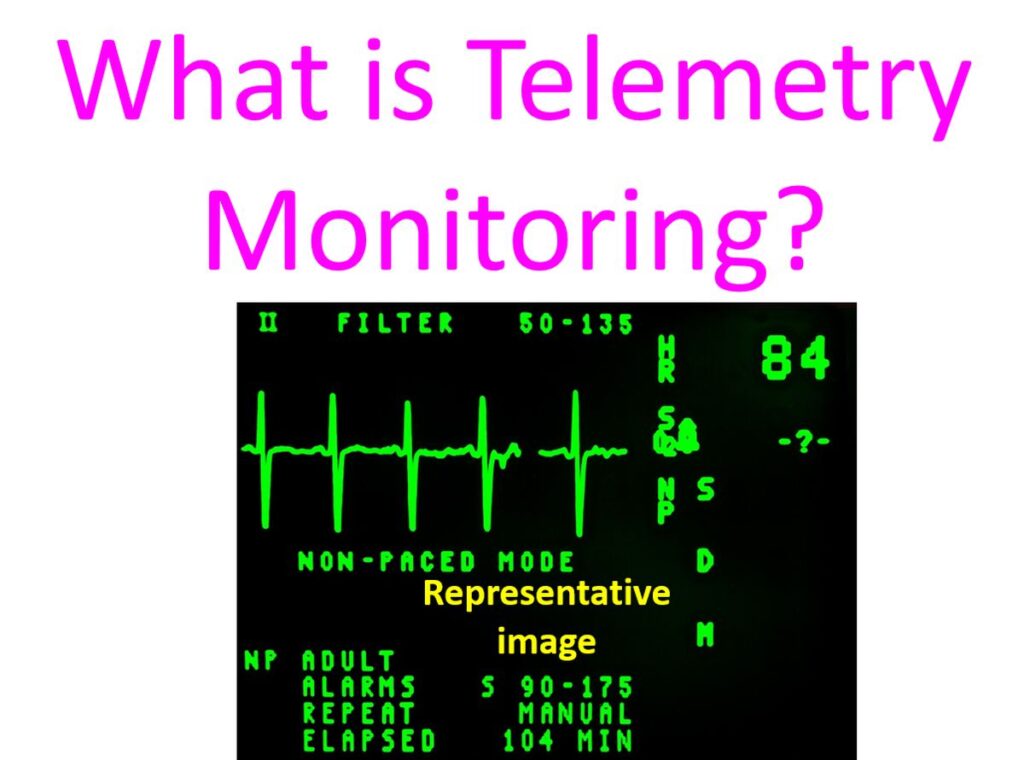
In the modern digital landscape, the convergence of healthcare and information technology has birthed a specialized field known as the Internet of Medical Things (IoMT). At the heart of this revolution is cardiac telemetry—a sophisticated technological ecosystem designed to monitor the electrical activity of a patient’s heart continuously and remotely. Far from being a simple bedside monitor, cardiac telemetry represents a complex integration of wearable sensors, wireless transmission protocols, real-time data analytics, and cloud-based software architectures. It is a critical component of the smart hospital, enabling clinicians to track vital signs without tethering patients to stationary equipment.

Understanding cardiac telemetry requires looking beyond the clinical application to the underlying hardware and software that make it possible. It is a triumph of miniaturization and signal processing, where micro-oscillations in the human body are converted into digital packets, transmitted through dedicated wireless bands, and interpreted by high-level algorithms to predict life-threatening events before they occur.
The Evolution of Patient Monitoring: From Wired to Wireless
The history of cardiac monitoring is a narrative of engineering progress. In its infancy, heart monitoring required a patient to be physically connected by a network of wires to a bulky bedside unit. While effective, this “hard-wired” approach limited patient mobility and restricted data collection to a localized environment. The advent of cardiac telemetry broke these physical barriers by leveraging radiofrequency (RF) technology.
Today’s cardiac telemetry systems are characterized by their mobility. Modern transmitters are no larger than a smartphone and are often integrated into wearable patches. This shift from analog bedside monitoring to digital wireless telemetry has been driven by three primary technological advancements: the miniaturization of semiconductors, the development of long-lasting lithium-ion batteries, and the optimization of wireless spectrum usage.
One of the most critical tech components in this evolution is the utilization of the Wireless Medical Telemetry Service (WMTS). In the United States and other developed markets, specific frequency bands (such as 608–614 MHz) are reserved exclusively for medical telemetry. This dedicated spectrum ensures that critical cardiac data does not compete with consumer Wi-Fi or cellular traffic, reducing the risk of signal interference that could lead to data loss or “dropouts” in a patient’s heart rate trend.
The Architecture of a Telemetry Ecosystem
A robust cardiac telemetry system is built on a multi-tiered architecture that facilitates the seamless flow of data from the patient’s chest to the clinician’s workstation. This ecosystem can be broken down into three primary layers: the sensor layer, the transmission layer, and the application layer.
The Sensor Layer: High-Precision Data Acquisition
The journey begins at the sensor layer, where electrodes attached to the patient detect the ionic current flow resulting from cardiac depolarization. In modern systems, these electrodes are integrated into smart wearables that include micro-electro-mechanical systems (MEMS) and analog-to-digital converters (ADCs). These components work together to capture the raw Electrocardiogram (ECG) signal, filter out environmental noise (such as muscle tremors or 60Hz power line interference), and digitize the signal for transmission.
The Transmission Layer: Wireless Protocols and Infrastructure
Once digitized, the cardiac data must be moved across the facility. This is the “telemetry” part of the process. Most enterprise-grade systems utilize a combination of WMTS and specialized Wi-Fi (802.11) networks. To ensure high availability, hospital IT infrastructures often deploy dedicated Access Points (APs) specifically tuned for medical telemetry traffic. Quality of Service (QoS) configurations are applied at the network switch level to prioritize these packets over guest Wi-Fi or administrative data, ensuring that a life-critical rhythm change is delivered with sub-millisecond latency.
The Application Layer: Centralized Monitoring and Visualization
At the end of the data pipeline is the central monitoring station. This is a high-performance software suite that aggregates data from dozens of patients simultaneously. Using advanced UI/UX principles, the software displays real-time waveforms, heart rate trends, and oxygen saturation levels. These systems are increasingly moving toward web-based architectures, allowing doctors to view live telemetry streams on tablets or smartphones via secure, encrypted portals, effectively removing the “geofence” of the hospital ward.
AI and Machine Learning: Software-Driven Diagnostics

The most significant recent breakthrough in cardiac telemetry is the integration of Artificial Intelligence (AI) and Machine Learning (ML) at the edge and in the cloud. Traditional telemetry systems relied on basic threshold-based alarms—if a heart rate went above 120 or below 50, an alarm would sound. However, this led to “alarm fatigue,” a phenomenon where clinicians become desensitized to a constant barrage of false positives.
Modern telemetry software employs sophisticated neural networks to analyze ECG morphology in real-time. These AI models are trained on millions of heartbeats to distinguish between benign artifacts (like a patient brushing their teeth) and lethal arrhythmias (like ventricular fibrillation).
Automated Arrhythmia Detection
AI algorithms can now perform complex pattern recognition to identify Atrial Fibrillation (AFib), premature ventricular contractions (PVCs), and ST-segment changes. By analyzing the intervals between R-waves and the shape of the P-wave, the software can provide a preliminary diagnosis with a high degree of accuracy. This “computer-aided monitoring” acts as a second set of eyes, highlighting anomalies that might be missed by a human monitor tech during a long shift.
Predictive Analytics and Early Warning Scores
Beyond simple detection, telemetry data is being fed into predictive engines. By correlating heart rate variability (HRV), respiratory rate, and blood pressure trends, machine learning models can calculate an “Early Warning Score” (EWS). These scores can predict a patient’s clinical deterioration hours before physical symptoms manifest, transitioning telemetry from a reactive tool to a proactive, preventative technology.
Connectivity, Cloud, and the Internet of Medical Things (IoMT)
As cardiac telemetry moves outside the hospital walls, it merges with the broader Internet of Medical Things (IoMT). Mobile Cardiac Outpatient Telemetry (MCOT) allows patients to go home while their heart data is transmitted via cellular networks to a remote monitoring center. This shift depends heavily on cloud infrastructure and robust interoperability standards.
Cloud Scalability and Storage
The volume of data generated by a single 3-lead telemetry device is immense. For a hospital monitoring hundreds of patients, the data storage requirements are staggering. Cloud-native telemetry platforms allow healthcare systems to scale their storage and processing power on demand. High-resolution ECG data is stored in the cloud, where it can be accessed for retrospective analysis, research, and long-term trend mapping.
Interoperability and EHR Integration
A key tech challenge in telemetry is “data siloing.” To be truly effective, telemetry data must be integrated with the Electronic Health Record (EHR). This is achieved through API integrations and standards like HL7 (Health Level Seven) and FHIR (Fast Healthcare Interoperability Resources). When a telemetry system is interoperable, a significant cardiac event recorded by the software can automatically trigger a clinical note in the patient’s digital chart, ensuring a seamless flow of information across different software platforms.
Digital Security and Data Privacy in Medical Tech
As with any connected technology, cardiac telemetry faces significant cybersecurity challenges. Because these devices are transmitting sensitive Personal Health Information (PHI) and are connected to the broader hospital network, they are potential targets for cyberattacks.
Data Encryption and Secure Handshakes
To mitigate these risks, telemetry manufacturers implement end-to-end encryption. Data is encrypted at the sensor level using standards like AES-256 before it is transmitted wirelessly. Secure handshaking protocols ensure that the transmitter is only talking to an authorized access point, preventing “man-in-the-middle” attacks where a malicious actor could intercept or alter the cardiac data.
Patch Management and Device Hardening
Telemetry transmitters and central stations are essentially specialized computers, and they require rigorous patch management. Tech teams must ensure that the firmware on wearable devices and the operating systems of monitoring stations are kept up to date to protect against newly discovered vulnerabilities. Device hardening—disabling unused ports, requiring strong authentication, and segmenting the telemetry network from the public internet—is a mandatory practice for modern medical IT departments.
The Future: 5G and Edge Computing
Looking forward, the integration of 5G technology is set to revolutionize cardiac telemetry once again. The ultra-low latency and high device density of 5G will allow for even more reliable remote monitoring in urban environments. Furthermore, “Edge Computing” will move the AI processing power from the central server directly onto the wearable device. This means the device itself could process the ECG signal and only transmit an alert when an abnormality is detected, drastically saving battery life and reducing the bandwidth load on the network.
In summary, cardiac telemetry is no longer just a medical procedure; it is a high-tech discipline that sits at the intersection of wireless networking, artificial intelligence, and cybersecurity. As hardware continues to shrink and software becomes more intelligent, cardiac telemetry will remain the gold standard for real-time health data, proving that in the digital age, the most important connection is the one that monitors the heart.
aViewFromTheCave is a participant in the Amazon Services LLC Associates Program, an affiliate advertising program designed to provide a means for sites to earn advertising fees by advertising and linking to Amazon.com. Amazon, the Amazon logo, AmazonSupply, and the AmazonSupply logo are trademarks of Amazon.com, Inc. or its affiliates. As an Amazon Associate we earn affiliate commissions from qualifying purchases.