
In the complex world of business finance, bookkeeping services represent the bedrock upon which all other financial structures are built. While many entrepreneurs start their journeys by managing their own receipts and spreadsheets, the transition to professional bookkeeping services is often a pivotal moment that signals a shift from a “side hustle” mindset to a scalable corporate operation. At its core, bookkeeping is the systematic recording, organizing, and tracking of every financial transaction that occurs within a business. From the smallest utility bill to the largest capital investment, bookkeeping ensures that every cent is accounted for, providing the clarity necessary for sustainable growth.
Defining Bookkeeping Services: Beyond Simple Data Entry
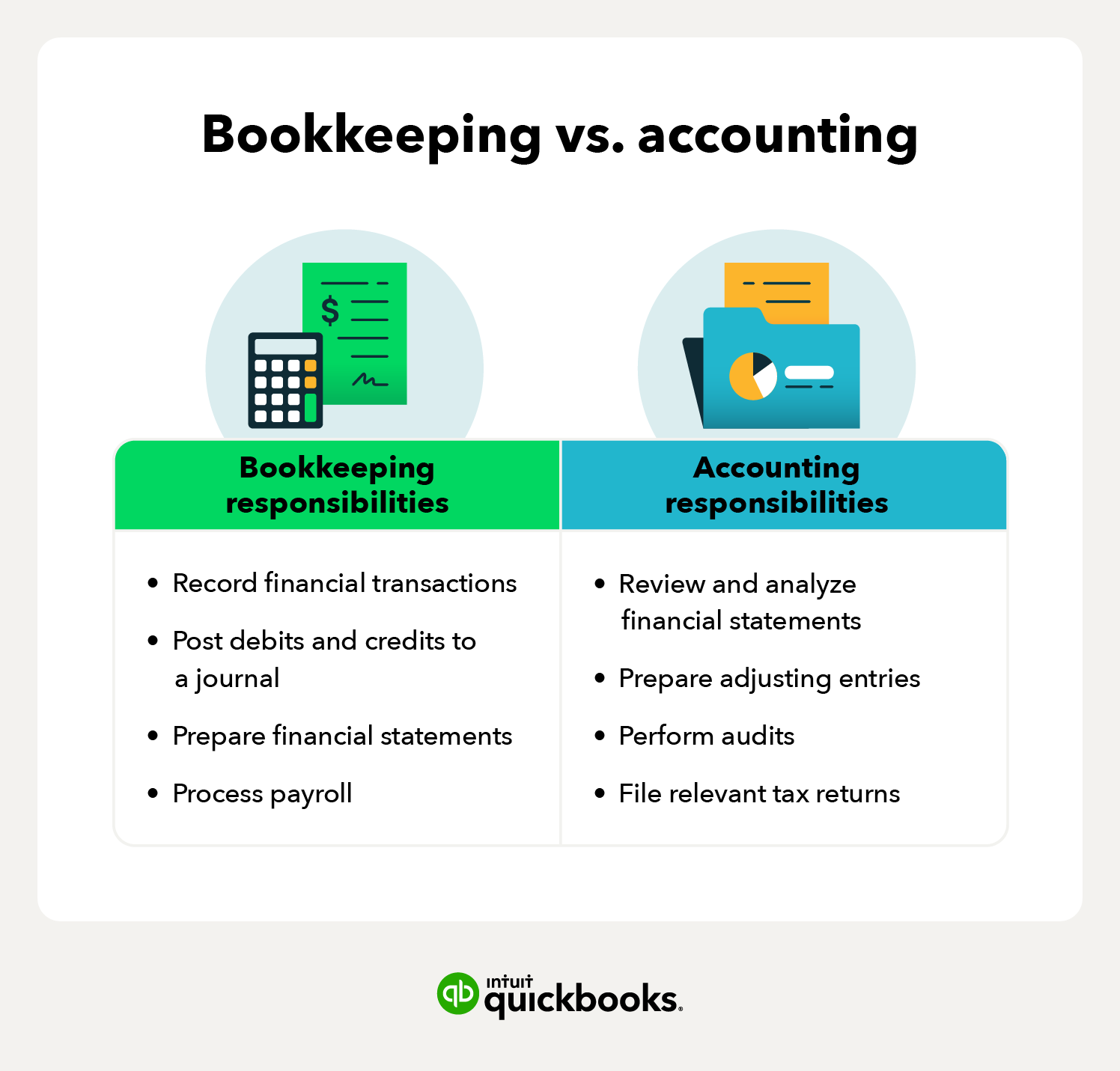
To understand what bookkeeping services are, one must first distinguish them from the broader field of accounting. While the two terms are frequently used interchangeably, they serve distinct roles in the financial ecosystem. Bookkeeping is the administrative and transactional side of the house. It is the ongoing process of documenting day-to-day financial activity. Accountants, conversely, use the data generated by bookkeepers to perform high-level analysis, tax planning, and strategic financial forecasting.
A professional bookkeeping service acts as the financial historian of a company. They ensure that the “General Ledger”—the master document containing every transaction—is accurate, up-to-date, and balanced. Without this meticulous record-keeping, a business owner is effectively flying blind, making critical decisions based on gut feeling rather than hard data.
The Distinction Between Cash and Accrual Bookkeeping
A fundamental aspect of bookkeeping services is the choice of accounting method. Bookkeepers manage either “Cash Basis” or “Accrual Basis” records. Cash bookkeeping records transactions only when money physically changes hands. This is common for very small businesses with simple structures. However, professional bookkeeping services typically advocate for the Accrual method for growing companies. Accrual bookkeeping records income when it is earned and expenses when they are incurred, regardless of when the cash moves. This provides a much more accurate picture of a company’s long-term financial health and is a requirement for businesses seeking significant investment or bank loans.
The Role of the General Ledger
The General Ledger is the central repository of a business’s financial data. Bookkeeping services are responsible for maintaining this ledger by posting entries from subsidiary ledgers like accounts payable, accounts receivable, and payroll. In the modern era, this ledger is rarely a physical book; it is a sophisticated digital database. However, the principle remains the same: the ledger must balance. Every credit must have a corresponding debit, a concept known as double-entry bookkeeping, which serves as a built-in error-checking mechanism.
The Core Components of Professional Bookkeeping
The scope of bookkeeping services is broad, covering several critical functions that keep a business’s gears turning. While many believe it is just about “keeping the receipts,” the reality involves a high degree of technical skill and attention to detail.
Recording and Categorizing Transactions
The most visible part of a bookkeeper’s job is the daily entry of transactions. This involves importing data from bank feeds and manually entering physical invoices or receipts. However, the value lies in “categorization.” A professional bookkeeper knows exactly where to assign an expense—distinguishing, for example, between a capital expenditure (an asset) and an operating expense. Proper categorization is essential for understanding where money is being spent and is crucial for maximizing tax deductions at the end of the fiscal year.
Bank and Credit Card Reconciliation
One of the most vital tasks in any bookkeeping service is reconciliation. This is the process of cross-referencing the internal records of a company against the statements provided by banks and credit card issuers. Discrepancies often arise due to timing differences, bank fees, or, in some cases, fraudulent activity. By reconciling accounts monthly or even weekly, bookkeeping services ensure that the “books” reflect the true reality of the company’s bank balance.
Accounts Payable (AP) and Accounts Receivable (AR)
Managing the flow of money into and out of a business is a delicate balancing act. Bookkeeping services handle Accounts Payable by ensuring that bills are paid on time, helping the business avoid late fees and maintain good relationships with vendors. Conversely, they manage Accounts Receivable by tracking outgoing invoices and monitoring which clients are late on payments. This “collections” aspect of bookkeeping is vital for maintaining the liquidity needed to cover operational costs.
Payroll Administration and Compliance
For businesses with employees, payroll is often the largest expense and the most significant administrative burden. Bookkeeping services frequently manage payroll processing, which includes calculating gross wages, deducting federal and state taxes, managing insurance contributions, and ensuring that employees receive their paychecks on time. Beyond the math, there is a heavy compliance component; bookkeepers ensure that payroll tax filings are submitted correctly to government agencies, protecting the business from heavy fines.
How Bookkeeping Services Power Financial Strategy and Growth

While the primary goal of bookkeeping is accuracy, the secondary goal is insight. Bookkeeping services provide the raw data that informs a business’s strategic direction. Without accurate books, a CEO cannot know if a product line is truly profitable or if the company has enough “runway” to survive a lean quarter.
Maintaining Real-Time Cash Flow Management
Cash flow is the lifeblood of any enterprise. A business can be profitable on paper but still fail because it lacks the liquid cash to pay its bills. Bookkeeping services provide regular cash flow statements that show exactly how much money is coming in and going out. This allows business owners to anticipate periods of tight cash flow and secure lines of credit or adjust spending before a crisis occurs.
Tax Preparation and Audit Protection
Tax season is notoriously stressful for business owners, but those with professional bookkeeping services find it significantly easier. Because the bookkeeper has categorized every expense and reconciled every account throughout the year, the “year-end” process becomes a matter of generating reports rather than hunting for lost receipts. Furthermore, in the event of a tax audit, having clean, professionally managed books is the best defense a company can have. It demonstrates to regulatory bodies that the business operates with transparency and integrity.
Investor and Lender Readiness
When a business seeks to scale, it often requires external capital. Whether applying for a small business loan or pitching to venture capitalists, the first thing a lender or investor will ask for is the financial statements. They want to see a Profit and Loss (P&L) statement and a Balance Sheet. If these documents are messy or inaccurate, it signals a lack of professional oversight, often resulting in a rejected application. Professional bookkeeping services ensure these documents are always “investor-ready.”
Leveraging Technology in Modern Bookkeeping
The image of a bookkeeper hunched over a paper ledger with a green eyeshade is a relic of the past. Today, bookkeeping services are high-tech operations that utilize cloud-based software and automation to increase accuracy and efficiency.
The Shift to Cloud-Based Ecosystems
Modern bookkeeping services almost exclusively use cloud-based platforms like QuickBooks Online, Xero, or Sage. These tools allow for real-time collaboration between the business owner and the bookkeeper. Because the data is stored in the cloud, it can be accessed from anywhere, and it integrates directly with business bank accounts and credit cards to pull data automatically. This reduces the risk of human error associated with manual data entry.
Automation and AI in Business Finance
Artificial Intelligence is rapidly transforming bookkeeping. Many services now use AI to automatically categorize recurring expenses or to “read” data from scanned receipts using Optical Character Recognition (OCR) technology. This doesn’t replace the bookkeeper; rather, it frees them from mundane tasks, allowing them to focus on high-level oversight, anomaly detection, and providing financial insights to the business owner.
Selecting the Right Bookkeeping Model for Your Business
As a business grows, the complexity of its finances grows with it. At some point, the owner must decide how to handle the bookkeeping workload. There are generally three paths a company can take.
In-House vs. Outsourced Bookkeeping
Small to mid-sized businesses often find that hiring a full-time, in-house bookkeeper is cost-prohibitive. For these companies, outsourced bookkeeping services are the ideal solution. By outsourcing, a business gains access to a team of experts for a fraction of the cost of a full-time salary. This model also provides scalability; as the business grows, the service provider can simply allocate more hours or resources to the account.
Virtual Bookkeeping Services
A subset of outsourcing, virtual bookkeeping services operate entirely remotely. This has become the standard for many modern startups and digital businesses. It allows companies to hire the best talent regardless of geographic location. Virtual bookkeepers use secure portals to exchange documents and communicate via video conferencing, providing a seamless experience that matches the pace of modern business.

Identifying the Need for Professional Intervention
Many entrepreneurs wait too long to hire a bookkeeping service. Signs that it is time to transition include:
- Spending more than five hours a week on financial paperwork.
- Consistently filing tax extensions because the books aren’t ready.
- Not knowing exactly how much profit was made in the previous month.
- Bouncing checks or missing bill payments despite having a healthy revenue.
Ultimately, bookkeeping services are more than just a means of keeping the government happy. They are a strategic investment in the clarity and longevity of a business. By maintaining a clear and accurate record of the past, bookkeeping services empower business owners to build a more profitable and secure future. Consistent, professional financial tracking is not an overhead expense; it is the fundamental framework of a successful enterprise.
aViewFromTheCave is a participant in the Amazon Services LLC Associates Program, an affiliate advertising program designed to provide a means for sites to earn advertising fees by advertising and linking to Amazon.com. Amazon, the Amazon logo, AmazonSupply, and the AmazonSupply logo are trademarks of Amazon.com, Inc. or its affiliates. As an Amazon Associate we earn affiliate commissions from qualifying purchases.