
In the landscape of modern consumer electronics, the humble freezer has undergone a radical transformation. No longer just a “dumb” box of insulated metal and a basic compressor, the contemporary freezer is a sophisticated piece of thermal engineering integrated into the broader Internet of Things (IoT) ecosystem. When we ask, “What is average freezer temperature?” the standard technical answer is 0° Fahrenheit (-18° Celsius). However, for the tech-conscious consumer and the hardware engineer alike, that single number is merely the baseline for a complex array of sensors, software algorithms, and hardware innovations designed to maintain absolute thermal stability.
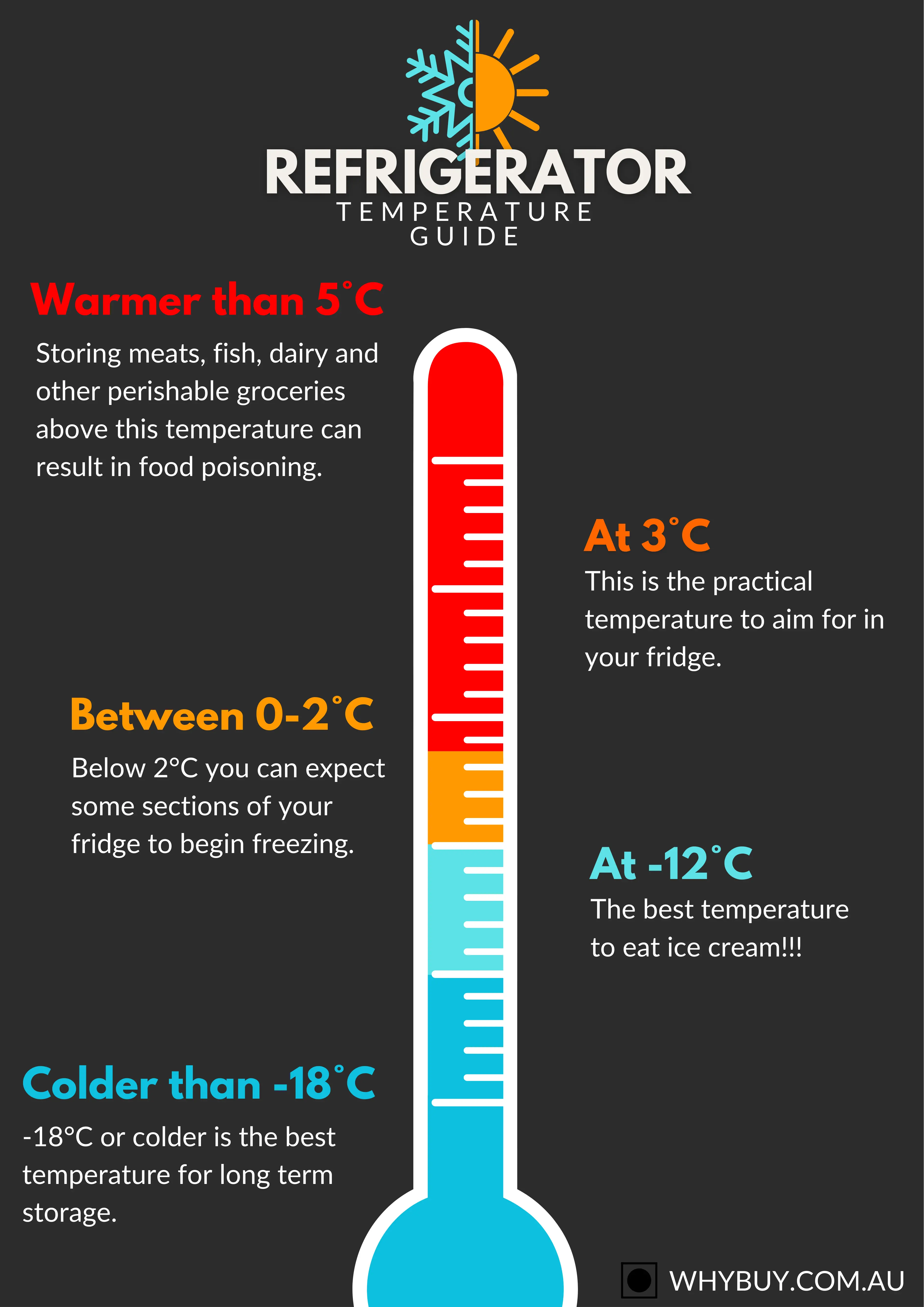
Understanding the average freezer temperature through a technological lens requires looking beyond the thermostat dial. It involves exploring how precision sensors, digital inverter compressors, and cloud-based monitoring systems work in tandem to protect both food integrity and energy efficiency.
The Digital Architecture of Thermal Precision
The industry standard of 0°F was not chosen arbitrarily; it is the specific threshold where molecular activity slows sufficiently to prevent bacterial growth while maintaining the structural integrity of organic matter. In older, analog units, maintaining this temperature was a game of “close enough,” often resulting in fluctuations of five to ten degrees. Modern tech has eliminated this variance through advanced digital architecture.
NTC Thermistors and Sensor Fusion
At the heart of modern temperature management are Negative Temperature Coefficient (NTC) thermistors. Unlike old-fashioned bi-metal strips that physically bent to complete a circuit, NTC thermistors are semiconductor-based resistors whose resistance decreases as temperature increases.
In high-end smart freezers, manufacturers employ “sensor fusion.” Instead of one sensor in the middle of the cavity, multiple sensors are placed at the air intake, the evaporator coils, and near the door seals. A central microcontroller processes this data in real-time, calculating a weighted average that accounts for “hot spots” caused by door openings or the introduction of room-temperature items. This level of granularity ensures that the “average” temperature isn’t just a theoretical target but a digitally enforced reality.
Digital Inverter Technology
The most significant leap in freezer hardware over the last decade is the transition from fixed-speed compressors to Digital Inverter Compressors. Traditional compressors operate on a binary logic: they are either 100% on or 100% off. This creates a “sawtooth” temperature profile where the freezer gets too cold, shuts off, warms up past the set point, and then kicks back on.
Digital inverters utilize Pulse Width Modulation (PWM) to vary the motor speed. By adjusting the frequency of the electrical current, the compressor can run at 10% capacity, 50%, or 100% depending on the thermal load. This allows the system to maintain the average freezer temperature with a precision of ±0.5°F, significantly reducing the thermal shock to stored items and drastically lowering energy consumption.
IoT Integration and Remote Telemetry
As the smart home ecosystem matures, the freezer has become a critical node in the domestic network. Maintaining the average freezer temperature is no longer a “set it and forget it” task; it is a data-driven process that provides users with unprecedented transparency and control.
Cloud-Based Monitoring and Alerting
Modern smart freezers are equipped with Wi-Fi modules that stream temperature telemetry to the cloud. Apps like Samsung SmartThings, LG ThinQ, and various open-source platforms like Home Assistant allow users to monitor their freezer’s performance from anywhere in the world.
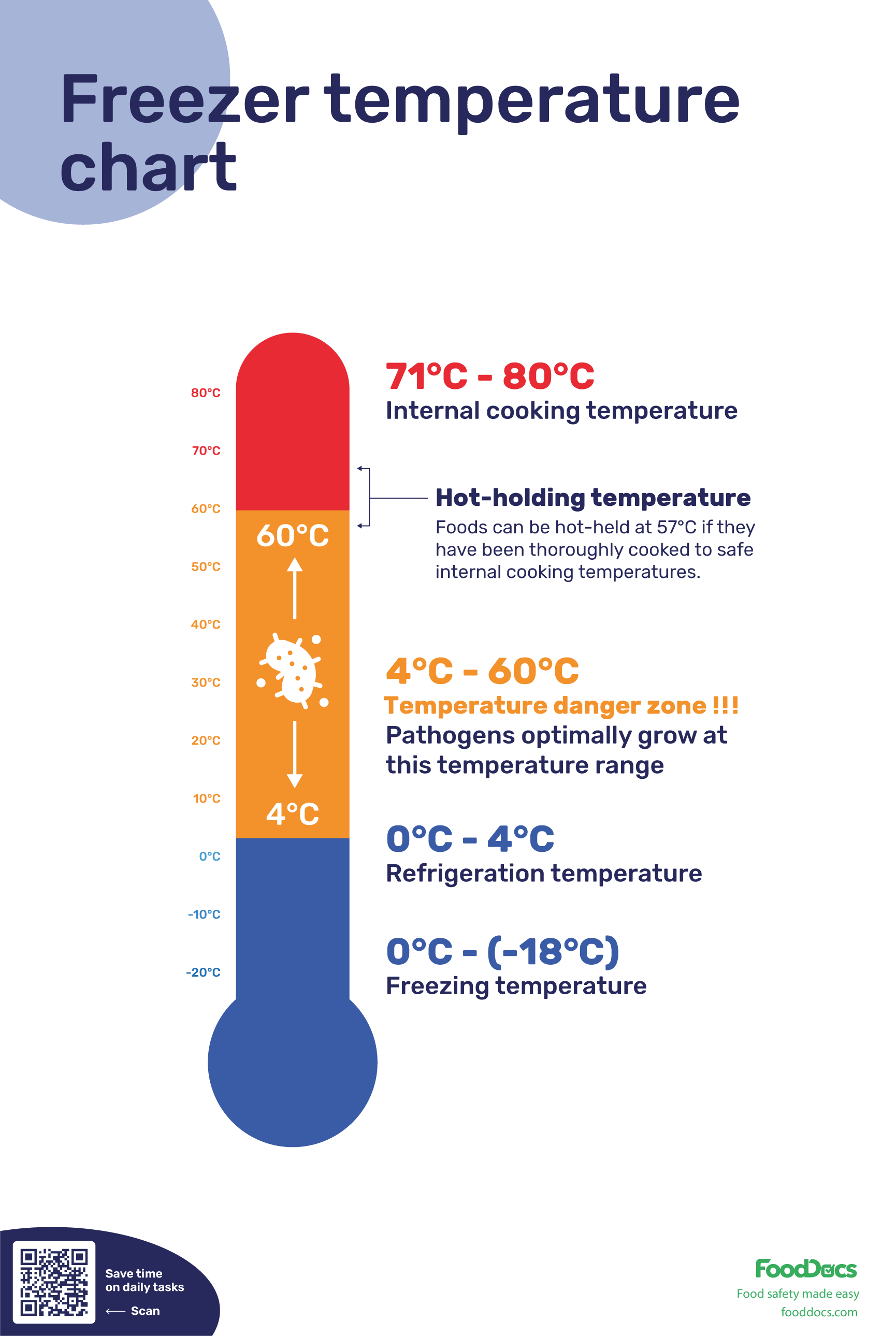
The tech value here lies in predictive alerting. If a door is left ajar or a seal begins to fail, the temperature will rise at a specific rate. Machine learning algorithms on the manufacturer’s servers can distinguish between a normal “defrost cycle” and a mechanical failure. Before the internal temperature rises above the danger zone of 10°F, the user receives a push notification, preventing loss of assets and providing a digital safety net that analog appliances could never offer.
API Integration and Smart Grid Management
In the context of the “Energy Tech” movement, freezers are being programmed to talk to the power grid. Through Demand Response APIs, a smart freezer can “over-cool” itself to -5°F during off-peak hours when electricity is cheap and plentiful. When the grid is stressed during peak hours, the software allows the temperature to drift back up to the 0°F average, effectively using the freezer as a thermal battery. This integration turns a simple appliance into an active participant in the decentralized smart grid.
Software-Driven Maintenance: The Defrost Algorithm
One of the greatest enemies of maintaining a consistent average freezer temperature is frost buildup. Frost acts as an insulator on evaporator coils, forcing the system to work harder and causing the internal temperature to fluctuate. The technological solution to this is the “Auto-Defrost” cycle, which has evolved from simple timers to complex, software-driven events.
Adaptive Defrost Systems
Older units used a mechanical timer to trigger a heater every 8 to 12 hours, regardless of whether frost was actually present. This was energy-inefficient and caused unnecessary temperature spikes.
Contemporary “Adaptive Defrost” systems use logic controllers to monitor compressor run time, door-open frequency, and even ambient humidity levels. The software determines the optimal moment to initiate a defrost cycle. By using “fuzzy logic” algorithms, the system minimizes the duration of the heating element’s operation, ensuring the temperature returns to the 0°F average as quickly as possible. This precision engineering preserves the texture of frozen goods by preventing the partial thaw-refreeze cycles that cause freezer burn.
Hardware Innovation: Vacuum Insulation Panels (VIPs)
While software handles the management, the hardware must handle the retention. The tech industry has moved toward Vacuum Insulation Panels (VIPs) to replace or augment traditional polyurethane foam. VIPs utilize the same principles as a Thermos flask—a vacuum is the best thermal insulator known to man. By incorporating these into the chassis, manufacturers can maintain the average freezer temperature for significantly longer periods during power outages. For the tech-heavy household, this means a higher “R-value” (thermal resistance) in a thinner profile, allowing for more internal storage volume without increasing the appliance’s footprint.
The Future: AI and Predictive Diagnostics
The next frontier in maintaining the average freezer temperature is the move from reactive to proactive management through Artificial Intelligence (AI). We are currently seeing the rollout of appliances that don’t just report their current state but predict their future state.
Acoustic Monitoring and Vibrational Analysis
Advanced diagnostic tech is now being integrated into the compressor housing. By using sensitive microphones and accelerometers, AI models can analyze the “acoustic signature” of the freezer. A slight change in the frequency of the compressor’s hum or a new vibration pattern can indicate a bearing is wearing out or the refrigerant is low long before the temperature begins to drift. This “Digital Twin” technology allows for “just-in-time” servicing, ensuring the unit never fails to maintain its 0°F mandate.
The Role of Matter and Thread Protocols
As we look toward a unified smart home, the “Matter” protocol—a collaborative effort by Apple, Google, Amazon, and others—is set to standardize how freezers communicate. This means your freezer’s temperature data will be easily accessible across different platforms and devices. Whether you are checking your wrist via a smartwatch or looking at a smart mirror in the bathroom, the status of your freezer’s thermal environment will be a seamless part of your digital life.

Conclusion: The Precision of Zero
What is the average freezer temperature? Technically, it is 0°F. But in the modern era, that number represents a triumph of technology. It is the result of high-speed microprocessors, sophisticated semiconductor sensors, and complex software algorithms all working in harmony.
The move from basic refrigeration to high-tech thermal management has transformed the freezer into a sophisticated gadget that prioritizes data, efficiency, and connectivity. As hardware continues to shrink and software becomes more intelligent, the “average” temperature will become even more stable, more efficient, and more integrated into the digital fabric of our homes. For those who value the intersection of tech and daily utility, the evolution of the freezer is a prime example of how even the most mundane household tasks can be optimized through relentless digital innovation.
aViewFromTheCave is a participant in the Amazon Services LLC Associates Program, an affiliate advertising program designed to provide a means for sites to earn advertising fees by advertising and linking to Amazon.com. Amazon, the Amazon logo, AmazonSupply, and the AmazonSupply logo are trademarks of Amazon.com, Inc. or its affiliates. As an Amazon Associate we earn affiliate commissions from qualifying purchases.