
In the contemporary landscape of medical technology, an orthosis device is no longer merely a passive brace or a static support system. It has evolved into a sophisticated piece of wearable engineering designed to alter the structural and functional characteristics of the neuromuscular and skeletal systems. From the perspective of the technology sector, an orthosis represents the pinnacle of personalized hardware, integrating advanced materials science, digital fabrication, and increasingly, artificial intelligence.
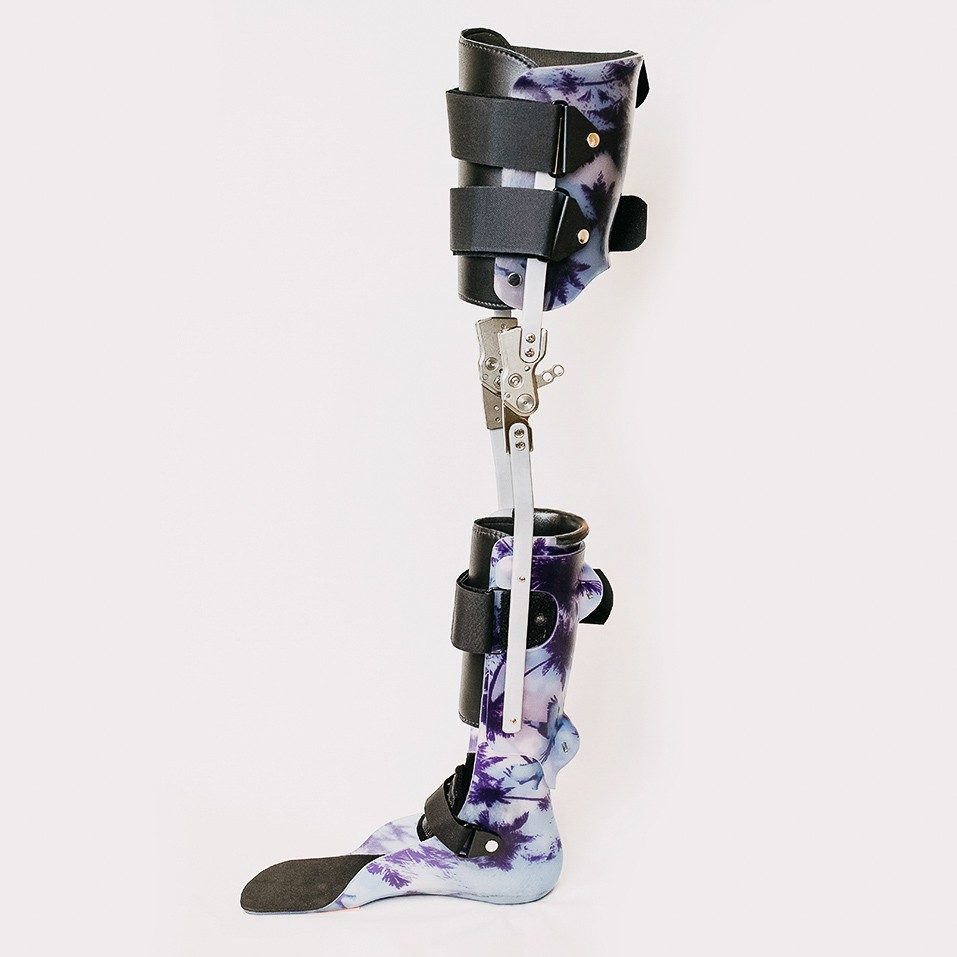
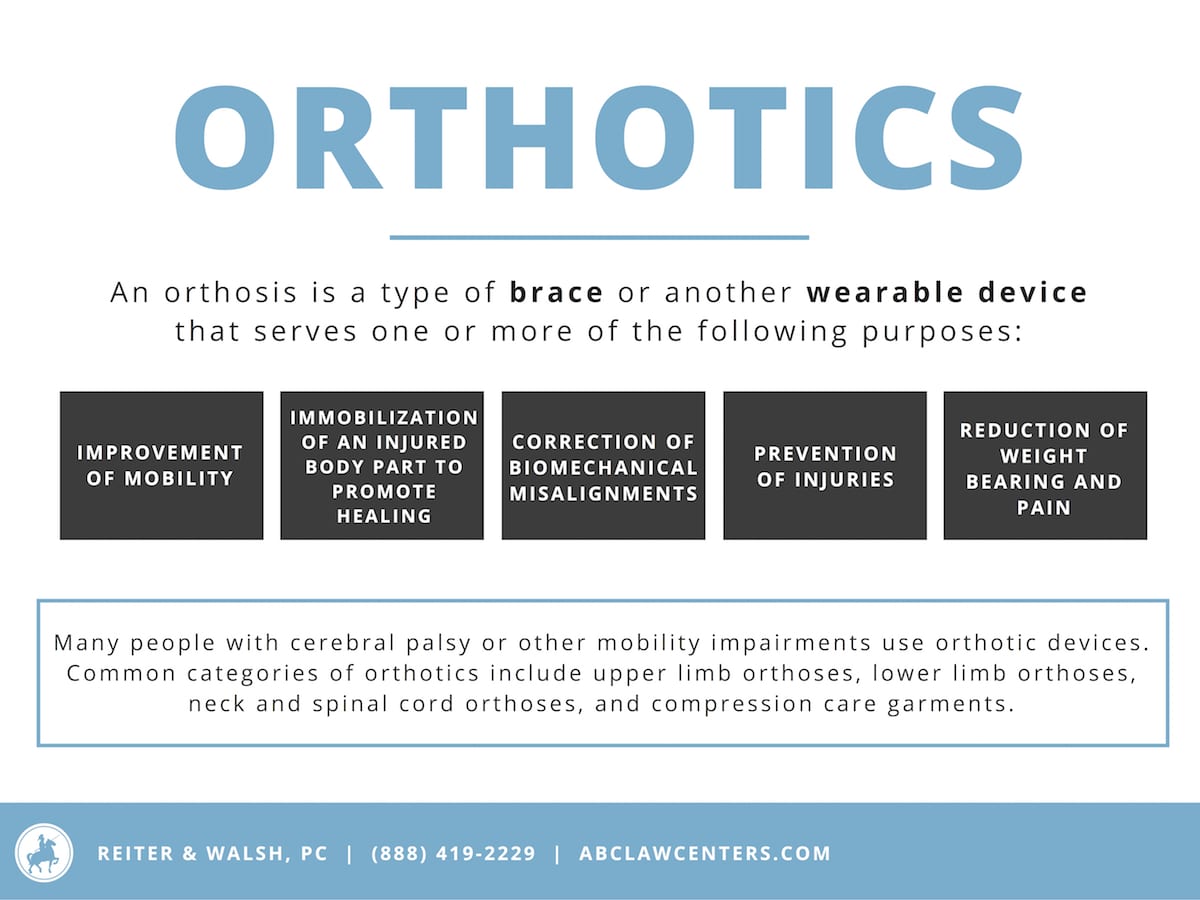
At its core, an orthosis—often referred to in the plural as orthoses—is an externally applied device used to modify the structural and functional characteristics of the neuromuscular and skeletal system. While the traditional image of an orthosis might be a simple ankle brace or a spinal corset, the modern tech industry has redefined these tools as “smart wearables.” These devices are now engineered to provide assistance, restriction, or alignment, serving as a critical bridge between human biological needs and robotic precision.
The Evolution of Orthotic Engineering
The journey from primitive wood and leather splints to high-performance carbon-fiber structures marks a significant era in assistive technology. This evolution is driven by the convergence of several tech-centric fields: computational design, additive manufacturing, and sensor integration. Today, an orthosis is viewed as a bespoke technological solution, tailored to the unique geometry of an individual’s body through precise data acquisition and iterative digital modeling.
The Digital Revolution in Orthotic Fabrication
The shift from manual craftsmanship to digital manufacturing has fundamentally changed how orthosis devices are conceived and built. In the past, creating a custom orthosis required messy plaster casting and days of manual labor. Today, the process is dominated by high-fidelity digital workflows that ensure a “perfect fit” through algorithmic precision.
3D Scanning and Computer-Aided Design (CAD)
The lifecycle of a modern orthosis begins with 3D scanning. Using structured light or photogrammetry, clinicians can capture the exact topography of a limb with sub-millimeter accuracy. This digital twin is then imported into specialized CAD software. Unlike traditional design tools, orthotic CAD suites allow engineers to simulate stress points, predict material deformation, and optimize the thickness of the device based on the user’s weight and activity level. This computational approach reduces the margin for error and allows for rapid prototyping, where designs can be tweaked in a virtual environment before a single gram of material is used.
Additive Manufacturing and Generative Design
Additive manufacturing, or 3D printing, is the cornerstone of modern orthotic production. By utilizing technologies such as Multi Jet Fusion (MJF) or Selective Laser Sintering (SLS), manufacturers can create complex, lattice-based structures that were previously impossible to manufacture.
Generative design takes this a step further. By inputting specific parameters—such as the required stiffness and maximum weight—AI-driven algorithms can “grow” an orthosis design that provides maximum support with minimal material. These lattice structures not only reduce the weight of the device, making it more comfortable for the user, but also improve breathability and thermal regulation, which are critical for long-term wearability.
Intelligence at the Edge: AI-Driven Smart Orthoses
The most significant trend in the orthosis market is the transition from passive devices to “smart” systems. A smart orthosis is equipped with an array of sensors and microcontrollers that allow the device to respond to the environment and the user’s movements in real-time. This is where the world of orthotics merges with the Internet of Things (IoT) and Edge Computing.
Sensor Fusion and Gait Analysis
Modern orthoses are often embedded with Inertial Measurement Units (IMUs), pressure sensors, and EMG (electromyography) sensors. These components work in tandem through a process called sensor fusion. By analyzing data at the “edge”—directly on the device—the orthosis can determine exactly where the user is in their gait cycle.
For instance, a smart knee orthosis can detect when a user is transitioning from walking on flat ground to descending stairs. The onboard processor calculates the necessary resistance or assistance required and adjusts the mechanical joints accordingly. This level of responsiveness is made possible by machine learning models trained on thousands of hours of human movement data, allowing the device to “predict” the user’s next move.
Biofeedback and Data Ecosystems
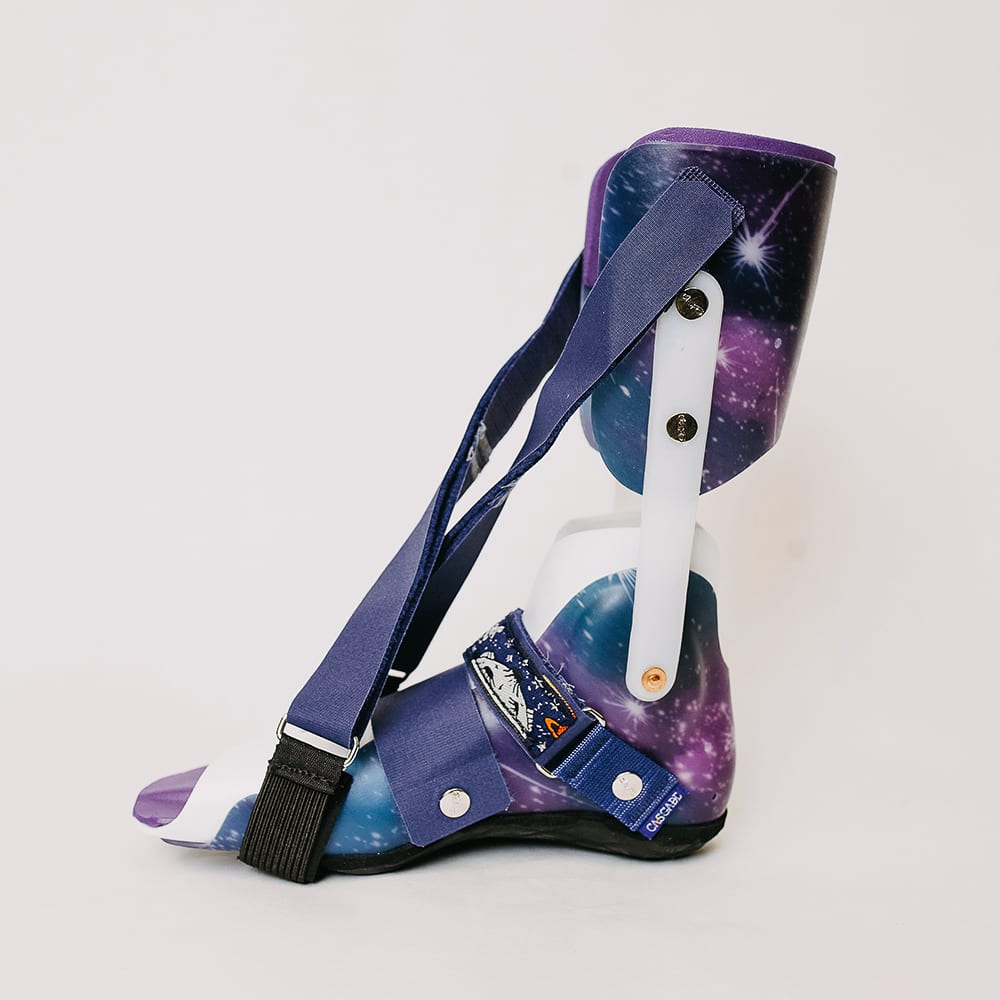
Beyond physical support, smart orthoses serve as data collection hubs. They monitor usage patterns, range of motion, and symmetry of movement. This data is synced to cloud platforms where it can be analyzed by healthcare providers to track rehabilitation progress. For the user, this provides a biofeedback loop; many devices now connect to smartphone apps that offer real-time coaching, alerting the wearer if they are putting too much weight on a recovering limb or if their posture needs adjustment. This connectivity transforms the orthosis from a static tool into an active participant in the user’s health tech ecosystem.
Robotic Augmentation and Powered Orthoses
While many orthoses are designed to support or align, a new category of “active” or “powered” orthoses is emerging. These devices, often referred to as wearable robotics or exosuits, use external power sources to augment human strength or restore mobility to paralyzed limbs.
Actuation Systems and Torque Control
The heart of a powered orthosis is its actuation system. Engineering these systems requires a delicate balance between power density and weight. High-torque brushless DC motors, paired with compact planetary gearboxes, allow these devices to provide the necessary force to lift a human leg or stabilize a trembling hand.
The challenge in this tech niche is the “transparency” of the device. A well-engineered powered orthosis must be able to provide power when needed but offer zero resistance when the user is moving naturally. This is achieved through sophisticated control algorithms that monitor the back-EMF (electromotive force) of the motors, ensuring the device remains in sync with the user’s biological intent.
Neural Interfaces and the Future of Control
The cutting edge of orthotic technology lies in neural integration. Research is currently moving toward Brain-Computer Interfaces (BCI) and non-invasive neural sensing to control orthotic devices. By using sensors that detect the electrical signals sent from the brain to the muscles, a powered orthosis can be triggered the moment the user decides to move, rather than waiting for physical movement to occur. This reduces latency and makes the device feel like a natural extension of the body, a key goal in the development of advanced prosthetic-orthotic hybrids.
Materials Science: The Hardware Behind the Innovation
The performance of an orthosis is ultimately limited by the materials from which it is constructed. The tech industry has borrowed heavily from aerospace and high-performance automotive engineering to develop materials that are incredibly strong, lightweight, and biocompatible.
Advanced Composites and Thermoplastics
Carbon fiber remains the gold standard for high-activity orthoses due to its exceptional strength-to-weight ratio and its energy-return properties. In a dynamic ankle-foot orthosis (AFO), carbon fiber acts like a spring, storing energy during the stance phase of a gait and releasing it during toe-off, effectively reducing the metabolic cost of walking.
However, we are also seeing the rise of “smart materials.” Shape-memory alloys and polymers that can change their stiffness in response to electrical stimuli or temperature changes are being integrated into experimental designs. These materials allow for an orthosis that can be rigid when stability is needed—such as during standing—and become flexible when the user sits down, enhancing comfort without sacrificing function.
Biocompatible and Antimicrobial Polymers
Since orthoses are often worn against the skin for extended periods, the development of specialized polymers is a major area of focus. Tech companies are now producing 3D-printable resins that are not only biocompatible but also feature embedded antimicrobial properties. These materials prevent skin irritation and odor, addressing one of the longest-standing hardware challenges in the industry.
The Future of the Orthotic Tech Ecosystem
As we look toward the future, the definition of an orthosis device will continue to blur the lines between medical hardware and consumer wearables. We are moving toward a “plug-and-play” model where modular components can be swapped out as a user’s needs change.
The integration of 5G and future 6G networks will allow these devices to transmit massive amounts of gait data to the cloud in real-time, enabling “Digital Twin” simulations where a person’s recovery can be modeled and predicted with uncanny accuracy. Furthermore, as the hardware becomes miniaturized and the AI becomes more sophisticated, we can expect orthoses to become thinner, lighter, and more discreet, eventually fitting under standard clothing like a second skin.
In conclusion, an orthosis device is a sophisticated synthesis of modern technology. It is a product of high-end computational design, a marvel of materials science, and a burgeoning platform for artificial intelligence. For the tech-savvy observer, the orthosis represents more than just a medical aid; it is a fundamental component of the future of human augmentation, where technology and biology operate in seamless harmony.
aViewFromTheCave is a participant in the Amazon Services LLC Associates Program, an affiliate advertising program designed to provide a means for sites to earn advertising fees by advertising and linking to Amazon.com. Amazon, the Amazon logo, AmazonSupply, and the AmazonSupply logo are trademarks of Amazon.com, Inc. or its affiliates. As an Amazon Associate we earn affiliate commissions from qualifying purchases.