
In the modern digital economy, data is the most valuable currency. For those navigating the world of online income and e-commerce, few data points are as critical as the ASIN code. Standing for Amazon Standard Identification Number, the ASIN is a ten-character alphanumeric unique identifier assigned by Amazon.com and its partners for product identification within the Amazon organization.
While it may appear to be a mere string of random letters and numbers, the ASIN is the backbone of the world’s largest marketplace. For entrepreneurs, side hustlers, and corporate financial officers, understanding the nuances of the ASIN is not just a matter of logistics—it is a fundamental requirement for protecting revenue, analyzing market trends, and scaling a profitable business.
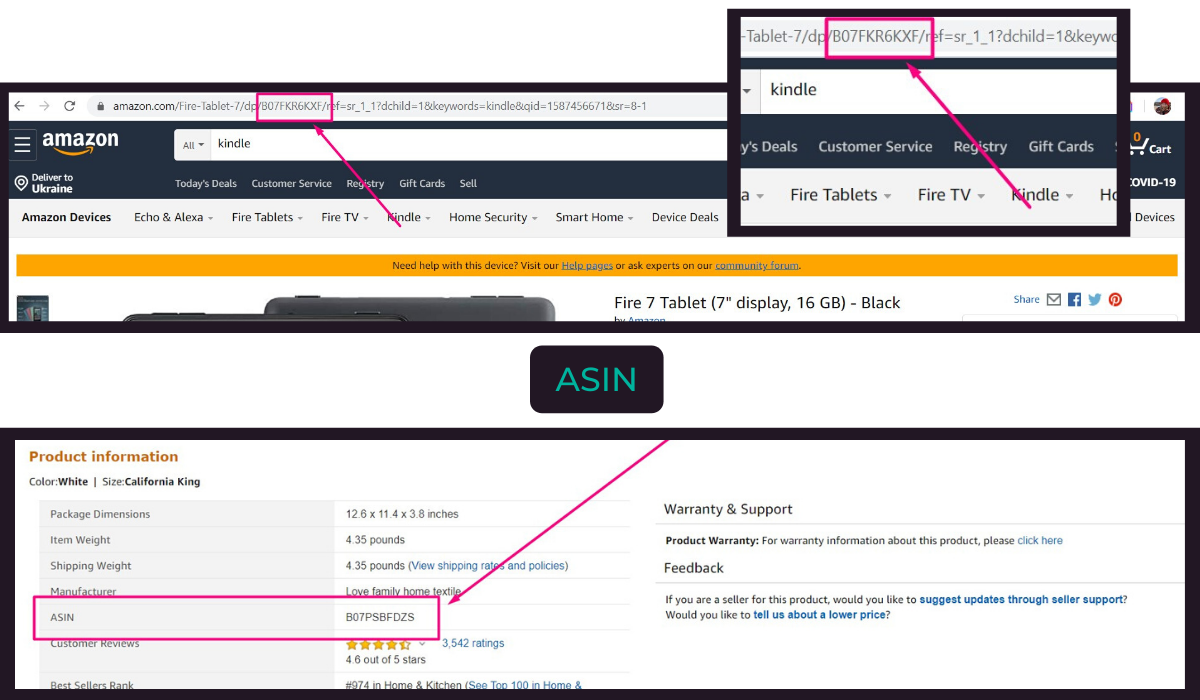
Understanding the ASIN: More Than Just a Serial Number
To the uninitiated, the ASIN is simply a part of a URL or a small detail on a product page. However, from a business finance perspective, the ASIN is the primary key for all transactional data. It allows Amazon to track inventory levels, sales velocity, and consumer behavior. Every single product sold on the platform, with the exception of books (which use ISBNs), is assigned an ASIN.
The Anatomy of an ASIN
An ASIN is generated the moment a product is added to the Amazon catalog. If you are selling a product that already exists on Amazon, you do not create a new ASIN; instead, you list your offer under the existing one. This structure is designed to prevent duplicate listings and provide a seamless experience for the buyer. For the seller, this means the ASIN becomes a shared financial asset where multiple merchants may compete for the “Buy Box”—the primary call-to-action button that drives the vast majority of sales.
ASIN vs. UPC, ISBN, and SKU
Navigating the financial tools of e-commerce requires distinguishing between various codes. While an ASIN is internal to Amazon, a Universal Product Code (UPC) is a global standard used across all retail. Most products require a UPC to be assigned an ASIN in the first place.
Furthermore, a Stock Keeping Unit (SKU) is an internal code used by the seller to manage their own specific inventory. While the ASIN identifies the product type globally on Amazon, the SKU identifies the specific batch or record in your personal business finance software. Understanding this hierarchy is vital for accurate bookkeeping and tax reporting in an online business.
Leveraging ASINs for Market Research and Profitability
For individuals looking to build a side hustle through retail arbitrage or private labeling, the ASIN is the gateway to competitive intelligence. By analyzing specific ASINs, a savvy investor can determine the potential Return on Investment (ROI) of a product before spending a single dollar on inventory.
Identifying High-Volume Side Hustles
Tools used by Amazon sellers, such as Jungle Scout or Helium 10, rely entirely on ASIN data to estimate monthly sales volume. By tracking an ASIN’s Best Sellers Rank (BSR), a seller can gauge how much revenue a specific product generates for the entire marketplace. This allows for a data-driven approach to sourcing. If an ASIN in the “Home & Kitchen” category sells 500 units a month and has only two competing sellers, the financial opportunity is clear.
Using ASIN Data for Competitive Analysis
In the world of online income, information asymmetry is your greatest enemy. By diving into the “frequently bought together” section linked to a specific ASIN, entrepreneurs can identify gaps in the market. This financial strategy, known as product bundling or accessory expansion, allows a business to capture more “share of wallet” from a consumer. Analyzing the price history of an ASIN also reveals seasonal trends, helping sellers avoid “buying high and selling low” during periods of price wars or inventory gluts.
Managing Your Portfolio: The Business Finance of ASIN Creation
Creating a new ASIN is a significant business milestone. It represents the transition from a reseller to a brand owner. However, this transition comes with specific financial implications and overhead costs that must be managed carefully to ensure long-term sustainability.
New ASIN vs. Existing ASIN: Financial Implications
When you list against an existing ASIN, your marketing costs are often lower because the product already has reviews and search visibility. However, your profit margins are squeezed by competition. Conversely, creating a new ASIN for a private label product requires a heavy upfront investment in “ranking”—the process of using Amazon Advertising (PPC) to move your ASIN to the first page of search results.
The financial logic here is similar to a traditional startup: high initial burn rate for the prospect of long-term, high-margin dividends once the ASIN becomes a category leader.
ASIN Variations and Revenue Growth
One of the most effective ways to increase the valuation of an e-commerce business is through ASIN variations (parent-child relationships). For example, a single “parent” ASIN for a t-shirt may have multiple “child” ASINs for different sizes and colors.
From a financial management standpoint, variations help consolidate social proof (reviews) and improve conversion rates. This structural organization makes the business more attractive to aggregators—firms that buy Amazon brands—because it demonstrates a sophisticated understanding of catalog architecture and customer retention.
Protecting Your Digital Assets: Brand Registry and Financial Security
In the digital marketplace, your ASINs are your most valuable intellectual property. Just as a physical store requires insurance and security, your ASINs require protection from “hijackers” and counterfeiters who can decimate your profit margins overnight.
Preventing ASIN Hijacking and Loss of Income
ASIN hijacking occurs when a third-party seller lists a counterfeit or inferior version of your product on your own ASIN. This often leads to a flood of negative reviews, which lowers your conversion rate and can even lead to Amazon suspending the listing. The financial impact is immediate: cash flow stops, and the capital tied up in inventory becomes stagnant.
To combat this, business owners must enroll in the Amazon Brand Registry. This provides advanced tools to protect your ASINs, such as “Project Zero,” which allows brands to remove counterfeit listings instantly. From a business finance perspective, Brand Registry is an essential risk management tool that preserves the “goodwill” value of your brand.
The Impact of ASIN Health on Long-Term Valuation
When an investor looks at an Amazon-based business, they look at the “Health” of the ASINs. This includes the age of the ASIN, the consistency of the sales rank, and the “moat” (competitive advantage) provided by the review count. An ASIN with 5,000 five-star reviews is a financial fortress. Protecting that asset through meticulous compliance with Amazon’s Terms of Service is the best way to ensure the business remains a sellable asset in the future.
Scaling Your Online Income through Multi-ASIN Strategies
Diversification is a core principle of finance, and it applies equally to Amazon selling. Relying on a single ASIN is risky; a change in consumer trends or a sudden increase in competition can threaten your entire income stream. A robust business model involves a multi-ASIN strategy.
Inventory Management and Cash Flow
Managing a portfolio of multiple ASINs requires sophisticated financial tools to track cash flow. Each ASIN has its own lead time, manufacturing cost, and storage fee. If you over-invest in a slow-moving ASIN, you tie up capital that could have been used to restock a high-velocity ASIN. Success in this niche depends on mastering the “cash conversion cycle”—the time it takes for your investment in inventory to return to your bank account as profit.

Global Expansion: ASINs Across International Marketplaces
The ultimate move for scaling online income is taking your ASINs global. Amazon uses the same ASIN code for the same product across different international marketplaces (like Amazon UK, Germany, or Japan) through a process called “ASIN synchronization.”
This allows you to leverage your existing brand equity in new markets. While it introduces complexities such as currency fluctuations and international tax compliance (VAT/GST), the ability to sell the same digital asset across multiple continents is one of the fastest paths to high-level wealth creation in the e-commerce sector.
In conclusion, the ASIN code is far more than a technical requirement; it is a critical instrument of business finance. Whether you are using it to research your first side hustle, protect your corporate identity, or manage a complex portfolio of international products, the ASIN is the lens through which you must view the Amazon marketplace. By mastering the management and protection of your ASINs, you transform a simple online store into a scalable, high-valuation business.
aViewFromTheCave is a participant in the Amazon Services LLC Associates Program, an affiliate advertising program designed to provide a means for sites to earn advertising fees by advertising and linking to Amazon.com. Amazon, the Amazon logo, AmazonSupply, and the AmazonSupply logo are trademarks of Amazon.com, Inc. or its affiliates. As an Amazon Associate we earn affiliate commissions from qualifying purchases.