
In the landscape of modern electronics, few devices exemplify the perfect marriage of hardware engineering and sophisticated software as clearly as the Automated External Defibrillator (AED). While often viewed through a purely medical lens, the AED is, at its core, a highly specialized piece of technology designed to perform complex data analysis and execute high-precision electrical tasks in milliseconds. It represents a pinnacle of “fail-safe” engineering, where the intersection of biosensors, power management, and algorithmic diagnostic tools works to bridge the gap between clinical expertise and bystander intervention.
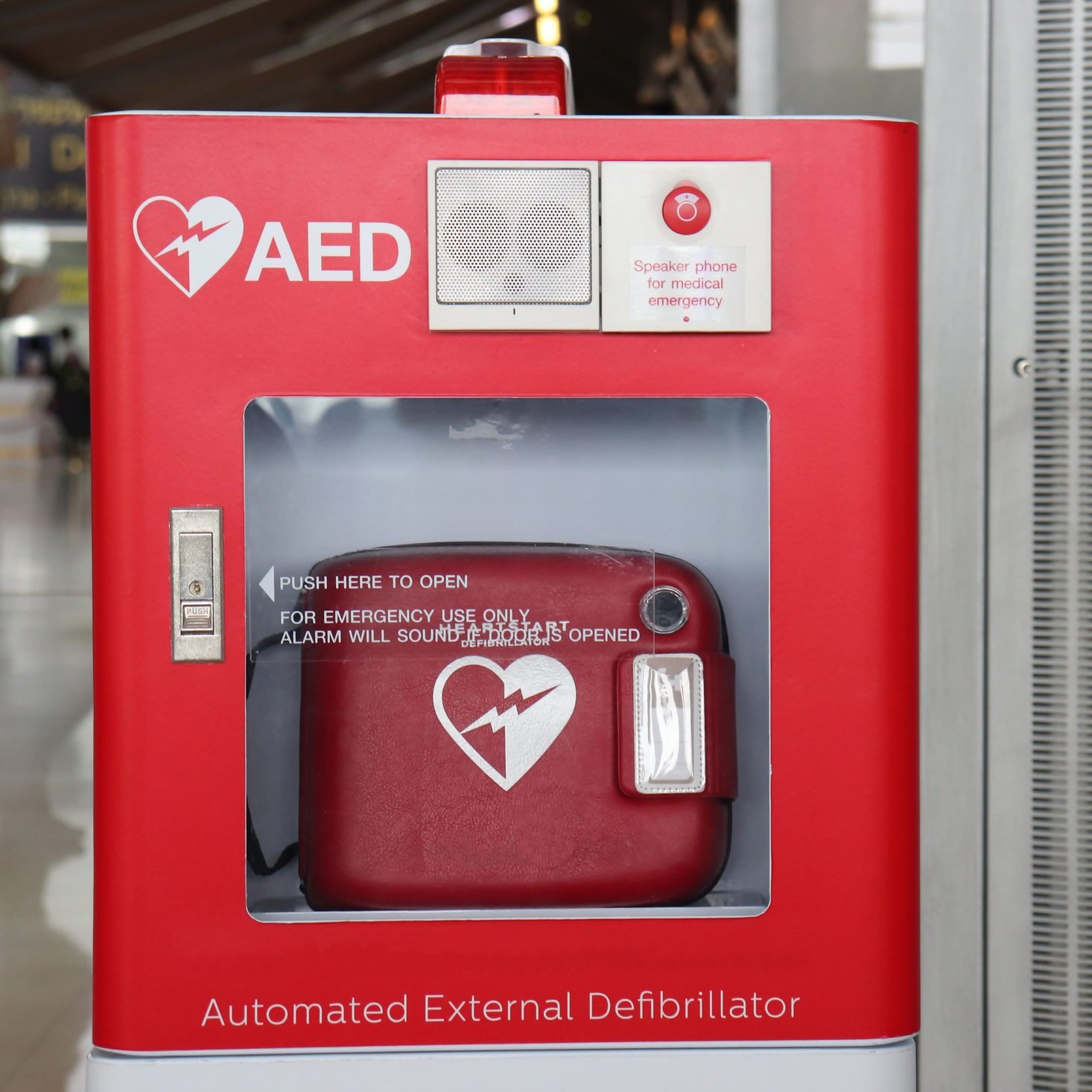
Understanding what an AED device is requires moving beyond its physical appearance as a “plastic box with pads.” To the tech-literate observer, it is a sophisticated edge-computing device that utilizes real-time signal processing to make autonomous, life-and-death decisions.
Hardware Innovation: The Engineering of High-Voltage Portability
The transition of defibrillation technology from massive, trolley-mounted hospital units to portable, battery-operated gadgets is a testament to decades of hardware miniaturization. The primary engineering challenge of an AED is its ability to store a massive amount of energy and release it in a controlled, specific waveform while remaining lightweight and durable.
High-Energy Storage and Capacitors
The heart of the AED’s hardware is the capacitor. Unlike standard consumer electronics that draw steady current from a battery, an AED must be able to deliver a discharge of roughly 150 to 360 joules of energy in a fraction of a second. This requires high-grade, specialized capacitors capable of holding a significant charge for extended periods without leaking, yet discharging rapidly when the software triggers the “shock” command. Modern AEDs utilize lithium manganese dioxide batteries, chosen for their high energy density and shelf-life, ensuring the device remains operational for years in a standby state while being ready to deliver dozens of high-voltage shocks at a moment’s notice.
Biphasic Waveform Technology
One of the most significant tech leaps in AED history was the shift from monophasic to biphasic waveforms. In older tech, electricity flowed in one direction between the pads. Modern AED hardware uses biphasic truncated exponential (BTE) waveforms, where the current flows in one direction and then reverses. From a technical standpoint, this allows the device to achieve successful defibrillation at lower energy levels, reducing the risk of myocardial damage and allowing for smaller, more efficient battery systems. This evolution was driven by advanced power electronics and high-speed switching transistors that can flip the polarity of a high-voltage current in mid-delivery.
Sensorial Accuracy through Smart Electrodes
The pads, or electrodes, of an AED are more than just adhesive stickers; they are the device’s primary data inputs. These sensors must maintain a low-impedance connection with the skin to transmit high-fidelity electrical signals from the heart back to the processor. Advanced AED tech now includes “smart” pads that provide haptic feedback to the unit, measuring the depth and rate of chest compressions during CPR and feeding that data back into the device’s central processing unit (CPU) to provide real-time coaching to the user.
The Algorithm Behind the Pulse: How AI and Signal Processing Save Lives
What truly defines an AED as an “automated” device is its internal software. When the pads are applied, the device begins a process of Electrocardiogram (ECG) analysis. This is not a simple “on or off” measurement; it is a sophisticated digital signal processing (DSP) task that filters out electrical “noise” to identify specific cardiac arrhythmias.
Digital Signal Processing (DSP) and Noise Reduction
The human body is electrically noisy. Muscle tremors, movement, and even external electronic interference can create artifacts in an ECG reading. An AED’s software utilizes complex algorithms—often involving Fast Fourier Transforms (FFT) and digital filters—to isolate the heart’s electrical signature. The software must distinguish between Ventricular Fibrillation (a shockable rhythm), Ventricular Tachycardia, and Asystole (flatlining, which is not shockable).
The Decision-Making Engine
The “intelligence” of the AED lies in its rhythm analysis algorithm. These algorithms are trained on vast databases of cardiac events to ensure near-100% sensitivity and specificity. The device is programmed with a strict logic gate: if the detected waveform meets the mathematical criteria for a shockable rhythm, the capacitor is charged. If it does not, the software hard-locks the shock mechanism, ensuring that a user cannot accidentally deliver electricity to a person who doesn’t need it. This level of autonomous decision-making is a prime example of high-stakes “if-this-then-that” logic implemented in a ruggedized gadget.
Human-Centered Design and UX
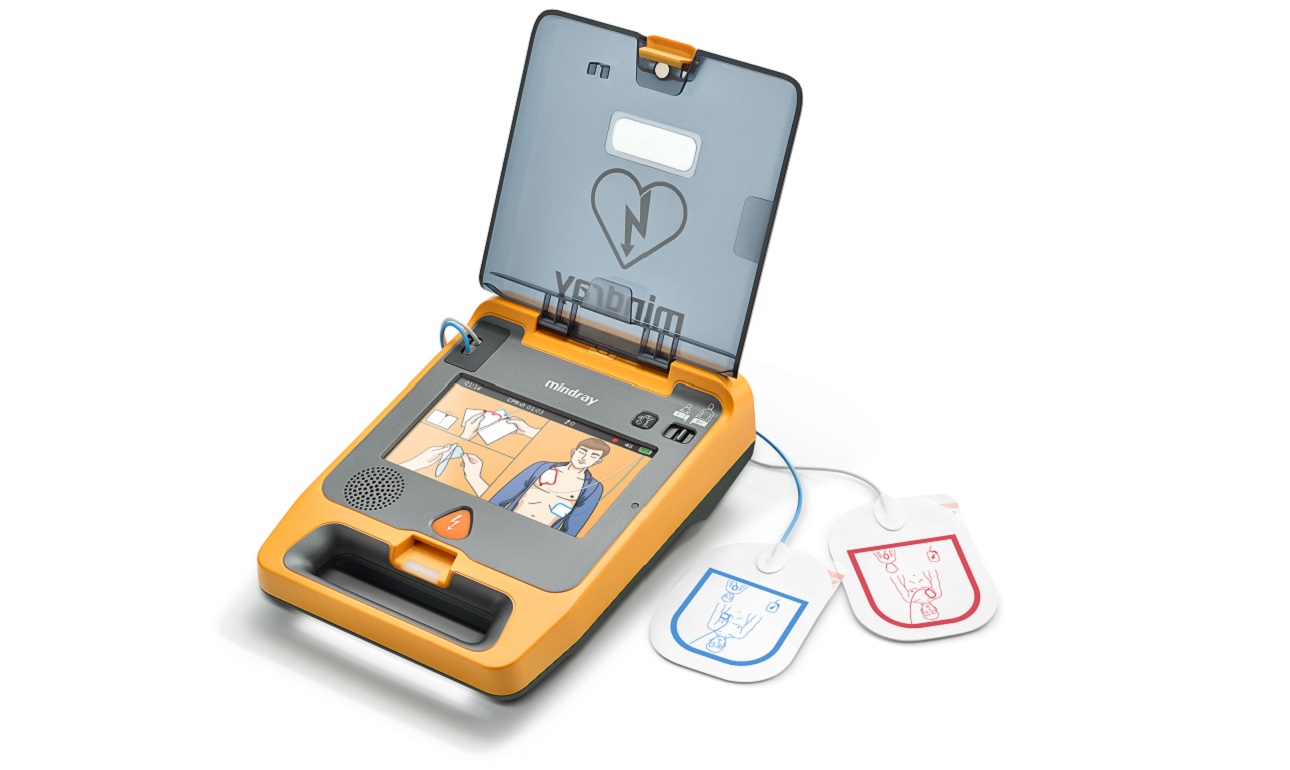
The software also manages the User Interface (UX). In a high-stress environment, the “tech” must be invisible. Professional-grade AEDs use voice-synthesis software to provide clear, multi-lingual instructions. Some modern units feature high-resolution LCD screens that play synchronized video tutorials. The engineering goal here is to reduce “cognitive load,” ensuring that the human-machine interface does not become a bottleneck during a crisis.
The Connectivity Revolution: IoT and Smart AED Ecosystems
In the era of the Internet of Things (IoT), the AED has evolved from a standalone gadget into a connected node within a broader digital health ecosystem. Connectivity has solved one of the biggest hurdles in emergency readiness: maintenance and visibility.
Remote Monitoring and Fleet Management
Traditionally, the biggest failure point for AEDs was a dead battery or expired pads that went unnoticed. Modern “Smart AEDs” utilize Wi-Fi, LTE, or Bluetooth connectivity to perform automated self-checks. These devices report their status to a centralized cloud-based dashboard. If a battery is low or a hardware component fails, the system sends an automated alert to the facility manager’s smartphone or computer. This shift toward “Always-On” diagnostics ensures that the technology is functional the moment it is pulled off the wall.
Integration with Emergency Response Systems
Digital connectivity allows for a seamless flow of data from the scene of an emergency to the hospital. Some high-end AEDs can transmit the victim’s ECG data in real-time to arriving paramedics or the receiving emergency department via cellular networks. This “pre-arrival” data allows doctors to prepare for the specific pathology of the patient before they even reach the hospital doors.
Geofencing and GPS
IoT-enabled AEDs are often equipped with GPS modules. This allows for “geofencing,” where an alert is triggered if a device is moved from its designated location. Furthermore, in “Smart Cities,” emergency dispatchers can see the real-time location of all registered AEDs on a map, allowing them to direct bystanders to the nearest functional device via integrated mobile apps.
Cybersecurity and the Future of Defibrillation Tech
As AEDs become more connected, they enter the realm of digital security. Protecting the integrity of a device that can deliver a lethal dose of electricity is a paramount concern for developers and manufacturers.
Securing the Life-Saving Link
The inclusion of Wi-Fi and Bluetooth introduces potential attack vectors. Manufacturers now employ robust encryption protocols for data transmission and “secure boot” hardware to ensure that the device’s firmware cannot be maliciously altered. Cybersecurity in medical gadgets is a growing niche, focusing on ensuring that the “automated” nature of the device remains under the control of its proprietary, validated algorithms.
Miniaturization and Wearable Tech
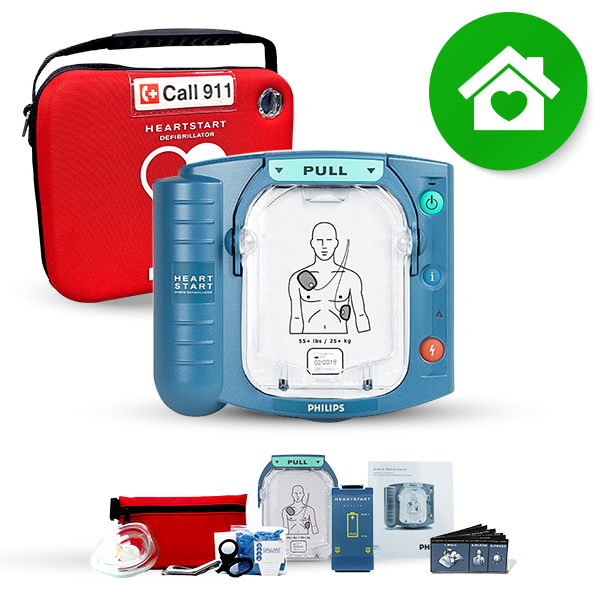
The future of AED technology points toward even greater portability. We are seeing the emergence of “Personal AEDs”—devices small enough to fit in a laptop bag or backpack, designed for high-risk individuals. There is also ongoing research into wearable defibrillators that use AI to monitor a patient’s heart rhythm 24/7 and automatically deliver a shock through a vest-like garment. This requires a massive leap in sensor accuracy and battery efficiency, as the device must distinguish between the electrical signals of a person running for a bus and a person experiencing a cardiac event.
Drone-Delivered AEDs
Perhaps the most exciting tech trend is the integration of AEDs with autonomous flight. In several pilot programs globally, AEDs are being mounted on specialized drones. When a 911 call reports a cardiac arrest, a drone is dispatched via GPS to the caller’s location, often arriving minutes before an ambulance. This represents a synthesis of aerospace tech, GPS navigation, and medical hardware, aiming to put life-saving gadgets in the hands of bystanders faster than ever before.
In conclusion, an AED is far more than a piece of first-aid equipment. It is a sophisticated, autonomous computer designed to operate in the most extreme conditions imaginable. Through the integration of high-voltage power electronics, advanced signal processing, and IoT connectivity, the AED stands as a benchmark of how technology can be harnessed to preserve human life. As AI and connectivity continue to advance, these devices will become even smarter, smaller, and more integrated into the fabric of our digital world.
aViewFromTheCave is a participant in the Amazon Services LLC Associates Program, an affiliate advertising program designed to provide a means for sites to earn advertising fees by advertising and linking to Amazon.com. Amazon, the Amazon logo, AmazonSupply, and the AmazonSupply logo are trademarks of Amazon.com, Inc. or its affiliates. As an Amazon Associate we earn affiliate commissions from qualifying purchases.