
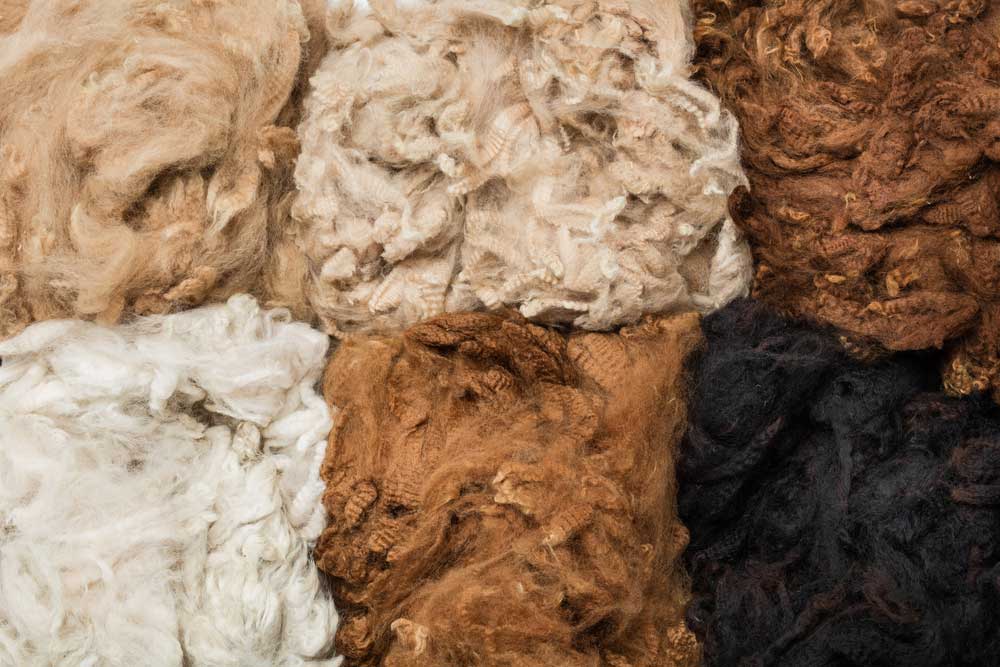
In the landscape of alternative investments and boutique business ventures, few commodities offer the unique blend of sustainability, scarcity, and high-margin potential as alpaca fiber. Often overshadowed by the massive scale of the sheep’s wool industry or the prestige of cashmere, alpaca fiber—frequently called “The Gold of the Andes”—has emerged as a cornerstone for investors and entrepreneurs targeting the “conscious luxury” market. To understand what alpaca fiber is from a financial and business perspective is to recognize it as a high-performance bio-material that sits at the intersection of agricultural investment and luxury retail.

As global markets shift toward ESG (Environmental, Social, and Governance) criteria, the intrinsic value of alpaca fiber has transitioned from a niche textile to a strategic asset. For the personal financier or the small business strategist, the alpaca industry represents a scalable opportunity that rewards specialized knowledge and vertical integration.
The Economic Value of the “Gold of the Andes”
To quantify the value of alpaca fiber, one must look beyond the physical softness of the material and analyze its performance metrics compared to other luxury fibers. Alpaca fiber is a specialty hair fiber produced by the South American camelid. In the global commodities market, it is categorized alongside cashmere, mohair, and angora as a “noble fiber.”
Market Demand and Global Trade Trends
The global market for alpaca fiber is characterized by relatively low supply and high, inelastic demand from high-end fashion houses in Italy, Japan, and the United States. Unlike sheep’s wool, which is produced in the millions of tons annually, the global production of alpaca fiber is significantly smaller, ensuring a price floor that protects investors from the extreme volatility seen in mass-market textiles.
The primary value drivers are the fiber’s unique physical properties: it is flame-resistant, hypoallergenic (containing no lanolin), and possesses a higher thermal-to-weight ratio than almost any other natural fiber. For a business owner, these aren’t just biological facts; they are unique selling propositions (USPs) that justify a premium price point in a crowded marketplace.
Grading and Valuation: Understanding Fiber Quality
In the world of business finance, quality control is the key to ROI. Alpaca fiber is valued based on its “micron count”—the measurement of the diameter of the individual fiber. The lower the micron count, the softer the fiber, and the higher the market price.
- Royal Alpaca: (< 20 microns) Commands the highest prices, used in haute couture.
- Baby Alpaca: (20–22.5 microns) The industry standard for luxury retail.
- Superfine: (22.5–25 microns) Ideal for mid-range commercial knits.
Investors entering this space must understand that “Baby Alpaca” is a grade of fineness, not the age of the animal. Misunderstanding these grading systems can lead to significant overpayment for raw materials, highlighting the need for rigorous due diligence in the procurement phase.
Alpaca Farming as a Diversified Investment Strategy
For those looking to diversify a portfolio into tangible assets, alpaca husbandry offers a unique entry point into agricultural investment. This is not merely a lifestyle choice; it is a business model that combines livestock appreciation with annual commodity yields.
Capital Requirements and Overhead
Starting an alpaca fiber enterprise requires an initial capital outlay for breeding stock and infrastructure. However, from a business finance perspective, alpacas are remarkably efficient. They have a low environmental footprint, requiring less acreage than cattle or sheep, and their digestive efficiency means lower feed costs per pound of fiber produced.
The “side hustle” potential of alpaca farming is significant. A small herd can be managed alongside a primary career, providing a secondary income stream through the sale of annual fleeces. Furthermore, in many jurisdictions, alpaca farming qualifies for agricultural tax exemptions, allowing investors to write off equipment, land maintenance, and veterinary expenses against their gross income.
ROI and Revenue Streams: Beyond Just the Fleece
A robust business plan for alpaca fiber does not rely solely on the raw fleece. Savvy investors look for multiple revenue streams:
- Raw Fleece Sales: Selling to large-scale processors or “fiber pools.”
- Value-Added Products: Processing the fiber into yarn, roving, or finished garments to capture the retail markup.
- Breeding Services: Selling high-quality genetics to other farms.
- Agritourism: Leveraging the farm as a destination to drive direct-to-consumer sales.

By diversifying these streams, a farm can mitigate the risks associated with a single bad shearing season or a dip in raw commodity prices.
Navigating the Supply Chain: From Raw Fiber to High-Margin Product
One of the most significant challenges—and opportunities—in the alpaca fiber market is the supply chain. For a brand or a small business, the ability to trace fiber from the “paddock to the person” is a powerful marketing tool that can command a 30-50% price premium over non-traceable goods.
Vertical Integration for Small Businesses
For entrepreneurs, the highest profit margins are found in vertical integration. Instead of selling raw fiber for a few dollars per pound, businesses can send their fiber to small-batch “mini-mills.” These mills process the raw material into high-quality yarn or felt. By controlling the processing, the business owner retains the majority of the value chain.
A pound of raw alpaca fiber might sell for $20, but that same pound, once spun into artisanal yarn, can retail for over $150. When converted into a finished, branded scarf, the value can exceed $300. This exponential increase in value highlights why alpaca fiber is such an attractive niche for boutique brands.
The Role of Ethical Sourcing in Brand Premium
In the modern economy, “how” a product is made is often as important as “what” it is. Alpaca fiber is inherently sustainable; the animals have soft pads instead of hooves (preventing soil erosion) and they graze without uprooting plants. For a brand strategist, these factors are not just ethical benefits—they are financial assets. Incorporating “Certified Sustainable” or “Fair Trade” labels into an alpaca fiber brand allows for a higher price ceiling, as consumers are increasingly willing to pay a premium for transparency and animal welfare.
Risk Management in the Alpaca Fiber Market
Like any investment, alpaca fiber is not without its risks. A professional approach requires a clear understanding of the threats to capital and the strategies to mitigate them.
Biological and Environmental Factors
Livestock carries inherent risk. Disease, predation, and climate-related feed shortages can impact the health of the herd and the quality of the fiber. Stress in an alpaca often results in a “tender” spot in the fiber, which causes it to break during processing, rendering the fleece nearly worthless for high-end textiles. Mitigation involves investing in high-quality veterinary care and robust fencing, which should be factored into the initial business overhead.
Market Volatility and Synthetic Competition
While alpaca fiber is a luxury good, it is not immune to broader economic downturns. In a recession, consumer spending on high-end textiles often decreases. Furthermore, the development of advanced synthetic “fleece” materials poses a threat to the mid-range alpaca market. To hedge against this, businesses must focus on the “uniqueness” of the natural fiber—emphasizing its breathability, odor resistance, and biodegradability—qualities that synthetics have yet to replicate perfectly.
Future Outlook: The Scaling Potential of Sustainable Textiles
As we look toward the next decade of textile production, the “Money” story of alpaca fiber is one of growth. The rise of the “slow fashion” movement is driving a move away from cheap, disposable synthetics toward long-lasting, high-quality natural fibers. This shift represents a massive tailwind for the alpaca industry.
Investment in the sector is also becoming more sophisticated. We are seeing the emergence of fiber cooperatives that allow smaller producers to aggregate their clips, reaching the volume necessary to supply larger retailers. This collective bargaining power is stabilizing prices and creating a more predictable environment for investors.
Moreover, the tech-integration in agriculture—such as using blockchain for supply chain traceability—is perfectly suited for the alpaca fiber market. An investor who can prove the provenance of their fiber through digital ledgers will find themselves at the forefront of the luxury market, appealing to a new generation of wealthy, tech-savvy, and eco-conscious consumers.
In conclusion, alpaca fiber is far more than a textile; it is a versatile financial instrument. Whether approached as a direct agricultural investment, a value-added retail business, or a strategic brand asset, it offers a path to profitability that aligns with the growing global demand for sustainability. For the disciplined investor, the question isn’t just “what is alpaca fiber,” but rather, “how can I position my capital to capitalize on its inevitable rise?”
aViewFromTheCave is a participant in the Amazon Services LLC Associates Program, an affiliate advertising program designed to provide a means for sites to earn advertising fees by advertising and linking to Amazon.com. Amazon, the Amazon logo, AmazonSupply, and the AmazonSupply logo are trademarks of Amazon.com, Inc. or its affiliates. As an Amazon Associate we earn affiliate commissions from qualifying purchases.