
In the competitive landscape of the beverage industry, the white wine spritzer has undergone one of the most remarkable brand transformations of the last decade. Historically dismissed as a relic of 1980s diet culture or a diluted alternative to “real” wine, the spritzer has been strategically repositioned. Today, it stands as a cornerstone of the “Better-for-You” (BFY) alcohol category, a multibillion-dollar market segment that prioritizes health-conscious consumption, portable convenience, and premium ingredients. Understanding what a white wine spritzer is requires more than just a recipe; it requires an analysis of how brand strategy can breathe new life into a legacy product.

The Rebranding of a Classic: From Nostalgia to Modern Luxury
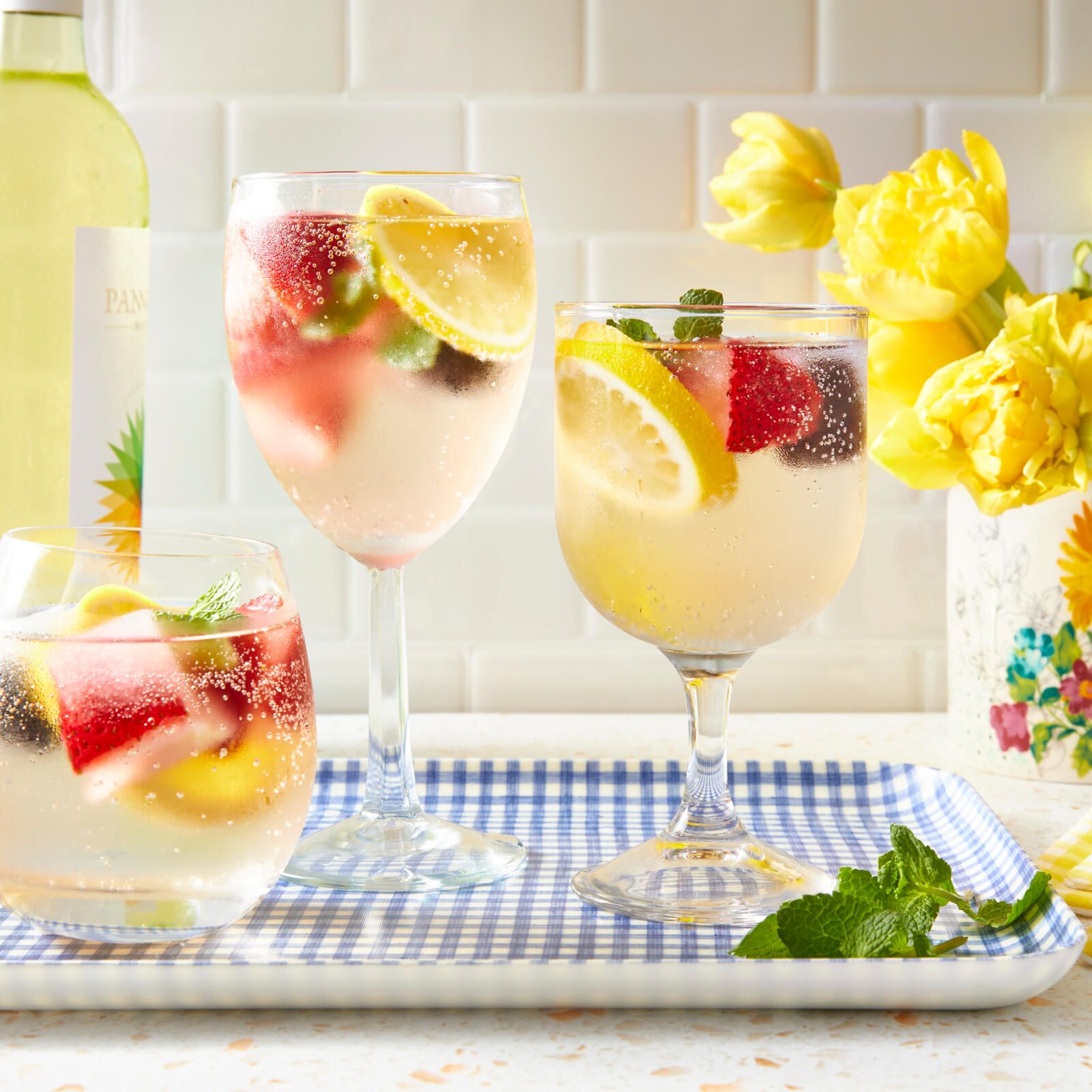
The fundamental identity of a white wine spritzer is simple: a blend of white wine and carbonated water, often garnished with citrus or herbs. However, from a brand strategy perspective, the “spritzer” is no longer just a mix; it is a lifestyle proposition.
Overcoming the “Grandma Drink” Stigma
For years, the white wine spritzer suffered from a brand image problem. It was perceived as a “weak” drink, lacking the sophistication of a dry Riesling or the cultural clout of a craft cocktail. To revitalize the category, beverage marketers had to pivot away from the drink’s history as a low-calorie compromise and toward a narrative of refreshing, high-quality indulgence. This involved shifting the focus from “fewer calories” to “premium hydration” and “sessionability”—a term used in the industry to describe drinks that can be enjoyed over a long period without the heavy effects of high alcohol content.
The Aperol Effect and Category Growth
The resurgence of the white wine spritzer owes much of its success to the “Aperol Spritz” phenomenon. By establishing the “Spritz” as a high-end, European-inspired ritual, brand strategists created a halo effect for all wine-and-soda combinations. White wine spritzer brands capitalized on this by adopting similar visual cues: elegant glassware, vibrant garnishes, and an association with “apertivo culture.” This strategic alignment transformed the spritzer from a home-made utility drink into a socially desirable lifestyle choice.
Targeting the Health-Conscious Demographic: Spritzers as a Wellness Brand
One of the most powerful drivers in modern brand strategy is the “Wellness” movement. As consumers become increasingly mindful of their sugar intake and alcohol consumption, the white wine spritzer has been positioned as the ultimate “clean” alternative.
The “Better-for-You” Market Positioning
Brands in the spritzer space are no longer competing solely with other wines; they are competing with hard seltzers and functional beverages. By highlighting the lack of artificial sweeteners, gluten-free properties, and lower Alcohol By Volume (ABV), spritzer brands appeal to the “conscious consumer.” This demographic seeks transparency in labeling and ingredients. A successful spritzer brand today leverages “clean label” marketing, emphasizing the purity of the grapes and the quality of the sparkling water used in the blend.
The Rise of Low-ABV Branding
There is a growing market of “sober-curious” individuals or “moderate drinkers” who want the social experience of drinking without the subsequent hangover or health impact. Brand strategists have identified this as a gap in the market. By positioning the white wine spritzer as a 4% to 6% ABV beverage, brands can capture the “all-day” drinking occasion—brunches, beach days, and outdoor festivals—where a traditional 13% ABV Chardonnay would be too heavy. This positioning effectively expands the brand’s “share of throat” by making the product suitable for times when consumers might otherwise opt for water or soda.
The Visual Identity and Packaging Revolution
The most significant shift in the spritzer’s brand identity is visible on the shelves. The transition from the traditional glass wine bottle to the sleek, 12-ounce aluminum can has redefined how consumers interact with the product.
The Power of Canned Convenience
Ready-to-Drink (RTD) packaging is a masterclass in functional branding. For the white wine spritzer, the can represents freedom and portability. It allows the brand to travel where glass cannot: poolside, on hiking trails, or into music venues. This “on-the-go” brand identity has decoupled wine from the formal dinner table and placed it in the hands of a younger, more active audience.

Design Aesthetics: Minimalism and Modernity
Modern spritzer brands have moved away from the ornate, traditional labels of the wine world. Instead, they embrace minimalist, Instagram-friendly aesthetics. Bold typography, pastel color palettes, and matte finishes communicate a sense of modernity and approachability. This visual strategy is designed to stand out in a crowded “Cold Box” (the refrigerated section of a liquor store), signaling to the consumer that this is a fresh, contemporary product rather than a dusty cellar vintage.
Sustainability as a Brand Pillar
In the current corporate climate, sustainability is a core component of brand equity. Aluminum cans are more easily recyclable and have a lower carbon footprint in shipping than glass bottles. Spritzer brands that lead with their “Eco-friendly” credentials build deeper trust with Gen Z and Millennial consumers, who prioritize ethical consumption. This strategic move aligns the product with the values of its target audience, moving the brand beyond a mere beverage to a statement of personal ethics.
Marketing the Occasion: The Lifestyle Strategy
Successful branding is often less about the product itself and more about the “occasion” it serves. The white wine spritzer has been masterfully branded as the official drink of “The Golden Hour” and “Summer Lifestyle.”
Influencer Marketing and Social Proof
The white wine spritzer is a highly “visual” drink. Brands leverage this by partnering with lifestyle influencers who curate high-aesthetic content. Whether it is a spritzer held against a Mediterranean sunset or a stylized picnic in a city park, these images create a powerful brand association with leisure, luxury, and social connection. This is not just selling a drink; it is selling the feeling of a perfect Saturday afternoon.
Seasonal Branding and Limited Editions
Brand strategists utilize seasonality to drive urgency and engagement. By launching “Summer Editions” or seasonal flavor profiles—such as white wine spritzers infused with elderflower, peach, or botanical extracts—brands keep the category fresh. This approach borrows from the “fast fashion” model, where constant innovation and limited-time offers keep the consumer returning to see what’s new. It prevents the brand from becoming stagnant and allows it to dominate the conversation during peak consumption months.
Scaling the Brand: Economic Impact and Future Innovations
The white wine spritzer is no longer a niche product; it is a major player in the global beverage industry. The brand strategy has moved into a scaling phase, where data-driven insights are used to capture global market share.
Corporate Expansion and Mergers
Major wine conglomerates are no longer ignoring the spritzer. They are either launching their own “spritz” lines or acquiring smaller, high-growth RTD brands. This institutional backing provides the capital needed for global distribution and high-decibel marketing campaigns. When a legacy wine house launches a spritzer, it lends the category immediate “Brand Authority,” signaling to traditionalists that the spritzer is a legitimate and premium choice.
Diversification of Flavor and Experience
As the market saturates, brands are looking for ways to differentiate. We are seeing the rise of “Terroir-driven” spritzers, where the specific origin of the wine (e.g., a Marlborough Sauvignon Blanc or a Provençal Rosé) is the focal point of the brand story. This “premiumization” allows brands to charge a higher price point, appealing to the connoisseur who wants the convenience of a spritzer without sacrificing the pedigree of the wine.
The Digital Frontier: Direct-to-Consumer (DTC) Branding
Technological shifts in how we shop have also influenced spritzer branding. Many new brands launch as DTC-first, building a community online before ever hitting physical retail shelves. This allows for personalized branding, subscription models, and a direct line of communication with the consumer. By owning the data, these brands can pivot their strategy in real-time, adjusting flavor profiles or marketing messages based on direct consumer feedback.
Conclusion: The Enduring Power of a Clear Brand Promise
In answering the question “what is a white wine spritzer drink,” one must look past the bubbles and the wine. It is a case study in effective brand repositioning. By identifying a shift in consumer values—specifically the move toward health, convenience, and aesthetic experience—strategists have taken a simple two-ingredient drink and turned it into a powerhouse of the modern beverage industry.
The white wine spritzer now represents a successful bridge between the traditional world of viticulture and the fast-paced world of consumer packaged goods. It proves that with the right visual identity, market positioning, and lifestyle alignment, even the most overlooked products can become global icons of modern consumption. As the industry continues to evolve, the white wine spritzer will remain a benchmark for how brands can successfully navigate the intersection of tradition and trend.
aViewFromTheCave is a participant in the Amazon Services LLC Associates Program, an affiliate advertising program designed to provide a means for sites to earn advertising fees by advertising and linking to Amazon.com. Amazon, the Amazon logo, AmazonSupply, and the AmazonSupply logo are trademarks of Amazon.com, Inc. or its affiliates. As an Amazon Associate we earn affiliate commissions from qualifying purchases.