
In the fast-paced world of global markets, many practitioners view “theory” as a dusty academic concept reserved for lecture halls. However, in the context of brand strategy and corporate identity, a theoretical approach is the most practical tool a strategist can possess. It is the underlying blueprint—the conceptual lens—through which a brand views its relationship with the world, its competitors, and its customers.
A theoretical approach is not merely an idea; it is a structured framework of principles and hypotheses that guides decision-making. It provides the “why” behind the “what.” Without a theoretical foundation, marketing becomes a series of disjointed tactics; with it, branding becomes a cohesive narrative that drives long-term value and consumer loyalty.

Defining the Theoretical Approach in Brand Strategy
At its core, a theoretical approach in branding refers to the specific strategic perspective used to interpret market data and consumer behavior. It acts as a compass, ensuring that every design choice, messaging pillar, and marketing campaign aligns with a central philosophy. In brand management, this approach allows organizations to move beyond reactive habits and toward proactive, intentional growth.
From Abstract Concepts to Tangible Assets
The journey of a brand often begins with an abstract idea—a desire to solve a problem or fill a niche. The theoretical approach bridges the gap between this abstract vision and the tangible assets the public interacts with. For example, if a company adopts a “Relationship Marketing” theoretical approach, its visual identity, tone of voice, and customer service protocols will all be filtered through the lens of building long-term emotional bonds rather than transactional wins.
By establishing a theoretical framework early, brand managers can ensure that their creative teams aren’t just making things “look good.” Instead, they are crafting a visual and verbal language that validates the brand’s core hypothesis about its place in the market.
The Role of Brand Models and Frameworks
Theoretical approaches are usually codified into models. These models provide a standardized way to measure brand health and performance. Whether it is a model focusing on brand equity or one focusing on brand personality, these frameworks allow a business to categorize complex human emotions into actionable data points.
When a strategist asks, “What is our theoretical approach?”, they are essentially asking which model of human psychology or market dynamics they are betting on to achieve their goals. Is the brand focused on being a “Disruptor” (innovation theory), or is it focusing on “Heritage” (narrative theory)? The answer dictates every subsequent investment.
Core Theoretical Frameworks in Modern Branding
To understand how a theoretical approach functions in the real world, one must examine the specific frameworks that have shaped the most successful brands of the 21st century. These theories provide the scaffolding upon which brand equity is built.
Aaker’s Brand Equity Model
David Aaker, often referred to as the father of modern branding, proposed a theoretical approach centered on brand equity as a set of assets. His framework suggests that brand value is derived from four key dimensions: brand awareness, perceived quality, brand associations, and brand loyalty.
Under this theoretical approach, a brand isn’t just a logo; it is a mental real estate investment. Strategists using Aaker’s model focus heavily on “brand associations”—the specific thoughts and feelings that sprout in a consumer’s mind when they hear a brand name. This theory dictates that every brand touchpoint must reinforce a specific set of positive associations to build equity over time.
Kapferer’s Brand Identity Prism
Jean-Noël Kapferer introduced a more holistic theoretical approach known as the Brand Identity Prism. This model posits that a brand is defined by six interconnected facets:
- Physique: The physical qualities and manifestations of the brand.
- Personality: The human character traits assigned to the brand.
- Culture: The values and origins the brand represents.
- Relationship: The type of interaction between the brand and its customers.
- Reflection: How the brand reflects its target audience.
- Self-image: How the customer feels about themselves when using the brand.
Using this theoretical approach, a strategist can diagnose where a brand is “leaking” identity. For instance, if the “Physique” (the packaging) does not match the “Culture” (the sustainable values), the brand suffers from cognitive dissonance in the eyes of the consumer.
Jungian Brand Archetypes
Drawing from Carl Jung’s psychological theories, this approach treats brands as characters in a universal human story. There are 12 primary archetypes—such as the Hero, the Sage, the Magician, and the Outlaw—that represent fundamental human desires.
When a brand adopts an “Archetypal” theoretical approach, it taps into the collective unconscious. Nike utilizes the “Hero” archetype, focusing on triumph over adversity (“Just Do It”). Harley-Davidson utilizes the “Outlaw” archetype, focusing on liberation and rebellion. This approach is highly effective for personal branding and corporate identity because it provides a clear, emotive script that everyone in the organization can follow.
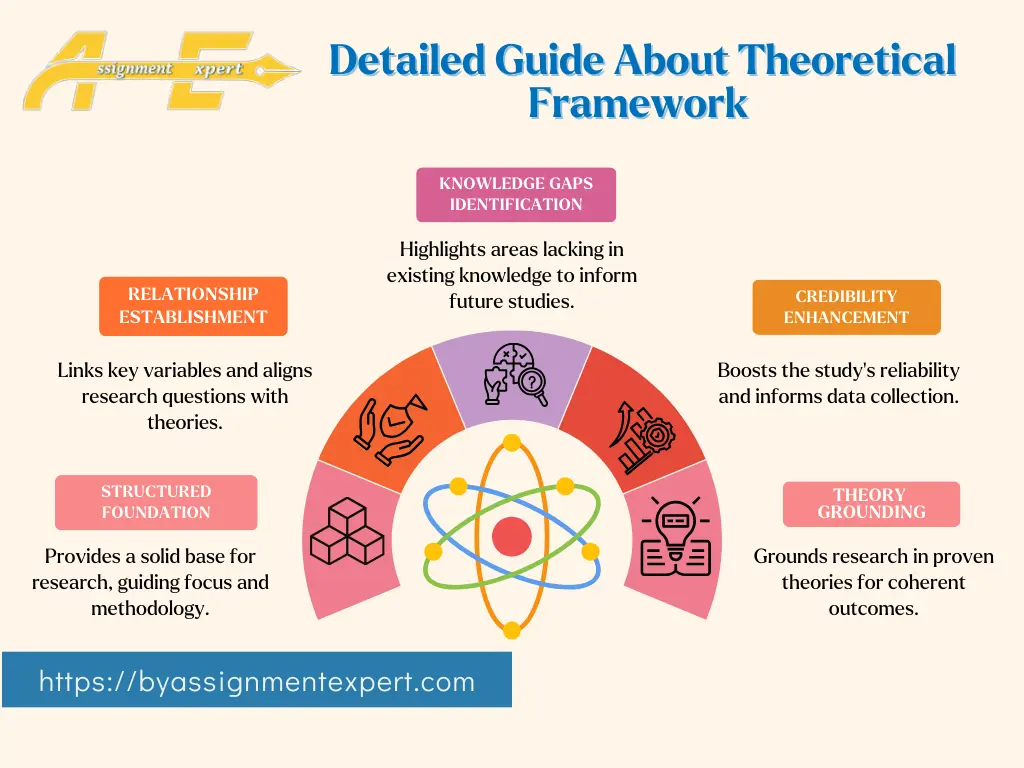
Why a Theoretical Foundation Matters for Market Success
Operating without a theoretical approach is akin to sailing without a map. While you might stumble upon land, you are more likely to drift aimlessly. In the context of brand strategy, a theoretical foundation offers three distinct advantages.
Consistency Across Touchpoints
In an era of omnichannel marketing, a brand must exist simultaneously on social media, in physical retail, through customer support, and in digital advertising. Without a unifying theoretical approach, these channels often develop “silos” of identity.
A theoretical framework ensures that the “vibe” of a TikTok video is the same as the “vibe” of a corporate annual report. This consistency builds trust. Consumers are neurologically wired to seek patterns; when a brand presents a consistent pattern governed by a solid theory, it reduces the “cognitive load” required for the consumer to understand and trust the brand.
Predicting Consumer Behavior
One of the primary goals of any theoretical approach is predictive power. If we apply the “Social Identity Theory” to our brand, we can predict that our customers will want to signal their membership in our “tribe.” This leads to specific marketing strategies, such as creating limited-edition merchandise or exclusive communities.
A theory allows a brand to move beyond “A/B testing” everything. While data is important, theory provides the hypothesis that you test. It allows marketers to anticipate how a demographic might react to a price change, a rebranding, or a controversial social stance based on the underlying psychological drivers identified in the framework.
Mitigating Risk in Brand Extensions
When a successful brand decides to enter a new product category—such as a fashion house launching a furniture line—the risk of failure is high. A theoretical approach helps mitigate this risk by identifying the “core essence” that can be transferred. If the brand’s theory is built on “Luxury Craftsmanship,” the extension into furniture is a logical progression. If the brand’s theory is built on “Athletic Performance,” moving into luxury furniture might confuse the market and dilute the original brand’s value.
Applying a Theoretical Approach to Personal Branding
Theoretical approaches are not limited to multi-billion dollar corporations. In the digital economy, personal branding has become a vital asset for entrepreneurs, executives, and creators. Applying a theoretical framework to one’s own career can be transformative.
Building the “Expert” Persona
Using a theoretical approach based on “Authority Signaling,” a personal brand focuses on the curation of expertise. This involves the strategic publication of white papers, speaking engagements, and the use of professional, minimalist design. The theory here is that human beings are naturally inclined to follow “Sages” or “Authorities” in times of uncertainty.
Strategic Narrative Construction
Another theoretical approach to personal branding is the “Hero’s Journey.” Here, the individual shares their failures, their “call to adventure,” and their eventual mastery. This creates an emotional hook that allows an audience to invest in the person rather than just the service they provide. It turns a professional profile into a compelling story, making the individual more memorable in a crowded marketplace.
The Intersection of Theory and Creativity: Bridging the Gap
A common critique is that a theoretical approach stifles creativity. However, the opposite is usually true. Total creative freedom can lead to “blank page syndrome” or projects that drift off-target. A theoretical framework provides “creative constraints.”
Data-Driven Brand Theory
In the modern tech-integrated marketing landscape, theoretical approaches are increasingly being validated by big data. We no longer have to guess if a “Community-Centric” approach works; we can measure the engagement rates, the sentiment analysis, and the lifetime value of customers within that community. This creates a feedback loop where theory informs the strategy, data validates the theory, and the strategy is refined accordingly.
Emotional Branding and Neuromarketing
The latest frontier in branding theory is neuromarketing—a theoretical approach that uses neuroscience to understand how the brain responds to brand stimuli. This approach moves away from what consumers say they like (which is often inaccurate) and looks at what their brains actually respond to.
For example, the “Primal Branding” theory suggests that brands should function like religions, with their own creation myths, rituals, and “unbelievers.” While this sounds abstract, it is a highly structured theoretical approach that has been used to build cult-like loyalty for brands ranging from Apple to CrossFit.
Conclusion
A theoretical approach is the silent engine of every successful brand. It provides the structure for creativity, the logic for expansion, and the psychological bridge to the consumer’s heart. Whether you are building a personal brand or managing a global corporate identity, defining your theoretical approach is the first step toward moving from a commodity to a category leader. It transforms branding from an expense into a strategic investment, ensuring that every dollar spent contributes to a larger, more resilient, and more valuable whole.
aViewFromTheCave is a participant in the Amazon Services LLC Associates Program, an affiliate advertising program designed to provide a means for sites to earn advertising fees by advertising and linking to Amazon.com. Amazon, the Amazon logo, AmazonSupply, and the AmazonSupply logo are trademarks of Amazon.com, Inc. or its affiliates. As an Amazon Associate we earn affiliate commissions from qualifying purchases.