
In the landscape of global healthcare finance, few assets are as ubiquitous, essential, or economically Telling as sterile saline solution. While often overlooked by retail investors in favor of high-growth biotech or experimental pharmaceuticals, sterile saline represents a foundational pillar of the medical supply chain. To the clinician, it is a life-saving isotonic fluid; to the financier, it is a high-volume, low-margin commodity that dictates the operational liquidity of hospital systems and the profitability of medical manufacturing conglomerates.
Understanding what a sterile saline solution is requires more than a chemical definition. It necessitates a deep dive into the industrial manufacturing processes, the regulatory moats that protect its producers, and the macroeconomic forces that govern its distribution. As a critical component in nearly every clinical procedure—from hydration and wound care to drug delivery—saline is the “oil” that lubricates the machinery of modern medicine.

The Economic Fundamentals of Sterile Saline
At its core, a sterile saline solution is a mixture of 0.9% sodium chloride (NaCl) in purified water. This specific concentration is known as “normal saline” because its osmolarity closely matches that of human blood, making it an isotonic medium. From a business perspective, the simplicity of the formula belies the immense capital expenditure (CAPEX) required to produce it at scale.
The Pharmaceutical Standard and Market Demand
The “sterile” designation is the primary driver of value. In the world of medical finance, sterility is a premium feature. To achieve a product that is free from microorganisms and pyrogens, manufacturers must invest in advanced filtration, heat sterilization, and cleanroom environments that meet rigorous ISO standards.
The market demand for this solution is virtually inelastic. Regardless of the economic cycle, hospitals, outpatient clinics, and veterinary facilities require a constant supply of saline. This makes it a defensive asset within a healthcare portfolio. However, because it is a commodity, price competition is fierce, and profitability is often determined by the efficiency of the manufacturing process and the scale of the distribution network.
Production Barriers and Regulatory Moats
The barrier to entry for the sterile saline market is exceptionally high, which protects the market share of established incumbents. This is not due to the cost of raw materials—salt and water are inexpensive—but rather the regulatory hurdles imposed by agencies like the FDA in the United States or the EMA in Europe.
Manufacturing facilities must undergo frequent inspections and adhere to Good Manufacturing Practices (GMP). Any deviation in the sterility of the product can lead to catastrophic recalls, legal liabilities, and the suspension of production lines. For investors, these regulations act as a “moat,” preventing new, lower-cost competitors from easily entering the space and disrupting the pricing power of major players like Baxter International, B. Braun, and Fresenius Kabi.
The Global Supply Chain: Financial Drivers and Disruptions
The financial viability of sterile saline is inextricably linked to the efficiency of its supply chain. Because saline is heavy (primarily consisting of water) and must be shipped in sterile, medical-grade plastic or glass, the cost of logistics is a significant percentage of the total operating expense (OPEX).
Logistics and the Cost of Distribution
In the business of clinical fluids, logistics is often the difference between a profitable quarter and a loss. The weight-to-value ratio of saline is unfavorable compared to high-cost biologics or specialty drugs. Consequently, manufacturers strategically locate their production facilities near major shipping hubs or high-density healthcare markets to minimize fuel and transport costs.
Furthermore, the packaging of saline is a sub-industry in itself. The transition from glass bottles to flexible plastic bags revolutionized the market by reducing weight and breakage, thereby improving margins. Investors often look at packaging innovations—such as proprietary port designs or multi-layered polymers—as indicators of a company’s ability to capture a larger share of hospital procurement budgets.
Impact of Shortages on Healthcare ROI
The sterile saline market has historically been prone to supply shocks. A notable example occurred in 2017 when Hurricane Maria devastated Puerto Rico, a major manufacturing hub for IV bags. The resulting shortage forced hospitals across the United States to implement “saline conservation” protocols, leading to increased operational costs as staff spent more time managing inventory than providing care.
For the institutional investor, these shortages highlight the fragility of “just-in-time” inventory models in the medical sector. Companies that maintain diversified manufacturing footprints and robust disaster recovery plans trade at a premium because they offer reliability in a market where a lack of product can halt surgical procedures and diminish a hospital’s revenue-generating capacity.
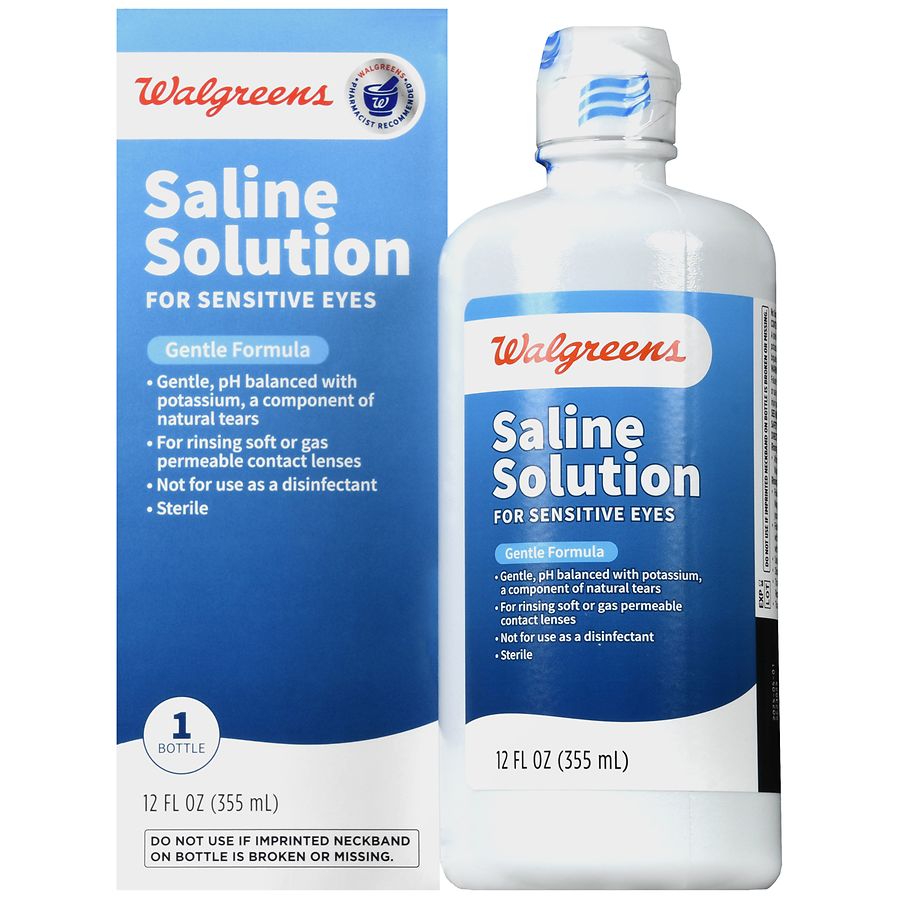
Investment Profiles: Key Players in the Saline Market
To understand the business of sterile saline, one must analyze the corporate entities that dominate the landscape. The market is largely an oligopoly, controlled by a few massive conglomerates that leverage economies of scale to maintain their dominance.
Major Pharmaceutical Conglomerates
The “Big Three” in the saline space—Baxter International, B. Braun Melsungen AG, and ICU Medical (which acquired Pfizer’s Hospira unit)—control a significant portion of the global market share. These companies do not just sell saline; they sell the entire delivery ecosystem, including IV pumps, tubing, and administrative software.
This “razor and blade” business model is a key driver of long-term value. By securing long-term contracts for saline bags (the “blades”), these companies ensure that hospitals remain locked into their proprietary delivery systems (the “razors”). This creates a recurring revenue stream that is highly attractive to value-oriented investors.
Specialized Manufacturers and Niche Disruptors
While the heavyweights dominate the IV market, smaller, specialized firms find profitability in niche applications of sterile saline. This includes pre-filled syringes for catheter flushing, nasal sprays, and ophthalmic solutions. These products often command higher margins because they offer convenience and reduce the risk of clinical error, allowing for a “premium commodity” positioning.
Private equity has also shown increased interest in the contract manufacturing organizations (CMOs) that produce saline for private-label distributors. As healthcare systems look to reduce costs, many are turning to group purchasing organizations (GPOs) that source saline from these secondary manufacturers, creating a shift in market dynamics and opening new avenues for capital injection.
Future Outlook: Technological Advancements and Market Growth
The future of the sterile saline market is being shaped by two primary forces: the integration of digital technology and the global push for sustainability. Both have significant implications for the financial performance of companies within the sector.
Automation and Margin Optimization
As labor costs rise, manufacturers are increasingly turning to full-scale automation in their bottling and bagging lines. High-speed, automated visual inspection systems powered by artificial intelligence (AI) are now being used to detect particulates or leaks in saline bags with greater accuracy than human inspectors.
For the investor, the adoption of these technologies represents a move toward margin expansion. Reducing the rate of “scrapped” product and minimizing human intervention in cleanrooms lowers the risk of contamination and enhances the overall yield of the production facility. Companies that lead the way in “Smart Manufacturing” are likely to see improved return on equity (ROE) over the next decade.
The Shift Toward Sustainability and Green Finance
The medical supply industry is one of the largest producers of single-use plastic waste. As Environmental, Social, and Governance (ESG) criteria become more important to institutional investors, saline manufacturers are under pressure to develop sustainable packaging solutions.
This shift presents both a risk and an opportunity. The development of biodegradable or more easily recyclable IV bags requires significant R&D investment. However, companies that successfully transition to “green” saline solutions may find themselves preferred by healthcare systems that have their own carbon-reduction mandates. This alignment of sustainability and procurement could shift billions of dollars in market share toward the most innovative firms.
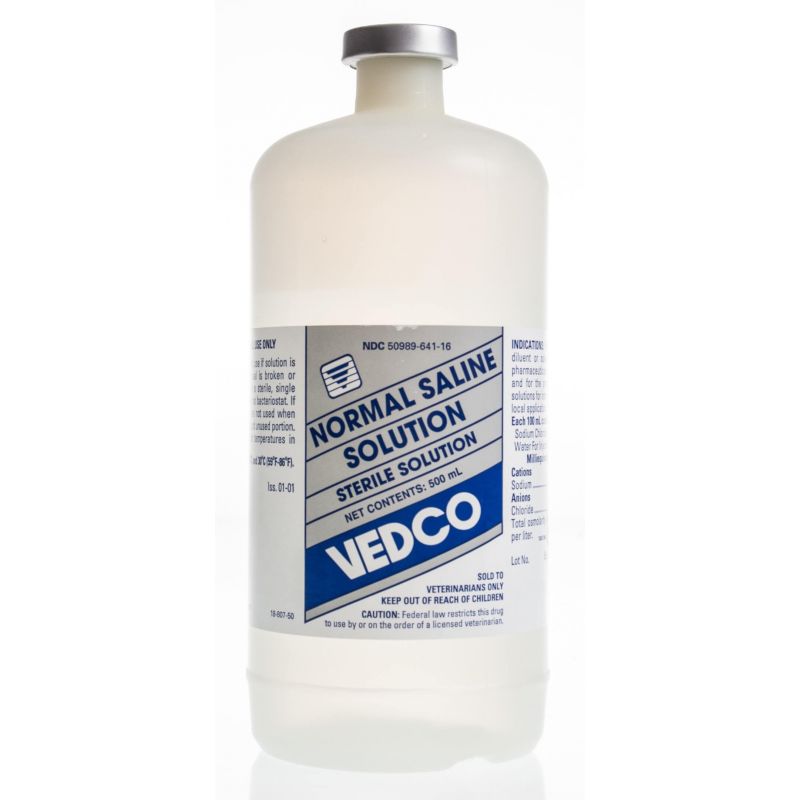
Strategic Analysis: Why Saline is a Defensive Financial Play
In a volatile market, sterile saline remains one of the most reliable “defensive” plays in the healthcare sector. Its status as a medical necessity ensures that demand remains constant even during inflationary periods or economic downturns.
From a portfolio management perspective, exposure to sterile saline producers offers a hedge against the high-risk, high-reward nature of pharmaceutical research. While a drug company might see its stock crater if a Phase III clinical trial fails, a saline manufacturer’s value is rooted in the physical reality of daily clinical operations.
In conclusion, a sterile saline solution is much more than salt and water. It is a vital clinical commodity, a masterpiece of industrial logistics, and a cornerstone of the medical economy. For the savvy investor or business strategist, understanding the nuances of its production, the complexities of its supply chain, and the regulatory environment that governs it is essential for navigating the broader healthcare financial landscape. As the global population ages and access to healthcare expands in emerging markets, the “saline economy” is poised for steady, disciplined growth, reinforcing its status as an indispensable asset in the global market.
aViewFromTheCave is a participant in the Amazon Services LLC Associates Program, an affiliate advertising program designed to provide a means for sites to earn advertising fees by advertising and linking to Amazon.com. Amazon, the Amazon logo, AmazonSupply, and the AmazonSupply logo are trademarks of Amazon.com, Inc. or its affiliates. As an Amazon Associate we earn affiliate commissions from qualifying purchases.