
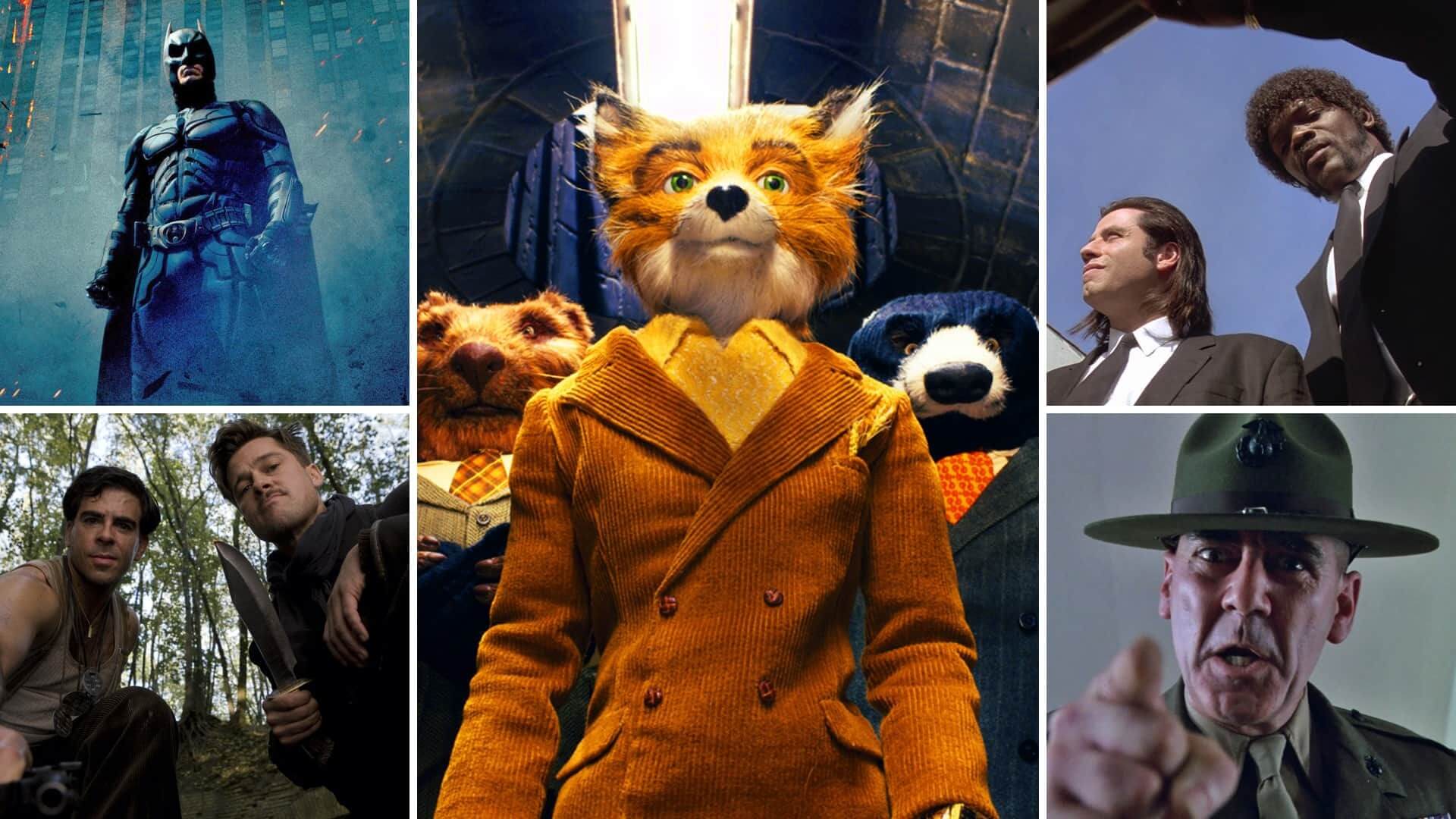
In the evolving landscape of digital media and cinematography, the technical precision of a shot often dictates the emotional response of the audience. Among the most potent tools in a creator’s arsenal is the low angle shot. By definition, a low angle shot is a cinematic technique where the camera is positioned vertically below the subject’s eye line, looking upward. While the concept sounds simple, the technical execution and the psychological infrastructure behind it are foundational to professional visual storytelling.
From the high-end sensors of cinema cameras to the sophisticated optics in modern smartphones, mastering the low angle shot requires a deep understanding of both hardware capabilities and the software-driven post-production processes that refine these perspectives. This technique is more than just a change in height; it is a manipulation of the viewer’s relationship with the subject, often used to convey power, heroism, or a sense of looming intimidation.

The Technical Anatomy of the Low Angle Shot
To execute a professional-grade low angle shot, one must understand the interplay between camera positioning, focal length, and sensor technology. When a camera is placed near the ground, the physical constraints of the hardware become a primary consideration.
Equipment and Stabilization
In professional environments, achieving a stable low angle shot often requires specialized gear. High-end gimbals like the DJI RS series or Zhiyun Crane offer “underslung modes” specifically designed for this purpose. This technical configuration allows the camera to hang beneath the gimbal’s handle, keeping the center of gravity low and the stabilization algorithms optimized for ground-skimming movement.
For static shots, “hi-hat” tripods or floor plates are used. These tools allow heavy cinema rigs (like an ARRI Alexa or RED V-Raptor) to sit mere inches from the floor. Without these specialized mounts, the physical dimensions of a standard tripod would prevent the lens from reaching the necessary verticality to create a true low-angle perspective.
Lens Selection and Perspective Distortion
The choice of lens is critical when shooting from a low vantage point. Wide-angle lenses (typically between 14mm and 35mm) are frequently paired with low angles to exaggerate the distance between the foreground and background. This technical combination creates “perspective distortion,” where the subject appears to tower over the viewer, and the vertical lines of the environment converge toward the top of the frame.
However, creators must manage “keystoning,” a visual phenomenon where vertical lines appear to lean inward. While this can be used for dramatic effect in architectural photography or stylized cinema, it often requires corrective software in post-production if a naturalistic look is desired.
Sensor Dynamics and Articulating Screens
The rise of mirrorless camera technology has significantly lowered the barrier to entry for high-quality low angle shots. Cameras like the Sony A7S III or the Canon R5 feature fully articulating flip-out screens. This hardware evolution is vital; it allows operators to compose shots from ground level without needing to physically lie on the floor. Furthermore, modern autofocus systems, powered by AI-driven subject recognition, ensure that even when the camera is at a precarious angle, the focus remains locked on the subject’s eyes or face, compensating for the shallow depth of field often found in professional optics.
Psychological Impact and Narrative Tech
Beyond the technical setup, the low angle shot is a psychological tool. In the world of branding and corporate identity, this shot is a standard for establishing “The Hero.” When a product or a person is filmed from below, they occupy more of the frame, literally looking down on the viewer.
Establishing Authority and Power
In cinematic history, the low angle shot was famously mastered in films like Citizen Kane, where director Orson Welles actually cut holes in the studio floor to get the camera lower. The goal was to make the protagonist appear larger than life. Today, this is replicated in tech marketing. When a new flagship vehicle or a revolutionary piece of hardware is unveiled, the promotional videos almost exclusively use low-angle tracking shots. This creates a sense of monumental scale and technological superiority.
Vulnerability and Environmental Context
Conversely, a low angle shot can be used to emphasize the scale of an environment relative to a character. By placing the camera low and tilting it up toward a vast cityscape or a dense forest, the creator highlights the overwhelming nature of the surroundings. This is a common technique in digital gaming visuals and 3D environment rendering, where “low-poly” or high-fidelity environments are showcased to give the player a sense of immersion and awe.
Technical Execution Across Digital Mediums
The application of the low angle shot varies significantly depending on the platform and the hardware being used. Whether it is a big-budget commercial or a high-production-value social media reel, the technical requirements shift.
Cinema and Narrative Production
In narrative film, the low angle shot is often part of a “dynamic move.” This might involve a “dolly-in” where the camera moves toward the subject while remaining low. The technical challenge here is maintaining a consistent plane of focus. Modern wireless follow-focus systems allow a secondary operator to manage the lens’s focal plane remotely, ensuring that as the camera moves through the three-dimensional space, the subject remains crisp despite the shifting perspective.
Commercial Tech and Product Showcases
In the tech industry, the “low angle macro shot” is a popular trend. This involves using specialized “probe lenses” (like those from Laowa) that can get extremely low and close to a product. For example, a shot moving between the keys of a high-end mechanical keyboard from a low angle makes the hardware look like a sprawling architectural landscape. This requires high-intensity lighting tech, as these specialized lenses often have small apertures that require significant illumination to produce a clean signal-to-noise ratio on the camera sensor.
Social Media and Mobile Content
Even on mobile devices, the low angle shot has become a staple. Technical tip: by flipping a smartphone upside down, the lens (which is located at the top of the device) moves to the bottom, allowing for a perspective that is much closer to the ground than a standard upright orientation. This simple hardware workaround has revolutionized the “street photography” aesthetic on platforms like Instagram and TikTok, enabling creators to capture high-dynamic-range (HDR) visuals with a perspective previously reserved for professional rigs.
Advanced Post-Production and Software Integration
Once the footage is captured, the work transitions into the digital suite. The low angle shot introduces specific challenges that software tools are designed to solve.
Correcting Distortion in DaVinci Resolve and Premiere Pro
Wide-angle lenses used at low heights often produce barrel distortion. Video editing software like DaVinci Resolve includes “Lens Correction” plugins that use metadata from the camera to identify the specific lens model and automatically flatten the image. This ensures that while the powerful perspective remains, the unnatural curvature of the edges is removed.
CGI and VFX Integration
When a low angle shot is used as a “plate” for visual effects, the technical complexity increases. If a 3D model (such as a futuristic building or a digital creature) needs to be inserted, the tracking software (like Boris FX Mocha or the 3D tracker in After Effects) must accurately map the “ground plane” from that low perspective. The software analyzes the parallax—the way foreground objects move faster than background objects—to create a virtual camera that matches the physical one. Without an accurate low-angle track, the digital elements will appear to “float” rather than sit firmly in the scene.
Color Grading for Silhouette and Scale
Low angle shots often involve the sky or ceiling as a primary background. This frequently leads to high-contrast scenarios where the subject is backlit. Colorists use HDR grading tools to pull detail out of the shadows while preventing the highlights in the sky from “clipping.” By using “Power Windows” or masks, a colorist can brighten the subject’s face to maintain the “heroic” feel while keeping the dramatic, low-angle sky moody and saturated.
The Future of Perspective: Drones and AI-Powered Systems
The technology surrounding the low angle shot continues to advance with the integration of AI and robotics.
UAVs and Ground-Skimming Tech
Drones have traditionally been associated with high-altitude “bird’s eye” views. However, modern FPV (First Person View) drones are now being used to capture “ground-skimming” low angle shots at high speeds. These drones use sophisticated flight controllers and obstacle avoidance sensors to fly inches above the terrain, providing a low-angle perspective that was previously impossible to achieve with a handheld or motorized rig.

AI-Driven Subject Tracking
We are also seeing the rise of AI-powered gimbal systems that can automatically adjust the pitch of the camera to maintain a perfect low-angle composition even as the subject moves. These systems use machine learning to identify the “Golden Ratio” or “Rule of Thirds” in real-time, adjusting the hardware to ensure the low-angle perspective remains aesthetically pleasing without manual intervention.
In conclusion, the low angle shot is a marriage of artistic intent and technical mastery. Whether utilized to make a brand feel more authoritative or to give a cinematic protagonist a moment of triumph, its success relies on a deep understanding of lenses, stabilization, and the digital tools that refine the final image. As camera technology continues to shrink in size and grow in intelligence, the ability to manipulate perspective from the ground up will remain a cornerstone of professional visual production.
aViewFromTheCave is a participant in the Amazon Services LLC Associates Program, an affiliate advertising program designed to provide a means for sites to earn advertising fees by advertising and linking to Amazon.com. Amazon, the Amazon logo, AmazonSupply, and the AmazonSupply logo are trademarks of Amazon.com, Inc. or its affiliates. As an Amazon Associate we earn affiliate commissions from qualifying purchases.