
In the lexicon of modern technology, the term “chronic user” has evolved from its historical roots in healthcare and sociology to become a pivotal concept in software development, user experience design, and digital marketing. In a tech context, a chronic user is an individual who exhibits high-frequency, habitual engagement with a specific digital product, platform, or ecosystem. Unlike the casual user who interacts with an app sporadically or the “tourist” who explores a feature once and never returns, the chronic user integrates the technology into the fabric of their daily routine.
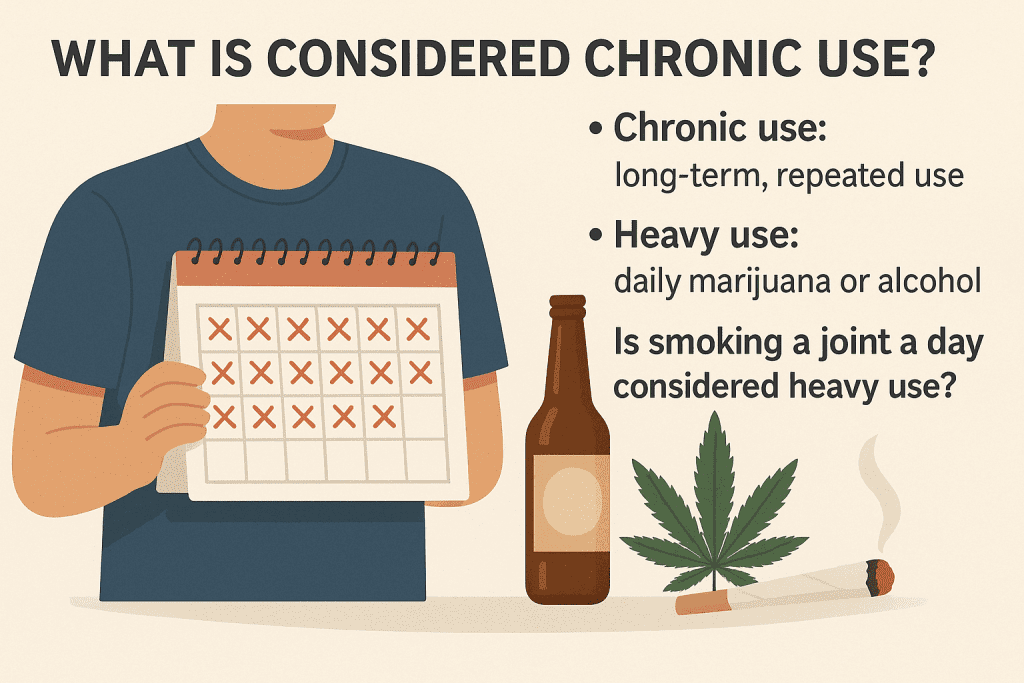
Understanding the chronic user is essential for any technologist, product manager, or developer. These users represent the “sticky” core of a product’s audience. They are the individuals for whom the “Hook Model”—the cycle of trigger, action, variable reward, and investment—has successfully closed. However, identifying and managing chronic usage requires a nuanced approach that balances business growth with ethical design and long-term user retention.
The Anatomy of the Chronic User: Beyond the Power User
While the terms “chronic user” and “power user” are often used interchangeably, they describe different facets of engagement. A power user is defined by the depth of their technical proficiency; they utilize advanced features, keyboard shortcuts, and integrations that the average person ignores. A chronic user, conversely, is defined by the breadth and frequency of their presence.
Frequency as a Primary Metric
For a chronic user, the technology is a constant companion. This is often measured through the lens of sessions per day or the ratio of Daily Active Users (DAU) to Monthly Active Users (MAU). If a user opens a project management tool like Notion or a communication platform like Slack twenty times a day, they have moved into the chronic category. Their interaction is no longer an intentional “event” but a reflexive habit.
The Role of Habit Formation
Chronic usage is rarely accidental. It is the result of deliberate psychological engineering. Modern software is designed to lower the barrier to entry while increasing the “cost of exit.” Through the use of push notifications, personalized feeds, and gamified progress trackers, developers transition users from external triggers (seeing an ad) to internal triggers (feeling a sense of boredom or a need for productivity). When the technology becomes the primary solution to a recurring emotional or professional need, chronic usage is established.
Dependency and the Digital Workflow
In the enterprise software space, a chronic user is often someone whose entire workflow is hosted within a specific ecosystem. For a developer, this might be GitHub or an Integrated Development Environment (IDE) like VS Code. For a graphic designer, it is the Adobe Creative Cloud. In these instances, chronic usage is a byproduct of professional necessity, creating a high-stakes environment where the reliability of the software directly impacts the user’s livelihood.
The Psychological Mechanics of Perpetual Engagement
To understand why a user becomes chronic, one must look at the intersection of dopamine-driven feedback loops and interface design. The tech industry has mastered the art of “neuromarketing,” using cognitive biases to ensure that users remain tethered to their screens.
Variable Rewards and the “Slot Machine” Effect
One of the most potent drivers of chronic usage is the principle of variable rewards. Introduced by B.F. Skinner and popularized in tech by Nir Eyal, this concept suggests that users are most engaged when the “reward” for their action is unpredictable. In social media apps, this is the infinite scroll or the “pull-to-refresh” mechanism. The chronic user returns repeatedly because they are searching for the next piece of relevant information, the next “like,” or the next viral trend.
Reducing Friction and Cognitive Load
Chronic users are often created by making the path of least resistance lead directly into the app. Features like “One-Tap Sign-In,” biometric authentication, and persistent background processes ensure that the transition from a non-user state to an active user state is instantaneous. When a tool requires zero cognitive effort to launch, the likelihood of it becoming a chronic habit increases exponentially.
The Social Proof and Network Effect
In many cases, chronic usage is driven by the fear of missing out (FOMO) or the necessity of maintaining social capital. Messaging apps like WhatsApp or Telegram rely on the network effect: the more people in a user’s circle use the app, the more “chronic” that user must become to stay connected. The technology ceases to be a tool and becomes a social environment, making “logging off” synonymous with social withdrawal.
Measuring Success: The Metrics of Chronic Engagement
For tech companies, the chronic user is the ultimate KPI. High-frequency users provide the data necessary for machine learning models to improve, and they offer a stable foundation for subscription-based revenue models (SaaS). However, tracking these users requires more than just counting clicks.
The Stickiness Ratio (DAU/MAU)
The “Stickiness Ratio” is the gold standard for measuring chronic usage. It calculates the percentage of monthly active users who engage with the product daily. A ratio of 20% is considered good for many apps, while “super-apps” or essential productivity tools often aim for 50% or higher. This metric tells developers whether their product is a “vitamin” (nice to have) or a “painkiller” (essential).
Time in App and Session Depth
While frequency is key, the duration of each session—and the depth of the features used during those sessions—provides a clearer picture of the user’s relationship with the tech. Chronic users typically spend significantly more time in-app than the mean, but more importantly, they navigate through multiple layers of the interface. This “session depth” indicates that the user has mastered the UI and finds value across various modules of the software.
Churn Prediction and Retention Curves
Chronic users are generally the least likely to churn, but they are also the most sensitive to changes in the UI/UX. By analyzing the retention curves of these high-frequency users, companies can identify “inflection points”—the exact moment a casual user transitions into a chronic one. Identifying these triggers allows growth hackers to optimize the onboarding process to move users toward that chronic state more quickly.
The Impact of Chronic Users on Product Development
A product’s roadmap is often dictated by its most active users. This creates a symbiotic, yet sometimes volatile, relationship between the developers and the chronic user base.
Feature Creep and the “Power User” Trap
Because chronic users spend so much time with a product, they are the most vocal about requesting new features. While this feedback is invaluable, it can lead to “feature creep,” where a once-simple app becomes cluttered and unintuitive for newcomers. Developers must balance the sophisticated needs of the chronic user with the need for a clean, accessible interface for the “N00b” or casual user.
Beta Testing and Community Building
Chronic users are the ideal candidates for beta testing programs. Their high frequency of use means they are likely to encounter edge-case bugs and performance bottlenecks that casual users might miss. Furthermore, chronic users often form the backbone of a product’s community, acting as unofficial brand ambassadors on forums like Reddit or Discord, and providing peer-to-peer support that reduces the burden on official customer service channels.
Data-Driven Personalization
The vast amount of telemetry data generated by chronic users allows for hyper-personalized experiences. Algorithms can learn the specific habits, peak usage times, and preferred workflows of these users, tailoring the interface to meet their needs. This personalization creates a “lock-in” effect: the more the software adapts to the chronic user, the more difficult it becomes for that user to switch to a competitor’s product.
The Ethical Frontier: Digital Wellness and the Future of Engagement
As the conversation around “digital addiction” grows, the tech industry is facing a reckoning regarding how it cultivates chronic users. The goal of maximizing “time spent” is increasingly being viewed through an ethical lens, leading to a shift toward “time well spent.”
The Rise of Digital Health Features
In response to concerns about the psychological impact of chronic tech use, major OS providers like Apple and Google have introduced digital wellness tools. Screen time reports, app limits, and focus modes are designed to give users more control over their “chronic” tendencies. For developers, this means the definition of success is shifting from pure frequency to meaningful engagement.
Designing for Sustainability
The next generation of tech design focuses on “sustainable engagement.” Instead of using dark patterns to trick users into staying online, ethical developers are building tools that provide maximum value in minimum time. This approach recognizes that a user who feels “drained” by an app will eventually churn, whereas a user who feels “empowered” by their chronic usage will remain a loyal advocate for years.
The Role of AI in Managing Usage
Artificial Intelligence is beginning to play a role in how chronic usage is managed. Predictive algorithms can now detect when a user’s engagement patterns are becoming unhealthy or when they are experiencing “notification fatigue.” In the future, we may see AI agents that act as intermediaries, filtering the noise of our digital tools to ensure that chronic usage remains a productive, rather than destructive, force in our lives.
Conclusion
The chronic user is the heartbeat of the modern tech ecosystem. They are the testers, the advocates, and the primary revenue drivers for the world’s most successful platforms. However, as the digital landscape matures, the way we define and cultivate these users must also evolve. By understanding the psychology of habit, utilizing sophisticated engagement metrics, and adhering to ethical design principles, the tech industry can create products that users don’t just use frequently, but use to better their lives. The challenge for the future lies in balancing the drive for perpetual engagement with the necessity of human well-being.
aViewFromTheCave is a participant in the Amazon Services LLC Associates Program, an affiliate advertising program designed to provide a means for sites to earn advertising fees by advertising and linking to Amazon.com. Amazon, the Amazon logo, AmazonSupply, and the AmazonSupply logo are trademarks of Amazon.com, Inc. or its affiliates. As an Amazon Associate we earn affiliate commissions from qualifying purchases.