
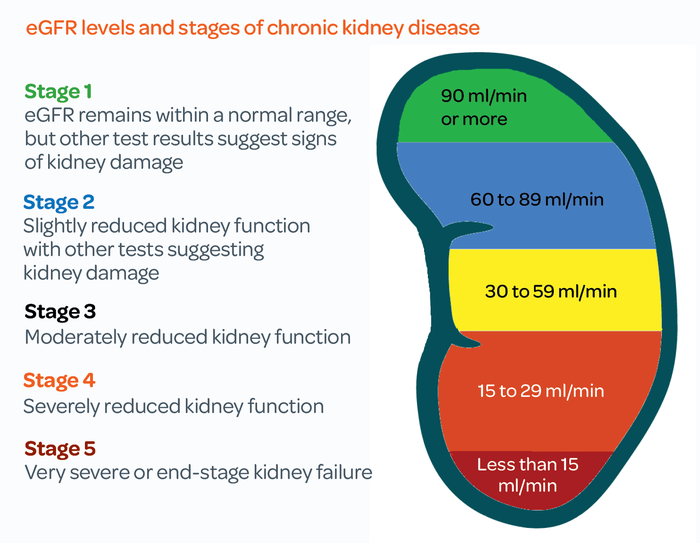
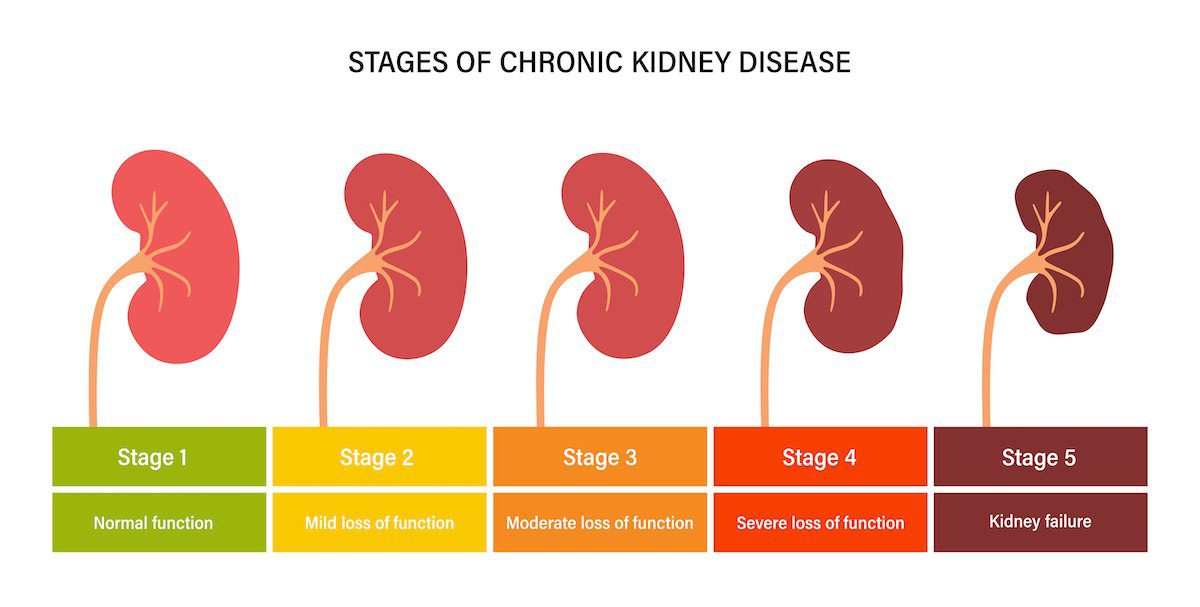
A diagnosis of Stage 3b Chronic Kidney Disease (CKD) is more than a medical milestone; it is a significant financial inflection point. In the spectrum of renal health, Stage 3b—characterized by a Moderate to Severe decrease in Glomerular Filtration Rate (GFR) between 30 and 44—represents the final stage before a patient enters the “advanced” stages of kidney failure. From a personal finance and wealth management perspective, this is the critical window where proactive fiscal planning can mean the difference between a managed chronic condition and a total financial crisis.
Understanding what Stage 3b kidney disease entails through a financial lens requires looking beyond the lab results and into the long-term economic implications of the diagnosis. It involves auditing one’s insurance coverage, restructuring investment priorities, and leveraging specific financial tools to ensure that the cost of care does not erode a lifetime of savings.
Understanding the Economic Impact of a Stage 3b Diagnosis
The transition from Stage 3a to Stage 3b is often the moment when the “hidden” costs of chronic illness become tangible. At this stage, the frequency of specialist visits typically increases, and the pharmacological regimen often becomes more complex. For a professional or business owner, the economic impact is twofold: the direct cost of medical intervention and the indirect cost of potential productivity loss.
The Hidden Costs of Chronic Disease Management
Direct costs at Stage 3b include co-pays for nephrology consultations, frequent blood work to monitor creatinine and potassium levels, and the introduction of specialized medications such as ACE inhibitors or SGLT2 inhibitors. However, the secondary costs often take patients by surprise. Nutritional requirements change, frequently necessitating a shift to a kidney-friendly diet which can be significantly more expensive than a standard diet. Organic produce, low-sodium specialty foods, and high-quality protein sources carry a premium that must be factored into the monthly household budget.
Furthermore, there is the “time tax.” Managing Stage 3b requires a significant time investment for appointments, pharmacy runs, and self-education. For those in the gig economy or hourly positions, these hours represent lost income. For corporate professionals, it may necessitate using FMLA (Family and Medical Leave Act) or sick leave, which can impact career trajectory and bonus eligibility.
Navigating Insurance Premiums and Out-of-Pocket Maxes
In the “Money” niche of healthcare, the most critical tool is the health insurance policy. At Stage 3b, the goal is to minimize “financial toxicity”—the physical and psychological distress caused by the high cost of treatment. This is the time to perform a rigorous audit of your health plan during the open enrollment period.
For many, moving to a PPO (Preferred Provider Organization) plan with a lower deductible, even if it carries a higher monthly premium, becomes the more cost-effective strategy. Because Stage 3b management involves predictable, recurring costs, a plan with a lower out-of-pocket maximum provides a “ceiling” on annual medical expenses, allowing for more accurate yearly budgeting. It is also essential to verify that your preferred nephrologists and diagnostic labs are within the “preferred” tier of the network to avoid balance billing.
Strategic Financial Planning for Life with CKD 3b
Once the immediate costs are understood, the focus must shift to long-term wealth preservation. A Stage 3b diagnosis serves as a signal to re-evaluate one’s financial portfolio to ensure it is resilient enough to handle potential progression to Stage 4 or 5, where costs escalate dramatically due to dialysis or transplantation.
Optimizing Health Savings Accounts (HSAs) and FSAs
If you are enrolled in a High Deductible Health Plan (HDHP), the Health Savings Account (HSA) is arguably the most powerful financial tool available. For someone with Stage 3b CKD, the HSA should be viewed as a specialized retirement fund for medical expenses. Because contributions are tax-deductible, growth is tax-free, and withdrawals for qualified medical expenses are tax-free, the HSA provides a triple-tax advantage that can significantly offset the cost of renal care.
Maximizing contributions to an HSA while in Stage 3b allows you to build a “war chest” for future needs. If you can afford to pay for current medical expenses out-of-pocket and let the HSA grow, you create a dedicated fund that can eventually cover the high costs associated with more advanced stages of the disease or even the costs of Medicare premiums later in life.
Income Protection: Disability Insurance and Career Adjustments
One of the most overlooked aspects of a Stage 3b diagnosis is the risk to one’s primary income stream. While many people at this stage remain fully functional and employed, the unpredictability of chronic illness warrants a review of disability insurance policies.
If you have employer-sponsored Short-Term Disability (STD) or Long-Term Disability (LTD) insurance, now is the time to understand the “definition of disability” within those policies. Does it cover you if you cannot perform your specific job, or only if you cannot perform any job? For business owners, “Business Overhead Expense” insurance can be a lifesaver, ensuring that the company stays afloat if the owner needs to take an extended leave for health reasons.
Investing in Longevity: Budgeting for Preventive Care and Lifestyle Shifts
In the world of finance, we often talk about ROI (Return on Investment). In the context of Stage 3b kidney disease, the highest ROI comes from investments that delay or prevent the progression to Stage 4. Every year that a patient remains in Stage 3b rather than progressing to Stage 5 (End-Stage Renal Disease) represents tens, if not hundreds, of thousands of dollars in saved medical expenses and maintained earning potential.
The Cost-Benefit Analysis of Nutritional Interventions
While a renal dietitian may charge an out-of-pocket fee if not covered by insurance, the financial “yield” of this service is immense. A specialized dietitian can help craft a plan that manages blood pressure and blood sugar—the two leading drivers of kidney decline. From a financial perspective, paying $200 for a consultation to potentially avoid a $100,000-a-year dialysis treatment is an extraordinary value proposition.
Similarly, investing in home blood pressure monitoring tech and wearable fitness trackers allows for real-time data collection. This “biometric accounting” enables more precise adjustments to treatment, reducing the likelihood of emergency room visits, which are among the most significant disruptors of a personal financial plan.
Building an Emergency Fund Specific to Medical Volatility
The standard advice of a three-to-six-month emergency fund may be insufficient for someone managing Stage 3b CKD. A “Medical Emergency Fund” should be established as a separate bucket of liquidity. This fund is specifically designed to cover high-cost medications that might suddenly be required, or to bridge the gap if a sudden flare-up requires a period of unpaid leave.
This liquidity should be kept in low-risk, high-yield savings accounts or money market funds. The goal is not high growth, but immediate accessibility. Having this capital on hand prevents the need to dip into retirement accounts (like a 401k or IRA) during a health crisis, which would incur taxes and penalties, further damaging your long-term financial health.
Leveraging Financial Tools and Resources for Chronic Health Challenges
Navigating the financial landscape of Stage 3b does not have to be a solo endeavor. There are various external tools and programs designed to alleviate the burden on patients, provided one knows where to look and how to qualify.
Pharmaceutical Assistance Programs and Grant Funding
The pharmaceutical industry often offers Patient Assistance Programs (PAPs) for high-cost medications used in CKD management. Additionally, non-profit organizations often provide grants to help cover insurance premiums or co-pays for those meeting certain income requirements.
From a cash-flow management perspective, utilizing these programs allows you to keep more of your earned income in your investment accounts. It is a form of “found money” that can be redirected toward debt reduction or building your medical emergency fund. Researching these options should be treated as a part-time job or delegated to a financial advocate to ensure no stone is left unturned.

Estate Planning and Long-Term Care Insurance
A diagnosis of Stage 3b is a pragmatic catalyst for estate planning. This includes ensuring that Durable Power of Attorney for Healthcare and Financial Power of Attorney documents are in place. These legal instruments ensure that if your health takes a sudden turn, your financial affairs—including your investments and business interests—are managed according to your wishes.
Furthermore, Stage 3b is often the “last call” for securing certain types of life insurance or long-term care (LTC) insurance, though it may be more difficult or expensive to obtain. Some hybrid life insurance policies with LTC riders may still be accessible depending on the specific cause of the kidney disease and overall health profile. Consult with an independent insurance broker who specializes in “impaired risk” underwriting to explore what options remain on the table. Secure these protections while you are still in a relatively stable stage of the disease to lock in rates and ensure your family’s future is not compromised by your health status.
In conclusion, Stage 3b kidney disease is a call to action for your finances. By treating the diagnosis as a complex business challenge, you can deploy the right financial tools, insurance strategies, and investment shifts to protect your wealth. The goal is to ensure that while your kidneys may be working at a reduced capacity, your financial portfolio continues to operate at peak performance.
aViewFromTheCave is a participant in the Amazon Services LLC Associates Program, an affiliate advertising program designed to provide a means for sites to earn advertising fees by advertising and linking to Amazon.com. Amazon, the Amazon logo, AmazonSupply, and the AmazonSupply logo are trademarks of Amazon.com, Inc. or its affiliates. As an Amazon Associate we earn affiliate commissions from qualifying purchases.