
The act of moving capital from one entity to another has evolved from a cumbersome physical exchange into a complex, digital-first infrastructure. In the modern financial landscape, “how to send money” is no longer a question of physical proximity, but rather a strategic decision based on speed, cost, security, and geographical boundaries. Whether you are settling a dinner bill with a friend, paying a remote freelancer, or sending support to family across borders, the tools you choose directly impact your personal bottom line.
Understanding the mechanics of money transfers is a cornerstone of financial literacy. Every transaction carries hidden variables—exchange rate margins, intermediary bank fees, and varying levels of consumer protection. This guide explores the diverse landscape of financial tools available today, categorizing them by utility and intent to help you optimize your personal and business finances.

1. Traditional Banking and the Foundations of Wire Transfers
Despite the surge in fintech startups, traditional banking remains the bedrock of high-value and formal financial transactions. For many individuals and businesses, the security and regulatory oversight of a legacy bank provide a level of confidence that newer platforms are still working to match.
Domestic ACH Transfers
In the United States, the Automated Clearing House (ACH) network is the primary system for domestic transfers. These are typically used for payroll, bill payments, and transfers between personal bank accounts. The primary advantage of ACH is cost—most banks offer these transfers for free or at a very low cost. However, the trade-off is speed. Because ACH transfers are processed in batches by the Federal Reserve, it can take one to three business days for funds to clear. For those managing a tight budget, understanding these clearing cycles is essential to avoid overdraft fees.
SWIFT and International Wire Transfers
When money needs to cross international borders through traditional channels, the SWIFT (Society for Worldwide Interbank Financial Telecommunication) network is the standard. Unlike P2P apps, a SWIFT transfer doesn’t actually “move” money; instead, it sends secure payment orders between banks.
This process often involves “intermediary banks” if the sending and receiving banks do not have a direct relationship. Each of these intermediaries may shave a small fee off the principal amount. Furthermore, traditional banks often apply a “spread” on the exchange rate—charging you 3% to 5% above the mid-market rate. For large sums, such as a down payment on a property abroad, the security of a wire transfer is unparalleled, but the costs must be carefully calculated.
2. The Rise of Peer-to-Peer (P2P) Payment Ecosystems
The most significant shift in personal finance over the last decade has been the democratization of instant transfers through P2P apps. These platforms have effectively replaced cash for many day-to-day interactions, creating a seamless “wallet-to-wallet” experience.
Domestic P2P Giants: Venmo, Cash App, and Zelle
In the domestic sphere, apps like Venmo and Cash App have become cultural touchstones. They offer a balance of social connectivity and financial utility. From a financial management perspective, these apps provide instant liquidity—users can receive money and spend it immediately using branded debit cards.
Zelle represents a unique hybrid in this category. Unlike Venmo, which holds your balance in a proprietary account, Zelle moves money directly between bank accounts. Because it is owned by a consortium of major banks, it offers the speed of a P2P app with the perceived security of your existing financial institution. For those concerned with “app fatigue,” Zelle provides a streamlined way to send money without downloading third-party software.
The Risks of Digital “Instant” Transfers
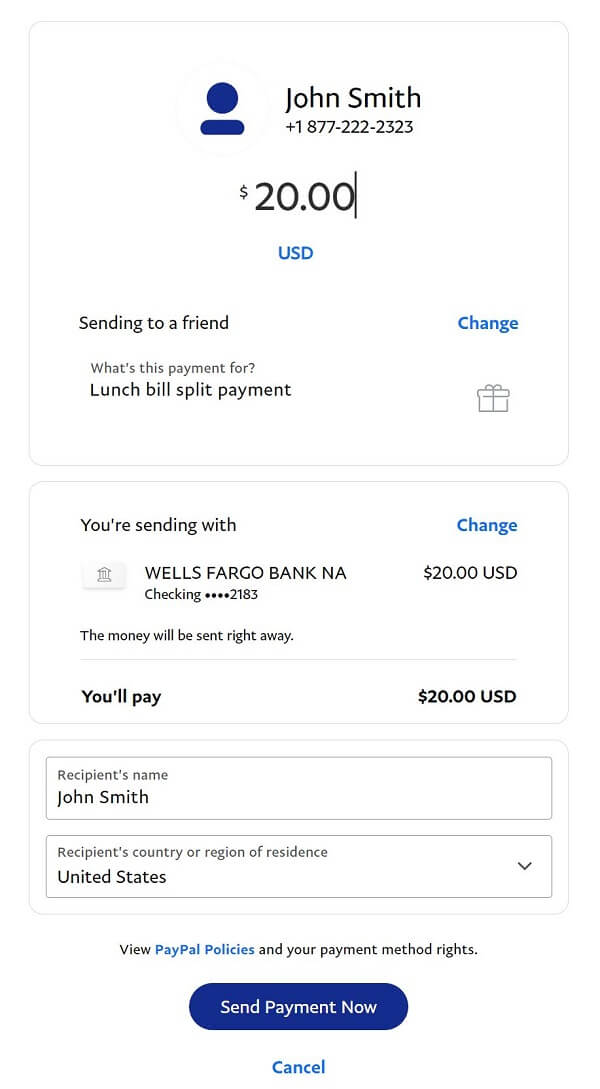
While P2P apps offer convenience, they often lack the robust fraud protections found in traditional credit card transactions. Many of these services are designed for transfers between “friends and family.” If you send money to a scammer via a P2P app, the chances of a “chargeback” are slim to none. From a financial security standpoint, users must treat these apps like digital cash: once it’s gone, it’s usually gone for good.
3. Specialized Remittance and International Fintechs

For expatriates, digital nomads, and international businesses, the traditional banking system is often too slow and expensive. This has given rise to a specialized sector of the financial industry focused on low-cost, high-speed international remittances.
Disrupting the Exchange Rate: Wise and Revolut
Companies like Wise (formerly TransferWise) and Revolut have revolutionized the “how” of sending money by utilizing a peer-to-peer matching system. Instead of actually moving money across borders—which triggers high fees—they maintain pools of currency in different countries. When you send USD to a recipient in the UK, Wise takes your USD and deposits it into their American account, then pays out an equivalent amount from their UK-based GBP account.
This architecture allows these platforms to offer the “mid-market” exchange rate—the same one you see on Google—with a small, transparent service fee. For a savvy consumer, using these tools can save hundreds of dollars a year compared to traditional bank markups.
Traditional Money Transfer Operators (MTOs)
While fintechs dominate the digital space, companies like Western Union and MoneyGram still play a vital role, particularly for the unbanked or underbanked populations. These services allow for “cash-to-cash” transfers, where a sender pays cash at a physical kiosk and the recipient picks up physical currency in another country. While these are often the most expensive ways to send money due to high retail overhead, they remain a lifeline for those without access to traditional digital banking infrastructure.
4. Digital Assets and the Future of Value Transfer
The newest frontier in sending money involves the use of blockchain technology and digital assets. While often associated with speculative investing, the underlying technology offers a glimpse into a world of “programmable money” and near-instant global settlement.
Stablecoins: The Bridge Between Crypto and Fiat
The volatility of Bitcoin often makes it impractical for simple transfers. However, “stablecoins”—cryptocurrencies pegged to the value of a fiat currency like the US Dollar (e.g., USDC or USDT)—are changing the landscape. These assets can be sent across the globe in seconds for a fraction of a cent in network fees. For businesses dealing with international suppliers, stablecoins offer a way to bypass the 3-5 day wait of the SWIFT system, allowing for real-time inventory and supply chain management.
Central Bank Digital Currencies (CBDCs)
Looking ahead, many governments are developing their own Central Bank Digital Currencies. Unlike decentralized cryptocurrencies, CBDCs would be issued and regulated by the state. The goal is to modernize the existing financial system to allow for “atomic settlements”—where the transfer of ownership and the payment happen simultaneously. This would eliminate the “settlement risk” that currently exists in the banking system, potentially making the process of sending money faster and safer than ever before.
5. Strategic Selection: How to Choose Your Transfer Method
Choosing the right way to send money requires a balanced assessment of four key pillars: speed, cost, limit, and security. No single tool is perfect for every scenario; instead, the sophisticated consumer maintains a toolkit of options.
Speed vs. Cost Trade-offs
If you need money to arrive in seconds, you will often pay a premium. “Instant transfer” features on apps like Venmo usually charge a 1.75% fee. Conversely, if you can wait three days, a standard ACH transfer is typically free. In personal finance, planning ahead is the easiest way to save money on transfers. By anticipating payments, you can opt for slower, cheaper routes and avoid “emergency” convenience fees.
Security and Consumer Protection
When sending large sums of money—such as for a car purchase or a home—security should be the only priority. In these cases, the $30 fee for a domestic wire transfer is a small price to pay for the rigorous verification and “guaranteed” nature of the transaction. For smaller, everyday transactions, the convenience of P2P apps is acceptable, provided you have enabled multi-factor authentication (MFA) and are only transacting with known entities.
Evaluating Exchange Rates
Finally, for international transfers, never look at the “fee” in isolation. Many services claim “Zero Fees” but hide their profit in a poor exchange rate. To find the true cost, always compare the final amount the recipient receives across different platforms. The difference between a 1% markup and a 4% markup on a $5,000 transfer is $150—money that is better off in your savings account than in a bank’s pocket.
In conclusion, the ability to send money efficiently is a vital component of modern financial health. By understanding the mechanisms behind ACH, P2P, remittances, and digital assets, you can ensure that your capital moves with maximum efficiency and minimum loss. Whether you are navigating the traditional halls of banking or the digital frontier of fintech, being an informed sender is the first step toward financial mastery.
aViewFromTheCave is a participant in the Amazon Services LLC Associates Program, an affiliate advertising program designed to provide a means for sites to earn advertising fees by advertising and linking to Amazon.com. Amazon, the Amazon logo, AmazonSupply, and the AmazonSupply logo are trademarks of Amazon.com, Inc. or its affiliates. As an Amazon Associate we earn affiliate commissions from qualifying purchases.