
In the hyper-competitive landscape of the global skincare industry—a market projected to exceed $180 billion by 2025—it is rarely a new, high-tech chemical compound that captures the collective imagination of the public. Instead, the most significant disruption of the last five years has come from a product patented in 1872. When a consumer asks, “What happens if you put Vaseline on your face?” they are participating in a phenomenon known as “slugging.” However, from a strategic perspective, they are engaging with one of the most successful brand pivots in modern history.
What happens when you put Vaseline on your face is more than a dermatological reaction; it is a case study in brand equity, the power of user-generated content, and the shift from “utility branding” to “lifestyle branding.” By examining the mechanics of this trend, we can uncover how a century-old staple reasserted its dominance in an era of complex, multi-step beauty routines.
The Architecture of an Iconic Brand: From Medicine Cabinet to Vanity
To understand why applying petroleum jelly to the face became a viral sensation, we must first analyze the brand architecture of Vaseline itself. Founded by Robert Chesebrough, the brand was built on the pillar of “Pure Wonder Jelly.” For over 150 years, its brand identity was anchored in utilitarianism. It was the “fix-it” product for dry elbows, minor scrapes, and squeaky hinges.
The Power of Single-Ingredient Transparency
In an era where “clean beauty” and ingredient transparency have become the primary drivers of consumer trust, Vaseline’s brand strategy is accidentally prophetic. The product contains one ingredient: 100% white petrolatum. In the branding world, this is known as “minimalist integrity.” While competitors spend millions marketing complex peptides and proprietary molecules, Vaseline relies on a legacy of simplicity. When a user applies it to their face, the brand promise is immediate and verifiable. There is no mystery, and in the current marketing climate, transparency is the ultimate currency.
Historical Trust as Brand Equity
Vaseline possesses a level of brand equity that new “indie” beauty brands cannot buy. It carries a cross-generational appeal. The “blue cap” jar is a visual shorthand for safety and reliability. When the “slugging” trend emerged—the practice of coating the face in petroleum jelly overnight to lock in moisture—the brand didn’t need to convince people that the product was safe. The work had been done over a century ago. This illustrates a key principle in brand strategy: trust is an asset that appreciates over time, provided the core product remains consistent.
The “Slugging” Phenomenon: A Lesson in Viral Rebranding
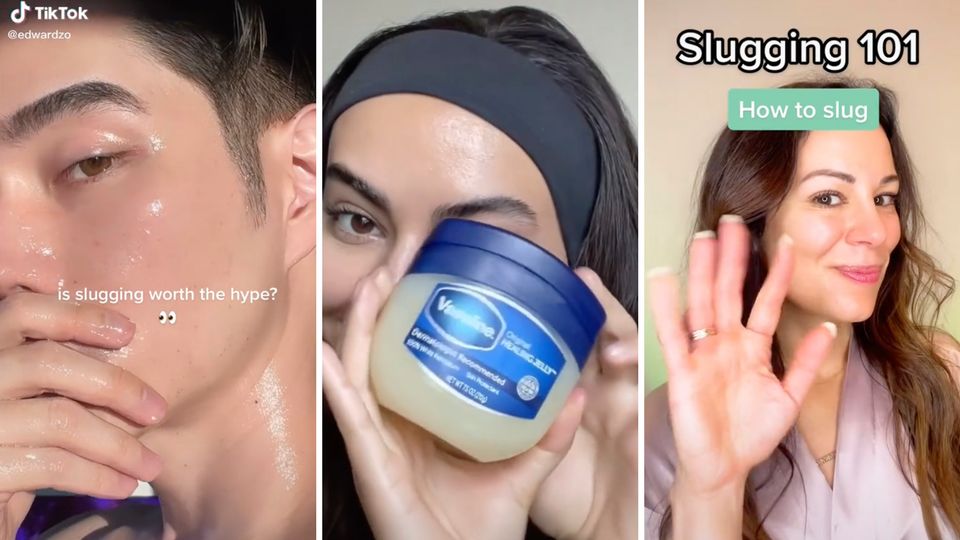
What happens to a brand when its primary use case is redefined by its audience? In the digital age, brands no longer have 100% control over their narrative. The “slugging” trend was not a top-down corporate campaign; it was a bottom-up movement born in the K-Beauty (Korean Beauty) community and amplified by TikTok and Instagram influencers.
The Democratization of Luxury
One of the most profound shifts in personal branding and consumer behavior is the move toward “high-low” styling. Just as a fashion influencer might pair a Chanel bag with H&M jeans, skincare enthusiasts began pairing $100 serums with a $5 jar of Vaseline. By putting Vaseline on their face, consumers are making a strategic financial and aesthetic choice. They are rejecting the notion that effectiveness is tied to a high price point. For Vaseline, this user-led rebranding moved the product from the “pharmacy/first-aid” category into the “high-performance skincare” category without the company changing a single line of its formulation.
The Aesthetic of the “Glow”
In the visual economy of social media, “slugging” created a specific aesthetic: the glass-skin, ultra-dewy look. Vaseline transformed from a greasy ointment into a tool for achieving a high-fashion glow. This shift highlights the importance of “visual brand language.” What happens on the face—that reflective, shiny finish—became a badge of honor among skincare “nerds.” It signaled that the individual was knowledgeable about skin barrier health, turning a humble product into a symbol of expertise.
Competitive Positioning: Vaseline vs. The Prestige Market
When a consumer applies Vaseline to their face, they are often performing a “sealing” step that is functionally identical to what many $200 night creams attempt to achieve via occlusion. This creates a fascinating tension in the market between “Value Brands” and “Prestige Brands.”
The “Dupe” Economy and Brand Erosion
The rise of Vaseline as a facial staple has challenged the market share of prestige occlusives. In the world of brand strategy, a “dupe” (duplicate) is a lower-cost alternative that performs as well as a luxury counterpart. Vaseline is the ultimate dupe. By validating the efficacy of petroleum jelly for facial use, dermatologists and influencers have eroded the perceived value of expensive, “filler-heavy” moisturizers. This forces luxury brands to innovate further or lean harder into “experiential branding” (scent, packaging, status) because they can no longer compete on the basic function of hydration alone.
Occlusion as a Metaphor for Brand Protection
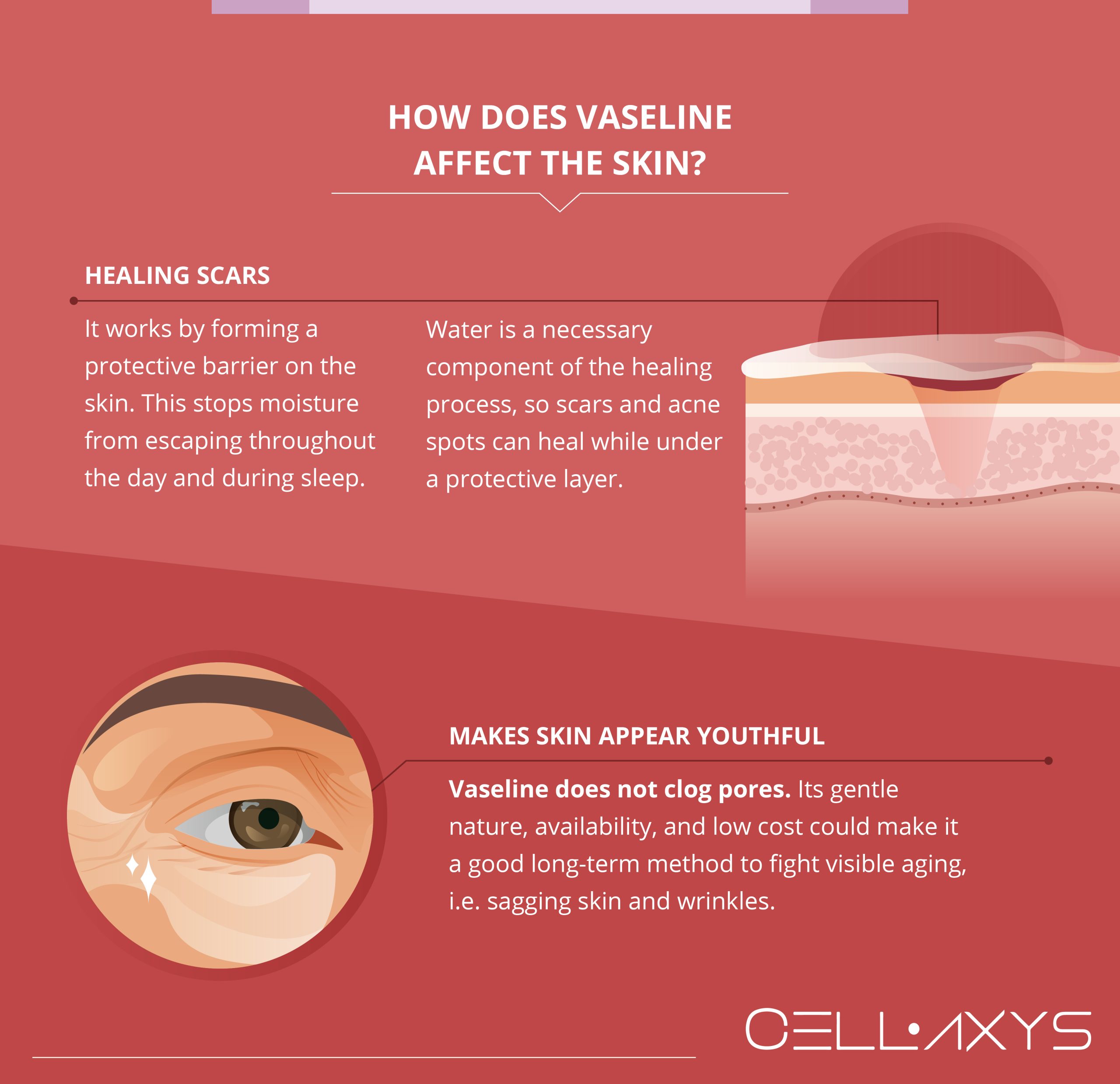
In technical terms, what happens when you put Vaseline on your face is “transepidermal water loss” (TEWL) prevention. It creates a physical barrier. In marketing, we can view this as “Brand Occlusion.” Vaseline has created such a strong barrier around the “basic moisturizer” niche that it is nearly impossible for a competitor to enter the space at a similar price point. They have captured the “functional” segment of the market so thoroughly that they have become the generic trademark for the category, much like Kleenex or Xerox.
Personal Branding and the Influencer Ecosystem
The resurgence of Vaseline is inextricably linked to the personal branding of “skinfluencers.” For a content creator, recommending a $5 product is a powerful trust-building exercise.
The Relatability Quotient
If an influencer only recommends $300 creams, their brand becomes aspirational but unreachable. However, when they show themselves “slugging” with Vaseline, they build a “relatability quotient.” It signals to their audience: “I care about results more than labels.” This creates a symbiotic relationship between the creator’s personal brand and the Vaseline corporate brand. The creator gains credibility for being “real,” and Vaseline gains a modern, trendy endorsement that feels authentic rather than paid.
The Scientific Authority Shift
What happens if you put Vaseline on your face is now backed by a new wave of “science-first” branding. Modern consumers are more educated about skin anatomy than ever before. They understand the “skin barrier” and “lipid layers.” Vaseline’s brand has benefited from this shift in consumer education. By positioning the product as a “barrier repair” tool, influencers have shifted the conversation from “greasy jelly” to “dermatological necessity.” This is a lesson for any brand: when the consumer’s knowledge base evolves, the brand’s positioning must evolve to meet their new vocabulary.
Strategic Takeaways: The Future of Heritage Brands
The Vaseline-on-face trend is not merely a passing fad; it is a blueprint for how heritage brands can remain relevant in a volatile market. It proves that a brand does not always need to “innovate” in the traditional sense of creating new products. Sometimes, innovation lies in “contextual rebranding.”
Embracing User-Generated Innovation
Vaseline’s parent company, Unilever, did not invent slugging, but they were wise enough not to get in its way. They embraced the trend by providing educational content and updated social media assets that aligned with the “slugging” discourse. For brand managers, the lesson is clear: watch how your customers are using your product in the wild. Their “misuse” might be your next major growth engine.
The Resilience of Functional Excellence
Ultimately, what happens when you put Vaseline on your face is that the product works. It does exactly what it says on the tin—it prevents moisture loss. In an era of “brand fluff,” functional excellence is the greatest defense against market volatility. A brand that solves a fundamental human problem (in this case, dry skin) with 100% efficiency and a low price point is almost impossible to disrupt.
In conclusion, the act of putting Vaseline on one’s face represents the intersection of historical trust and modern viral marketing. It is a testament to the power of a brand that knows exactly what it is and, more importantly, knows how to let its community decide what it could become. Whether viewed through the lens of a skincare routine or a corporate balance sheet, Vaseline remains a masterclass in the enduring power of a clear, honest, and functional brand identity.
aViewFromTheCave is a participant in the Amazon Services LLC Associates Program, an affiliate advertising program designed to provide a means for sites to earn advertising fees by advertising and linking to Amazon.com. Amazon, the Amazon logo, AmazonSupply, and the AmazonSupply logo are trademarks of Amazon.com, Inc. or its affiliates. As an Amazon Associate we earn affiliate commissions from qualifying purchases.