
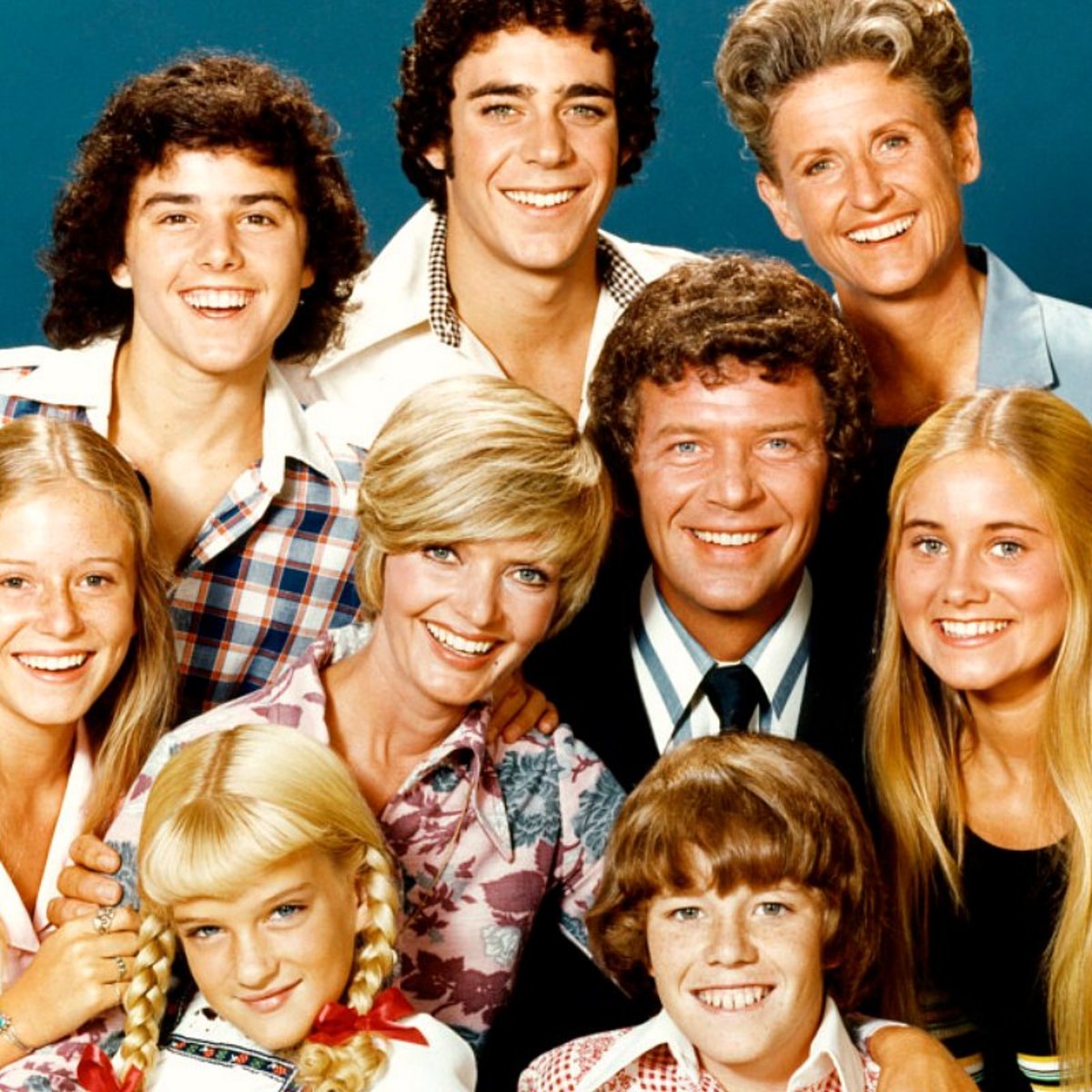
The enduring legacy of The Brady Bunch offers more than just a nostalgic trip through 1970s suburban aesthetics; it serves as a masterclass in the evolution of media branding and the complexities of personal brand management. When the show premiered in 1969, it established a template for the American nuclear family that was so potent it became a global shorthand for wholesome domesticity. However, for the nine core cast members, the show was not just a career milestone—it was the foundational identity of their individual brands.

As we analyze what happened to the cast of The Brady Bunch through the lens of brand strategy, we see a fascinating spectrum of outcomes. Some cast members leaned into the “Brady” brand to build lifelong careers in commercial endorsements and hosting, while others fought to rebrand themselves in pursuit of artistic authenticity or entirely different industries. Their trajectories provide critical insights into the power of typecasting, the value of intellectual property (IP) synergy, and the difficulty of pivoting after a brand has achieved near-universal recognition.
The Architecture of an Iconic Brand: How the Brady Bunch Defined the Family Archetype
To understand the later branding shifts of the cast, one must first analyze the strength of the original product. The Brady Bunch was built on a foundation of consistency, uniformity, and relatability. From a branding perspective, the show utilized a visual “grid system”—immortalized in the opening title sequence—that assigned each cast member a specific psychological and demographic niche.
Consistency and Uniformity: The Grid System of Branding
The opening credits of the show are one of the most recognizable visual brand assets in television history. By placing the family members in a three-by-three grid, the producers established a sense of order and equity among the characters. For the child actors specifically, this grid became a “brand cage.” Every plot point reinforced their specific roles: the eldest sister (Jan), the middle child (Peter), the youngest (Cindy). This level of consistency made the brand highly digestible for audiences but created a monumental hurdle for the actors when they eventually sought to diversify their portfolios.
Relatability as a Market Entry Strategy
The Brady brand didn’t thrive on high-concept drama; it thrived on being a relatable “Everyman” mirror for the burgeoning American middle class. This relatability was the brand’s primary value proposition. When the show entered syndication in the mid-1970s, its market reach expanded exponentially. The “Brady” brand became a perpetual motion machine, constantly introducing itself to new generations. This meant that the cast members were forever frozen in the public consciousness as their younger selves, creating a unique challenge in brand aging.
The Post-Series Pivot: Navigating the “Typecasting” Trap
Once the original series concluded in 1974, the cast faced the classic brand dilemma: do you double down on your established identity, or do you attempt a radical rebrand? The paths taken by Florence Henderson and Robert Reed represent two polar opposite strategies in corporate and personal branding.
The Florence Henderson Model: Scaling the Matriarchal Brand
Florence Henderson, who played Carol Brady, executed one of the most successful brand extensions in Hollywood history. Instead of distancing herself from her role as the ultimate mother figure, she scaled it. Henderson understood that her personal brand equity was tied to trust, warmth, and household management.
She leveraged this to become a powerhouse in the commercial sector, most notably as the spokesperson for Wesson Oil for over two decades. Her brand was so stable that she could transition into talk shows and reality television while maintaining her status as “America’s Mom.” Henderson’s strategy is a lesson in brand alignment; she didn’t fight the market’s perception of her—she monetized it.
Robert Reed and the Search for Brand Authenticity
Conversely, Robert Reed (Mike Brady) viewed the Brady brand as a limitation. A classically trained actor with a passion for Shakespeare, Reed often clashed with the show’s writers over the lack of realism. His post-Brady career was a concerted effort to pivot toward “prestige” branding. While he returned for Brady sequels to secure financial stability, his personal focus was on serious dramatic roles in miniseries like Roots. Reed’s struggle illustrates the tension between a “Commercial Brand” (Mike Brady) and an “Authentic Self.” For Reed, the Brady brand was a lucrative but restrictive corporate contract that he spent his life trying to balance.
The Child Star Dilemma: Rebranding After Adolescence

For the six children—Barry Williams, Maureen McCormick, Christopher Knight, Eve Plumb, Mike Lookinland, and Susan Olsen—the transition out of the Brady brand was even more complex. They were not just employees of the brand; they were the brand’s image of youth.
Christopher Knight and the Move to Tech Entrepreneurship
Christopher Knight (Peter Brady) offers perhaps the most interesting case study in radical rebranding. Recognizing that the entertainment industry’s “Peter Brady” perception was a glass ceiling, Knight pivoted to the burgeoning technology sector in the 1980s. He founded several successful companies, including a 3D graphics company and a pioneering firm in the digital storage space.
Knight’s successful transition from a child star to a tech executive demonstrates that a personal brand can be completely overhauled if one is willing to leave the original industry entirely. He moved from “celebrity equity” to “intellectual capital,” proving that the skills required to navigate a high-pressure media brand can be translated into the corporate boardroom.
Maureen McCormick: Transparency and Crisis Communication in Personal Branding
Maureen McCormick (Marcia Brady) faced a different challenge. As the “Golden Girl” of the Brady brand, the gap between her public image and her private struggles with addiction was immense. In the world of branding, this is known as a “brand-reality gap.”
In her later years, McCormick chose a strategy of radical transparency. By publishing her memoir, Here’s the Story, she reclaimed her narrative. She transitioned her brand from “Perfection” to “Resilience.” This move allowed her to reconnect with her audience on a more human level, effectively rebranding herself as a voice for recovery and mental health awareness. This shift illustrates how vulnerability can be a powerful tool for brand revitalization.
Leveraging Nostalgia: The Brady Brand in the Modern Era
In the 21st century, the Brady brand has entered a phase of “legacy optimization.” Rather than fighting the nostalgia, the surviving cast members have collaborated on projects that treat the Brady legacy as high-value intellectual property.
Synergy and Spin-offs: The Evolution of Intellectual Property
The sheer volume of spin-offs—The Brady Bunch Hour, The Brady Brides, The Bradys—shows a relentless commitment to brand extension. While not all of these products were critically successful, they served to keep the core IP alive in the market. In branding terms, this is a “Long Tail” strategy. Even niche audiences for these spin-offs contributed to the overall valuation of the Brady name, ensuring that the cast remained relevant in the eyes of network executives.
HGTV and the “A Very Brady Renovation” Success Story
The 2019 HGTV series A Very Brady Renovation represents the pinnacle of modern Brady branding. HGTV purchased the original house used for exterior shots and brought in the six surviving cast members to renovate the interior to match the studio sets.
This project was a masterstroke of brand synergy. It combined the nostalgia of the Brady brand with the modern “lifestyle and home improvement” brand of HGTV. For the cast, it was a way to celebrate their history without the pressure of playing characters. It positioned them as “Curators of Nostalgia,” a dignified and lucrative brand position that honors their past while acknowledging their current age and experience.
Lessons in Brand Longevity for Modern Creators
The journey of the Brady cast provides several takeaways for today’s personal brands and corporate entities:
- The Power of the First Impression: The cast spent fifty years reacting to the identities they established in five. In the digital age, where content is permanent, the initial “brand launch” carries immense weight.
- Pivoting Requires Skill, Not Just Intent: Christopher Knight didn’t just want to be a businessman; he acquired the technical knowledge to be one. A successful rebrand requires a change in the underlying product, not just the marketing.
- Authenticity Always Wins in the Long Run: Whether it was Robert Reed’s dedication to craft or Maureen McCormick’s honesty about her life, the most enduring parts of their personal brands are the ones that reflect their true selves.
- IP Synergy is Force Multiplication: The cast’s ability to reunite for events like the HGTV renovation shows that a group brand is often stronger than the sum of its individual parts.
In conclusion, “what happened to the cast of The Brady Bunch” is a story of how individuals navigate the gravity of a massive cultural brand. They have transitioned from being products of a television studio to becoming the owners and stewards of their own legacies. In doing so, they have transformed The Brady Bunch from a 1970s sitcom into a timeless case study in the power of branding, the resilience of personal identity, and the enduring value of cultural icons in a rapidly changing media landscape.
aViewFromTheCave is a participant in the Amazon Services LLC Associates Program, an affiliate advertising program designed to provide a means for sites to earn advertising fees by advertising and linking to Amazon.com. Amazon, the Amazon logo, AmazonSupply, and the AmazonSupply logo are trademarks of Amazon.com, Inc. or its affiliates. As an Amazon Associate we earn affiliate commissions from qualifying purchases.