
To the casual observer who remembers Rob Dyrdek as the boisterous professional skateboarder from Rob & Big or the visionary behind the Fantasy Factory, it might seem like he has stepped away from the limelight. However, for those studying the intersection of personal branding and corporate strategy, what happened to Rob Dyrdek is far more significant than a simple retirement from reality television. Dyrdek did not disappear; he underwent one of the most calculated and successful brand evolutions in modern history.
He has transitioned from a professional athlete and media personality into a disciplined brand architect and venture builder. By moving away from the “skater” archetype and leaning into the role of a systematic entrepreneur, Dyrdek has created a blueprint for how high-profile individuals can decouple their personal identity from their revenue streams, ultimately building a sustainable business empire known as the Dyrdek Machine.
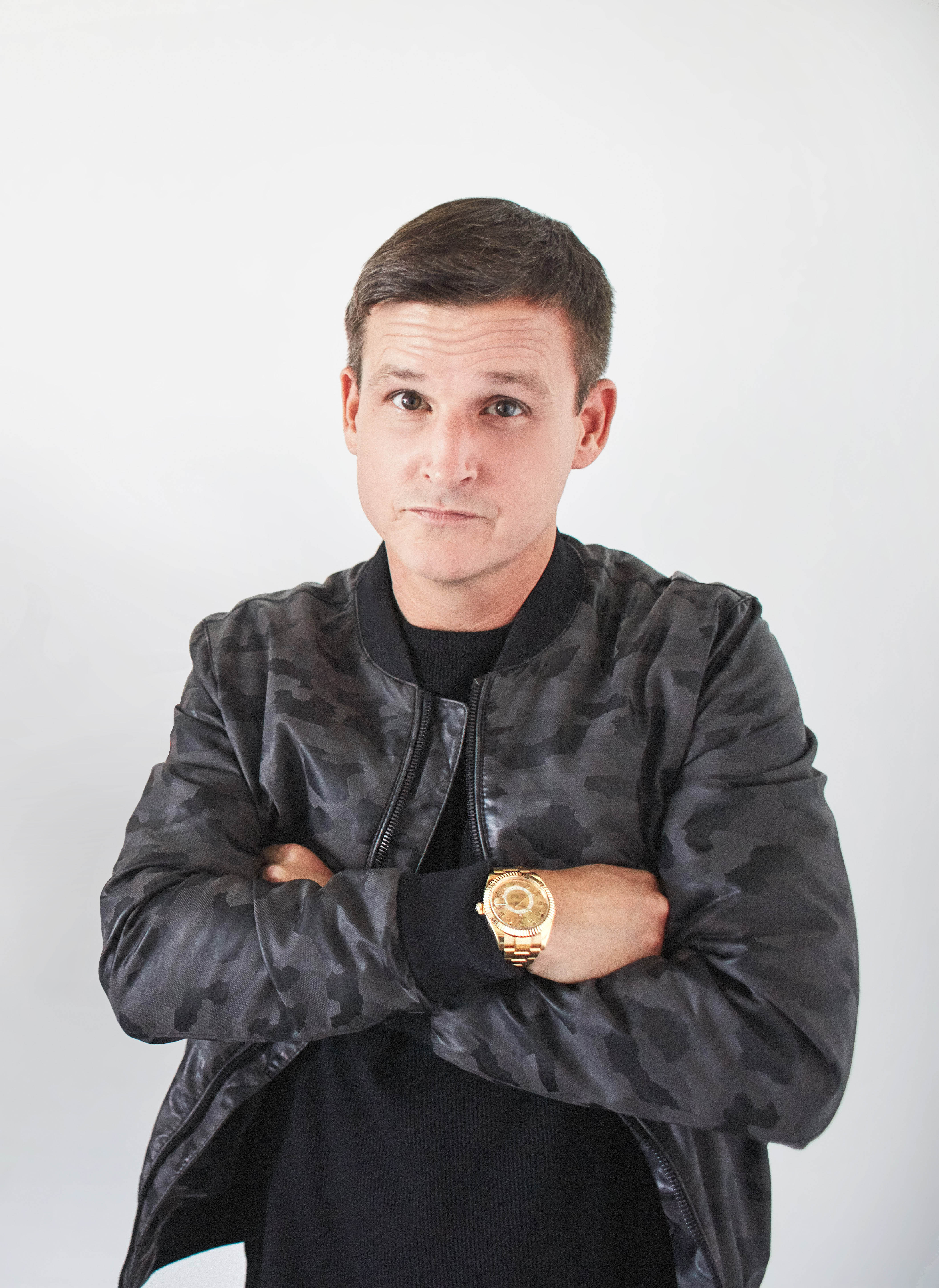
The Strategic Pivot: From Performer to Brand Architect
The evolution of Rob Dyrdek is a case study in the lifecycle of a personal brand. In the early 2000s, Dyrdek was the face of DC Shoes and a titan of the skateboarding world. His brand was built on athleticism, rebellion, and a specific “lifestyle” aesthetic. While most athletes struggle to find their footing after their physical peak, Dyrdek recognized early that his greatest asset was not his ability to jump stairs on a skateboard, but his ability to manufacture moments and market them to a global audience.
Moving Beyond the “Pro Skater” Label
Dyrdek’s first major brand pivot occurred during his tenure at MTV. While Rob & Big and Fantasy Factory were centered on his personality, they served as Trojan horses for his burgeoning business interests. He used the platform to launch and scale brands like Street League Skateboarding (SLS) and various consumer packaged goods.
However, the “what happened” moment for Dyrdek was his realization that being a “personality” is not scalable. Personalities get tired, they age, and their relevance fluctuates with the whims of the audience. To achieve true longevity, he had to shift the focus from his face to his philosophy. This led to the creation of the Dyrdek Machine, a “venture studio” designed to systematically build, launch, and scale brands using a repeatable process.
The Decoupling of Identity and Revenue
One of the most difficult feats in branding is decoupling a founder’s identity from the brand’s value proposition. Dyrdek achieved this by positioning himself as the “Chief Architect” rather than the “Face.” He stopped being the product and started being the factory that produces products. This strategic shift allowed him to enter industries—such as high-end apparel, wellness, and tech-driven fitness—where his skateboarding background might have otherwise been a liability.
The Dyrdek Machine: Systematizing Success
At the heart of Dyrdek’s modern identity is the “Dyrdek Machine.” This is more than just a holding company; it is a brand in itself that represents a specific methodology of business creation. In the world of brand strategy, this is known as “process branding”—where the value is derived not from what is made, but how it is made.
The Do-or-Dier Archetype
Dyrdek has cultivated a specific brand identity for the entrepreneurs he works with, whom he calls “Do-or-Diers.” This is a masterstroke of brand positioning. By defining a specific type of visionary founder, Dyrdek attracts a high-caliber pipeline of talent and ideas that align with his systematic approach. He has moved from selling shoes to selling a philosophy of “integrated life design” and “systematic excellence.”
Brand Integration and Synergies
The Dyrdek Machine operates on the principle of brand synergy. Each company under its umbrella is designed to benefit from the resources and insights of the others. This is a corporate identity strategy mirrored by giants like LVMH or Disney, but scaled down to the venture studio level. By branding his investment philosophy, Dyrdek has ensured that his name adds a “premium” to any company he touches, regardless of the industry.
The Media Engine: Content as a Brand Multiplier

One cannot discuss what happened to Rob Dyrdek without addressing Ridiculousness. While the show is often viewed as a relic of 2010s cable television, it is actually the engine that powers his entire brand ecosystem. Dyrdek has optimized the production of the show to a degree that is virtually unheard of in the entertainment industry.
Efficiency as a Brand Pillar
Dyrdek’s brand is now synonymous with extreme efficiency. He records hundreds of episodes of Ridiculousness in a fraction of the time it takes to produce a standard television season. This high-output, low-input model provides him with the two most important resources for any brand builder: massive capital and massive time.
From a branding perspective, Ridiculousness serves as a perpetual marketing machine. It maintains his global visibility and cultural relevance, ensuring that he never has to spend money on “becoming known.” This allows him to focus his strategic energy entirely on the Dyrdek Machine. It is a rare example of using a media platform to fund a transition into a completely different sector without losing the audience’s trust.
The “Rhythms of Life” Branding
In recent years, Dyrdek has leaned into “data-driven living.” He tracks every minute of his day, his sleep, his health, and his work output. By sharing this data-centric lifestyle on podcasts and social media, he has rebranded himself as a “Human Architect.” This appeals to a new demographic: high-performance professionals and corporate leaders. He is no longer the kid doing stunts; he is the man who has “solved” the formula for a successful life and business.
Lessons in Longevity: How to Evolve a Legacy Brand
Rob Dyrdek’s journey offers several critical lessons for brand strategists and corporate leaders. His disappearance from the “typical” celebrity circuit was not a retreat, but a repositioning for the next 40 years of his career.
1. Own the Platform, Not Just the Talent
Dyrdek’s greatest success was moving from being an “endorsee” to an “owner.” In his early days, he was paid to wear brands. Today, he owns the brands that others are paid to wear. For any personal brand, the goal should be to move up the value chain from influencer to owner as quickly as possible.
2. Design for Scalability
If a brand relies solely on the physical presence or daily effort of the founder, it is a job, not a business. Dyrdek built systems—both for his television production and his venture studio—that allow the brands to grow independently of his constant involvement. This is the difference between a “personality brand” and an “enterprise brand.”
3. Lean into Data and Transparency
By being transparent about his business failures and his meticulous daily routines, Dyrdek has built a high level of “brand authority.” In an era where authenticity is the most valuable currency, his data-backed approach to life and business makes his brand feel more reliable and less like “celebrity hype.”

The Future of the Dyrdek Brand
So, what happened to Rob Dyrdek? He became a mogul. He transitioned from the chaos of the “skater” world to the precision of the “architect” world. Today, the Dyrdek Machine has been responsible for numerous successful exits and has a portfolio of brands that continue to disrupt their respective categories.
Dyrdek has successfully navigated the “Celebrity Trap”—the tendency for famous individuals to launch mediocre products that fail once the initial hype dies down. Instead, he focuses on the “Brand Soul,” ensuring that every company he builds has a solid foundation, a clear target audience, and a scalable business model.
His legacy will not be defined by his ability to land a kickflip or his comedic timing on MTV. Instead, it will be defined by his ability to reinvent himself and create a repeatable system for success. Rob Dyrdek is no longer just a person; he is a brand ecosystem designed to survive and thrive in any market condition. He has proved that with the right strategy, a personal brand can evolve from a niche subculture icon into a multi-dimensional corporate powerhouse.
aViewFromTheCave is a participant in the Amazon Services LLC Associates Program, an affiliate advertising program designed to provide a means for sites to earn advertising fees by advertising and linking to Amazon.com. Amazon, the Amazon logo, AmazonSupply, and the AmazonSupply logo are trademarks of Amazon.com, Inc. or its affiliates. As an Amazon Associate we earn affiliate commissions from qualifying purchases.