
In the landscape of professional sports, few figures represent the highs of market dominance and the lows of unforeseen crisis as poignantly as Monica Seles. To the casual observer, the question of “what happened to Monica Seles” is answered by a singular, tragic event on a tennis court in Hamburg in 1993. However, from a brand strategy and personal identity perspective, the Seles narrative is far more complex. It is a study in how a high-equity personal brand can be disrupted by external trauma, the subsequent struggle to reclaim a narrative, and the ultimate pivot from a performance-based identity to one rooted in advocacy and authenticity.

Understanding the arc of Monica Seles requires more than a review of her Grand Slam titles; it requires an analysis of her brand architecture—the way she disrupted an established industry, the way her brand was forcibly altered, and how she eventually leveraged her experiences to build a lasting, meaningful legacy.
The Disruptor: Building a High-Equity Identity in the Early 1990s
Before the 1993 stabbing that halted her career, Monica Seles was the ultimate “challenger brand.” In marketing terms, she was a disruptor who entered a market dominated by a single, elegant incumbent: Steffi Graf. Seles did not just win; she changed the sensory experience of the game, creating a unique brand identity that was both polarizing and unforgettable.
The Sensory Branding of the Seles Style
Every strong personal brand has “distinctive brand assets”—elements that make it immediately recognizable. For Seles, this was her two-handed forehand and backhand, a technical anomaly that signaled a “power-player” positioning. More notably, she introduced the concept of the vocal grunt to the mainstream tennis world. While critics viewed it as a distraction, from a branding perspective, it was a “sonic logo.” It made a Seles match unmistakable even if you weren’t looking at the screen. This auditory signature, combined with her aggressive baseline play, positioned her as the fierce, uncompromising alternative to the traditionalist, quiet aesthetic of the era.
Market Domination and Youthful Equity
By the age of 19, Seles had already won eight Grand Slam titles. Her brand equity was at an all-time high. She was the youngest-ever world number one at the time, capturing the demographic of young, ambitious athletes. Sponsorships followed, with brands like Yonex and Nike recognizing her as the face of the next generation. She wasn’t just a tennis player; she was a global icon whose brand was built on invincibility and a relentless forward momentum.
The Hamburg Incident: A Crisis Management Turning Point
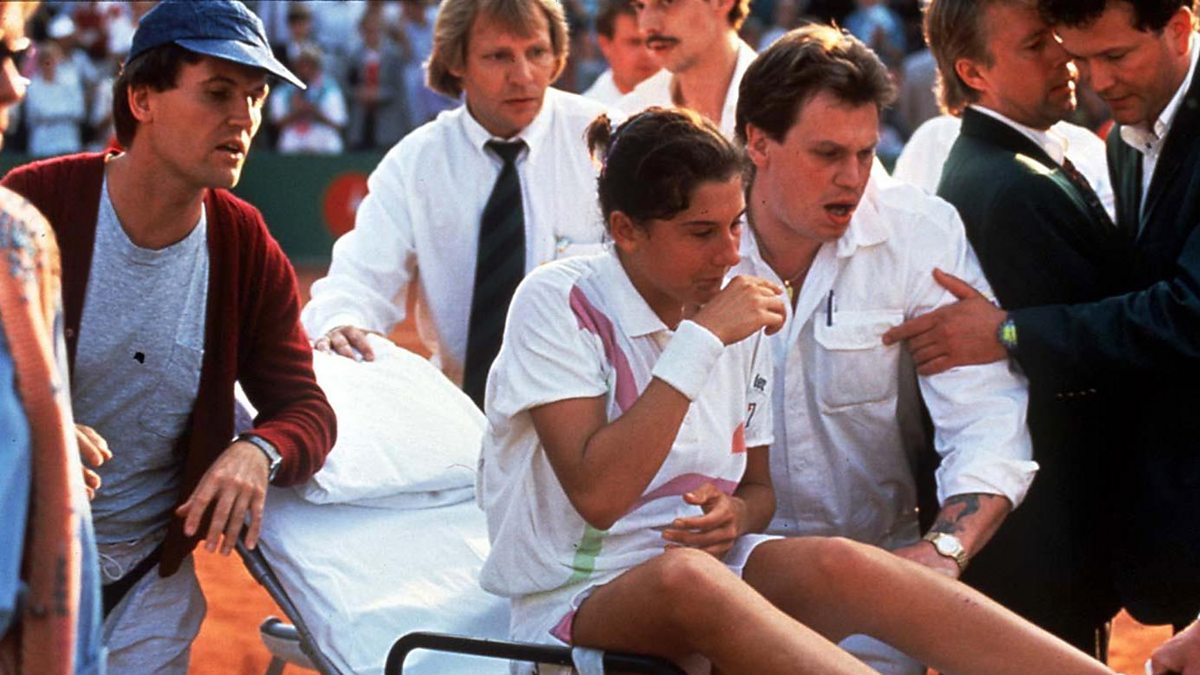
On April 30, 1993, the Seles brand faced an unprecedented “black swan” event. During a match in Hamburg, a spectator obsessed with her rival, Steffi Graf, ran onto the court and stabbed Seles in the back. While the physical wound healed in weeks, the damage to her brand and psyche took decades to repair.
The Shattering of the “Invincible” Archetype
In personal branding, an “archetype” provides the framework for how the public perceives an individual. Seles was the “Hero.” The stabbing instantly shifted her public perception to that of the “Victim.” This shift was catastrophic for a professional athlete whose marketability was based on strength and dominance. For two years, Seles disappeared from the public eye, creating a brand vacuum. In the absence of her presence, the media filled the void with speculation, effectively taking control of her narrative.
The Institutional Crisis and Brand Trust
The Seles incident also highlighted a failure in the “parent brand” of professional tennis (the WTA). The decision by her peers not to freeze her number-one ranking during her recovery was a significant blow to the institutional trust within the sport. From a brand strategy viewpoint, Seles was “devalued” by her own industry while she was at her most vulnerable. This forced her into a position where her return wouldn’t just be about sport, but about reclaiming her worth in a system that had effectively moved on without her.
The Pivot: From Tennis Prodigy to Authenticity Advocate
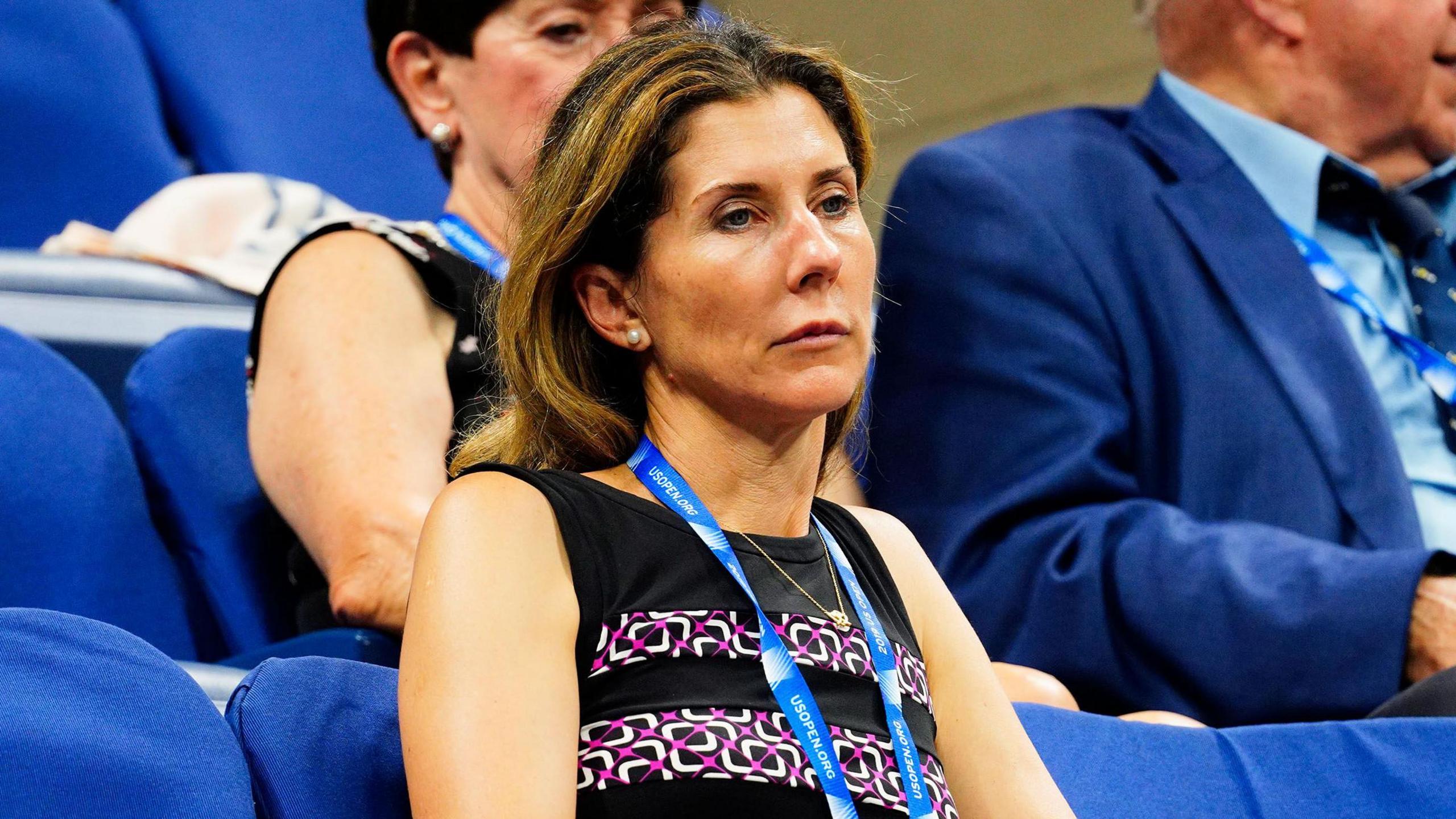
When Seles returned to the tour in 1995, she was no longer the “Disruptor.” She was a humanized version of her former self. Her brand had shifted from one of pure performance to one of resilience and vulnerability. This transition, while difficult, laid the groundwork for a much more sustainable and relatable long-term brand.
Embracing Vulnerability as a Brand Strength
Modern brand strategy often emphasizes the “power of vulnerability,” but Seles lived this long before it became a marketing buzzword. Upon her return, she was open about her struggles with depression and post-traumatic stress. She won the 1996 Australian Open, a feat that bolstered her “Resilient Survivor” narrative. However, she was also dealing with a private struggle: binge eating disorder.
For years, the public saw a version of Seles that didn’t fit the “lean athlete” mold, and she was often criticized by the media for her weight. Instead of hiding, Seles eventually leaned into this struggle. Her 2009 memoir, Getting a Grip: On My Body, My Mind, My Self, was a pivotal moment in her personal branding. It served as a formal pivot from “former athlete” to “wellness advocate.”
Strategic Alliances and Purpose-Driven Marketing
By sharing her journey with food and body image, Seles aligned herself with a new set of values. She became a spokesperson for Binge Eating Disorder (BED) awareness, partnering with pharmaceutical companies and health organizations. This was a strategic move that transitioned her brand from the fleeting world of sports statistics to the enduring world of public health and advocacy. She transitioned from selling tennis rackets to selling hope and recovery.
Lessons in Brand Longevity: Turning Trauma into Purpose
The trajectory of Monica Seles offers several critical insights for anyone managing a personal brand or corporate identity in the face of a crisis.
1. The Power of Owning the Narrative
Seles’s greatest brand victory was not her 1996 Australian Open win, but her decision to write her memoir. By telling her story in her own words, she reclaimed the narrative from the tabloids and sportscasters who had spent a decade defining her by her weight and her trauma. In brand management, if you do not define yourself, the market will define you.
2. Diversification of Identity
What happened to Monica Seles could have been the end of her story if her identity was solely tied to being “The Number One Tennis Player.” Because she was able to diversify her brand—becoming an author, a speaker, and an advocate—she ensured her relevance long after her physical ability to compete at a high level had diminished.
3. Authenticity as a Differentiator
In the 1990s, athletes were expected to be stoic. Seles broke that mold by being honest about her pain. Today, we see athletes like Naomi Osaka and Simone Biles following a path that Seles inadvertently blazed. Her brand became more “sticky” because it was human. People admire champions, but they connect with survivors.
The Seles Blueprint for Modern Personal Branding
Today, Monica Seles remains a respected figure not just in tennis history, but in the broader conversation about mental health and resilience. She has successfully navigated the “post-career” phase that many athletes struggle with. Her brand is now characterized by grace, wisdom, and a quiet strength.
The Legacy Brand
The final stage of the Seles brand is “Legacy.” She is no longer fighting for market share or ranking points. Instead, her brand serves as a benchmark for how to handle professional and personal devastation. When we ask “what happened to Monica Seles,” the answer is that she evolved. She moved past the limitations of a career cut short and built a life defined by her own terms.
Conclusion for Brand Strategists
The Seles case study teaches us that a brand is not a static set of achievements; it is a living entity that must adapt to external shocks. The “Hamburg Incident” was a catastrophic brand disruption, but Seles’s subsequent 30-year journey shows that recovery is possible through authenticity, narrative control, and a willingness to pivot. For any brand facing a crisis, the Seles story is a reminder that while you cannot always control what happens to you, you can control the meaning you assign to it and the mission you build from the ashes.
Monica Seles did not just return to the court; she returned to herself. In doing so, she created a personal brand that is far more impactful than the one that began in the early 90s. She is a reminder that the most resilient brands are those that can endure the unthinkable and emerge not just as they were, but as something more profound.
aViewFromTheCave is a participant in the Amazon Services LLC Associates Program, an affiliate advertising program designed to provide a means for sites to earn advertising fees by advertising and linking to Amazon.com. Amazon, the Amazon logo, AmazonSupply, and the AmazonSupply logo are trademarks of Amazon.com, Inc. or its affiliates. As an Amazon Associate we earn affiliate commissions from qualifying purchases.